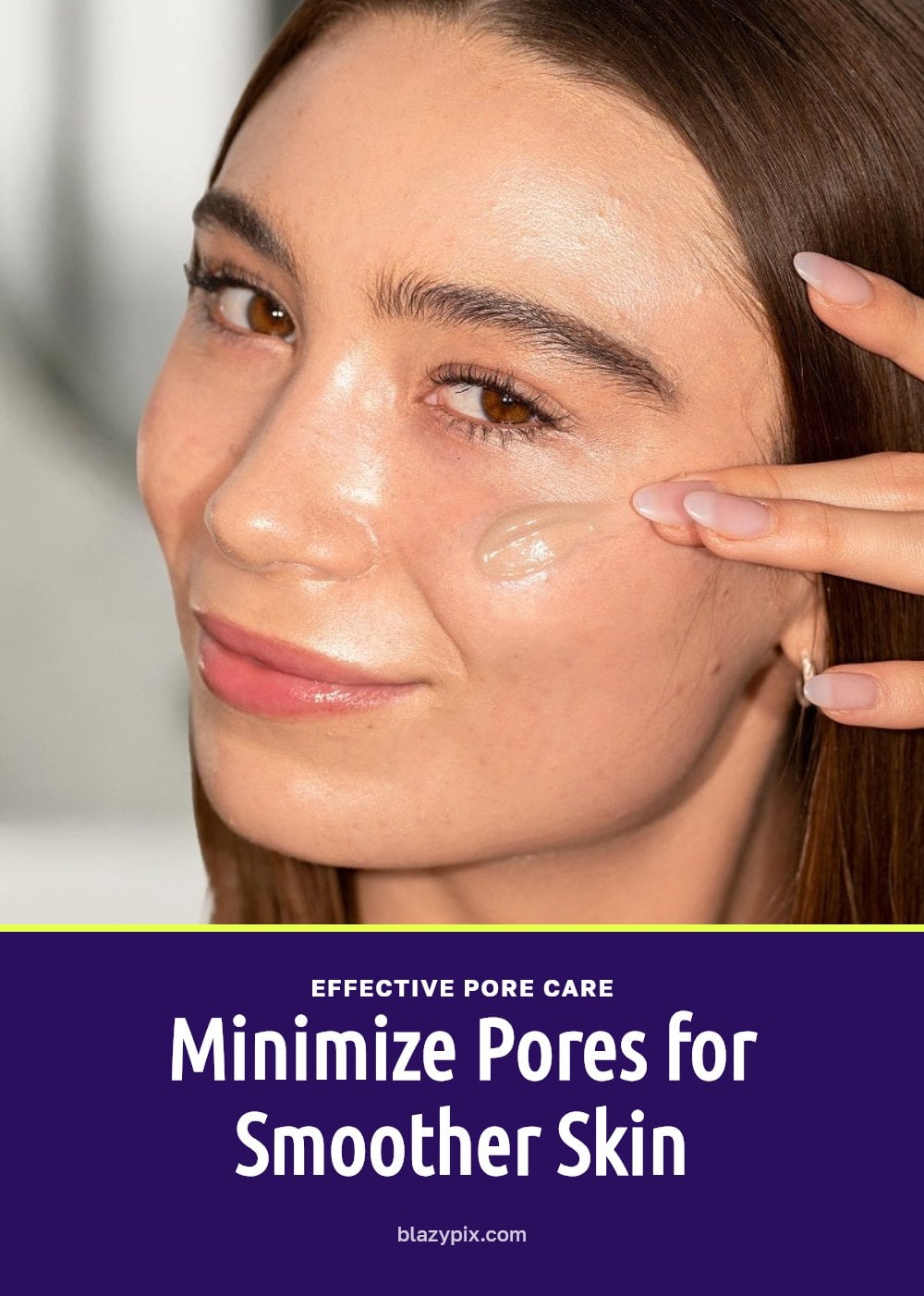
Pore Care Tips for Smooth Skin: Minimize Their Appearance
Learn effective pore care tips to minimize the appearance of pores and achieve smoother skin. Discover expert advice on cleansing, exfoliation, and products.

If you’ve ever looked in the mirror and wished your pores would just disappear, you’re not alone. The truth is, pores are a natural part of your skin, and their size is mostly determined by genetics. While you can’t permanently shrink them, you can absolutely make them less noticeable with the right care. This article covers the key steps to minimize their appearance, from cleansing and exfoliating to protecting your skin from sun damage.
Key Takeaways
- Cleanse twice daily with a gentle, non-comedogenic cleanser.
- Exfoliate 2-3 times a week with AHAs or BHAs.
- Use a non-comedogenic moisturizer even if your skin is oily.
- Apply broad-spectrum sunscreen with SPF 30+ every day.
- Incorporate retinoids or niacinamide to improve skin texture.
What You Need to Know About Pores
Pores are essential openings for hair follicles and oil glands, and their size is largely genetic. While you can’t permanently change pore size, you can significantly minimize their appearance by keeping them clean, reducing excess oil, and supporting skin elasticity. Consistent skincare with targeted ingredients is key to achieving smoother-looking skin.
1. Cleanse Your Face Twice Daily

Use a gentle, non-comedogenic cleanser to remove dirt, oil, and makeup. Cleansing twice a day prevents buildup that can clog pores and make them appear larger.
My tip: Don’t scrub aggressively; gentle circular motions are all you need. Harsh scrubbing irritates skin and can trigger more oil production, making pores look worse.
2. Exfoliate Regularly with AHAs or BHAs
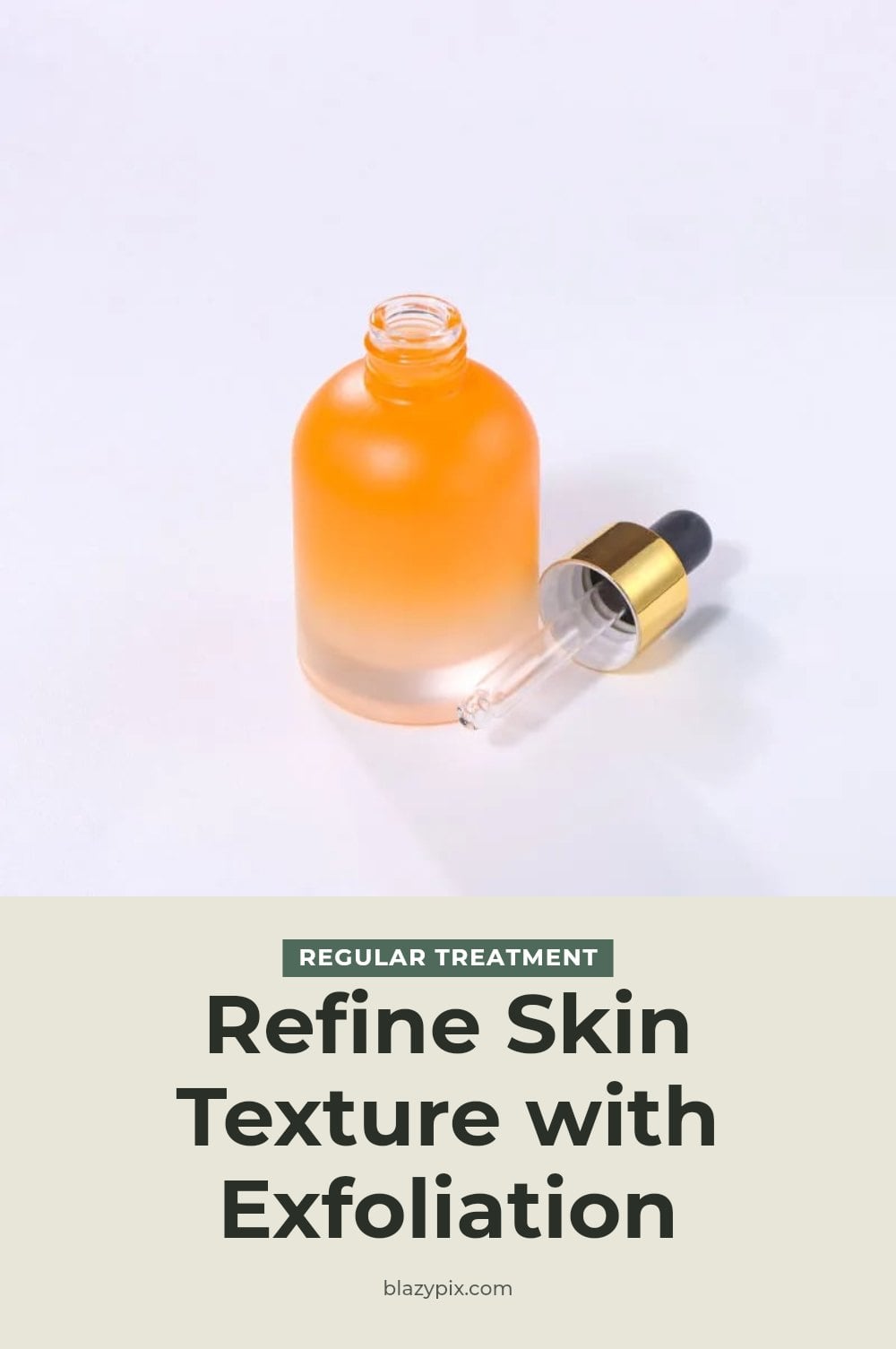
Chemical exfoliants like Salicylic Acid (BHA) penetrate oil to dissolve sebum and dead skin cells within pores, while AHAs help with surface exfoliation. Regular exfoliation (2-3 times a week) prevents pore clogging and promotes cell turnover.
Caution: Introduce new exfoliants slowly to avoid irritation, especially if you have sensitive skin. Start with a low concentration and patch test first.
3. Incorporate Retinoids into Your Routine
Retinoids (vitamin A derivatives) promote cell turnover, reduce oil production, and can improve skin texture, making pores appear smaller. Start with a low concentration and use them a few times a week, gradually increasing frequency as your skin adjusts.
My tip: Always apply retinoids at night and use sunscreen daily, as they can increase sun sensitivity. Expect some initial dryness, which usually subsides.
4. Use Niacinamide for Skin Elasticity

Niacinamide, also known as Vitamin B3, supports your skin’s structure by improving elasticity and strengthening the skin barrier. It also helps reduce sebum production, which means less oil sitting in your pores to make them look larger. Because it targets these underlying causes, niacinamide can indirectly minimize the appearance of enlarged pores over time.
This ingredient is generally well-tolerated and can be used daily. You’ll often find it in serums or moisturizers. My tip: Look for a niacinamide serum with a concentration around 4-5% if you’re new to it; that’s enough to see results without irritation.
5. Moisturize with Non-Comedogenic Products
Even oily skin needs hydration. When your skin is dehydrated, it can overcompensate by producing more oil, which can then clog pores and make them appear larger. A moisturizer prevents this rebound effect.
Choose products labeled ‘non-comedogenic’ to ensure they won’t block your pores. My tip: Look for lightweight, gel-based formulas if you have oily or acne-prone skin. They provide hydration without a heavy, greasy feel.
6. Apply Sunscreen Daily

Sun damage weakens the collagen and elastin that support your pores. Without that structure, pores can lose their shape and appear larger over time. This is a slow but significant effect.
A broad-spectrum sunscreen with SPF 30 or higher, applied every day, protects your skin from this damage. Prevention is key here; sun protection is one of the best long-term strategies for keeping pores looking their smallest.
7. Use Clay Masks for Oil Absorption

Clay masks work by temporarily absorbing excess oil, impurities, and toxins from the skin’s surface. This can make pores look less noticeable for a short time. Use them once or twice a week as a targeted treatment, especially on oily areas like your T-zone.
Caution: Don’t let a clay mask dry completely and crack on your face. This can be overly drying and strip your skin of needed moisture. Rinse it off when it’s still slightly damp.
8. Remove All Makeup Before Bed
Sleeping in foundation and mascara gives oil and dead skin cells eight hours to settle into your pores, which is how small clogs turn into breakouts and visible dots. Take it off every night, no exceptions.
Reach for micellar water, an oil-based cleanser, or a dedicated makeup remover, then follow with your regular cleanser. Pro move: Double cleansing, an oil cleanser first and a gentle foam cleanser second, lifts sunscreen and long-wear formulas that a single wash leaves behind.
9. Avoid Picking or Squeezing Pores
Pressing on a clogged pore pushes bacteria and oil deeper, and the inflammation that follows can leave a scar or a dark mark that outlasts the bump itself. Repeated squeezing also stretches the pore wall, so the opening looks wider than before.
Keep your hands off your face and let a spot heal on its own. Caution: If a blackhead or cyst really bothers you, book a professional aesthetician for extraction instead of going at it at home with nails or a tool.
10. Choose Non-Comedogenic Products
Read the label before anything else touches your face: “non-comedogenic” or “non-acnegenic” means the formula was designed not to block the pore opening. That matters for prevention, since every product that sits in a pore adds to the debris that makes it look bigger.
Good to know: The claim counts across your whole routine, from cleanser and moisturizer to foundation, primer, and the blush you touch up with at noon.
11. Stay Hydrated and Eat Well
Water intake supports the skin barrier, and a well-functioning barrier keeps oil production steadier, which means less sebum pooling in your pores. Antioxidant-rich foods, like berries, leafy greens, and nuts, help calm inflammation that can make pores look more pronounced.
Neither habit shrinks a pore on its own. Treat them as background support for the topical steps, and give any routine change four to eight weeks before judging the result.
Common Pore Care Mistakes to Avoid
Believing pores open and close: Pores are fixed structures; they don’t open or close like doors. Focus on keeping them clean and clear instead.
Over-exfoliating: Too much exfoliation can damage your skin barrier, leading to irritation and potentially more oil production. Stick to 2-3 times a week.
Using harsh alcohol-based toners: These strip the skin of natural oils, triggering your skin to produce even more oil, which can worsen pore appearance.
Neglecting sun protection: Sun damage breaks down collagen, making pores appear larger over time. Daily SPF is non-negotiable.
Expecting permanent shrinkage: You can’t permanently shrink pores, but consistent care can dramatically minimize their visibility. Manage expectations and focus on improvement.
Frequently Asked Questions
What are pores and why do I have them?
Pores are tiny openings in your skin that release sweat and sebum, which is your skin’s natural oil. You have two types: sweat pores and oil pores, but the ones you see are mostly oil pores. They are essential for keeping your skin healthy and lubricated, so having them is completely normal.
Can I permanently close or shrink my pores?
No, pores are fixed structures and cannot be permanently closed or shrunk. Their size is largely determined by genetics, age, and skin type. However, you can minimize their appearance by keeping them clean, reducing excess oil, and protecting your skin’s collagen and elastin through sun protection and targeted skincare.
How long does it take to see results from pore care?
Typically, you’ll need to follow a consistent skincare routine for 4 to 8 weeks before you notice meaningful improvements in your pores. This allows time for cell turnover and oil production to regulate. Be patient and stick with your routine to see the best results.
Is steaming my face good for my pores?
Steaming can temporarily soften sebum, making it easier to remove impurities, but it does not actually ‘open’ pores. It may offer a short-term improvement in appearance, but it’s not a long-term solution. If you enjoy steaming, do it gently and follow up with a clay mask to absorb any loosened oil.
Do pore strips really work to clean pores?
Pore strips can remove surface debris and some blackheads, but they don’t address the deeper causes of clogged pores. They can also irritate sensitive skin. For more effective and lasting results, focus on chemical exfoliants like salicylic acid, which penetrate into the pore to dissolve buildup.
What ingredients should I look for in pore-minimizing products?
Look for ingredients like salicylic acid (BHA) to exfoliate inside pores, niacinamide to improve elasticity and reduce oil, and retinoids to boost cell turnover. Also, choose non-comedogenic products to avoid clogging your pores in the first place. These ingredients work together to make pores look smaller and clearer.
Final Thoughts
To see real improvements in your pores, commit to a consistent routine for at least 4 to 8 weeks. Start with the basics: gentle cleansing, regular exfoliation, and daily sunscreen. Then, consider adding a retinoid or niacinamide if your skin tolerates them. Remember, the goal is to minimize, not erase, so be patient and kind to your skin. With time, you’ll notice a smoother, more even complexion.
This article is for general informational purposes only and is not a substitute for professional medical or dermatological advice. If you have persistent skin concerns, severe irritation, or are unsure about using new products, please consult a board-certified dermatologist. Always patch test new products and discontinue use if you experience adverse reactions.