Coping Skills for Stress and Anxiety
Discover effective coping skills to manage stress and anxiety, and learn practical strategies to improve your emotional well-being.

When stress or anxiety hits, having a go-to strategy can make all the difference. Coping skills are the tools you use to handle tough emotions and challenging situations, and building a solid set of them helps you bounce back faster. This article breaks down what coping skills are, which ones work best, and how to start using them today.
Key Takeaways
- Adaptive coping skills like mindfulness and exercise promote well-being, while maladaptive ones like avoidance can cause long-term harm.
- Practice coping skills regularly, even when calm, so they become automatic during stressful moments.
- Diversify your toolkit with a mix of problem-focused and emotion-focused strategies for different situations.
- Most people notice reduced stress and improved well-being within weeks to months of consistent practice.
- Seek professional help if stress or anxiety is severe, persistent, or interferes with daily life.
What Are Coping Skills?
Coping skills are the strategies, thoughts, and actions you use to manage stress, difficult emotions, and life’s challenges. They are vital for maintaining mental and emotional well-being. Developing a diverse set of these skills helps you respond to different stressors with flexibility, promoting resilience and reducing the negative impact of stress on your daily life.
Adaptive vs. Maladaptive Coping: What’s the Difference?
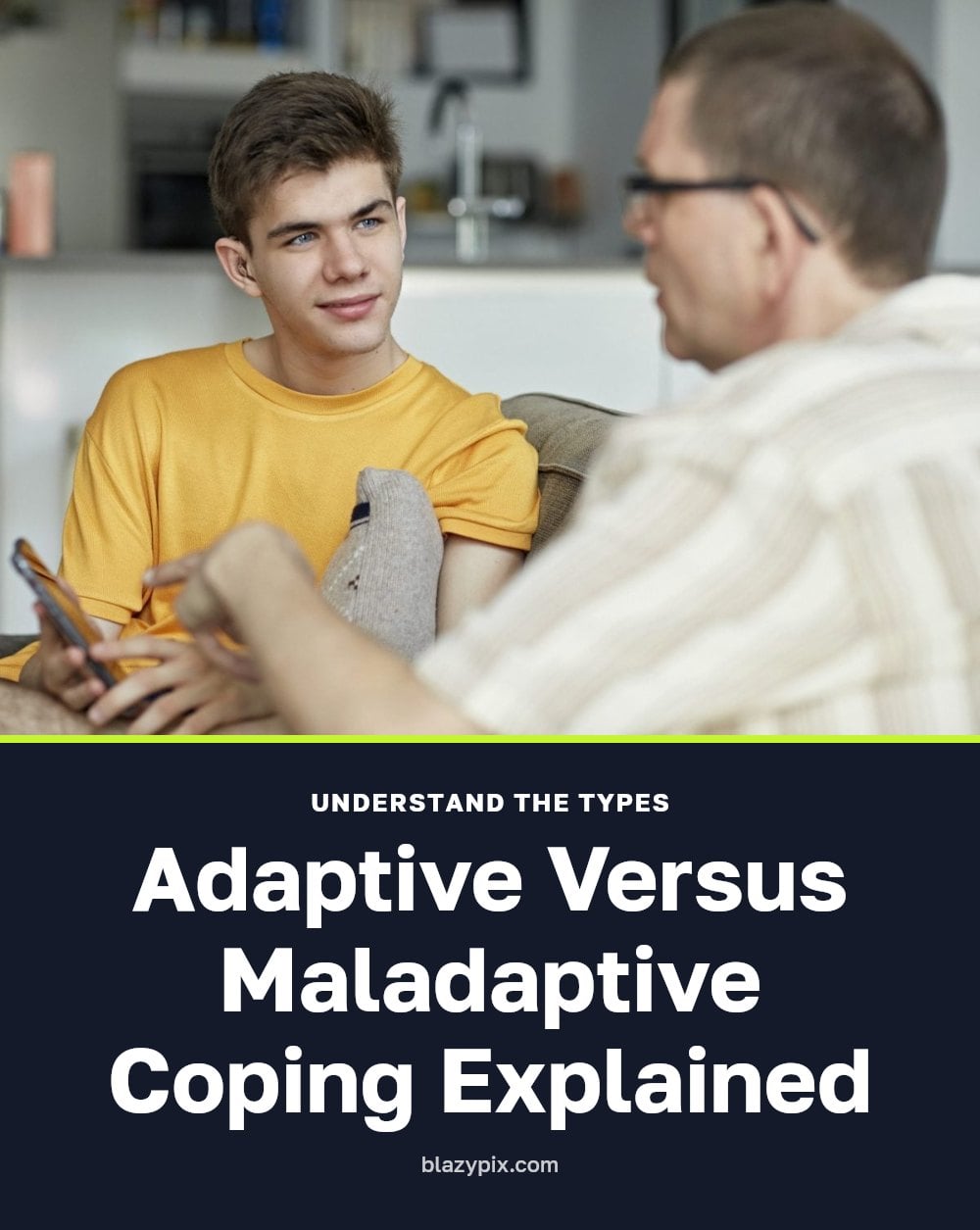
Not all coping skills are created equal. Adaptive coping skills promote well-being and help you resolve issues. Examples include mindfulness, exercise, and reaching out to friends for support. These strategies address the root of the problem or help you process your emotions in a healthy way.
Maladaptive Coping: The Trap of Quick Fixes
Maladaptive coping skills offer temporary relief but lead to long-term negative consequences. Think of substance abuse, excessive avoidance, or binge eating. These behaviors may feel good in the moment but often worsen your stress and mental health over time. My tip: when you feel the urge to numb out, pause and ask yourself if this will help or hurt you tomorrow.
Effective Coping Skills You Can Try Today
You can start using effective coping skills right now. Here are several to try, covering both problem-focused and emotion-focused approaches.
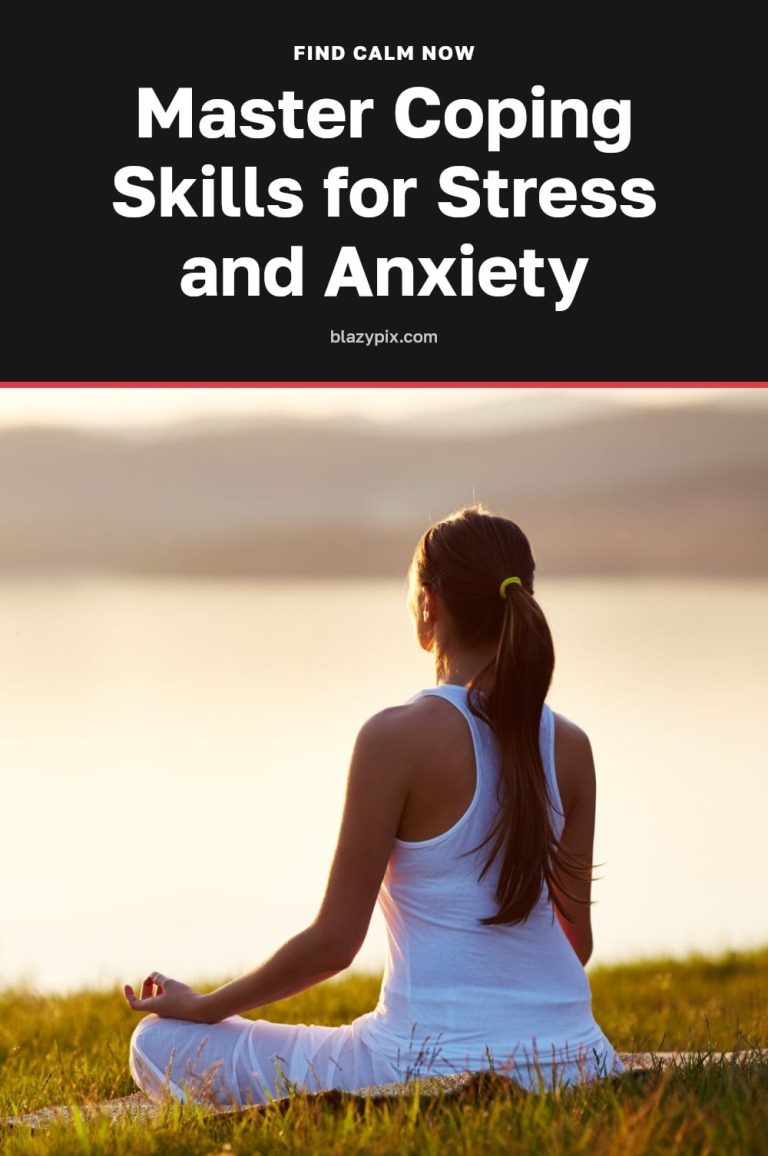
Mindfulness: Focus on the present moment without judgment. Take two minutes to notice your breath, the sounds around you, or the feeling of your feet on the floor. This simple practice can reduce stress and improve emotional regulation.
Deep breathing: Activate your parasympathetic nervous system with diaphragmatic breathing. Inhale slowly through your nose for four counts, hold for four, then exhale through your mouth for six. Repeat four or five times. Caution: Stop if you feel dizzy or lightheaded.
Physical activity: Even a brisk 10-minute walk reduces anxiety and depression symptoms. Movement releases endorphins and gives your brain a break from rumination.
Seeking social support: Call a trusted friend or family member. Simply talking about what’s going on can buffer the effects of stress. You don’t need advice, just connection.
Journaling: Write freely for five minutes about what you’re feeling. This helps you process emotions and identify triggers. My tip: keep a small notebook by your bed for evening brain dumps.
Cognitive reframing: Change how you think about a situation. Instead of “This is a disaster,” try “This is hard, but I can handle it.” This shifts your emotional response.
Problem-solving: Set a realistic goal and break a large task into small, manageable steps. For example, instead of “clean the whole house,” start with “clear the kitchen counter for 10 minutes.”
Tools to Support Your Coping Journey
Having the right tools on hand makes it easier to practice coping skills consistently.
- Journal or notebook: For emotional processing and tracking triggers.
- Comfortable clothing: Essential for physical activity, yoga, or relaxation.
- Mindfulness app or guided meditations: Helps you stay present when you’re new to the practice.
- Art supplies: Crayons, markers, or clay can facilitate creative expression and stress release without needing artistic talent.
Common Mistakes When Developing Coping Skills
Expecting stress to disappear: Coping skills manage stress, they don’t erase it. The goal is to reduce the intensity, not live stress-free. Accept that some stress is normal and focus on lowering its impact.
Waiting for a crisis: Practice skills when you’re calm so they’re automatic in tough moments. Regular use builds proficiency, just like any other skill. Try a deep breathing exercise or a short journaling session a few times a week.
Assuming one size fits all: What works for a friend may not work for you. Experiment with different strategies to find your fit. Test mindfulness, physical activity, or talking with someone you trust, then keep what feels effective.
Confusing avoidance with coping: Watching TV to ignore a problem isn’t coping. Acknowledge and process difficult emotions instead. Name what you feel and write it down, which can help you see the situation more clearly.
Not seeking professional help: If stress feels overwhelming or persistent, a therapist can guide you. It’s a sign of strength, not failure. Getting support early can prevent the stress from growing harder to manage.
Top Tips for Building Resilience
Diversify your toolkit: Don’t rely on just one coping mechanism. I usually keep a few options ready: deep breathing for quick relief, journaling for deeper processing, and a walk for a reset.
Prioritize self-care: Sleep, nutrition, and hydration are the foundation. Without them, even the best coping skills lose their edge.
Set healthy boundaries: Protect your energy by saying no to commitments that drain you. Your time matters.
Engage in joyful activities: Hobbies like gardening, painting, or playing music reduce stress naturally. They’re not a waste of time.
Practice consistently: Building resilience takes weeks or months. My tip: schedule 5 minutes daily for a skill, even when you feel fine.
When to Seek Professional Help
Consult a mental health professional if stress or anxiety is severe, persistent, or interferes with work, relationships, or daily tasks. Avoid self-medicating with alcohol, drugs, or excessive food, as these can worsen mental health over time. If you experience thoughts of self-harm or harming others, seek immediate professional help or contact a crisis hotline. You don’t have to handle this alone.
How Long Does It Take to See Results?
Developing coping skills is an ongoing process, not a one-time fix. Consistent practice is key, and many people notice reduced stress and improved well-being within weeks to months of regular application. The good news is that many skills like deep breathing, journaling, and walking cost nothing. Some tools, such as mindfulness apps or therapy sessions, may have fees, but the core coping strategies are free to try today.
Frequently Asked Questions
Is it normal to feel overwhelmed when trying new coping strategies?
Yes, it is completely normal to feel overwhelmed when first trying new coping strategies. Developing these skills takes time and consistent effort, and it’s okay if they don’t work perfectly right away. Start with one simple technique, like a few deep breaths, and build from there without putting pressure on yourself.
What are some common coping skills for anxiety?
Common coping skills for anxiety include deep breathing exercises, mindfulness meditation, physical activity like walking or yoga, journaling to process thoughts, and seeking social support from trusted friends or family. Cognitive reframing, or changing how you view a stressful situation, can also be very effective.
How can I cope with stress at work?
To cope with stress at work, try taking short breaks to practice deep breathing or a quick mindfulness exercise. Break large tasks into smaller, manageable steps, and set realistic goals. Setting healthy boundaries with colleagues and prioritizing self-care outside of work, like adequate sleep and nutrition, also helps manage workplace stress.
Can coping skills completely eliminate stress?
No, coping skills are not designed to eliminate stress entirely. Their purpose is to help you manage and reduce the intensity of stress and difficult emotions, not to make them disappear. Expecting complete elimination can lead to frustration. Instead, focus on building resilience and reducing the negative impact stress has on your daily life.
Final Thoughts
Start small with one or two coping skills that feel manageable, like deep breathing or a short walk. Remember, the goal isn’t to eliminate stress entirely but to reduce its impact and build resilience over time. With regular practice, you’ll develop a reliable toolkit that supports your well-being through life’s ups and downs.
This article is for informational purposes only and does not constitute medical or professional advice. If you are experiencing severe, persistent, or overwhelming stress or anxiety, or if you have thoughts of self-harm, please consult a qualified mental health professional or contact a crisis hotline immediately.