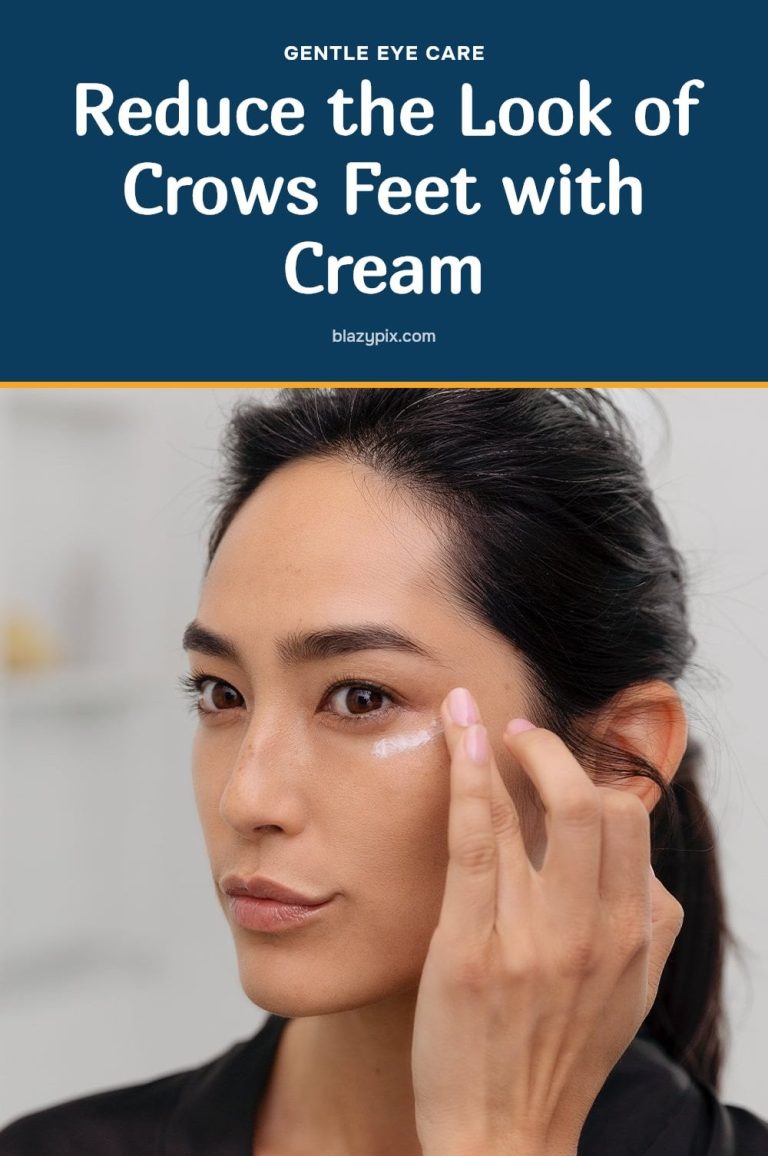
Effective Methods to Reduce the Appearance of Crow’s Feet
Discover effective strategies to reduce and prevent crow's feet. Learn about topical treatments, lifestyle changes, and professional options for smoother skin.

Noticing fine lines around your eyes? You’re not alone. Crow’s feet are a common first sign of aging, but the good news is that there’s a lot you can do to soften them and keep new ones from forming. The key is understanding why they appear and which treatments actually deliver results. In this article, I’ll break down what works, from daily habits to professional procedures, so you can make an informed choice for your skin.
Key Takeaways
- Use broad-spectrum sunscreen with SPF 30 or higher daily, even indoors.
- Topical retinoids may improve fine lines in 3 to 6 months.
- Injectables can smooth crow’s feet within days to weeks, lasting 3 to 6 months.
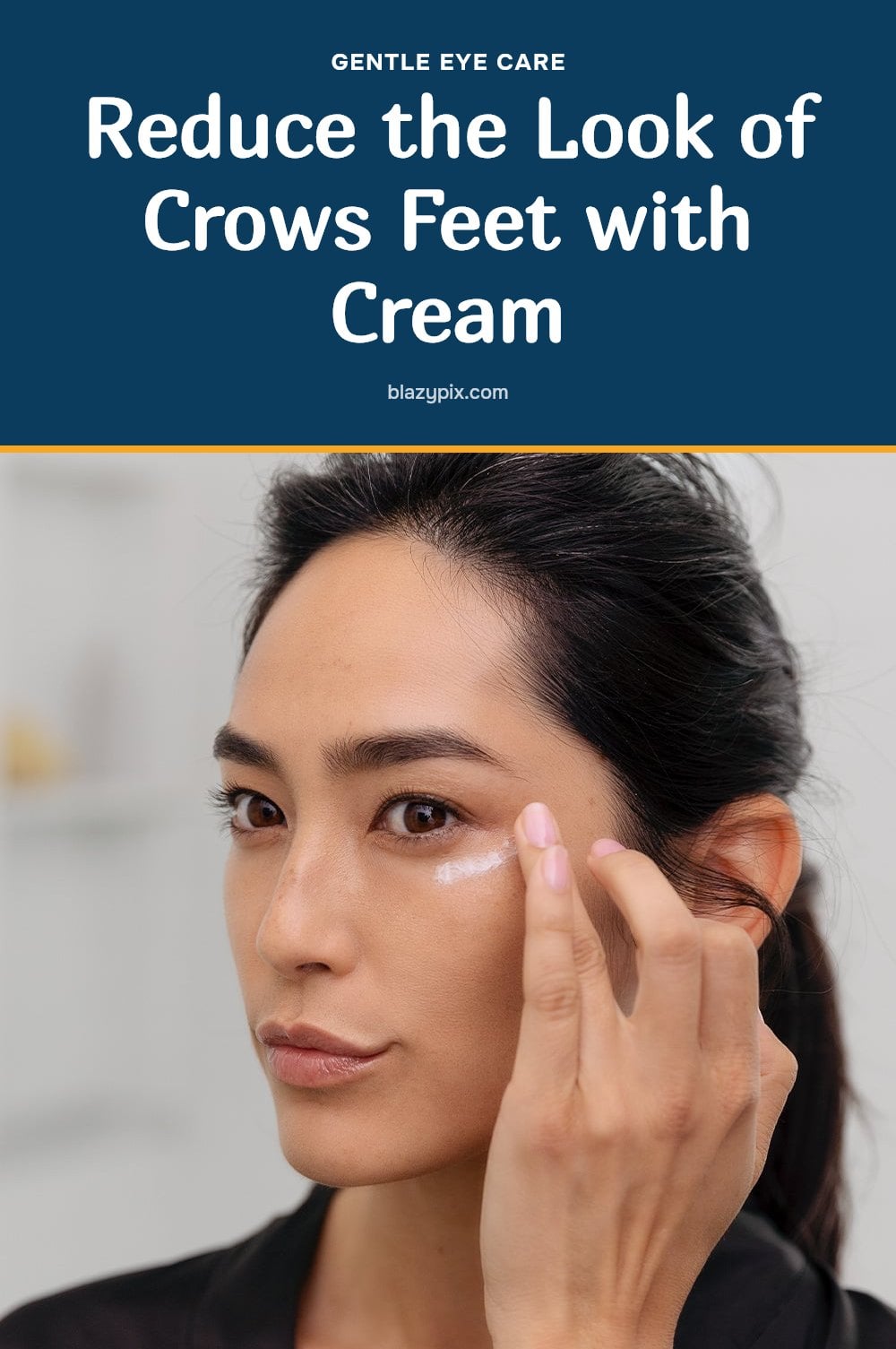
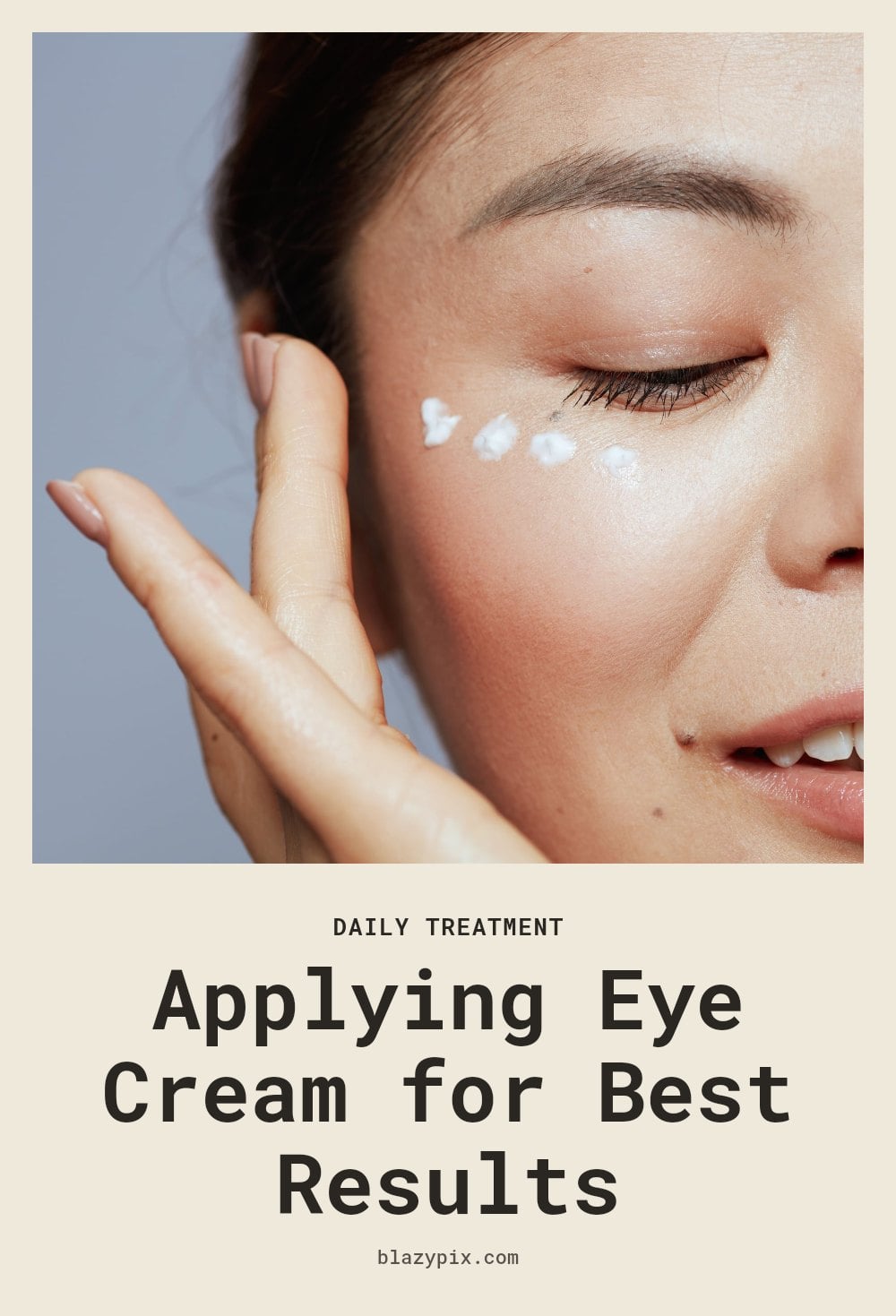
- Be gentle: apply eye products with your ring finger, no rubbing.
- Wear UV-protective sunglasses to prevent squinting and sun damage.
What Are Crow’s Feet and Why Do They Appear?
Crow’s feet are the fine lines that appear at the outer corners of your eyes. They start as dynamic wrinkles, meaning they form from repetitive muscle movements like smiling, squinting, and laughing. Over time, collagen breakdown and aging can turn these temporary lines into static wrinkles that remain visible even when your face is at rest. Sun exposure speeds up this process significantly by damaging the collagen and elastin that keep skin firm.
Why Crow’s Feet Form Around Your Eyes

Why Crow’s Feet Form Around Your Eyes
Every time you smile or squint, the muscles around your eyes contract, creating temporary creases in the skin. These are dynamic wrinkles. With age, your skin produces less collagen and elastin, making it harder for those creases to bounce back. Over time, dynamic wrinkles become static ones, visible even when your face is relaxed.
Sun exposure is the biggest accelerator. UV rays break down collagen and elastin fibers, causing the skin to thin and lose its support structure. Dehydration also plays a role: when your skin lacks moisture, existing fine lines look deeper. And smoking? It damages collagen and restricts blood flow, speeding up premature aging around your eyes.
- Repetitive movements: Smiling, squinting, laughing create dynamic wrinkles.
- Collagen loss: Aging turns dynamic wrinkles into static ones.
- UV damage: Sun exposure accelerates collagen and elastin breakdown.
- Dehydration: Makes fine lines more visible.
- Smoking: Contributes to premature skin aging.
Effective Methods to Reduce the Appearance of Crow’s Feet
Effective Methods to Reduce the Appearance of Crow’s Feet
No single treatment erases crow’s feet completely, but combining strategies can make a real difference. Here’s what works, from at-home products to professional procedures.
Topical retinoids like retinol or tretinoin stimulate collagen production and improve skin texture. Start with a low concentration (0.25% to 0.5% retinol) and apply it only at night, avoiding the lash line to prevent irritation. Results are gradual. You may see subtle improvements after 3 to 6 months of consistent use.
Antioxidants such as vitamin C and E protect your skin from free radical damage caused by UV rays and pollution. Use a vitamin C serum in the morning under sunscreen. Hyaluronic acid is a humectant that attracts and holds moisture, temporarily plumping fine lines. Look for it in eye creams or serums and apply on damp skin.
For faster results, botulinum toxin injections (commonly known as Botox or Dysport) relax the muscles that cause crow’s feet. A qualified professional injects small amounts into the outer eye area. Results appear within days and last 3 to 6 months. Caution: This is a medical procedure, only see a licensed dermatologist or plastic surgeon.
Chemical peels and laser resurfacing treatments promote skin renewal and boost collagen. Chemical peels use acids to exfoliate the top layers, while lasers (like fractional CO2) heat the deeper skin to trigger repair. Both require multiple sessions and downtime for recovery. My tip: Always consult a dermatologist before booking any peel or laser. They’ll match the intensity to your skin type and concerns.
Comparing Treatments for Crow’s Feet
| Treatment Type | Invasiveness | Results Timeline | Duration |
|---|---|---|---|
| Topical creams (retinoids, antioxidants) | Non-invasive | Gradual over 3-6 months | Ongoing with consistent use |
| Injectables (botulinum toxin, fillers) | Minimally invasive | Days to weeks | 3-6 months |
| Resurfacing (chemical peels, lasers) | Invasive, requires downtime | Varies, multiple sessions needed | Significant, longer-lasting |
My tip: Start with topical creams if you want zero downtime. They work slowly but safely when you are consistent. Choose injectables for faster, temporary smoothing. Resurfacing treatments give the most dramatic results, but factor in recovery time and the cost of multiple sessions.
Preventing New Crow’s Feet from Forming

Start with a broad-spectrum sunscreen of SPF 30 or higher every morning, even on cloudy days. UV rays reach your skin through windows and clouds, so make it a non-negotiable step before you leave the house.
UV-protective sunglasses do double duty: they block rays and stop you from squinting, which is one of the main causes of crow’s feet. Keep a pair in your bag for sunny days and long drives.
Hydration keeps skin cells plump, making fine lines less noticeable. Drink water throughout the day and use a moisturizer with hyaluronic acid to lock in moisture. Aim for 7 to 9 hours of sleep so your skin has time to repair itself. If you smoke, quitting can help preserve elastin, the protein that keeps skin firm and resilient.
Common Mistakes When Treating Crow’s Feet
One product won’t erase crow’s feet, no matter what the label promises. Treating them takes a combination of sunscreen, retinoids, antioxidants, and healthy habits used consistently for months.
Be gentle around your eyes. Pressing or rubbing with your fingers stretches the delicate skin and can worsen lines. Use your ring finger to pat products on lightly, never pull.
Sun protection is a year-round job. Skipping it in winter or on overcast days lets UV damage accumulate, undoing the work of your other products. And don’t expect overnight results from creams or serums. Most topical treatments need 3 to 6 months of daily use to show subtle change.
Lifestyle choices matter as much as what you apply. Poor sleep, dehydration, and smoking all accelerate skin aging, so address those alongside your skincare routine.
When to Consult a Professional for Your Crow’s Feet
See a dermatologist if you’ve used a consistent routine for several months without visible improvement. They can assess your skin and suggest stronger options.
Get medical help right away if you experience severe irritation, swelling, or an allergic reaction to any product. Stop using it and let a professional evaluate.
For injectables, lasers, or chemical peels, always consult a qualified practitioner. These procedures carry risks and should only be done by experienced medical professionals. If you have a health condition that affects your skin or take medications, discuss them with your doctor before booking any cosmetic treatment.
Frequently Asked Questions
Can crow’s feet be completely erased?
No, completely erasing crow’s feet isn’t possible, but you can significantly reduce their appearance. A combination of topical treatments, sun protection, and professional procedures can smooth the skin and prevent further deepening. Expect improvement, not perfection.
How long does it take to see results from eye creams?
With consistent use, topical products like retinoids or antioxidants may show subtle improvements in about 3 to 6 months. Results are gradual, so patience is key. If you see no change after several months, a dermatologist can suggest stronger options.
Is Botox the only way to treat crow’s feet?
No, Botox is not the only option. Topical retinoids, antioxidants, and hyaluronic acid can help at home. Professional treatments include chemical peels, laser resurfacing, and dermal fillers. Each has different results and downtime, so talk to a professional to find what’s right for you.
Does drinking water really help with crow’s feet?
Staying hydrated can make fine lines less noticeable because dehydration makes skin look dull and crepey. Drinking water won’t erase wrinkles, but it supports overall skin health. Combine it with moisturizers and sunscreen for the best effect.
Can I prevent crow’s feet from forming?
You can’t stop all wrinkles, but you can slow their development. Wear sunscreen daily, use UV-protective sunglasses, avoid smoking, and be gentle with your eye area. A healthy lifestyle with adequate sleep and hydration also supports skin resilience.
Final Thoughts
For most people, the most effective approach combines daily sun protection, a consistent retinoid or antioxidant eye cream, and healthy lifestyle habits like staying hydrated and not smoking. If you want faster or more dramatic results, professional options like botulinum toxin injections or laser resurfacing can help, but they require a qualified provider and realistic expectations. Remember, no treatment erases crow’s feet completely, but with the right routine, you can see meaningful improvement over time. Start with the basics, be patient, and your skin will thank you.
This article is for general information only and is not a substitute for professional medical advice. Always patch test new products and consult a dermatologist or qualified healthcare provider for persistent skin concerns, severe reactions, or before undergoing any cosmetic procedure.