How to Add Hyaluronic Acid to Your Skincare Routine for Maximum Hydration
Learn how to use hyaluronic acid for hydrated, plump skin. Discover application tips, mistakes to avoid, and how it improves skin texture.

If you’re looking for a way to get that plump, dewy look without a complicated routine, hyaluronic acid is your answer. It works like a magnet for moisture, pulling water into your skin and holding it there. In this article, I’ll walk you through exactly how to add hyaluronic acid to your daily routine so you get the most hydration possible, from choosing the right products to applying them in the right order.
Key Takeaways
- Apply hyaluronic acid serum to damp skin for best absorption.
- Always follow with an occlusive moisturizer to seal in hydration.
- Use HA twice daily, morning and night, for consistent results.
- Choose serums with multiple molecular weights for deeper hydration.
- A small amount of serum is enough; a thin film covers the face.
What is Hyaluronic Acid and Why Your Skin Needs It
Hyaluronic acid (HA) is a humectant, meaning it attracts and holds water molecules. One molecule can hold up to 1,000 times its weight in water, drawing moisture from the environment into your skin. Your skin naturally contains HA to maintain moisture and elasticity, but production drops as you age and with environmental exposure. When you apply HA topically through serums or moisturizers, it delivers intense hydration that plumps the skin and temporarily reduces the appearance of fine lines and wrinkles.
Essential Products for Your Hyaluronic Acid Routine
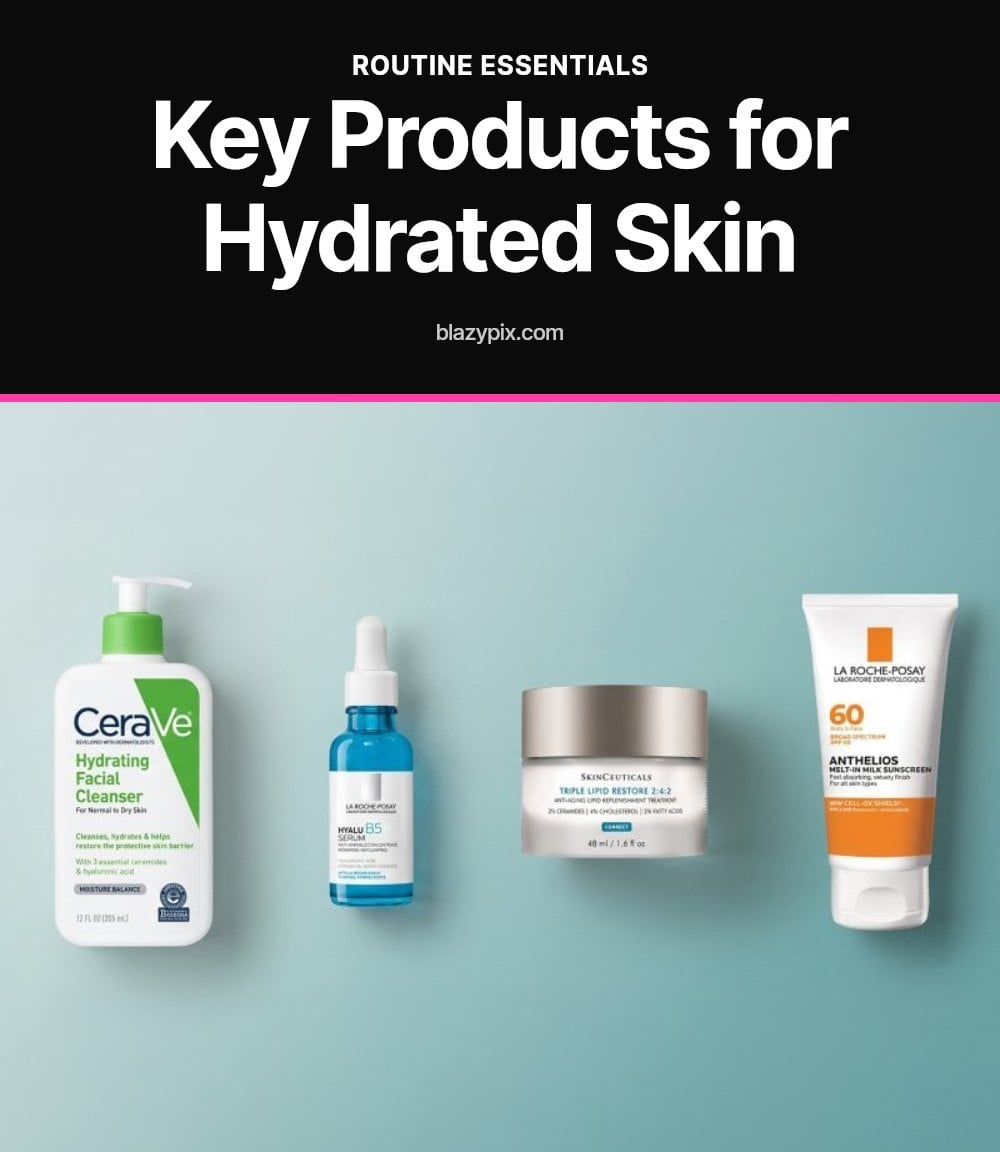
To get the most out of hyaluronic acid, you need a few key products. Each one plays a specific role in the process.
- Gentle Cleanser: Removes makeup, sunscreen, dirt, and oil without stripping your skin. A double cleanse (oil-based then water-based) works best.
- Hyaluronic Acid Serum: The main delivery method for concentrated HA. A thin layer is all you need.
- Moisturizer: Seals in the hydration that the HA serum pulls in. Look for occlusive ingredients like silicones for oily skin or shea butter for dry skin.
- Facial Mist (Optional): Keeps your skin damp before applying the serum, especially if your skin dries quickly after cleansing.
Step-by-Step: Applying Hyaluronic Acid for Optimal Skin Hydration
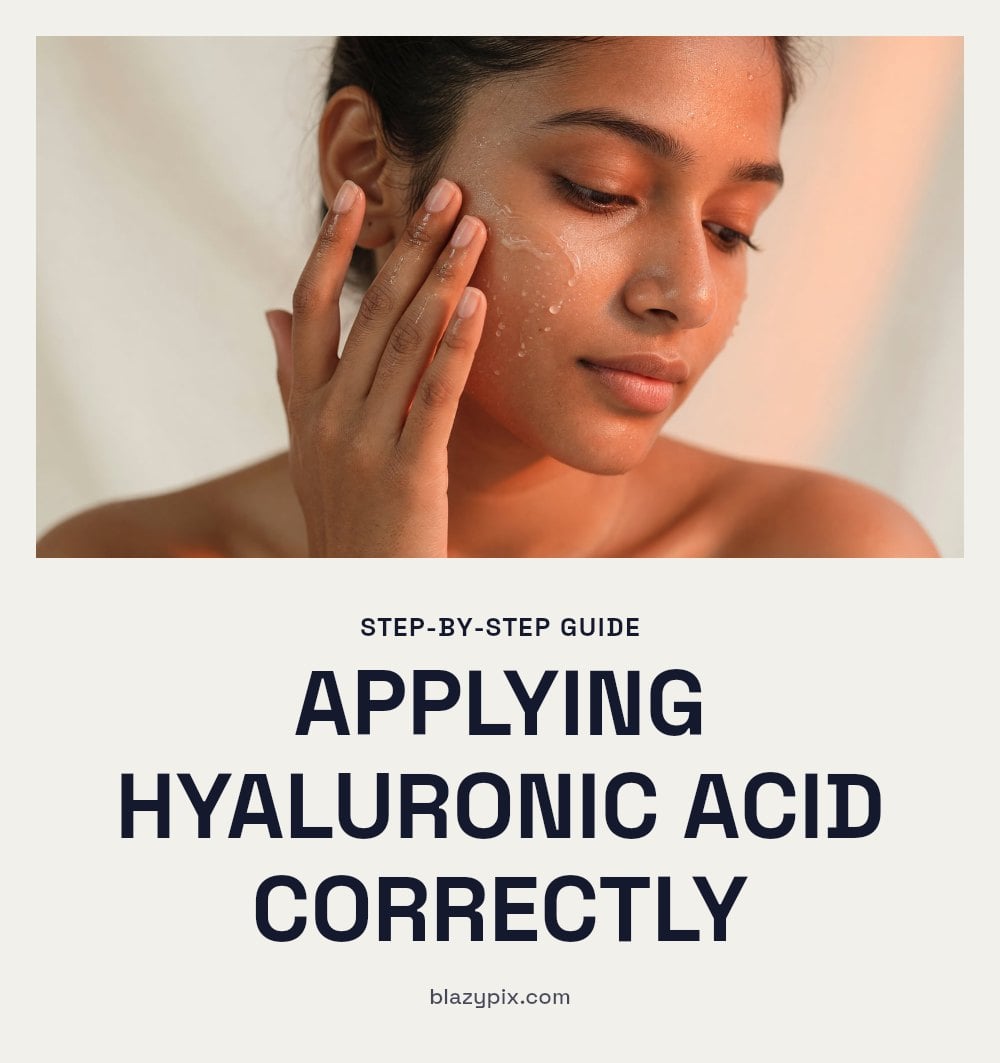
Follow this order for maximum hydration. The key is damp skin and immediate sealing.
- Cleanse your skin: Wash your face thoroughly to remove all makeup, sunscreen, dirt, and oil. A double cleanse, an oil-based cleanser followed by a gentle, non-soap cleanser, is efficient and minimizes disruption to your skin barrier.
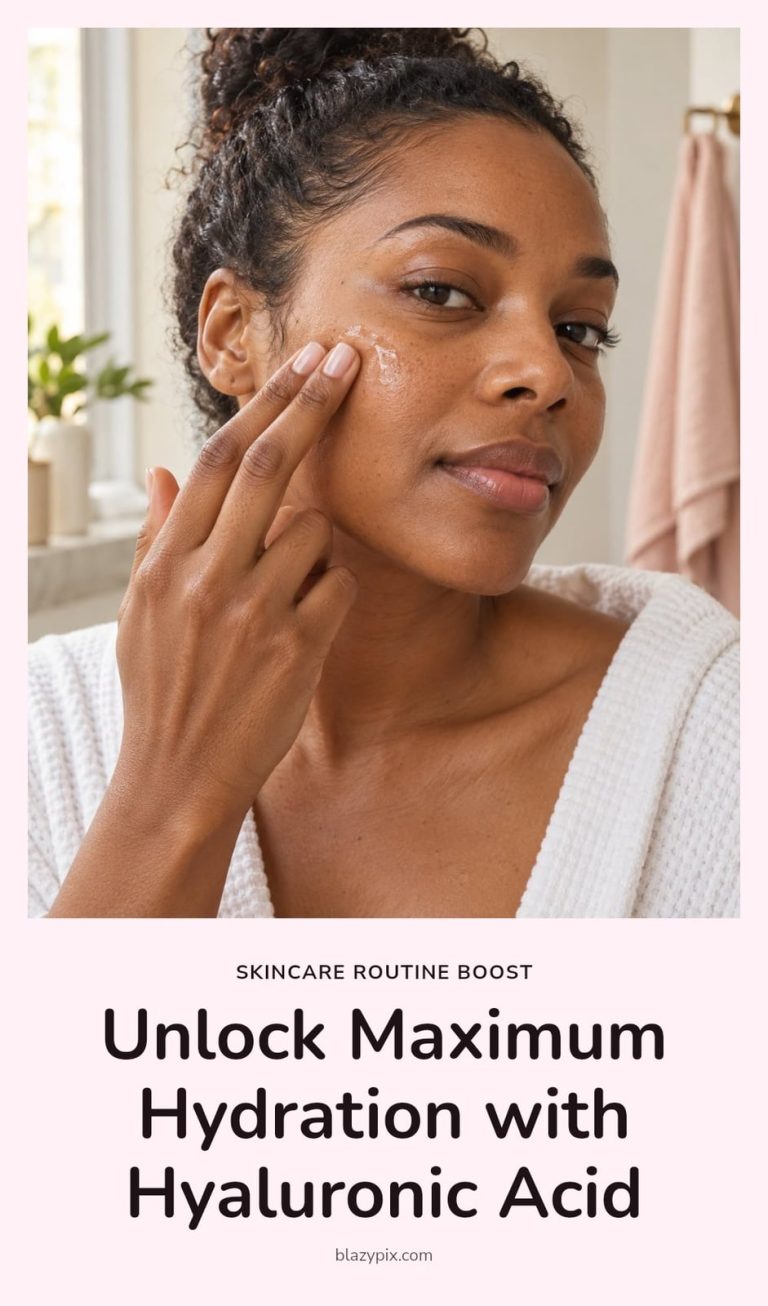
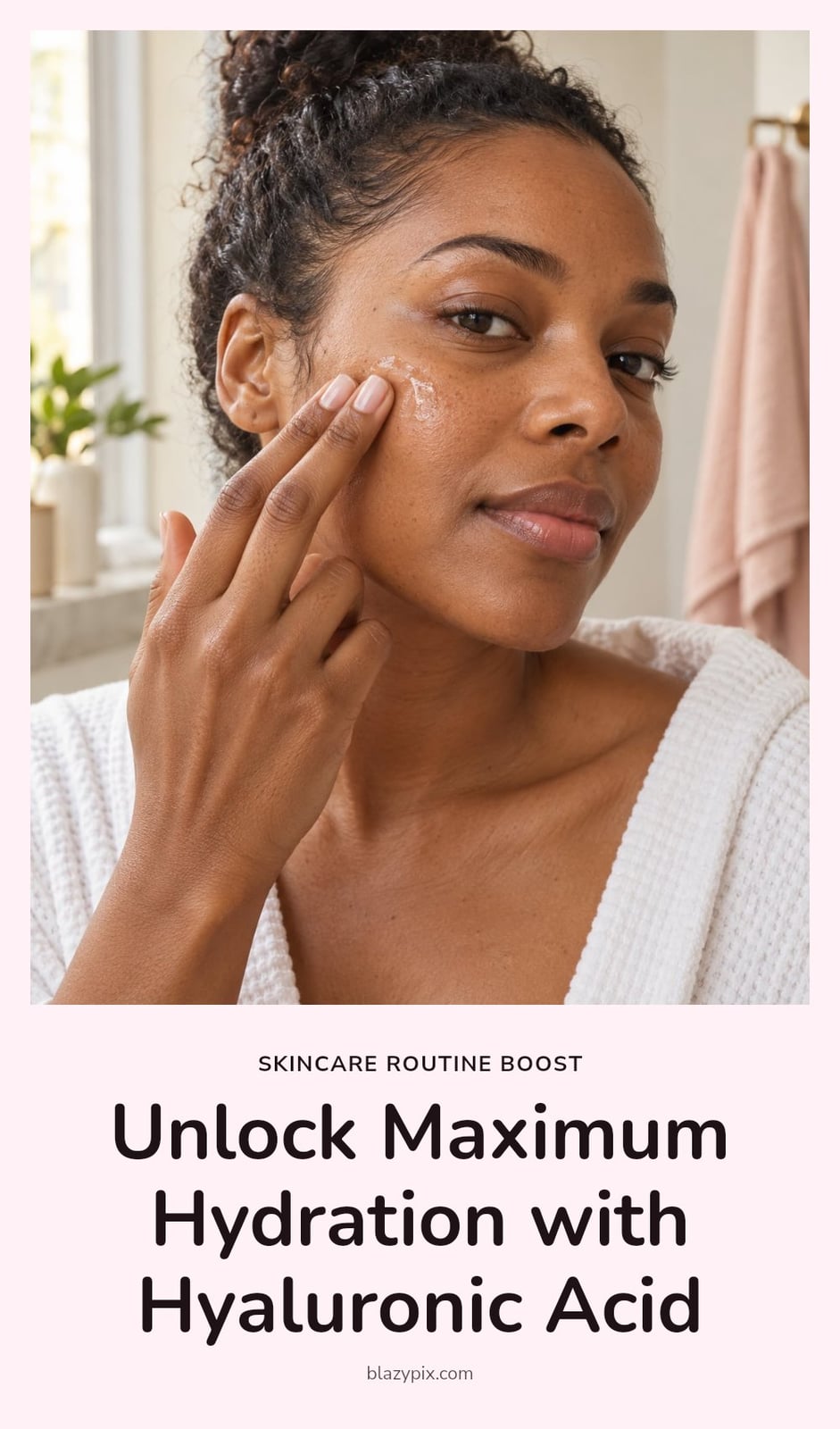
- Apply HA serum while skin is damp: Right after cleansing, while your face is still damp, apply a small amount of hyaluronic acid serum. You only need enough to form a thin film on the skin. Less is more.
- Seal with a moisturizer immediately: Follow the serum right away with a moisturizer that contains occlusive ingredients. For oily skin, look for silicones. For dry skin, choose shea butter, petrolatum, or mineral oil. This step locks the water in.
- Add sunscreen in the morning: If you apply HA in your morning routine, use your sunscreen as the occlusive layer. Apply a thin layer of sunscreen over the serum and let it dry completely. Then apply a second full layer of sunscreen for adequate protection.
Here is the method in action: Dr Dray demonstrates it in about 12 minutes. The how-to part starts at 1:26.
Common Hyaluronic Acid Mistakes to Avoid
Even a great ingredient can fall short if you use it wrong. Here are the mistakes to avoid.
- Applying HA to dry skin: Hyaluronic acid needs water to draw into your skin. If you apply it to completely dry skin, especially in a dry climate, it can pull moisture from your skin instead of the air.
- Skipping the occlusive moisturizer: Without a moisturizer to seal the hydration in, the water the HA attracted can evaporate. This reduces the benefits significantly.
- Expecting instant, permanent wrinkle removal: HA plumps the skin with hydration, which temporarily reduces the appearance of fine lines. It is not a permanent fix for deep wrinkles.
- Using expired products: Water-based products like HA serums can grow mold or bacteria once the preservatives stop working. Check the open jar symbol on the label (e.g., 12M for 12 months) and toss the product after that time.
Pro Tips for Enhancing Your Hyaluronic Acid Routine
For deeper hydration, look for serums that list multiple molecular weights of hyaluronic acid on the ingredient label. Smaller molecules penetrate deeper layers, while larger ones hydrate the surface. A product with a mix covers both.
My tip: Use hyaluronic acid twice a day, every day. Consistency matters more than the amount you apply. Morning and night, follow with a moisturizer to seal the hydration in.
Store your HA serums in a cool, dry cabinet away from windows. Heat and sunlight break down the ingredients faster. Also, do a patch test on your inner arm 24 hours before using a new product on your face. Most people tolerate HA well, but sensitive skin can still react.
Timeline for Results and Product Lifespan
You will see an immediate plumping effect right after applying hyaluronic acid. Your skin looks more hydrated and feels smoother within minutes. That is the humectant pulling water into the surface layers.
Long-term changes take longer. After several weeks of consistent daily use, you should notice improved skin texture and a visible reduction in fine lines. The effect builds over time as your skin stays hydrated.
Check the open jar symbol on your serum. Most water-based HA products last 12 months after opening. Write the date you opened it on the bottle with a marker so you do not forget.
When to Consult a Dermatologist About Your Skin Concerns
If you notice redness, itching, or irritation after applying hyaluronic acid, stop using it. A dermatologist can check if your skin is reacting to another ingredient in the formula or if you have an underlying sensitivity.
After several weeks of daily use with no improvement in hydration or texture, a professional can help. They may identify a different cause, such as a compromised skin barrier or a condition like rosacea.
For severe acne, eczema, or deep wrinkles, HA can support a treatment plan but rarely solves it alone. A dermatologist will recommend targeted prescriptions or procedures alongside your routine.
Frequently Asked Questions
What is the best type of hyaluronic acid for my skin?
For comprehensive hydration, look for a serum that lists multiple molecular weights of hyaluronic acid on the ingredient label. Smaller molecules penetrate deeper layers of the skin, while larger ones hydrate the surface. A product with a mix covers both levels, giving you more complete hydration.
Can I use hyaluronic acid with other active ingredients like retinoids or Vitamin C?
Yes, hyaluronic acid is generally compatible with most active ingredients, including retinoids and Vitamin C. It can be layered safely. Apply your active ingredient first, let it absorb for a few minutes, then follow with hyaluronic acid on damp skin and seal with a moisturizer.
How long does it take to see results from hyaluronic acid?
You will see an immediate plumping and hydrating effect right after application. For more significant improvements in skin texture and the appearance of fine lines, expect to use it consistently for several weeks. Long-term results depend on daily use and proper sealing with a moisturizer.
Is hyaluronic acid safe for sensitive or acne-prone skin?
Yes, hyaluronic acid is generally well-tolerated by sensitive and acne-prone skin because it is a non-irritating humectant. It does not clog pores. That said, always perform a patch test before using a new product, and discontinue use if you notice redness or irritation.
Final Thoughts
Adding hyaluronic acid to your skincare routine is one of the simplest ways to boost hydration and improve your skin’s texture. My recommendation is to start with a serum applied to damp skin after cleansing and always seal it with a moisturizer. You’ll see an immediate plumping effect, and with daily use over several weeks, you’ll notice smoother, more hydrated skin. Keep it simple and consistent, and your skin will thank you.
This article provides general information about hyaluronic acid and its use in skincare. It is not a substitute for professional medical or dermatological advice. If you have persistent skin concerns, irritation, or a serious condition, consult a dermatologist for personalized guidance.