Your SPF Guide: How Much, How Often, and When to Use It
Demystify SPF! Learn what Sun Protection Factor means, how much sunscreen to apply, how often to reapply, and when it's essential for daily skin health.

You already know you should wear sunscreen, but figuring out the SPF number, how much to slather on, and how often to reapply can feel confusing. The good news is that once you understand the basics, protecting your skin becomes a simple, daily habit. This guide breaks down what SPF actually means, how to choose the right sunscreen for your face and body, and the simple steps to make sure you’re getting the full protection you need.
Key Takeaways
- Use a broad-spectrum sunscreen with SPF 30 or higher every day, as recommended by the American Academy of Dermatology.
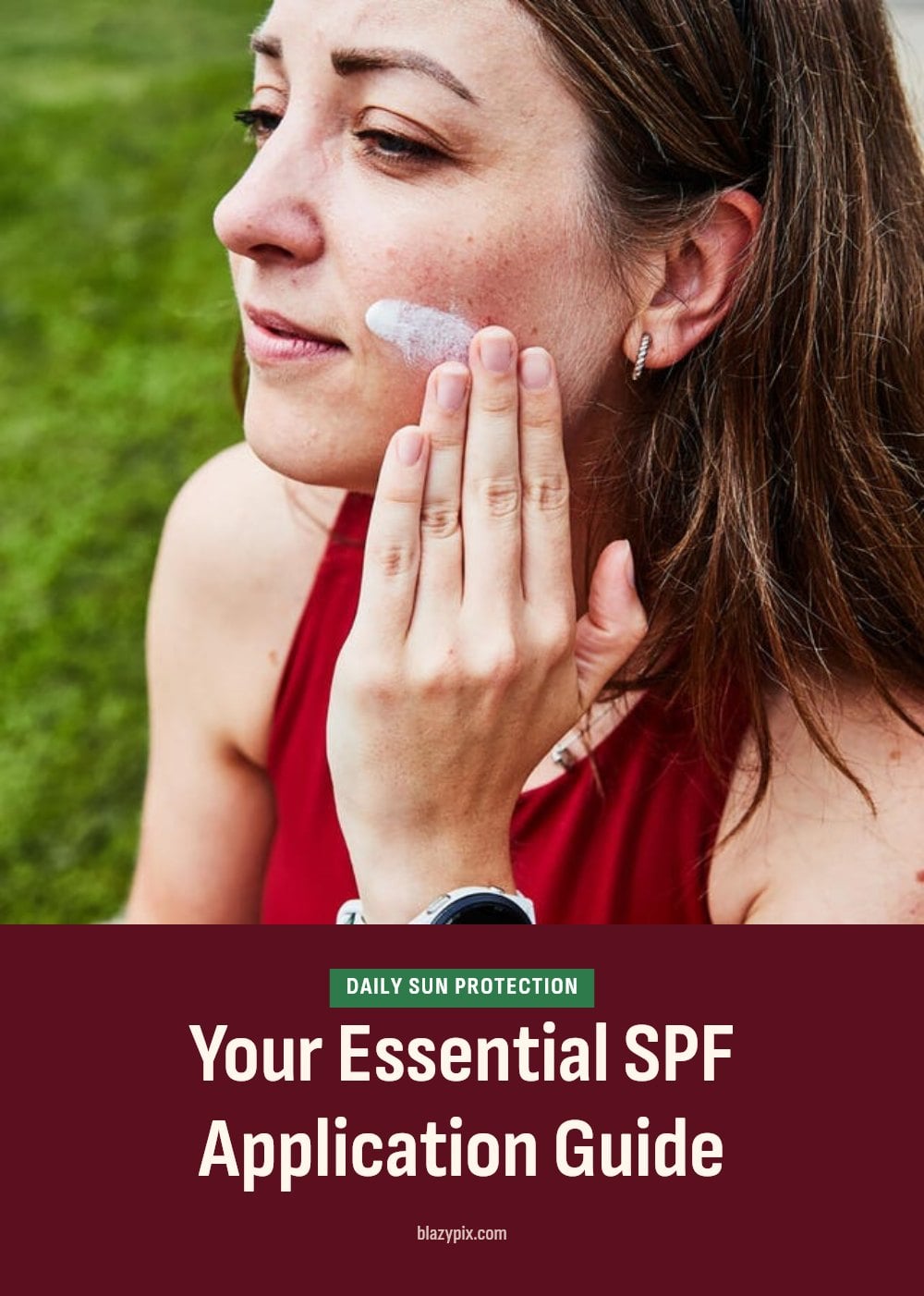
- Apply a nickel-sized dollop to your face and a full shot glass (one ounce) to your body for adequate coverage.
- Sunscreen needs 15 to 30 minutes to bond with your skin, so apply it before you head outside.
- Reapply every two hours, or right after swimming or heavy sweating, even if the label says water-resistant.
- No sunscreen blocks 100% of UV rays, so pair it with shade, hats, and protective clothing for best protection.
What Exactly Is SPF and Why Does It Matter?
SPF stands for Sun Protection Factor, and it measures how well a sunscreen shields your skin from UVB rays, the kind that cause sunburn and contribute to skin cancer. The higher the SPF number, the more UVB rays it blocks, but no sunscreen blocks 100% of them. Daily use matters, not just for beach days, because UV exposure adds up over time and raises your skin cancer risk.
Understanding SPF Numbers: What They Really Mean
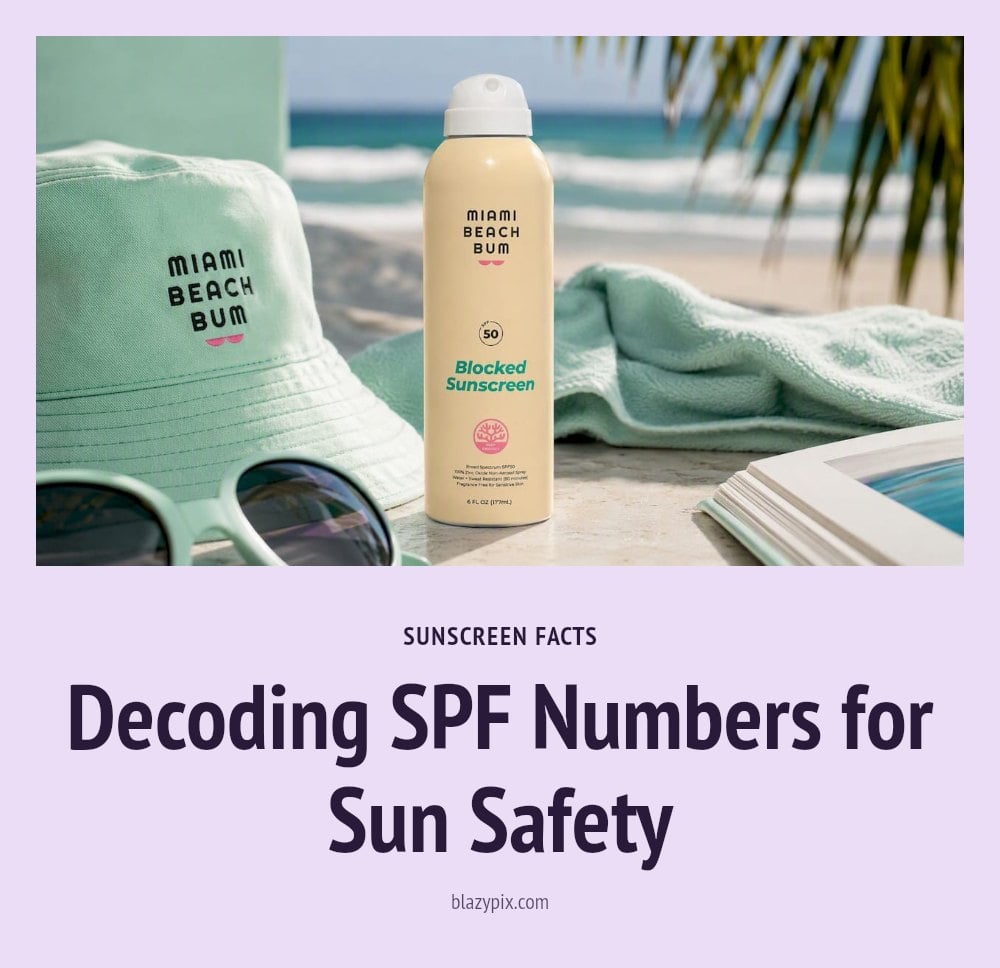
SPF numbers tell you how much UVB protection you’re getting. UVB rays cause sunburn and contribute to skin cancer, while UVA rays contribute to skin aging and skin cancer. A sunscreen labeled ‘broad-spectrum’ protects against both UVA and UVB.
Here’s what the numbers mean for UVB blockage:
- SPF 15: blocks about 93% of UVB rays
- SPF 30: blocks about 97%
- SPF 50: blocks about 98%
No sunscreen blocks 100% of UV rays, so even high SPF isn’t a free pass to stay out all day without reapplying.
Choosing the Right Sunscreen for Your Skin
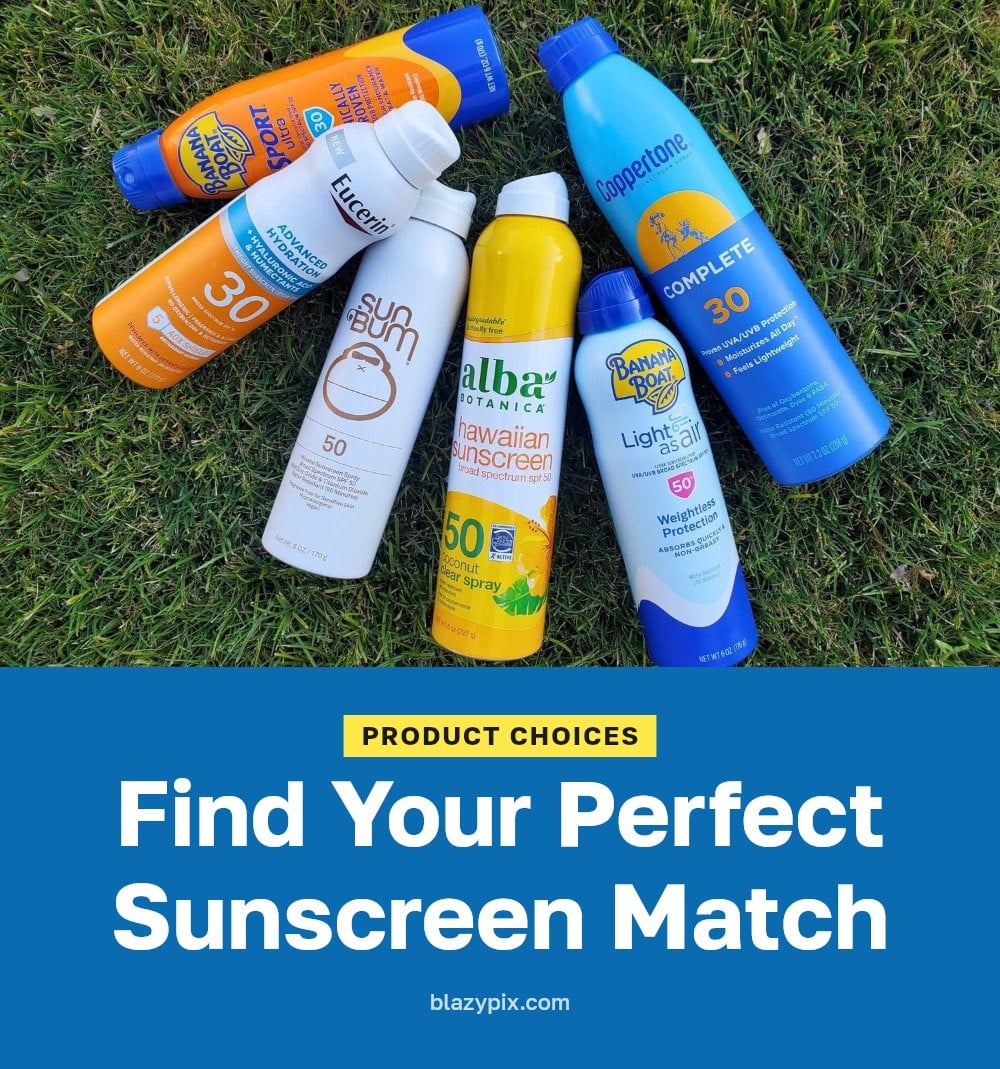
Look for a broad-spectrum sunscreen with an SPF of 30 or higher, as the American Academy of Dermatology recommends. That ensures you’re protected from both UVA and UVB rays.
You’ll also choose between two types:
- Mineral sunscreens: use zinc oxide and titanium dioxide to physically block UV rays.
- Chemical sunscreens: absorb UV radiation and convert it to heat.
If you’ll be swimming or sweating, pick a water-resistant option. It will maintain its SPF for either 40 or 80 minutes in the water, as stated on the label.
How to Apply Sunscreen for Maximum Protection
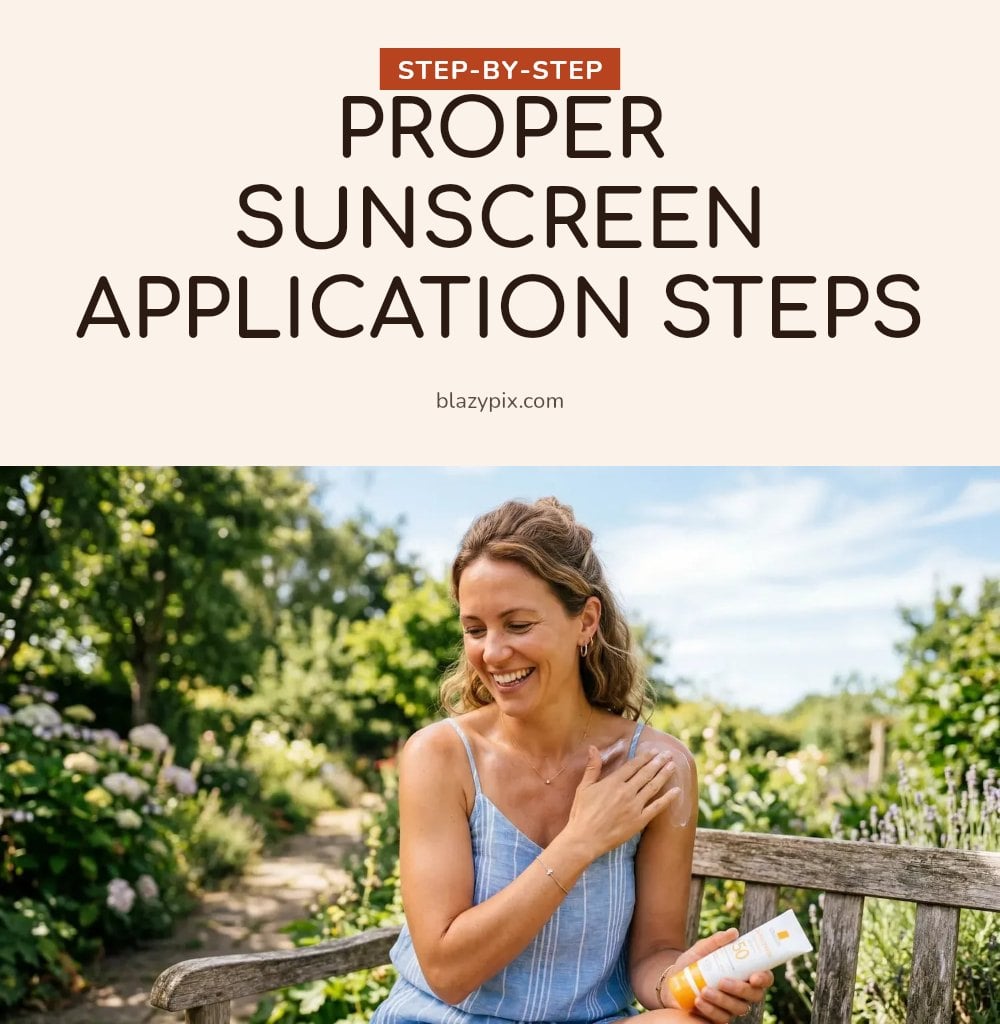
Apply sunscreen generously to all exposed skin. For your body, use about a shot glass full (one ounce). For your face alone, a nickel-sized dollop is enough.
- Apply before you go out: Put it on 15 to 30 minutes before sun exposure so it can form a protective barrier.
- Cover every spot: Don’t forget your ears, neck, hands, and feet. These areas often get skipped and burn quickly.
- Reapply on time: Reapply every two hours, or more often after swimming or sweating. Even water-resistant formulas only last 40 to 80 minutes in the water.
- Check the expiration date: Sunscreen loses effectiveness over time. If it’s expired, toss it and buy a fresh bottle.
Common Sunscreen Mistakes to Avoid
One of the biggest mistakes is not using enough sunscreen. A light layer won’t cut it. You need about a shot glass full for your body and a nickel-sized dollop for your face. Another common error is skipping reapplication. Sunscreen wears off, so reapply every two hours, or right after swimming or sweating.
Easily missed areas like your ears, neck, hands, and feet often get neglected. Make a habit of covering them every time. Don’t assume you only need sunscreen on bright, sunny days. UV rays penetrate clouds and windows, so daily wear matters even when you’re indoors near glass. And while makeup with SPF is better than nothing, it’s usually not enough for full protection. You still need a dedicated sunscreen underneath.
Smart Sun Protection Habits for Everyday

Sunscreen works best when you pair it with other smart habits. Seek shade during peak sun hours, and wear a wide-brimmed hat and UV-blocking clothing for extra coverage. Use sunscreen daily, even on overcast days or when you’re indoors near windows, UV rays don’t take a break.
Caution: For infants under six months old, keep them out of direct sunlight entirely and rely on protective clothing and shade instead of sunscreen. If you ever develop a rash or allergic reaction after applying sunscreen, stop using it and consult a dermatologist for guidance.
When to Consult a Dermatologist
See a dermatologist if you have a persistent rash, severe itching, or any adverse reaction to a sunscreen product. Also make an appointment if you notice new or changing moles, unusual skin growths, or any suspicious spots on your skin. A dermatologist can give personalized advice on sunscreen choices, especially if you have sensitive skin or a specific skin condition. They are also your best resource if you have concerns about sun damage or skin cancer prevention.
Frequently Asked Questions
Does SPF in makeup count for sun protection?
Makeup with SPF can add a layer of protection, but it’s usually not enough on its own. You’d need to apply a very thick, even layer to get the labeled SPF, which most people don’t do. It’s best to use a dedicated sunscreen underneath your makeup for reliable protection.
Can I get enough vitamin D if I wear sunscreen daily?
Yes, most people still get enough vitamin D even with daily sunscreen use, because sunscreen doesn’t block all UV rays. If you’re concerned about your vitamin D levels, talk to your doctor about diet or supplements rather than skipping sun protection.
Does SPF 100 offer double the protection of SPF 50?
No, the difference is small. SPF 50 blocks about 98% of UVB rays while SPF 100 blocks about 99%. No sunscreen blocks 100%, and higher numbers can give a false sense of security, leading to less reapplication. Stick with SPF 30 to 50 and reapply regularly.
How long does an opened bottle of sunscreen last?
Most sunscreens are good for up to three years after opening, but always check the expiration date on the bottle. If the texture, color, or smell changes, or if it separates, toss it. Sunscreen that’s past its prime won’t provide the protection you expect.
What’s the difference between mineral and chemical sunscreens?
Mineral sunscreens use zinc oxide and titanium dioxide to sit on top of your skin and physically block UV rays. Chemical sunscreens use ingredients like avobenzone to absorb UV radiation and convert it into heat. Both can be effective if they are broad-spectrum and SPF 30 or higher.
Final Thoughts
My tip: keep a bottle of your favorite sunscreen in your bag and another by the door so you never skip it. Expect to use about a full shot glass for your body and a nickel-sized amount for your face each time, and plan to reapply every two hours if you’re outdoors. With these simple habits, you can enjoy the sun while taking good care of your skin.
This article provides general information about sun protection and is not a substitute for professional medical advice. If you have a persistent rash, allergic reaction, or concerns about your skin, please consult a dermatologist or healthcare provider for personalized care.