Feminine Hygiene Tips for Freshness and Health
Learn essential feminine hygiene tips for maintaining freshness and preventing discomfort. Discover what to do (and what to avoid) for intimate health.

You might think you need special products to feel fresh, but the truth is your body does most of the work on its own. Your vagina is self-cleaning, and many so-called feminine hygiene products can actually disrupt its natural balance, leading to irritation or infections. This article covers simple, effective habits for gentle vulvar care that support your body’s health without interfering with it.
Key Takeaways
- Wash the vulva daily with warm water; skip internal douching entirely.
- Wear breathable cotton underwear to reduce moisture and yeast risk.
- Change pads or tampons every 4-8 hours to prevent odor and TSS.
- Wipe from front to back after using the toilet to avoid bacterial transfer.
- See a healthcare provider for persistent itching, burning, or strong odor.
What is Feminine Hygiene and Why Does it Matter?
Feminine hygiene is about caring for your vulva and vagina to maintain comfort and health, primarily focusing on external cleaning. The vagina is self-cleaning, so most ‘feminine hygiene’ products can actually disrupt its natural balance and cause issues. Good hygiene helps prevent irritation, odor, and infections, contributing to overall well-being.
1. Wash Your Vulva Gently with Water
Warm water is all you really need for daily vulva care. Gently rinse the external area with your hand, using warm water, every day. Avoid scrubbing with a washcloth or loofah, as this can irritate sensitive skin. The vagina itself is self-cleaning, so no internal washing is needed, your body handles that on its own.
- Use your hand: A gentle hand wash is usually enough to keep the area clean without stripping its natural oils.
- Skip the inside: The vagina’s natural pH balance and beneficial bacteria keep it healthy without any help from you.
2. Consider Mild, Unscented Soap (Optional)
If you prefer, a mild, unscented soap can be used externally on the vulva. Never use scented soaps, body washes, or harsh cleansers, as these can cause irritation and disrupt your natural pH. Rinse thoroughly to ensure no soap residue remains.
3. Wipe from Front to Back

After using the toilet, always wipe from front to back. This means starting near the vagina and moving toward the anus, not the other way around. The reason is straightforward: bacteria from the anal area, like E. coli, can easily travel forward and cause a urinary tract infection (UTI) or vaginal irritation if you wipe back to front.
- Why it works: The urethra (where urine comes out) and the vaginal opening are very close to the anus. Wiping front to back keeps bacteria away from both.
- Make it a habit: This applies every single time you use the toilet, even if you think it doesn’t matter. A quick, conscious motion becomes automatic after a few days.
- Extra care: If you use toilet paper, pat rather than scrub. Scrubbing can irritate the sensitive skin of the vulva.
Good to know: This rule also applies after bowel movements. If you use a bidet or wet wipes, always rinse or wipe from front to back as well. It’s one of the simplest ways to lower your risk of UTIs without any products or extra steps.
4. Choose Breathable Cotton Underwear
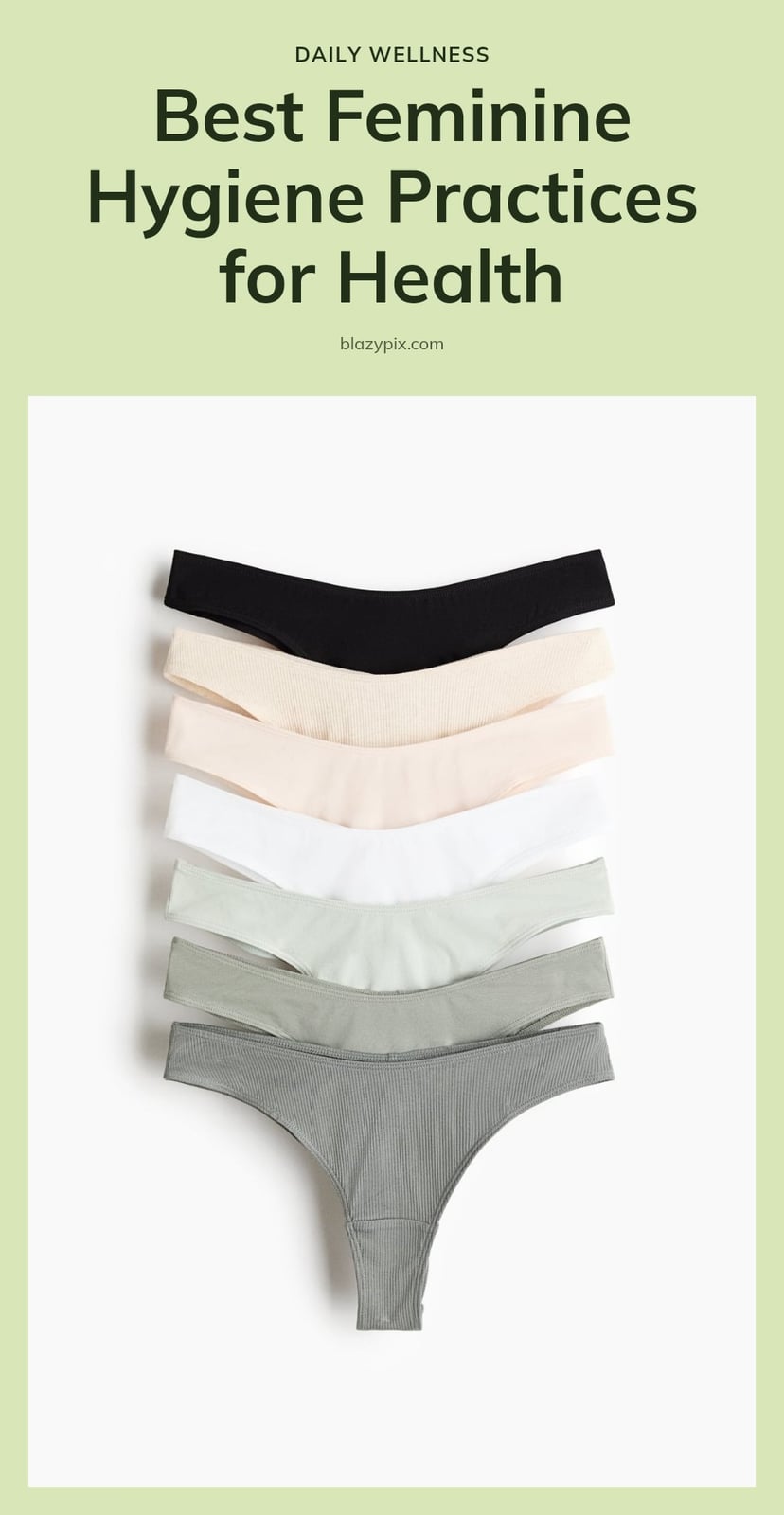
Cotton underwear is your best bet for everyday wear because it lets air circulate freely, keeping the area dry and reducing moisture buildup. Synthetic fabrics like nylon or silk trap heat and moisture close to your skin, which can encourage yeast and bacteria growth.
Tip: Look for underwear with a cotton gusset (the crotch panel) even if the rest of the fabric is synthetic. That one swap can make a real difference in comfort and breathability.
5. Change Menstrual Products Regularly
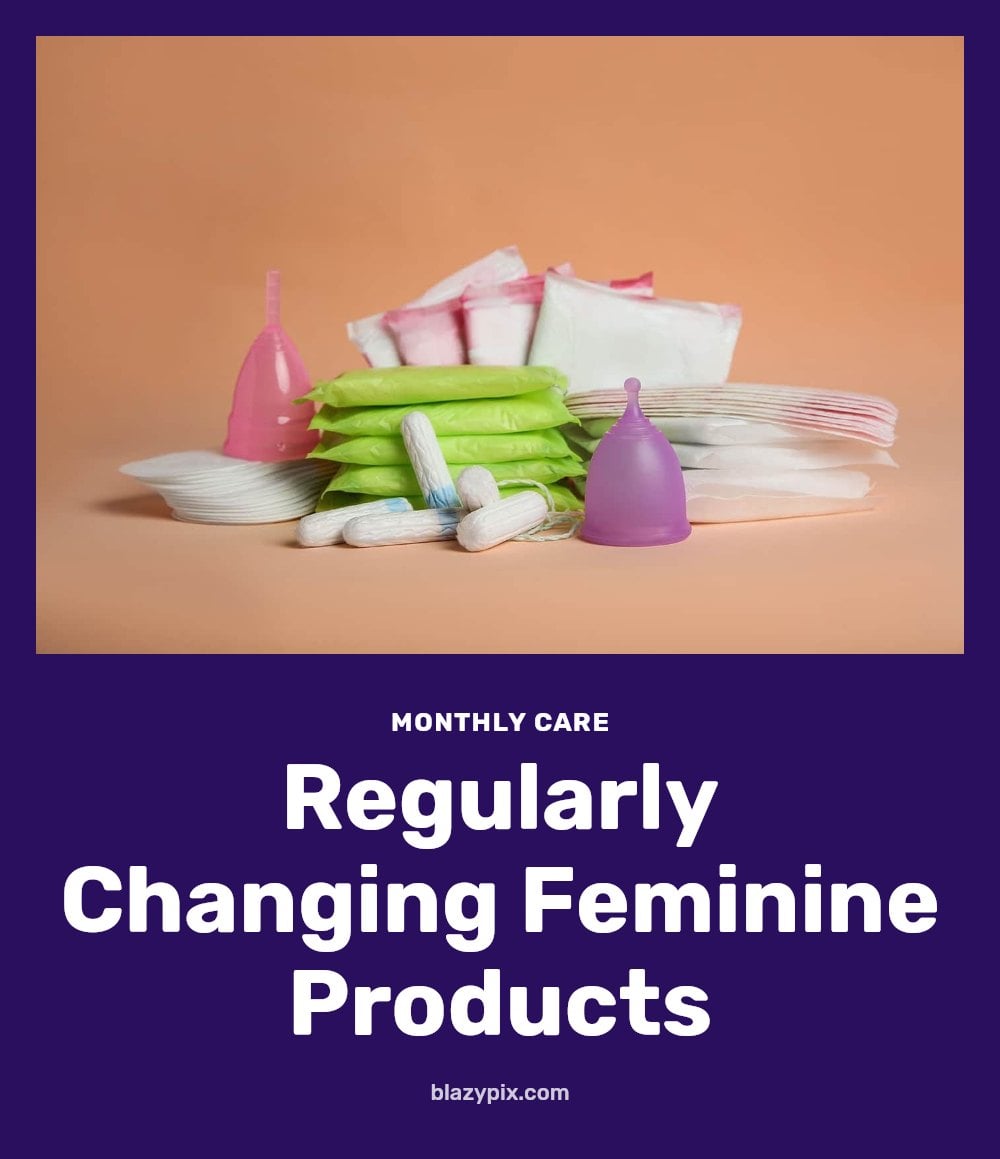
Pads and tampons need to be changed every 4-8 hours, or more often during heavy flow, to keep things fresh and prevent odor. Leaving a tampon in too long raises the risk of Toxic Shock Syndrome (TSS), a rare but serious condition. Tip: set a reminder on your phone if you tend to lose track of time, especially on lighter days.
For menstrual cups, empty and rinse them every 8-12 hours, following the manufacturer’s instructions. Wash the cup with mild, unscented soap between cycles and boil it as directed to keep it clean. Caution: never leave any menstrual product in longer than recommended, and always wash your hands before and after changing them.
6. Avoid Douching and Internal Washes
The vagina is self-cleaning, so douching and internal washes do more harm than good. These products disrupt your natural pH balance (which is normally acidic, between 3.8 and 4.5) and wash away beneficial bacteria that protect you. This disruption can lead to irritation, bacterial vaginosis, yeast infections, and even more serious conditions like pelvic inflammatory disease.
- My tip: Trust your body’s natural processes. They are designed to keep you healthy without any help from internal cleansers.
- Good to know: If you feel you need a wash, stick to the external vulva with warm water only. That is all your body requires.
7. Change Out of Wet or Sweaty Clothes Promptly
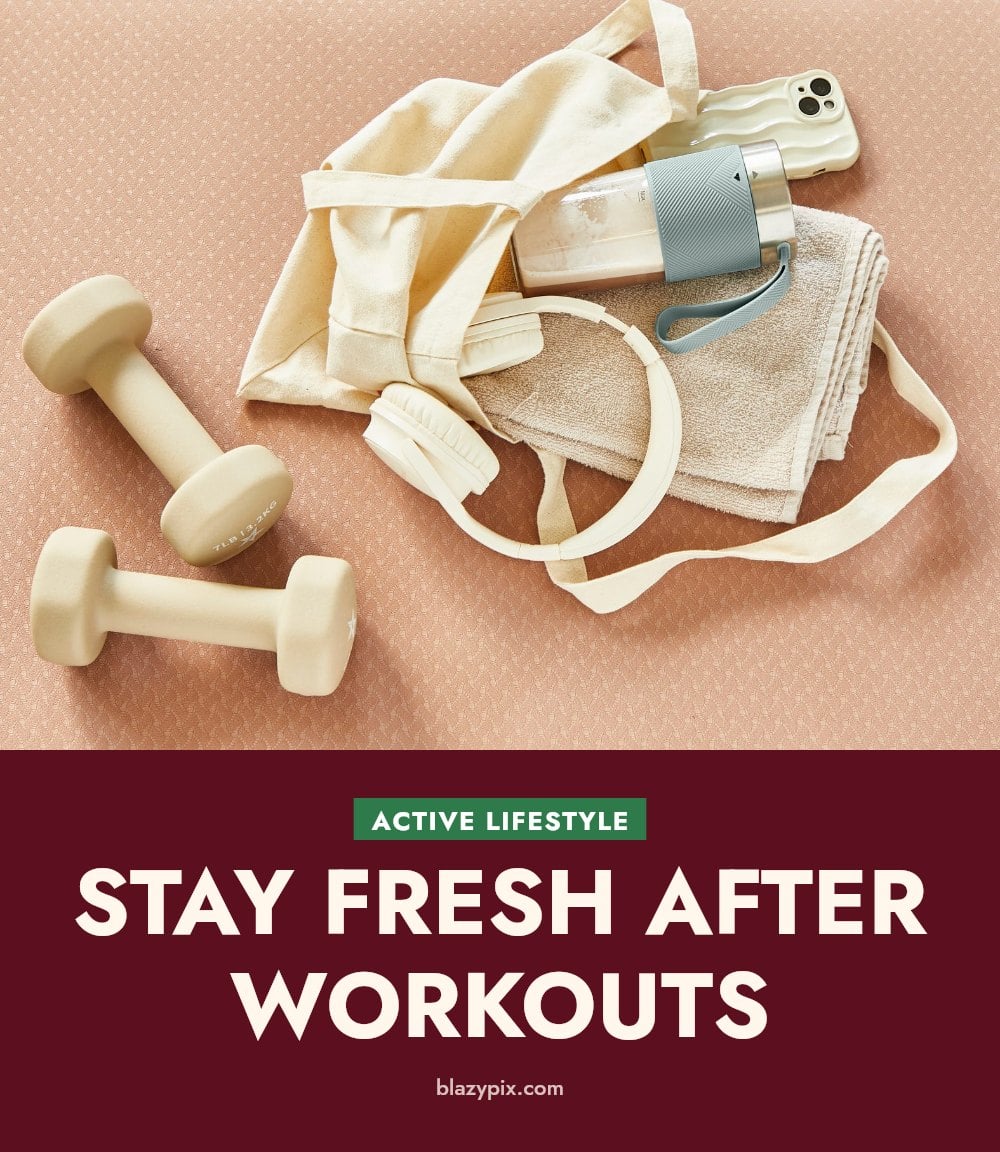
After swimming or a workout, get out of wet swimsuits or sweaty gym clothes as soon as you can. The longer moisture sits against your skin, the warmer and damper the environment becomes, which encourages yeast and bacteria to grow.
Pack a dry change of clothes in your gym bag or keep a spare pair of underwear in your car. Even a quick rinse and a towel dry helps if you can’t change immediately.
8. Understand Normal Vaginal Odor
A natural scent is completely normal and actually a sign your body is working as it should. That smell can shift throughout your menstrual cycle, so don’t be alarmed if it’s not always identical. Your body has its own unique scent, and that’s okay.
What matters is distinguishing normal odor from something concerning. A strong, foul, or fishy smell that persists could indicate an issue, especially if it comes with itching, burning, or unusual discharge.
- Normal: mild, varies with your cycle, barely noticeable to you.
- Concerning: strong, foul, fishy, or persistent.
If you’re unsure, trust your instincts and check with a healthcare provider.
9. Limit Tight-Fitting Clothing
Tight jeans and leggings are fine for a night out, but wearing them every day can restrict airflow to your vulvar area. Less air means more moisture and heat, creating the damp environment yeast and bacteria love. Tip: Save the skinny jeans for special occasions and reach for looser pants, skirts, or cotton joggers for your daily routine. Your skin needs room to breathe.
10. Be Mindful of Scented Products
Scented pads, tampons, feminine sprays, powders, and perfumed soaps may smell nice, but they often contain chemicals that can trigger allergic reactions, irritation, or contact dermatitis. These additives can also disrupt your natural pH balance, which is normally acidic (between 3.8 and 4.5), and upset the beneficial bacteria that keep you healthy. My tip: stick with unscented menstrual products and skip the sprays and powders entirely. If you’re worried about odor, check in with your body first, address the root cause (like changing products more often or seeing a healthcare provider) rather than masking it with fragrances.
11. Stay Hydrated and Eat a Balanced Diet
Stay hydrated: Drinking enough water throughout the day supports your body’s mucous membranes, including those in your vaginal area, helping them stay healthy and resilient. Aim for 6-8 glasses of water daily as a general guideline.
Eat for balance: A diet rich in fruits, vegetables, and probiotics, like yogurt with live cultures, can support a healthy gut microbiome. Since your gut and vaginal microbiomes are connected, what you eat matters for intimate health too.
- Include fermented foods like kefir, kimchi, or sauerkraut for natural probiotics
- Limit processed sugars, which can feed yeast and disrupt balance
When to Talk to a Healthcare Provider
Some symptoms are worth a call to your healthcare provider, and it’s better to check early than to wait. Persistent itching, burning, or discomfort in the vulvar area that doesn’t settle with gentle care should be evaluated.
See a provider if you notice a strong, foul, or fishy odor that doesn’t go away, or if your discharge changes in color, consistency, or amount. Pain during intercourse or urination also warrants a visit.
If you suspect a yeast infection, bacterial vaginosis, or any other infection, don’t self-treat for long. A professional can confirm what’s going on and recommend the right approach for you.
Frequently Asked Questions
Is it normal to have some vaginal odor?
Yes, a natural scent is completely normal and can vary throughout your menstrual cycle. It’s a sign your body is working as it should. However, a persistent, strong foul odor could indicate an infection, so see a healthcare provider if that happens.
Can I use wipes for feminine hygiene?
Many wipes contain fragrances or preservatives that can irritate sensitive skin and disrupt your natural pH. If you feel the need to freshen up, plain water on a soft cloth is a safer option. If you do use wipes, choose unscented, alcohol-free ones designed for sensitive skin.
How often should I change my underwear?
Change your underwear daily, and more often if it becomes damp or sweaty. Cotton underwear is best because it allows air to circulate, keeping the area dry. Wearing the same pair for too long can trap moisture and encourage yeast or bacterial growth.
What is the best way to clean my intimate area during my period?
Stick to the same gentle routine: wash the vulva with warm water daily. Change pads, tampons, or menstrual cups every 4-8 hours, or more often if your flow is heavy. Avoid scented menstrual products, as the added fragrances can cause irritation.
Can certain foods affect vaginal health?
Yes, what you eat can play a role. A balanced diet with plenty of fruits, vegetables, and whole grains supports overall health, including your mucous membranes. Staying hydrated by drinking 6-8 glasses of water a day also helps keep tissues healthy and resilient.
Final Thoughts
Stick with the basics: warm water for external cleaning, cotton underwear, and regular changes of menstrual products. That’s really all most people need for everyday freshness. If you notice itching, burning, or a strong odor that doesn’t go away, don’t hesitate to check in with your doctor. Your body knows what it’s doing, and a little simple care goes a long way.
This article is for general informational purposes only and does not constitute medical advice. Always consult a healthcare provider for any persistent or concerning symptoms related to your intimate health. Do not ignore professional medical advice or delay seeking it based on something you read here.