Leg Workout at Home: 20-Minute Routine for Toned Legs
Get strong, toned legs with this effective 20-minute at-home leg workout. Learn proper form for squats, lunges, and more, no equipment needed.

You want stronger, more toned legs, but you don’t have time for the gym or fancy equipment. I’ve found that a focused 20-minute routine using just your bodyweight can work wonders. This article breaks down a simple, effective leg workout you can do at home, covering the key moves, proper form, and how to schedule it for real results.
Key Takeaways
- Perform a 5-10 minute warm-up and cool-down with every leg workout.
- Focus on proper form over speed or repetitions to prevent injury.
- Aim for 2-3 leg workouts per week, with rest days in between.
- Include compound exercises like squats and lunges to target multiple muscles.
- Listen to your body and modify or stop any exercise that causes pain.
Your 20-Minute At-Home Leg Workout for Toned Legs
A 20-minute at-home leg workout can effectively strengthen and tone your quadriceps, hamstrings, glutes, and calves using only bodyweight exercises. Focus on compound movements like squats and lunges, ensuring proper form to maximize muscle engagement and prevent injury. Consistency is key, aiming for 2-3 sessions per week with adequate rest to see noticeable results.
1. Warm-Up: Leg Swings
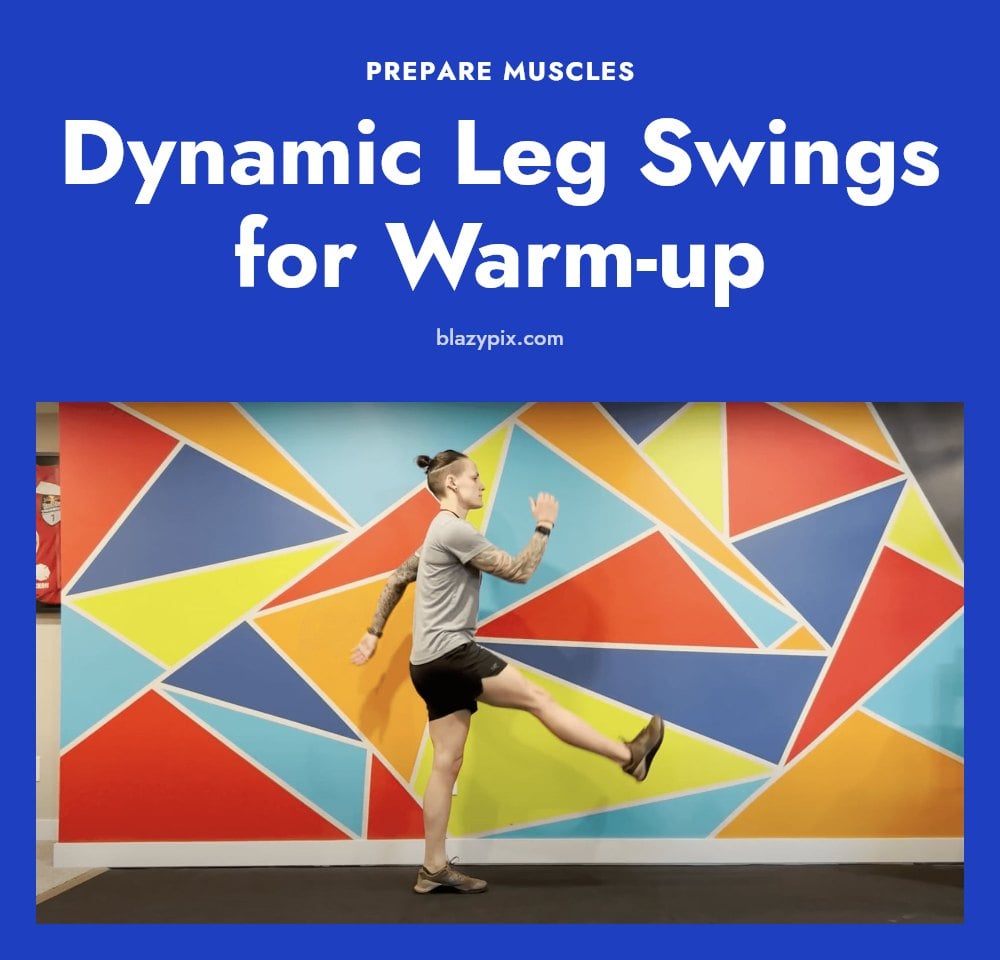
Stand tall, holding onto a wall or chair for balance if needed. Swing one leg forward and backward in a controlled motion, gradually increasing the height. Perform 10-15 swings per leg to prepare your hips and hamstrings for movement.
- Sets and reps: 1 set of 10-15 swings per leg
- Form cue: Keep your torso upright and your supporting leg slightly bent
- Make it easier or harder: Reduce the range of motion if tight; increase height as you warm up
2. Bodyweight Squats
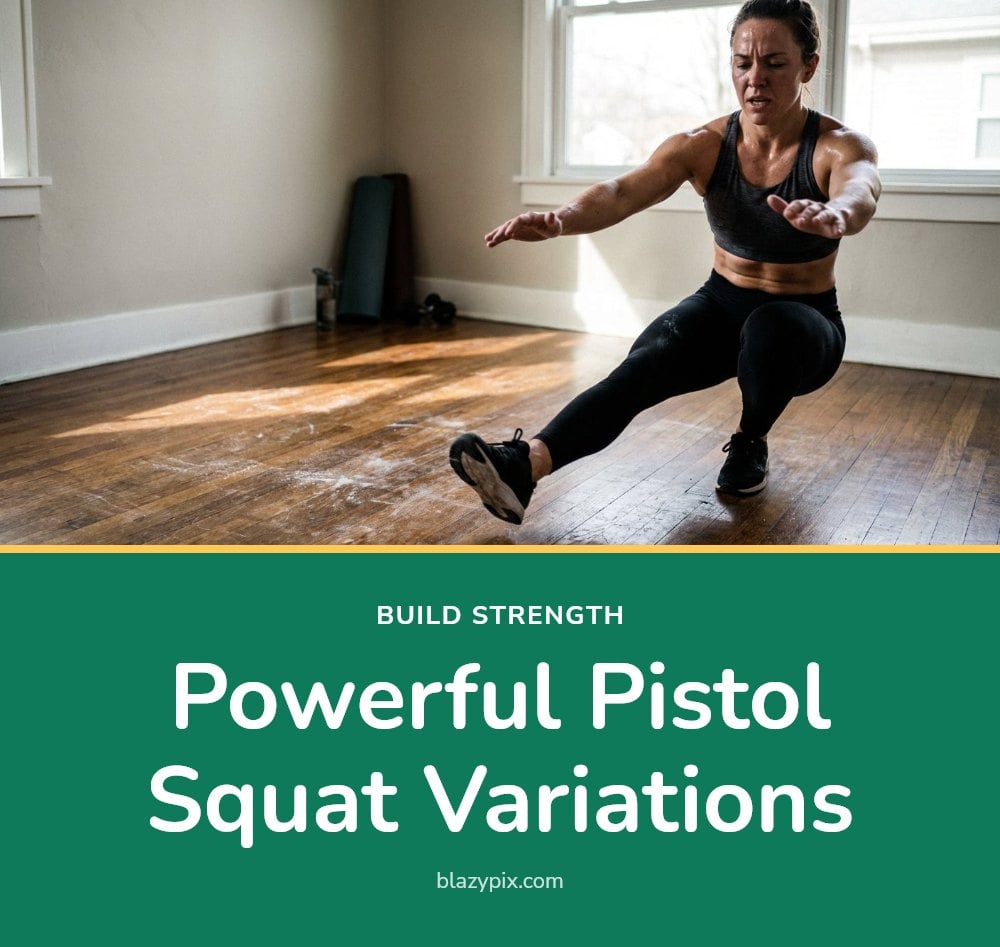
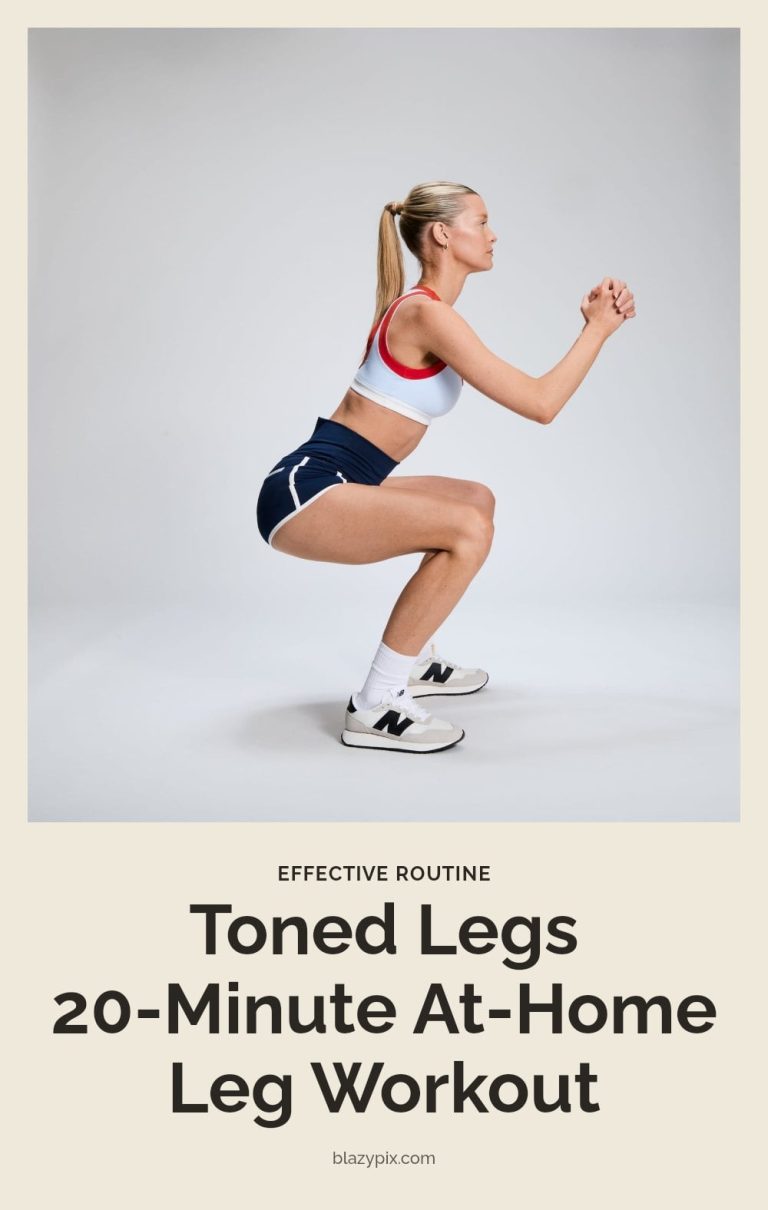
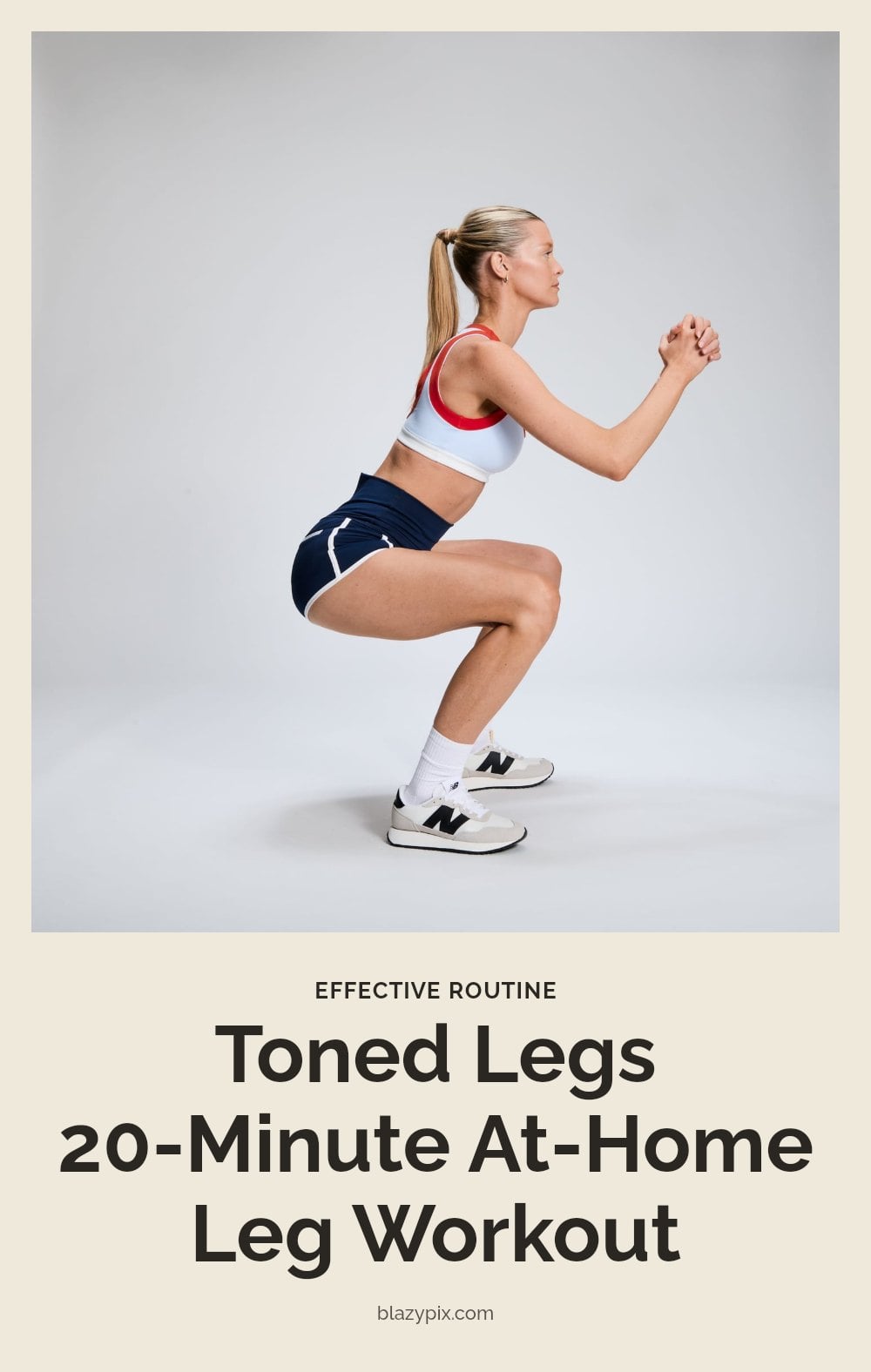
Stand with feet shoulder-width apart, toes slightly out. Lower your hips as if sitting in a chair, keeping your chest up and back straight. Ensure your knees track over your toes, not collapsing inward. Go as deep as comfortable while maintaining good form.
- Sets and reps: 3 sets of 10-15 repetitions
- Form cue: Push through your heels as you stand up
- Make it easier or harder: Hold onto a wall for balance; add a resistance band above your knees for extra work
3. Walking Lunges
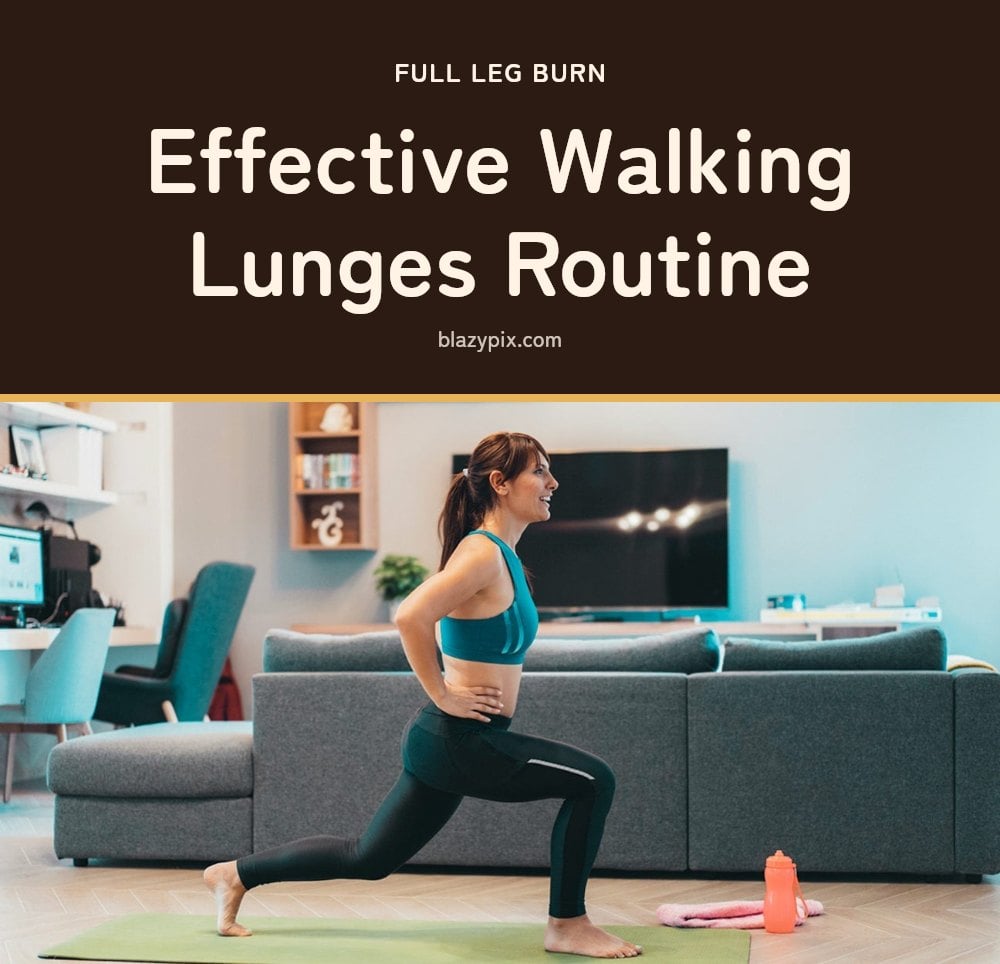
Step forward with one leg, lowering your hips until both knees are bent at approximately a 90-degree angle. Your back knee should hover just above the floor. Push off your back foot to bring it forward, stepping into the next lunge with the opposite leg.
- Sets and reps: 3 sets of 10-12 lunges per leg (20-24 total steps)
- Form cue: Keep your torso upright and core engaged
- Make it easier or harder: Take shorter steps for balance; hold a dumbbell in each hand for added resistance
4. Glute Bridges
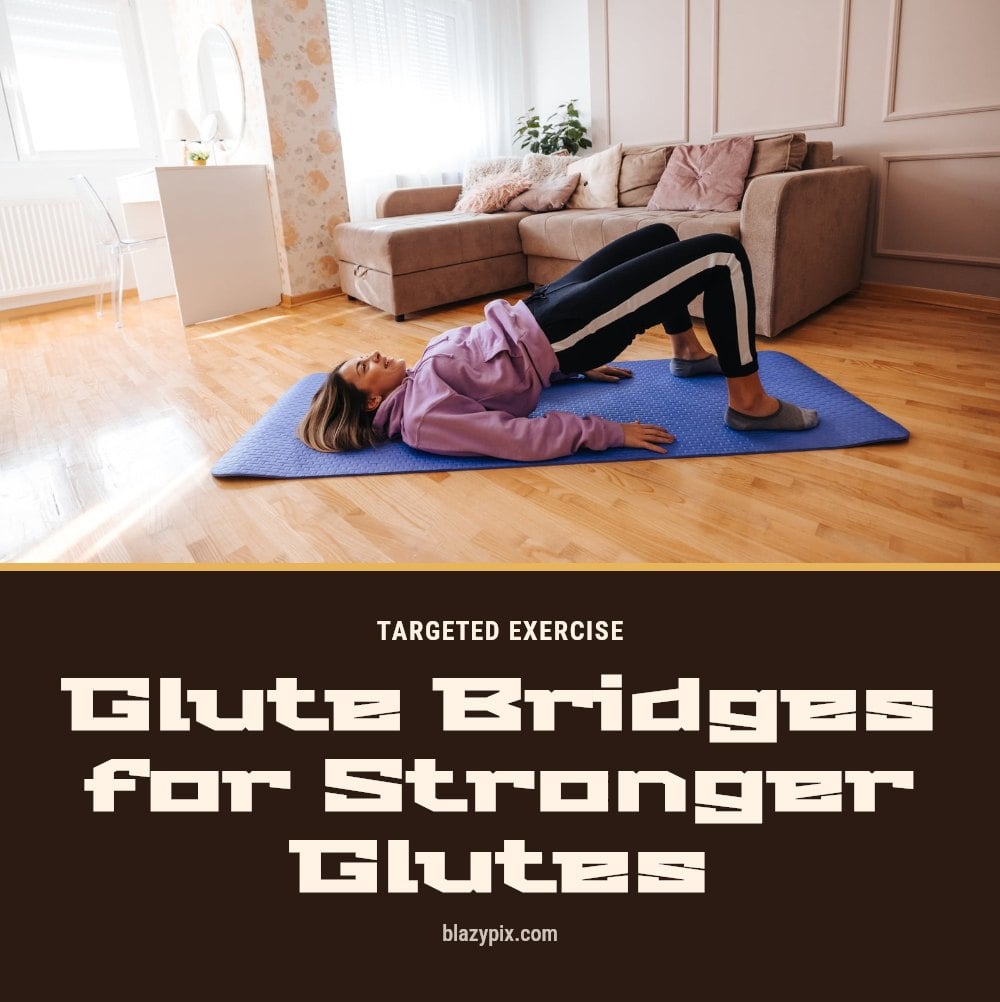
Lie on your back with knees bent, feet flat on the floor hip-width apart and close to your glutes. Rest your arms at your sides. Engage your glutes and lift your hips off the floor until your body forms a straight line from shoulders to knees. Squeeze your glutes at the top, then slowly lower back down.
- Sets and reps: 3 sets of 12-15 repetitions.
- Form cue: Keep your core tight and avoid arching your lower back too much at the top.
- Make it easier or harder: For more challenge, hold a weight across your hips or perform single-leg glute bridges.
5. Calf Raises
Stand tall with your feet hip-width apart. You can hold onto a wall or a sturdy chair for balance if needed. Slowly raise up onto the balls of your feet, lifting your heels as high as possible. Hold briefly at the top, then lower your heels back down with control.
- Sets and reps: 3 sets of 15-20 repetitions.
- Form cue: Focus on the stretch in your calves as you lower your heels.
- Make it easier or harder: For added difficulty, hold a dumbbell in one hand or perform the raises on a step for a deeper stretch.
6. Cool-Down: Hamstring Stretch
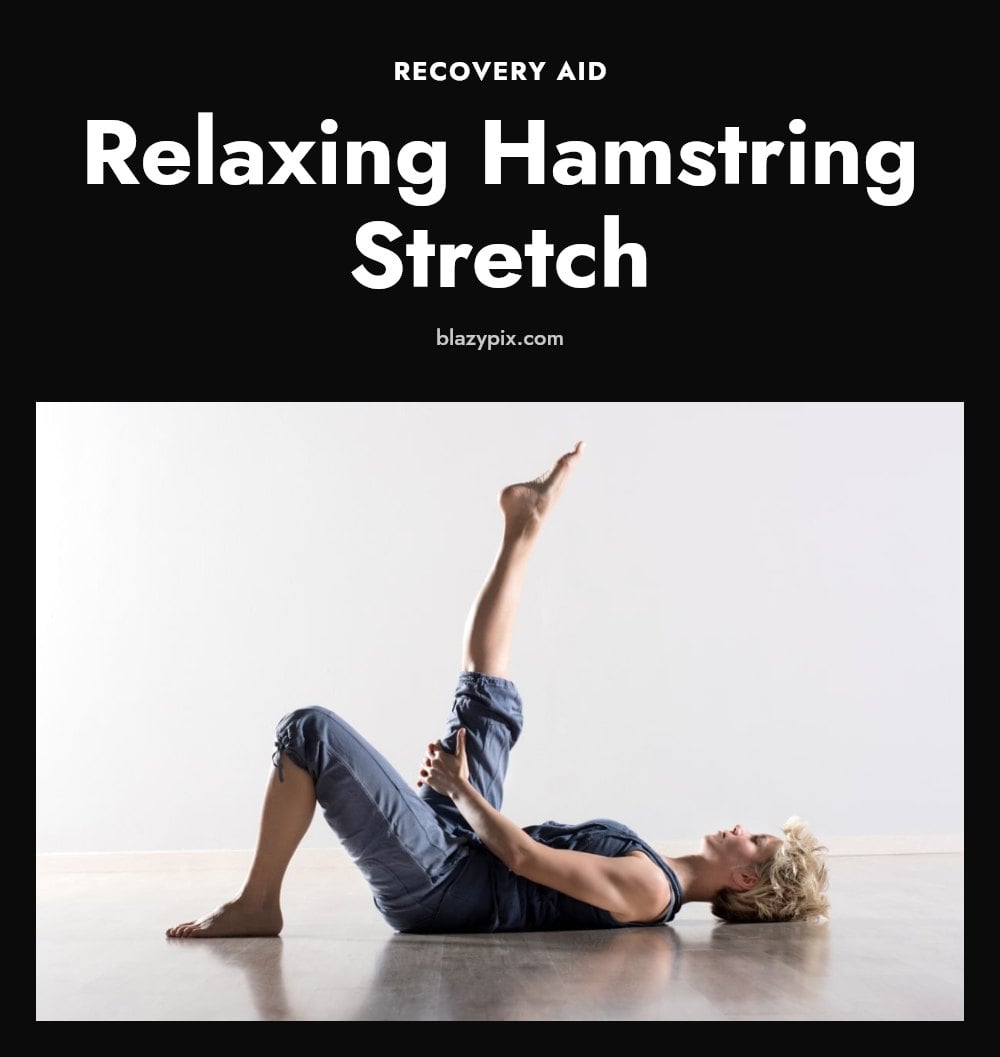
Sit on the floor with one leg extended straight out and the other bent, with your foot resting against your inner thigh. Gently lean forward from your hips, reaching toward your extended foot until you feel a stretch in your hamstring. Hold for 20-30 seconds, then switch legs.
- Time: 20-30 seconds per leg.
- Form cue: Keep your back straight and avoid rounding your shoulders as you lean forward.
- Make it easier or harder: For a gentler stretch, bend your extended knee slightly. To deepen, use a towel around your foot to gently pull yourself forward.
What You Need for Your At-Home Leg Workout

You don’t need much to get started with this leg workout at home. Here’s what you’ll want to have on hand:
- Comfortable athletic clothing: Allows for full range of motion during squats, lunges, and stretches.
- Supportive athletic shoes: Provide stability and cushioning, especially for standing exercises.
- A yoga mat or exercise mat: Offers cushioning and stability for floor exercises like glute bridges and stretches.
- Resistance bands (optional): Can increase exercise intensity when added to squats, lunges, or glute bridges.
Weekly Leg Workout Schedule for Consistency
Aim for 2-3 leg workouts per week, with at least one rest day between sessions. This allows your muscles time to recover and rebuild, which is essential for strength gains and injury prevention. Here is a simple weekly schedule to help you stay consistent without overtraining.
| Day | Activity | Notes |
|---|---|---|
| Monday | Leg workout (20 min) | Follow the routine above |
| Tuesday | Rest or light cardio | Walking, stretching, or yoga |
| Wednesday | Leg workout (20 min) | Focus on form |
| Thursday | Rest or active recovery | Gentle movement, foam rolling |
| Friday | Leg workout (20 min) | Add resistance bands if desired |
| Saturday | Rest or full-body activity | Swimming, cycling, or hiking |
| Sunday | Complete rest | Let your body fully recover |
Tip: If you feel sore or fatigued, take an extra rest day. Consistency matters more than intensity. Over several weeks, you will notice improved strength and muscle tone.
Frequently Asked Questions
Can I build muscle with just bodyweight exercises?
Yes, you can build significant strength and muscle tone using bodyweight exercises. The key is to focus on proper form, controlled movements, and gradually increasing the number of repetitions or sets over time. For continued progress, you can also add resistance bands to increase the challenge.
What if I don’t feel a burn in my legs?
Not feeling a burn doesn’t necessarily mean you aren’t working your muscles. Focus on squeezing the target muscle at the top of each movement and using a full range of motion. If you still don’t feel it, try slowing down the exercise or adding more repetitions to increase the intensity.
How long until I see results from leg workouts?
Results depend on your consistency, effort, and diet. With regular workouts 2-3 times a week, many people begin to notice improved muscle tone and strength within 4 to 8 weeks. Be patient and focus on gradual progress rather than quick changes.
What are the best leg exercises to do at home?
Compound bodyweight exercises are highly effective for a full leg workout at home. Squats, lunges, glute bridges, and calf raises target all the major leg muscles: quadriceps, hamstrings, glutes, and calves. Including a variety of these moves ensures balanced development.
Final Thoughts
For the best results, stick with this routine 2-3 times a week and be patient. You can expect to see noticeable improvements in strength and muscle tone after several weeks of consistent effort. The key is to keep showing up and focusing on controlled, quality movements.
This article provides general fitness information and is not a substitute for professional advice. Consult a healthcare professional before starting any new exercise program, especially if you have pre-existing health conditions or injuries. Stop immediately if you experience sharp pain or discomfort.