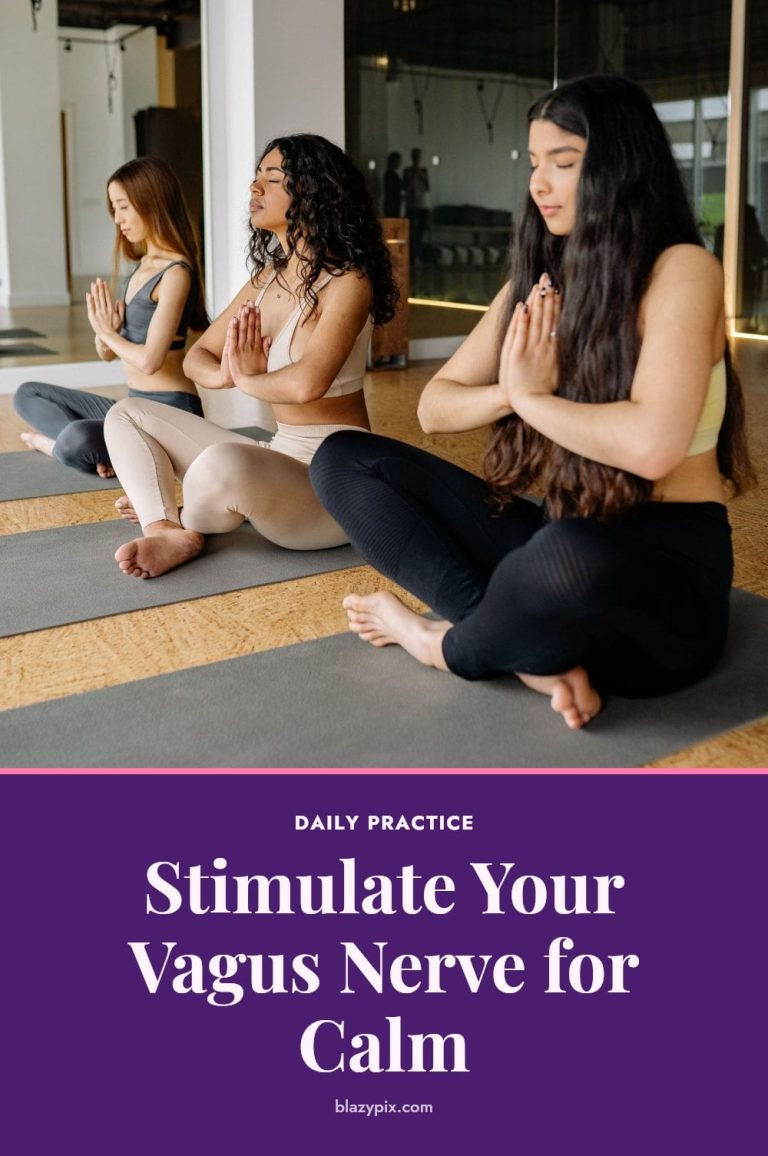
How to Stimulate Your Vagus Nerve for Calm and Well-Being
Learn easy, actionable techniques to stimulate your vagus nerve and boost your 'rest and digest' system for reduced stress and improved well-being.

Feeling stressed or on edge is something we all deal with, and your vagus nerve plays a big part in how your body handles it. This long nerve helps switch on your ‘rest and digest’ mode, which can bring a sense of calm. In this article, I’ll walk you through simple, at-home techniques to stimulate it, plus what to keep in mind for safety.
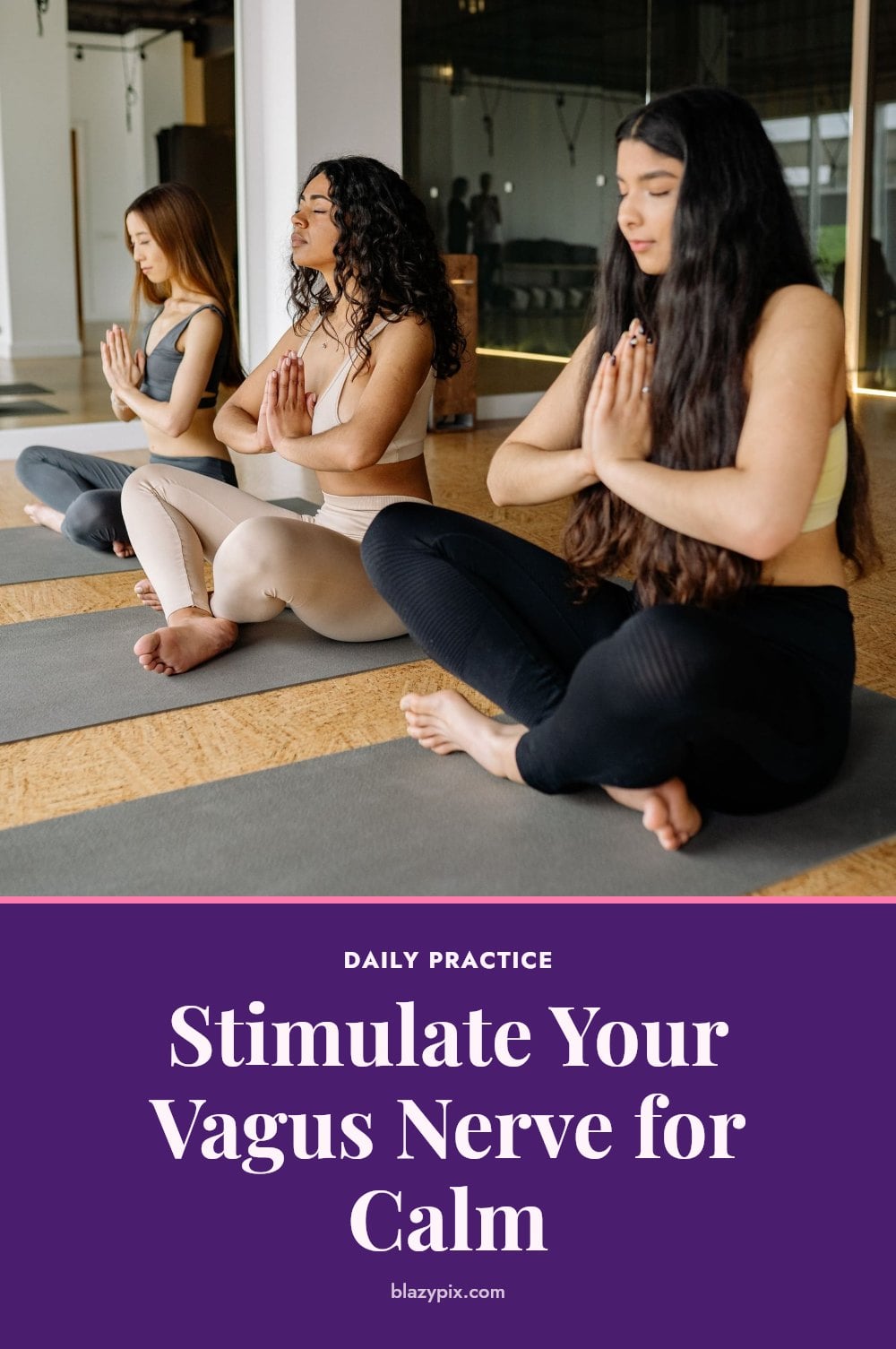
Key Takeaways
- Practice slow, deep belly breathing at 5-6 breaths per minute daily.
- Try ending your shower with 30 seconds of cold water.
- Hum, sing, or gargle to activate throat muscles.
- Get 20-30 minutes of moderate exercise most days.
- Consistency for weeks to months is key; results are gradual.
What is the Vagus Nerve and Why Does It Matter?
The vagus nerve is the longest cranial nerve in your body, running from your brainstem down through your neck and chest to your abdomen. It’s a key player in the parasympathetic nervous system, often called the ‘rest and digest’ system, which helps your body calm down after stress. When you stimulate it, you may help regulate your heart rate, digestion, and mood, promoting a sense of calm and reducing stress.
Easy Ways to Activate Your Vagus Nerve Daily
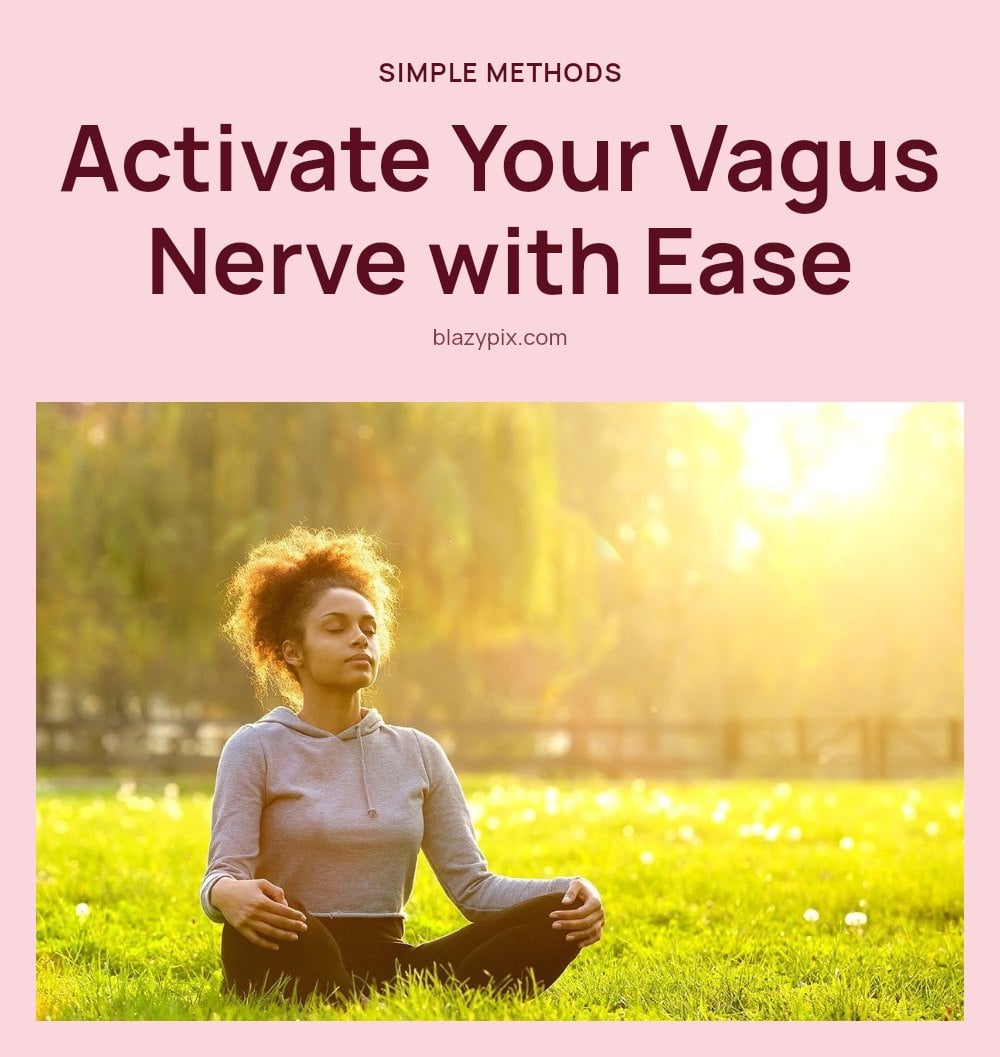
Easy Ways to Activate Your Vagus Nerve Daily
You don’t need special equipment to support your vagus nerve. Simple daily habits can make a difference over time. Here are four methods to try.
- Practice slow, deep diaphragmatic breathing: Sit or lie down comfortably. Place one hand on your belly and breathe in slowly through your nose, letting your belly rise. Aim for 5-6 breaths per minute, exhaling even more slowly than you inhale. This stimulates baroreceptors in your chest, which can activate the vagus nerve.
- Try short bursts of cold exposure: End your shower with 30 seconds of cold water, or splash cold water on your face a few times a day. The cold can stimulate the vagus nerve. Caution: If you have heart conditions or are pregnant, consult your doctor before trying cold exposure.
- Engage your vocal cords: Humming, singing, or gargling water for a few minutes can activate the vagus nerve because the throat muscles involved are connected to it. My tip: hum your favorite tune while doing dishes or commuting.
- Practice mindfulness, meditation, or yoga: These practices help shift your nervous system toward a calm state. Even 5-10 minutes a day of focused breathing or gentle yoga poses can support vagal tone over time. For additional benefit, aim for 20-30 minutes of moderate exercise, like brisk walking or cycling, most days of the week.
Consistency matters more than intensity. Pick one or two methods and do them daily for several weeks to notice gradual changes.
The Connection Between Your Gut, Heart, and Vagus Nerve
The Connection Between Your Gut, Heart, and Vagus Nerve
The vagus nerve is a direct communication pathway between your brain and your gut. This is why stress often shows up as digestive discomfort, and why a calm mind can help your stomach settle. The nerve also influences heart rate variability (HRV), a measure of how well your heart responds to stress and recovery. Higher HRV is linked to better nervous system balance. Higher vagal tone, which reflects the nerve’s activity, is associated with better overall health and resilience to stress. Supporting your vagus nerve through daily habits can positively affect both your gut and heart.
Common Mistakes When Stimulating Your Vagus Nerve
Common Mistakes When Stimulating Your Vagus Nerve
- Expecting immediate results: Vagus nerve stimulation is not a quick fix. It takes consistent daily practice over weeks or months to see noticeable changes. Don’t get discouraged after a few tries.
- Treating it as a cure-all: These techniques are complementary, not a replacement for medical treatment. If you have a chronic condition, always follow your doctor’s advice.
- Ignoring professional guidance: For serious medical issues, consult a healthcare professional before relying on self-stimulation. They can help you integrate these practices safely.
- Overdoing cold exposure: Cold showers are not for everyone. If you have underlying health conditions, start gently and check with your doctor first. Stop if you feel dizzy or uncomfortable.
Boost Your Vagal Tone with Lifestyle Habits

Regular moderate exercise like walking or cycling can positively influence vagal tone over time. Aim for 20-30 minutes most days to support nervous system balance.
Social connections and positive interactions also play a role. A meaningful conversation or a few minutes of genuine laughter can help activate the vagus nerve.
My tip: Gentle neck and shoulder massages may stimulate the nerve as it runs through those areas. Even a quick self-massage for 2-3 minutes can feel calming.
Mindfulness and meditation practices enhance vagal tone gradually. You can start with just 5-10 minutes daily, and over weeks or months, you may notice improved stress resilience.
When to Consult a Healthcare Professional
If you have a heart condition, talk to your doctor before trying cold exposure techniques like cold showers. The same goes for respiratory issues, so check with a professional before practicing intense breathing exercises. These methods are meant to complement medical care, not replace it, especially for chronic conditions.
- Stop immediately if any technique causes dizziness, severe discomfort, or pain.
- Pregnant individuals should consult their doctor before adding new wellness practices.
Your safety comes first, and a quick conversation with your healthcare provider can help you decide which approaches are right for you.
Frequently Asked Questions
What is vagal tone?
Vagal tone refers to the activity level of your vagus nerve. Higher vagal tone is linked to better stress resilience and overall health. You can think of it as a measure of how well your body can calm itself down after a stressful event, and practices like deep breathing and meditation can help improve it over time.
How long does it take to see results from vagus nerve stimulation?
Results are usually gradual. With consistent daily practice, you may start to notice changes in your stress levels or mood over several weeks to a couple of months. Don’t expect a dramatic shift after one session; it’s more about building a habit that supports your nervous system long term.
Can vagus nerve stimulation help with anxiety?
Many people find that techniques like deep breathing, cold exposure, and mindfulness help them feel calmer, which can ease anxiety symptoms. However, these are complementary practices, not a replacement for professional treatment. If you have an anxiety disorder, talk to a mental health provider about the best approach for you.
Are there any risks to stimulating the vagus nerve?
For most people, gentle self-stimulation techniques are safe, but there are precautions. If you have a heart condition, respiratory issues, or are pregnant, consult a doctor before trying cold exposure or intense breathing exercises. Stop any technique that causes dizziness, severe discomfort, or pain. These methods are not a substitute for medical care.
Does diet affect vagus nerve function?
Yes, gut health and vagus nerve function are closely linked. The vagus nerve connects your brain and gut, so a balanced diet that supports your digestive system may indirectly support vagal activity. While no specific diet is proven to directly boost vagal tone, eating well and managing stress can help your overall nervous system balance.
Final Thoughts
Start with one or two techniques that feel doable, like deep breathing or humming, and stick with them daily. Expect gradual changes over several weeks to months, not instant calm. If you have heart or respiratory conditions, or if anything feels uncomfortable, check with your doctor first. These small habits can genuinely support your nervous system over time.
This article is for general informational purposes only and is not a substitute for professional medical advice. Always consult a doctor or qualified healthcare provider before starting new wellness practices, especially if you have underlying health conditions or are pregnant. If you experience persistent or serious symptoms, seek professional care.