Working Out at Home for Beginners: A Simple Weekly Plan
Start working out at home with this simple weekly plan designed for beginners. Learn how to set up your space, choose exercises, and stay consistent.

Starting a workout routine at home can feel overwhelming, especially if you’re new to exercise. But you don’t need a gym membership or fancy equipment to get moving and see real progress. In this article, I’ll walk you through a simple weekly plan, the essential gear you need, and practical tips to stay consistent and safe as you begin your fitness journey.
Key Takeaways
- Aim for 3-5 workout sessions per week, with rest days in between.
- Warm up for 5-10 minutes and cool down after every session.
- Focus on proper form over speed or repetitions to prevent injury.
- Include both aerobic activity and strength training each week.
- Expect noticeable improvements in strength and endurance within 4-6 weeks.
How to Start Working Out at Home
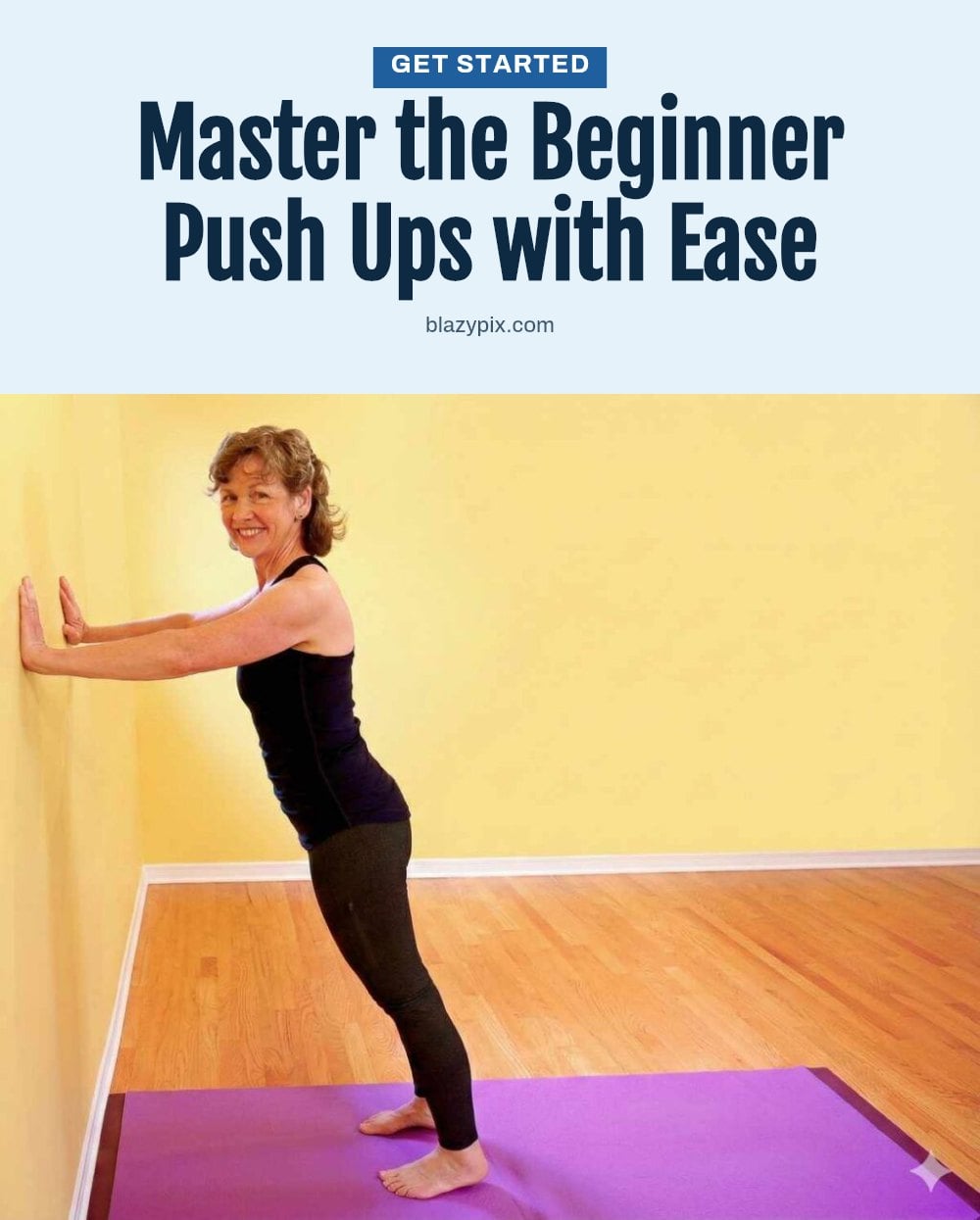
Start your home workout journey by choosing a dedicated, clutter-free spot where you can move freely. Gather just the basics: comfortable clothes, supportive shoes, a mat, and a water bottle. Build a consistent schedule that fits your life, aiming for 3-5 sessions per week. Focus on foundational bodyweight exercises like squats, lunges, and push-ups, and prioritize proper form over speed or reps. Gradually increase intensity as you get stronger. Never skip a 5-10 minute warm-up and cool-down, and include rest days to prevent injury and ensure steady progress.
Essential Equipment for Home Workouts
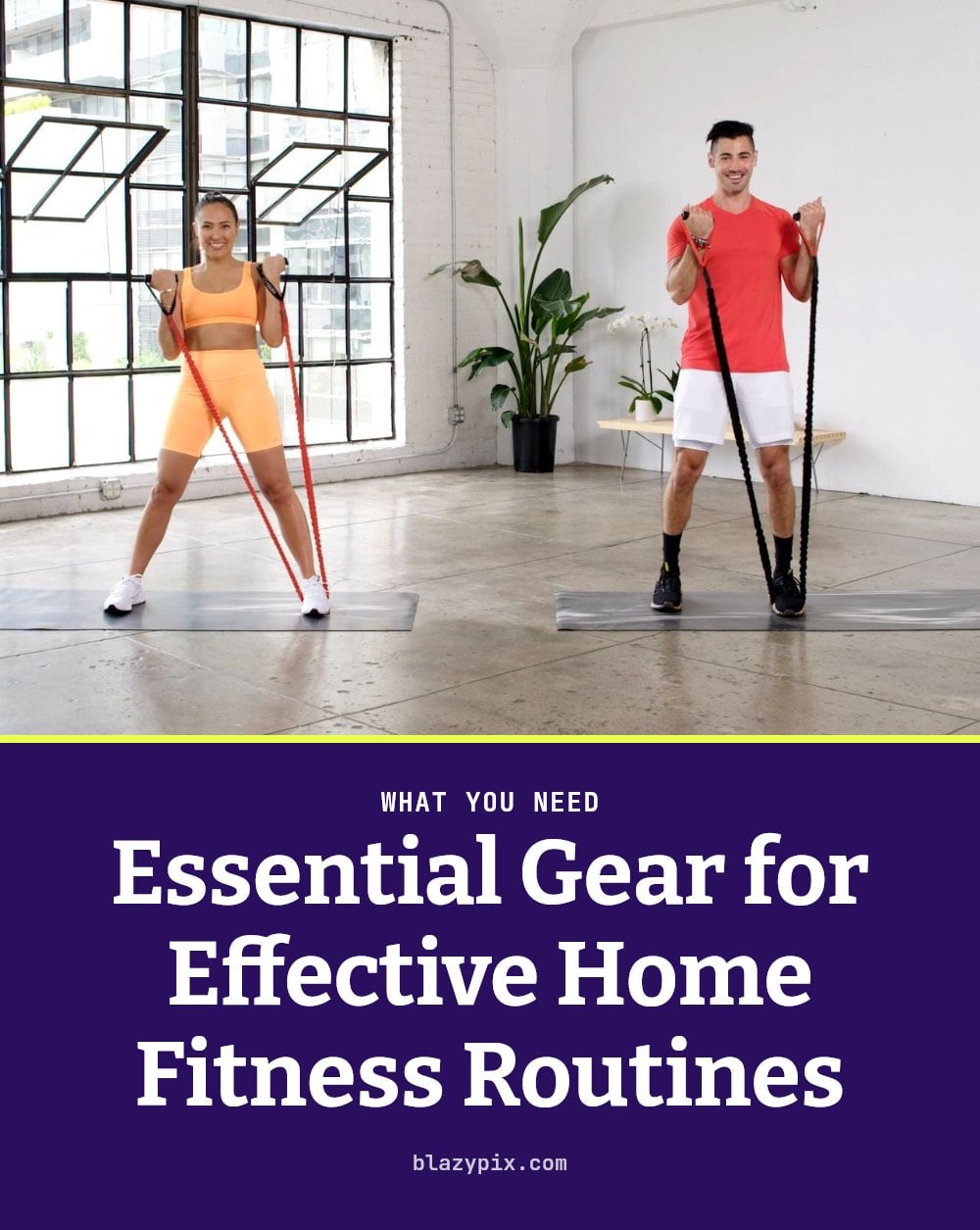
You don’t need a lot of gear to get started, but a few key items make home workouts safer and more effective.
- Comfortable athletic clothing: Choose fabrics that let you bend, stretch, and move without restriction.
- Supportive athletic shoes: Protect your joints and provide stability during standing moves and jumping.
- Yoga or exercise mat: Adds cushioning for floor exercises and prevents slipping.
- Water bottle: Keep it nearby to stay hydrated before, during, and after your session.
- Timer or stopwatch: Use it to track work intervals, rest periods, and total workout time.
- Resistance bands: An inexpensive way to add intensity to bodyweight moves without heavy weights.
- Light dumbbells: Help with progressive overload as you build strength; start with a weight that challenges you for 10-12 reps.
Setting Up Your Home Workout Routine
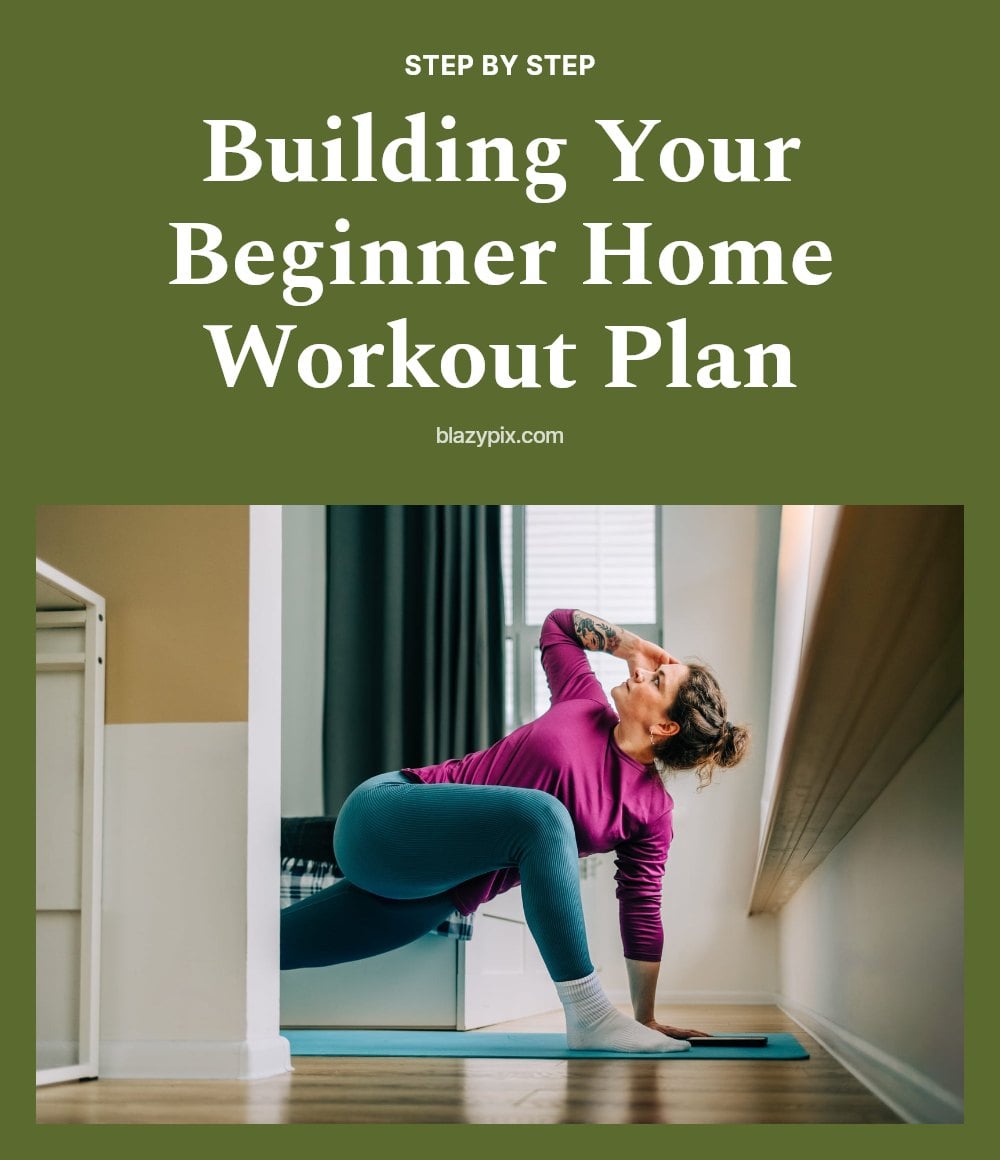
- Consult a healthcare professional: Before you begin, check with your doctor if you have any existing health conditions or concerns. This step is especially important if you have a history of heart disease, diabetes, high blood pressure, or joint problems.
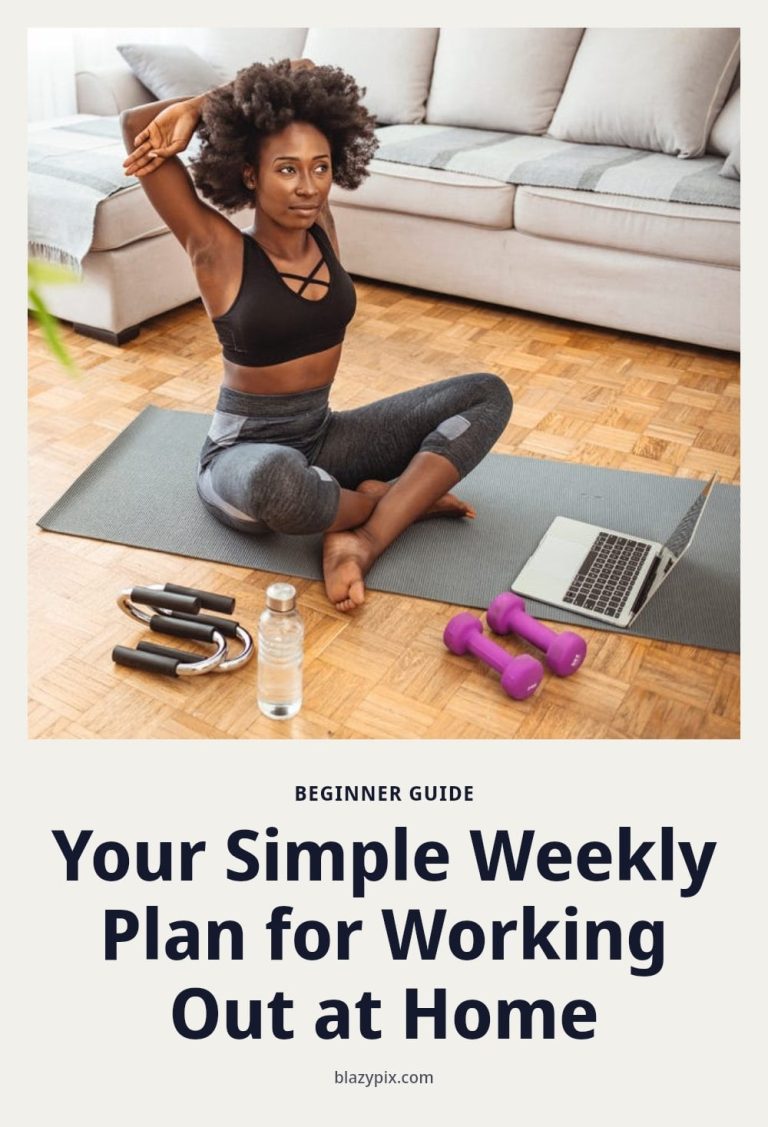
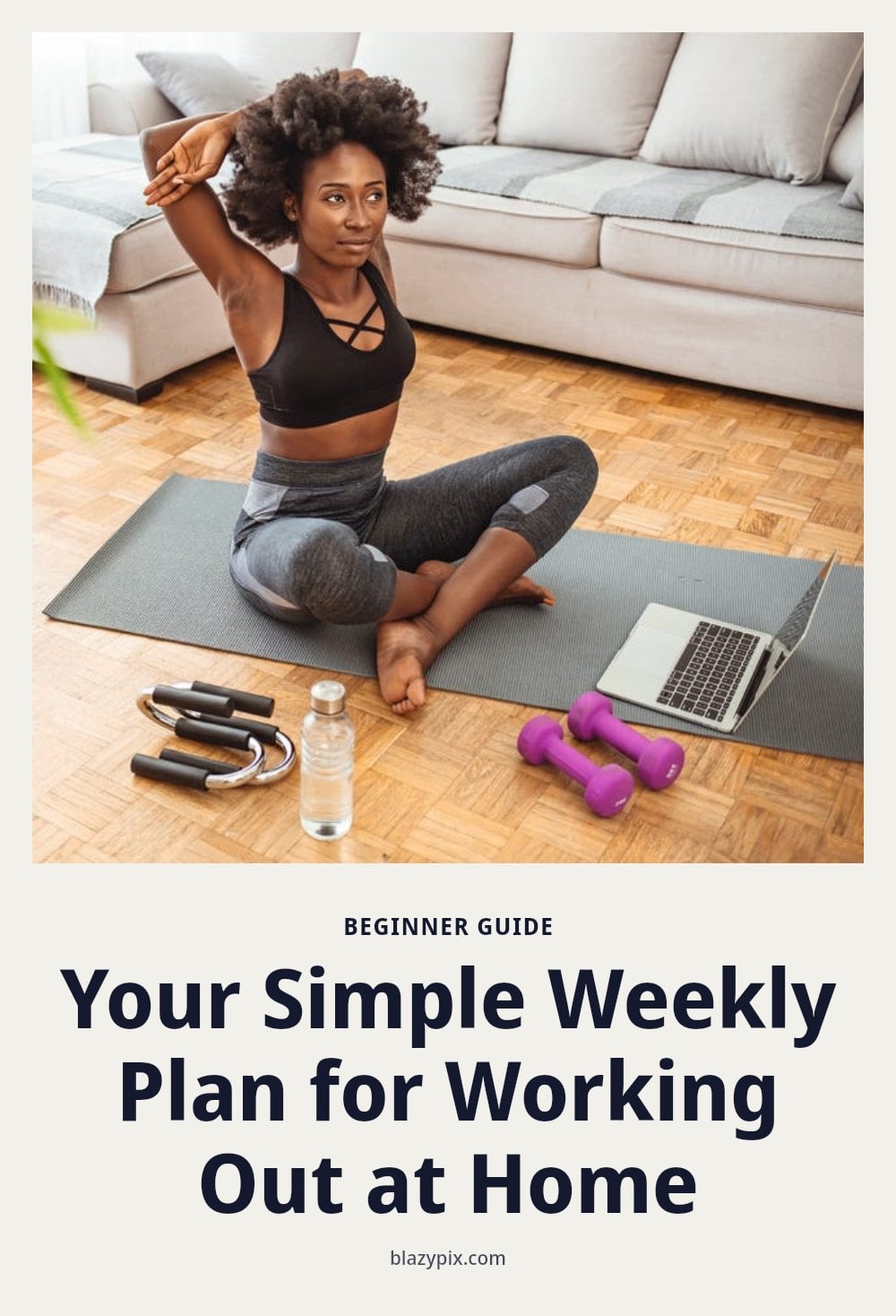
- Designate your space: Clear a small area of clutter and tripping hazards. You need enough room to extend your arms and legs fully in all directions.
- Warm up for 5-10 minutes: Do light cardio like marching in place or jumping jacks, followed by dynamic stretches such as leg swings and arm circles. This prepares your muscles and reduces injury risk.
- Master proper form first: For each exercise, focus on slow, controlled movements. Correct technique matters more than how many reps you can do. Watch yourself in a mirror or record short clips to check your alignment.
- Cool down for 5-10 minutes: End with static stretches, holding each for 20-30 seconds. Stretch your hamstrings, quadriceps, chest, and back to improve flexibility and aid recovery.
- Apply progressive overload: As you get stronger, gradually increase the number of reps, sets, or duration. You can also add resistance bands or light dumbbells to keep challenging your muscles safely.
Your Simple Weekly Home Workout Plan
This beginner-friendly plan spreads your workouts across the week so you build strength and endurance without overdoing it. Aim for 3 to 5 sessions, and always start with a 5-10 minute warm-up and end with a cool-down. The exact days are flexible, so adjust them to fit your schedule.
| Day | Suggested Activity | Notes |
|---|---|---|
| Monday | Full-body bodyweight circuit: squats, push-ups, lunges, plank | Do 2-3 rounds of 10-12 reps each. |
| Tuesday | Rest or light stretching | Take a walk or do gentle yoga. |
| Wednesday | Cardio interval: march in place, high knees, jumping jacks | Alternate 30 seconds work with 30 seconds rest for 15 minutes. |
| Thursday | Strength focus: glute bridges, wall sit, calf raises, bird dog | Do 2-3 sets of 12-15 reps. |
| Friday | Rest or active recovery | Light stretching or a leisurely bike ride. |
| Saturday | Mix it up: try a different bodyweight move or an online video | Keep intensity moderate. |
| Sunday | Full rest day | Let your muscles recover. |
Listen to your body. If you feel overly tired or sore, take an extra rest day or lower the intensity. It is better to do a shorter workout with good form than to push through fatigue.
Understanding Your Workout Schedule
The American Heart Association recommends at least 150 minutes per week of moderate-intensity aerobic activity, or 75 minutes per week of vigorous aerobic activity, or a combination of both. Adults should also do moderate- to high-intensity muscle-strengthening activity at least two days per week. This plan builds both components into your week, with strength sessions on two or three days and cardio-focused work on the others. Rest days are built in so your muscles have time to repair. Consistency matters more than perfection when you are starting out. A shorter workout you actually do beats a long one you keep postponing. Aim for three to five sessions per week and let your energy level guide the intensity on any given day.
Common Home Workout Mistakes to Avoid
Skipping Warm-ups and Cool-downs: Always dedicate 5-10 minutes to prepare your body before and recover after your workout. A quick warm-up raises your heart rate and loosens muscles, which lowers your injury risk. Prioritizing Quantity Over Form: Focus on slow, controlled movements with correct technique rather than rushing through reps. One perfect squat is worth more than ten sloppy ones. Ignoring Pain Signals: Sharp pain is a warning sign. Stop immediately and rest. Muscle fatigue during a hard set is normal, but joint or sharp pain is not. Lack of a Structured Plan: Follow a clear routine so you work all major muscle groups and can track your progress week to week. Neglecting Rest Days: Rest is crucial for muscle repair and growth. Without it, you risk overtraining and burnout. Not Progressively Challenging Yourself: As you get stronger, gradually increase reps, sets, duration, or introduce resistance bands or light dumbbells to continue making gains.
Tips for Staying Motivated and Safe

Stay Hydrated: Drink water before, during, and after your workouts to maintain energy and prevent dehydration. Keep a water bottle within reach. Track Your Progress: Keep a simple journal or use an app to note your workouts, reps, and how you felt. Seeing your own improvement over weeks is a strong motivator. Mix It Up: Incorporate a variety of exercises to keep things interesting and work different muscle groups. Try different online workout videos or swap in new bodyweight moves. Find an Accountability Partner: Even if they are not working out with you, having someone to check in with can boost your commitment. Celebrate Small Wins: Acknowledge your efforts and progress, no matter how small. This builds positive reinforcement. Dress for Success: Wearing comfortable athletic clothing and supportive shoes puts you in the right mindset and helps prevent injury.
When to Consult a Healthcare Professional
Stop exercising immediately and consult a healthcare professional if you experience sharp pain, dizziness, chest pain, or severe shortness of breath during or after exercise. Check with your doctor before starting any new exercise program if you have a history of heart disease, diabetes, high blood pressure, joint problems, or any chronic medical condition. Also seek medical advice if you suspect an injury that is not improving with rest, or if you need personalized guidance on exercise modifications due to health concerns or physical limitations.
Frequently Asked Questions
How long should a beginner workout at home?
For beginners, aim for 20 to 30 minutes per session, including a warm-up and cool-down. This is enough to get your heart rate up and build strength without overdoing it. As you get fitter, you can gradually increase the duration or intensity. The key is to stay consistent and listen to your body.
Can I build muscle effectively working out at home?
Yes, you can build muscle at home using bodyweight exercises like squats, lunges, push-ups, and planks. These moves engage multiple muscle groups and can be challenging enough when done with proper form. To keep progressing, you can add resistance bands or light dumbbells as you get stronger.
What if I don’t have much space to work out?
You don’t need a large area to work out at home. Just clear a small, clutter-free spot where you can move freely, like a corner of your living room. You can perform many exercises in place, such as squats, lunges, and planks. A mat can define your space and provide cushioning.
How do I stay motivated to work out at home?
Set a regular schedule and stick to it, but be flexible. Track your progress in a journal or app to see how far you’ve come. Vary your workouts to keep things interesting, and remember that consistency beats perfection. If you miss a day, just get back on track the next day.
Is it okay to skip a workout if I’m sore?
Mild muscle soreness is normal, especially when you’re starting out. But if you’re very sore, it’s okay to take an extra rest day or do light activity like walking or stretching. Listen to your body: rest is crucial for recovery and preventing overtraining. If you feel sharp pain, stop and consult a professional.
Final Thoughts
Starting a home workout routine is all about consistency and listening to your body. My tip: pick a few days each week that work for you and treat them like non-negotiable appointments. You’ll likely feel stronger and more energetic within a month, but remember that progress takes time. Keep your workouts varied, prioritize form, and don’t hesitate to check in with a professional if you have any concerns. You’ve got this.
This article is for general informational purposes only and is not a substitute for professional medical advice. Always consult your doctor before starting a new exercise program, especially if you have any health conditions. If you experience pain, dizziness, or other concerning symptoms during exercise, stop and seek medical advice.