Breathing Techniques: 6 Easy Ways to Relax Your Body
Discover 6 simple breathing techniques to calm your nervous system, reduce stress, and improve focus. Learn how to practice them effectively.

When stress hits, your breath is one of the fastest tools you have to calm your body and mind. Simple breathing techniques can activate your body’s relaxation response, helping you feel more centered in just a few minutes. In this article, I’ll walk you through six easy methods, from belly breathing to alternate nostril breathing, and share tips on how to make them part of your daily routine.
Key Takeaways
- Practice 5-10 minutes daily for lasting stress relief and better well-being.
- Use box breathing (4-4-4-4) to improve focus and reduce immediate stress.
- Try 4-7-8 breathing before bed to promote sleep and calm your heart rate.
- Stop any exercise if you feel dizzy, lightheaded, or anxious, and return to normal breathing.
- Consult a doctor before starting if you have asthma, COPD, or heart conditions.
How Conscious Breathing Calms Your Body
Conscious breathing directly influences your nervous system, activating the ‘rest and digest’ response. When you engage your diaphragm by taking slow, deep breaths, you stimulate the vagus nerve. This nerve is a key component of the parasympathetic nervous system, which helps reduce stress and anxiety. The result is an immediate way to find calm and control, improving your overall well-being without any equipment.
1. Diaphragmatic (Belly) Breathing
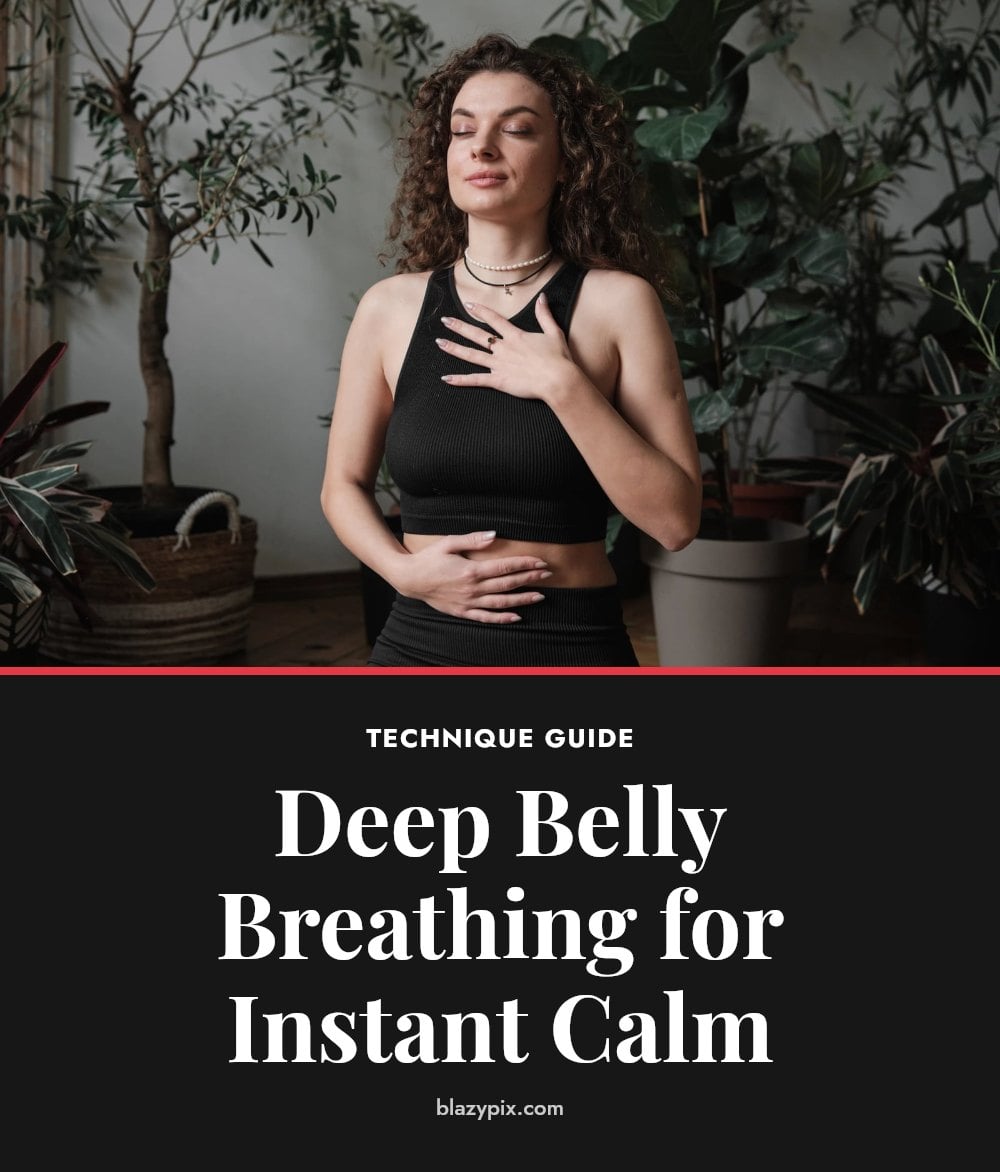
This technique, also called belly breathing, uses your diaphragm, a dome-shaped muscle at the base of your lungs, instead of your chest muscles. To start, place one hand on your chest and the other on your belly. Inhale slowly through your nose, feeling your belly rise while your chest stays relatively still. Then exhale slowly through pursed lips, letting your belly fall. This deep breathing stimulates the vagus nerve, promoting relaxation.
2. Box Breathing for Focus
Box breathing follows a 4-4-4-4 pattern: inhale for four counts, hold for four, exhale for four, and hold again for four. This rhythm directly calms your nervous system by stimulating the vagus nerve, which triggers the ‘rest and digest’ response. It is especially effective for sharpening focus during stressful moments or before a demanding task.
- My tip: As you breathe, mentally trace a square. Move along the first side during your inhale, the second while holding, the third as you exhale, and the fourth during the final hold. This visualization keeps your mind anchored and prevents wandering.
3. 4-7-8 Breathing for Sleep
Developed by Dr. Andrew Weil, the 4-7-8 technique uses a specific count to trigger relaxation. Inhale through your nose for 4 counts, hold your breath for 7 counts, then exhale completely through your mouth for 8 counts. The longer exhale is key. It helps slow your heart rate and signals your nervous system to shift into a calm state. This makes it especially useful right before bed or during moments of high anxiety.
Tip: Press the tip of your tongue against the ridge of tissue behind your upper front teeth and keep it there throughout the entire process. This ensures proper airflow and helps you maintain the rhythm. Start with 4 cycles and gradually work up to 8 as you get comfortable.
4. Alternate Nostril Breathing (Nadi Shodhana)
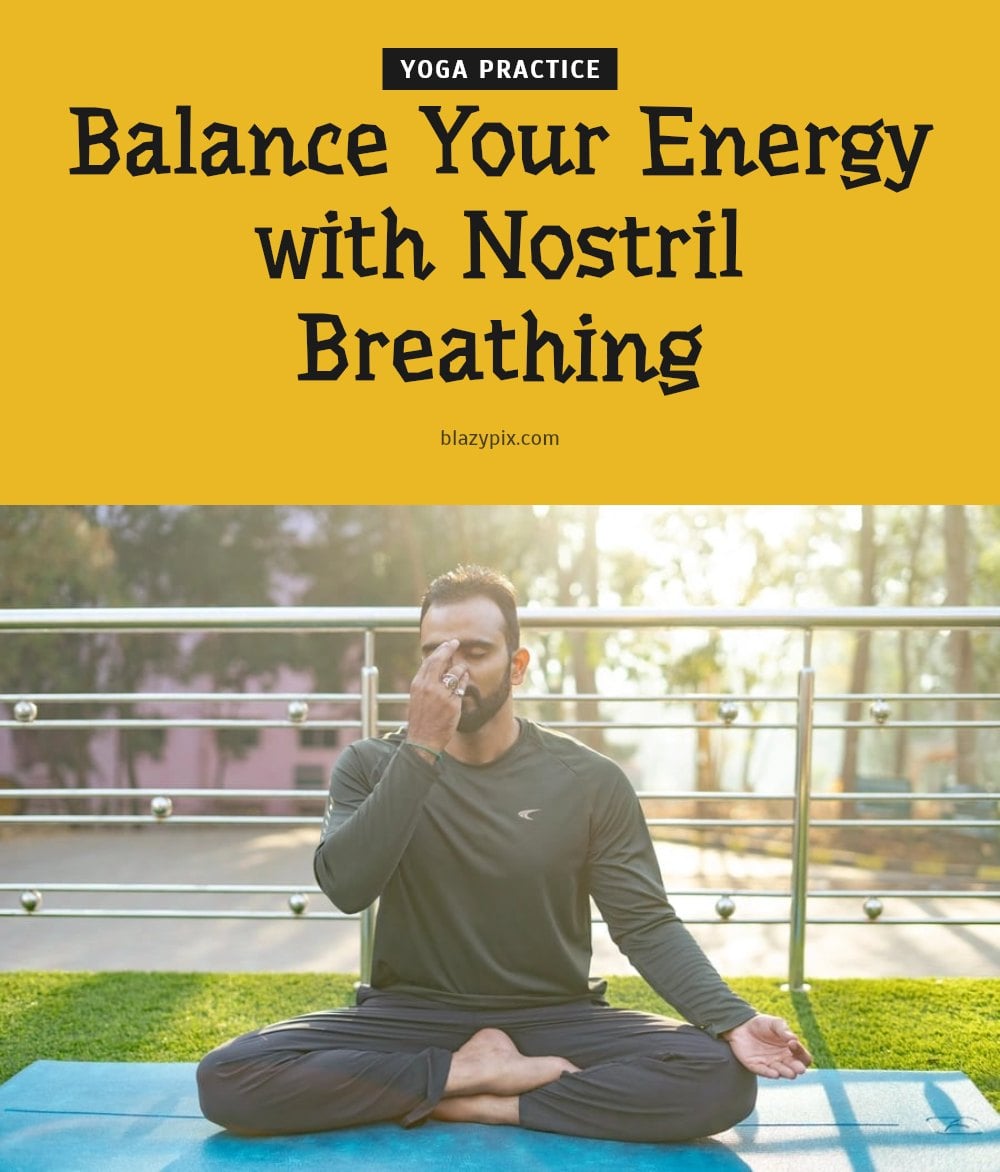
Alternate nostril breathing, or Nadi Shodhana, is a yogic technique that involves closing one nostril at a time to alternate your breath. It’s thought to balance the left and right hemispheres of your brain, promoting a sense of calm and focus.
To practice, close your right nostril with your right thumb and inhale through your left nostril. Then close your left nostril with your ring finger, release your thumb, and exhale through your right nostril. Inhale through your right nostril, then close it with your thumb, release your ring finger, and exhale through your left. Continue alternating for several cycles.
Tip: Start with a few rounds and gradually increase the duration as you become comfortable.
5. Pursed-Lip Breathing for Control
Pursed-lip breathing helps keep your airways open longer, releasing trapped air and making each breath more effective. This gives you greater control over your breath, which can be very reassuring during moments of shortness of breath or anxiety.
Inhale slowly through your nose for two counts, then purse your lips as if you’re about to whistle. Exhale slowly and steadily through your pursed lips for four counts. The longer exhale is key to activating your body’s relaxation response.
Caution: If you feel dizzy, stop and return to normal breathing.
6. Mindful Breath Observation
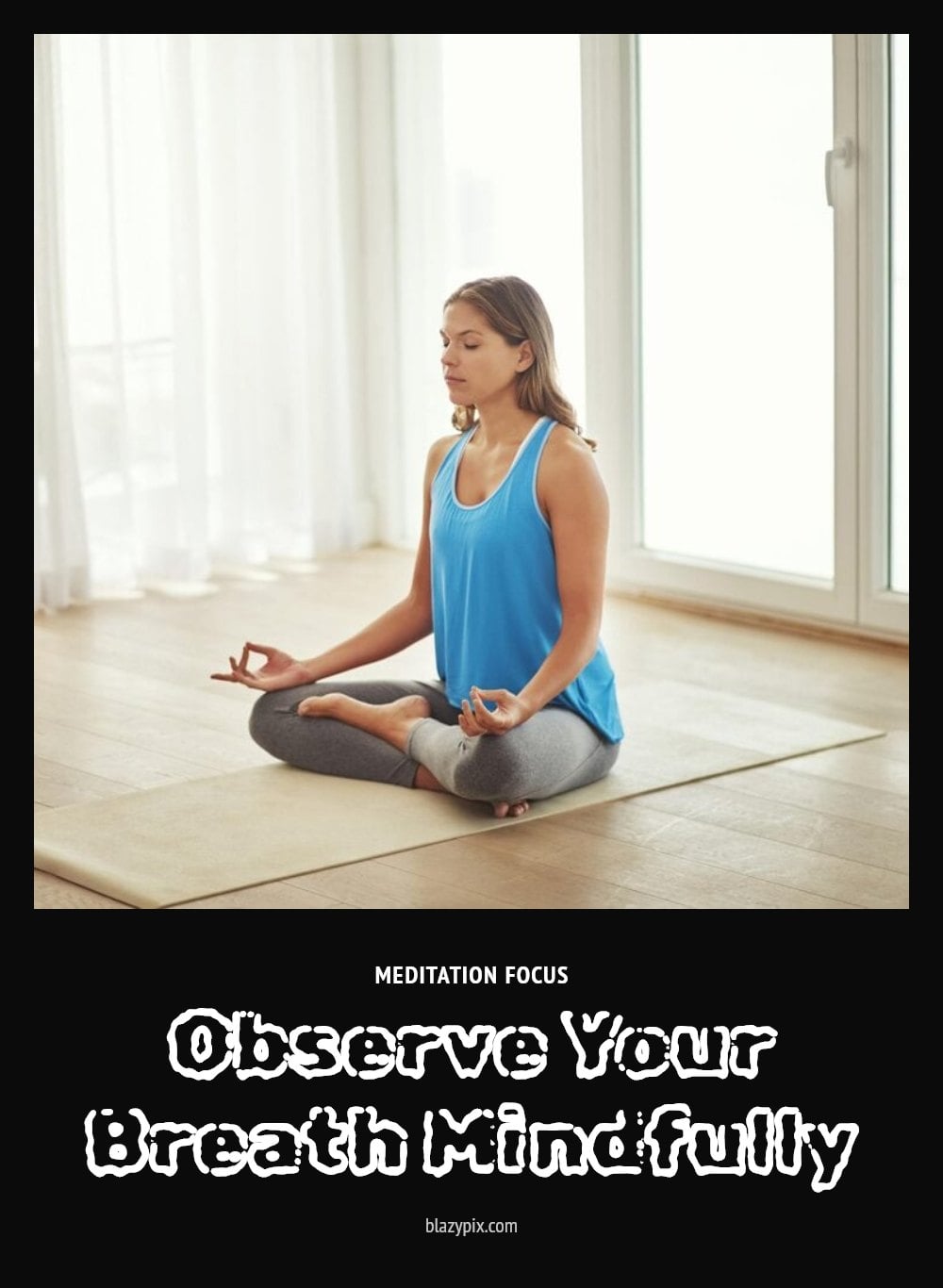
Sometimes, simply observing your natural breath without trying to change it can be profoundly calming. This builds mindfulness by training your attention to stay in the present moment.
Find a comfortable position and gently bring your attention to the sensation of your breath as it enters and leaves your body. Notice the rise and fall of your chest or belly, the temperature of the air moving in and out, and any subtle pauses between breaths. Don’t judge what you notice, just observe.
Tip: Try this for just two minutes when you feel overwhelmed.
Common Breathing Mistakes to Avoid
- Breathing from your chest: Many of us breathe shallowly from our chests. Instead, focus on deep diaphragmatic breathing, feeling your belly rise and fall.
- Holding tension: Don’t hold tension in your shoulders or neck. Relax these areas, letting your breath be effortless.
- Rushing the process: Breathing exercises aren’t a race. Allow your breath to be slow and deliberate for maximum benefit.
- Inconsistency: Benefits build over time. Incorporate breathing exercises into your daily routine for consistent improvements.
- Ignoring discomfort: If you feel dizzy or lightheaded, stop and return to normal breathing. Don’t force it.
Frequently Asked Questions
How long should I practice breathing exercises daily?
Even a few minutes can help, but for lasting improvements in stress management and well-being, aim for 5 to 10 minutes each day. Consistency matters more than duration, so find a time that works for you and stick with it.
Can breathing techniques help with sleep?
Yes, many people find that breathing exercises, especially the 4-7-8 technique, help prepare the body for sleep by slowing the heart rate and promoting calm. Practice in a quiet, comfortable setting, and avoid doing them right after a heavy meal.
What if I feel dizzy during breathing exercises?
If you feel dizzy, lightheaded, or anxious, stop the exercise and return to normal breathing. This is a sign that you may be pushing too hard or breathing too quickly. Always listen to your body and adjust the pace or duration as needed.
Is it normal to feel a bit awkward at first?
Absolutely. Many people feel awkward or self-conscious when they first try breathing techniques, especially ones like alternate nostril breathing. That’s completely normal. With regular practice, it becomes more natural and comfortable.
Can I do breathing exercises while standing?
Yes, you can practice breathing exercises while standing, sitting, or lying down. The key is to find a comfortable position that allows you to relax your shoulders and neck and breathe deeply from your diaphragm. Use a chair or mat if you prefer.
Do breathing techniques improve lung capacity?
Regular practice of breathing exercises may help improve lung capacity and efficiency over time. While results vary, many people find that their breathing becomes deeper and more effortless with consistent practice. If you have a respiratory condition, talk to your doctor first.
Final Thoughts
Start with one technique that feels manageable, like diaphragmatic breathing or box breathing, and practice it for a few minutes each day. You may notice a sense of calm right away, but the real benefits come with consistency, so aim for 5 to 10 minutes daily. Over time, you’ll likely find it easier to tap into a relaxed state whenever you need it. Remember, your breath is always with you, ready to help.
This article is for general informational purposes only and is not a substitute for professional medical advice. Breathing exercises are safe for most people, but if you have a medical condition such as asthma, COPD, or a heart condition, or if you experience persistent discomfort, consult a healthcare provider before starting any new practice.