Understanding and Fixing Frizzy Hair: Your Guide to Smoothness
Discover why your hair gets frizzy and learn simple fixes. Get a step-by-step routine for smooth, healthy, and manageable hair.

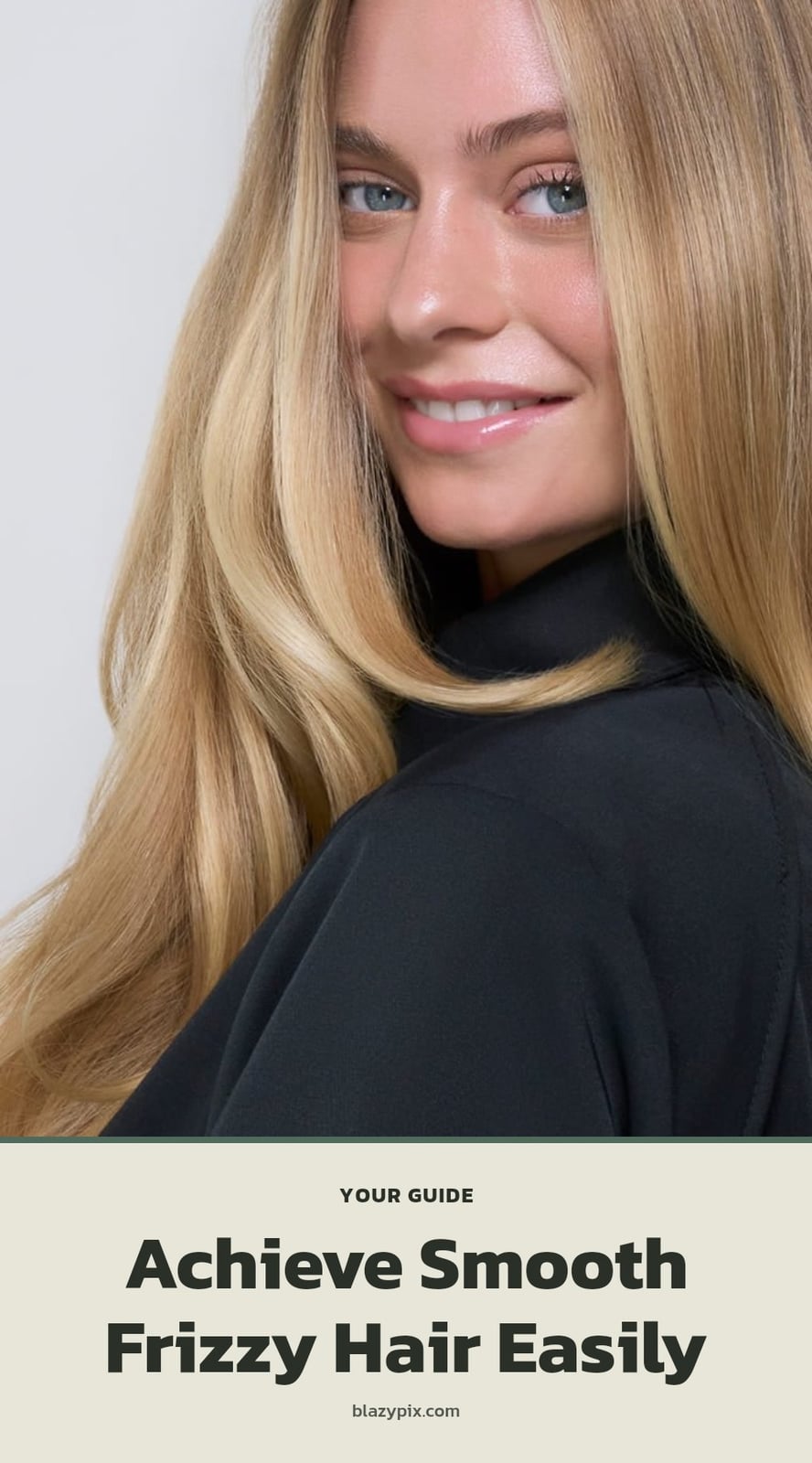
Frizzy hair can feel like a constant battle, especially when humidity or dryness turns your strands into a fluffy mess. The good news is that understanding why frizz happens and making a few simple tweaks to your routine can make a big difference. In this article, I’ll walk you through the causes of frizz, the essential products to have on hand, and a step-by-step routine to help you achieve smooth, manageable hair.
Key Takeaways
- Frizz occurs when the cuticle lifts and absorbs moisture from the air.
- Use sulfate-free shampoo and deep condition weekly to boost moisture.
- Blot hair with a microfiber towel, never rub with terrycloth.
- Apply heat protectant before any heat styling to prevent damage.
- Sleep on silk or satin pillowcases to reduce friction and frizz.
Why Your Hair Gets Frizzy and How to Fix It
Frizz happens when your hair’s outer layer, the cuticle, lifts, allowing moisture from the air to enter and swell the hair shaft. The main culprits are a lack of moisture in your hair, high humidity, heat damage, and improper hair care practices. The best way to combat frizz is to focus on moisturizing your hair, sealing the cuticle to lock in hydration, and protecting it from environmental factors and damage.
Understanding the Root Causes of Frizzy Hair
What Causes Frizz?
Frizz is primarily caused by your hair lacking moisture, which makes its outer layer, the cuticle, open up and absorb humidity from the air. High humidity causes the hair shaft to swell unevenly, leading to a frizzy appearance. Hair types prone to dryness, like curly, wavy, and chemically treated hair, are naturally more susceptible.
Heat styling without protection can damage the hair cuticle, making it more prone to frizz. Rough towel drying can lift hair cuticles, contributing to frizz. Sulfate-containing shampoos strip natural oils, leading to dryness and frizz. Alcohol-based hair products can dry out hair, making frizz worse.
Essential Tools and Products for Frizz-Free Hair
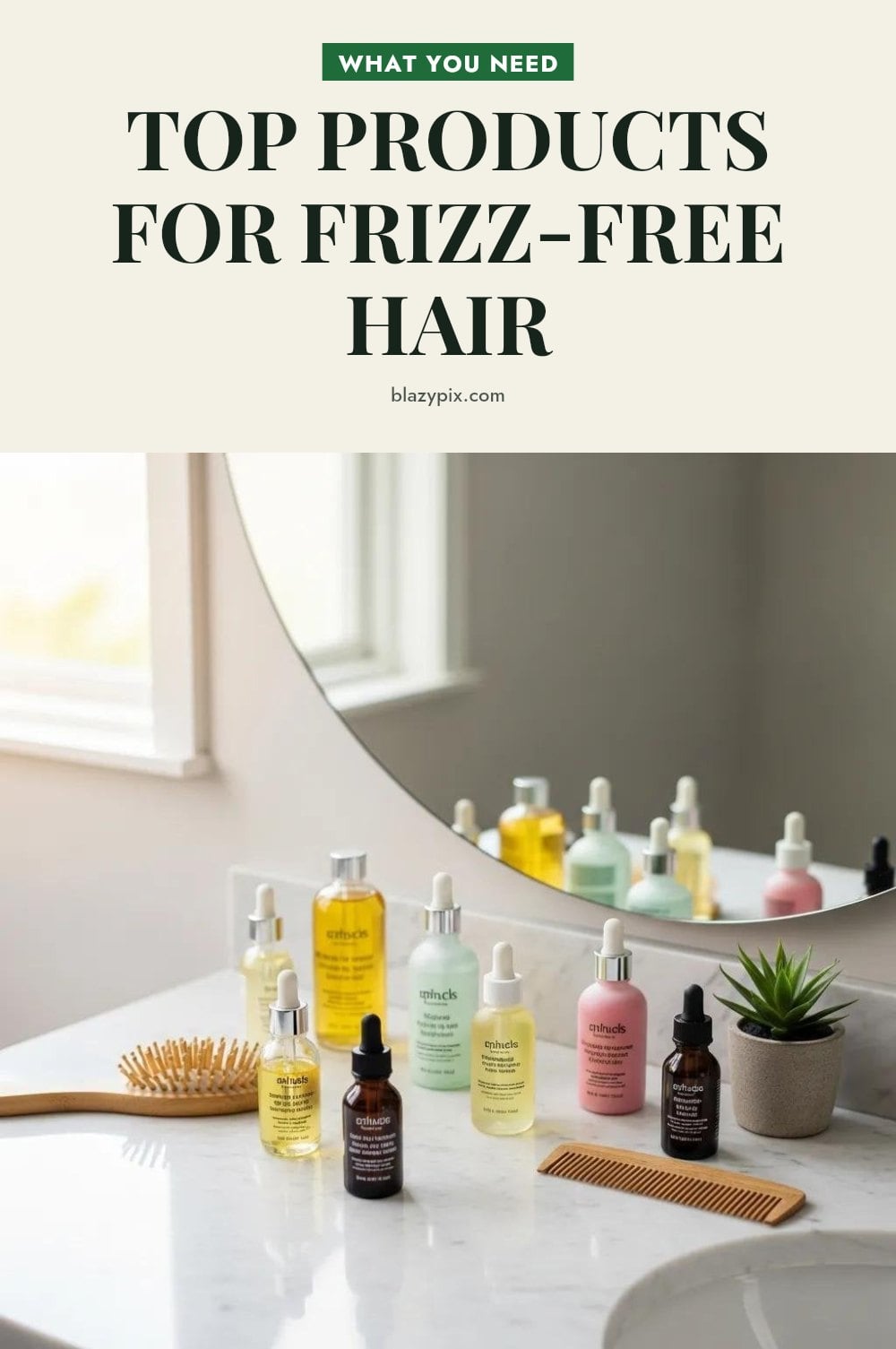
To keep frizz at bay, stock your bathroom with these essentials:
- Sulfate-free shampoo: Cleanses without stripping natural oils.
- Deep moisturizing conditioner: Provides intense hydration.
- Leave-in conditioner: Seals in moisture and protects.
- Anti-frizz serum or oil: Creates a barrier against humidity and adds shine.
- Heat protectant spray: Shields hair from styling damage.
- Microfiber towel or cotton t-shirt: Gently absorbs water without roughing cuticles.
- Wide-tooth comb: Detangles wet hair without causing breakage.
- Diffuser attachment for hairdryer: Distributes heat gently for textured hair.
- Silk or satin pillowcase: Reduces friction on hair while you sleep.
Step-by-Step Routine to Tame Frizzy Hair
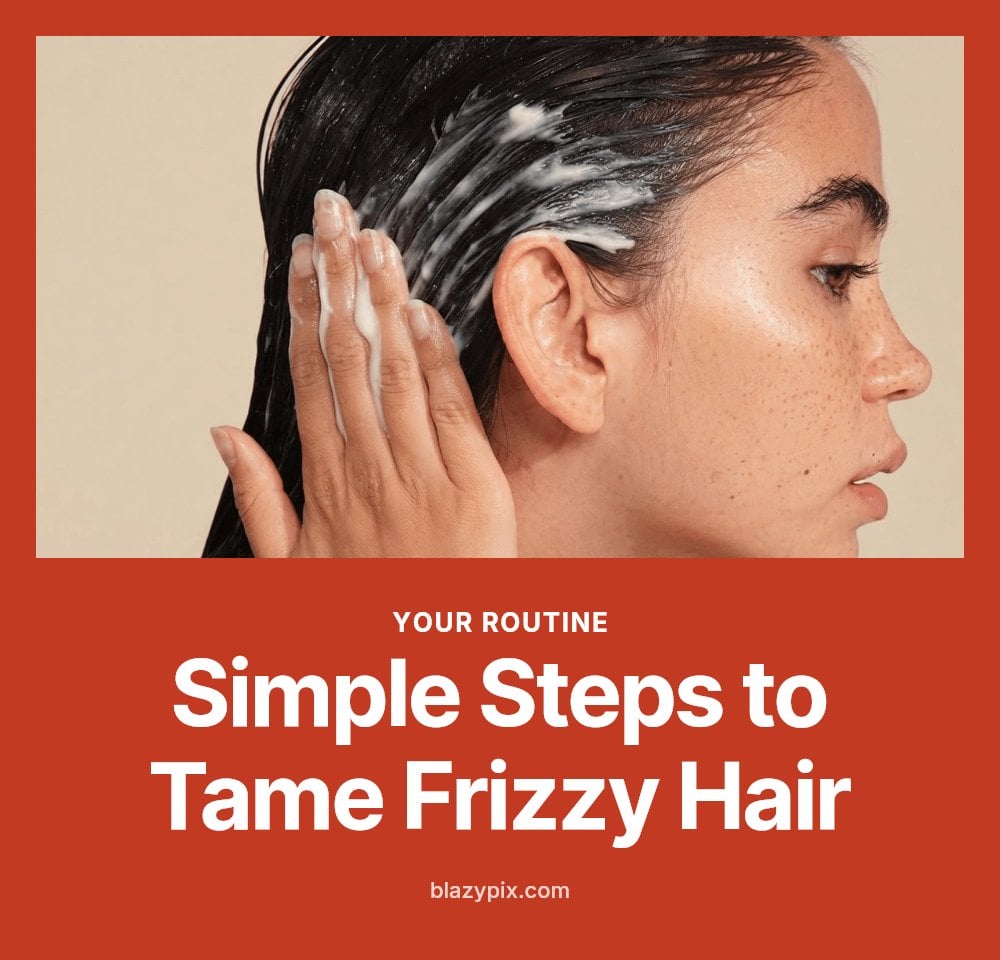
Follow this routine to tame frizz and keep your hair smooth.
- Identify your hair and scalp type: Know whether your hair is straight, wavy, curly, or kinky, and if your scalp is dry, oily, or sensitive. This helps you choose the right products.
- Prep with coconut oil: About an hour before washing, apply coconut oil to your hair. This protects it from water damage and reduces protein loss, especially if you have low porosity hair. Rinse it out thoroughly during your wash.
- Wash no more than 2-3 times per week: Use a sulfate-free, moisturizing shampoo suited to your scalp type. Overwashing strips protective layers and increases frizz.
- Clarify every two weeks: Use a clarifying shampoo once every two weeks, focusing on the scalp and using minimal product on the ends. This detoxifies without over-drying.
- Cleanse gently with a scalp massager: Instead of vigorous scrubbing, use a scalp massager to gently cleanse your roots. This prevents stress and damage.
- Deep condition for 5-10 minutes: Apply a deep moisturizing conditioner, clip or cap your hair, and leave it on for 5-10 minutes before rinsing. This ensures the conditioner penetrates.
- Install a water filter: A shower head filter removes chlorine, heavy metals, and other chemicals that can damage hair and worsen frizz.
- Micro-plop with a microfiber towel: Gently scrunch and dry your hair with a microfiber towel to reduce friction and frizz, especially if you have wavy or curly hair.
- Apply heat protectant: Before any direct heat styling, spray on a heat protectant to shield your cuticle from damage.
- Finish with leave-in and gel serum: On damp hair, apply a leave-in conditioner to seal in moisture. Then, if your ends need extra taming, apply a small amount of anti-frizz serum or oil, followed by a gel serum to lock in the style and add shine. Skip the extra oil if your hair feels heavy.
Prefer to watch? Beauty Theory walks through the whole method in this 11-minute video. The how-to part starts at 1:04.
Common Frizz-Causing Mistakes and How to Avoid Them
Using harsh shampoos: Sulfate-containing formulas strip your hair’s natural oils. Switch to a sulfate-free, moisturizing shampoo that cleanses without removing the protective barrier your scalp produces.
Aggressively towel-drying: Rubbing a terrycloth towel across your hair lifts the cuticles and creates instant frizz. Instead, gently blot excess water with a microfiber towel or a soft cotton t-shirt.
Skipping heat protectant: Heat styling without a protectant spray damages the cuticle and leaves it vulnerable to humidity. Apply a heat protectant before any direct heat tool.
Brushing dry curly or wavy hair: Running a brush through dry textured hair disrupts your natural curl pattern and causes puffiness. Use a wide-tooth comb on damp hair only.
Not moisturizing enough: Dry hair is frizzy hair. Incorporate a leave-in conditioner after every wash and a weekly deep conditioning treatment.
Overwashing your hair: Washing more than 2-3 times per week strips the F-layers from your hair, leading to water damage and increased frizz. Stick to a minimum wash schedule if your hair is naturally dry.
Expert Tips for Long-Lasting Frizz Control
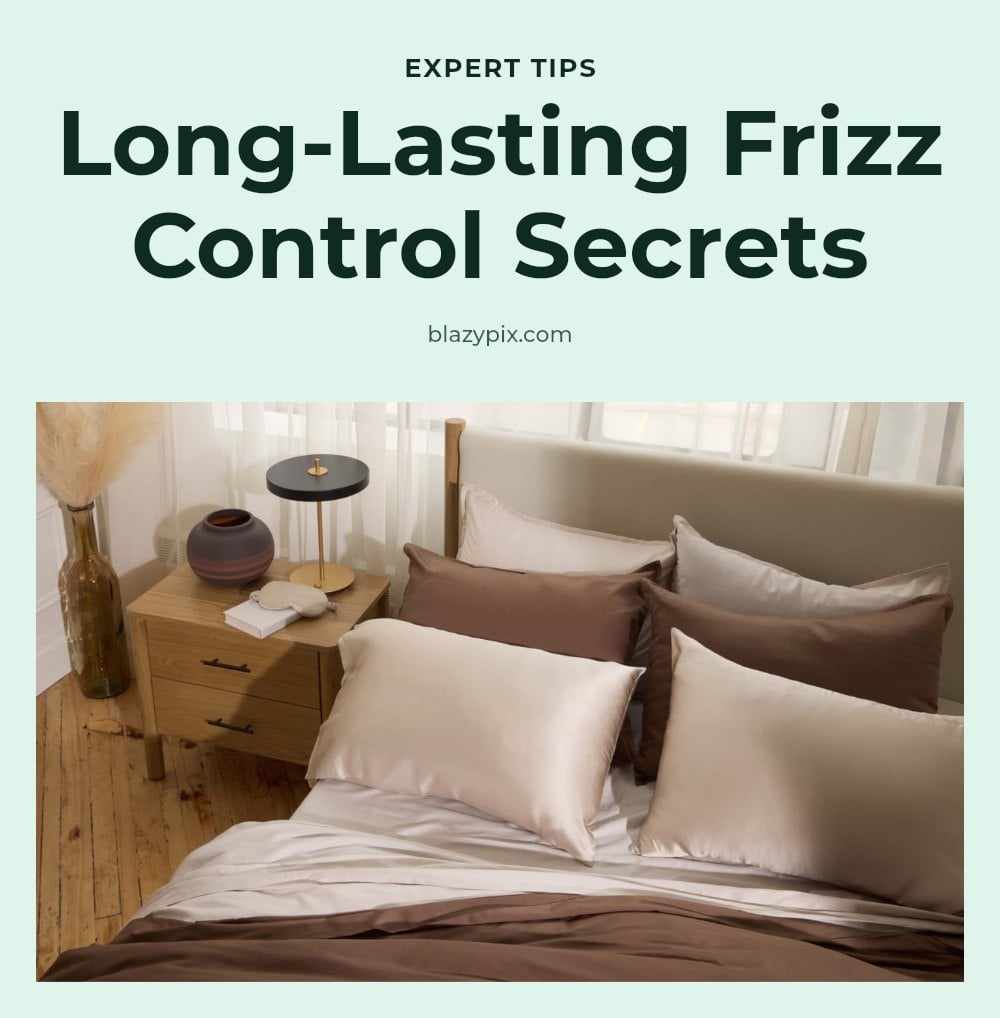
Sleep on a silk or satin pillowcase: Cotton pillowcases create friction that damages the cuticle overnight. A silk or satin surface lets your hair glide, reducing frizz by morning.
Get regular trims: Split ends travel up the hair shaft and cause frizz. Schedule a trim every 6-8 weeks to keep your ends healthy.
Rinse with cold water: A final cold-water rinse helps close the hair cuticle, locking in moisture and boosting shine.
Maintain a protein-rich diet: Hair health starts from within. Include eggs, avocado, sweet potato, nuts, and Greek yogurt to support strong, resilient strands.
Understand your scalp: An oily scalp needs clarifying, pH-balancing, and lightweight products. A dry scalp benefits from moisturizing, hydrating, and anti-inflammatory ingredients. Tailor your routine accordingly.
When to Expect Results and What to Consider
You can see improvements within a few washes after switching to a gentler routine. Significant reduction in frizz typically takes several weeks of consistent practice.
Consistency is key: A regular moisturizing and protective routine is what delivers lasting results. Skipping steps here and there will slow your progress.
Cost considerations: Many effective sulfate-free shampoos, conditioners, and serums are available at various price points. An upfront investment in a shower filter or a silk pillowcase pays off in long-term hair health.
When to Consult a Professional for Frizzy Hair
If your frizz is accompanied by significant hair breakage or loss, it may signal an underlying issue. A dermatologist or trichologist can identify the cause and recommend targeted treatment.
If you have tried multiple at-home routines without improvement, a professional can help. A stylist can also recommend products and cutting techniques that reduce frizz for your specific hair type.
Frequently Asked Questions
Can frizzy hair be a sign of damage?
Yes, frizz can be a sign of damage. When the hair cuticle is lifted or broken, it allows moisture to enter and cause swelling, leading to frizz. Heat styling without protection, chemical treatments, and harsh brushing can all damage the cuticle, making your hair more prone to frizz. If you notice excessive breakage or loss, see a professional.
How often should I deep condition for frizz?
For most hair types, a weekly deep conditioning treatment is recommended to keep moisture levels up and reduce frizz. If your hair is very dry or damaged, you might benefit from doing it more often, but avoid overdoing it as it can weigh hair down. Consistency is key for the best results.
What kind of diet supports healthy hair?
A diet rich in protein, vitamins, and healthy fats supports hair health. Foods like eggs, avocado, sweet potato, nuts, and Greek yogurt provide nutrients that help strengthen hair and reduce frizz. Staying hydrated is also important, as water is essential for overall hair moisture.
Does brushing dry curly hair cause frizz?
Yes, brushing dry curly or wavy hair can disrupt your natural curl pattern and cause frizz. The friction breaks up the curls and lifts the cuticle. Instead, use a wide-tooth comb on damp hair with conditioner, or use your fingers to detangle gently.
Can hard water contribute to frizz?
Hard water contains minerals like calcium and magnesium that can build up on hair, making it dry and brittle, which can worsen frizz. Installing a shower head filter can help remove these minerals and other chemicals, leaving your hair smoother and more manageable.
Final Thoughts
For lasting frizz control, commit to a gentle routine that includes moisturizing products, protective styling, and regular trims. Expect noticeable improvement within a few washes, but give it several weeks of consistency to see significant results. My tip: pay attention to how your hair responds and adjust as needed, but stick with it, smooth hair is worth the effort.
This article is for general informational purposes only and is not a substitute for professional advice. If you have persistent scalp issues, significant hair breakage, or hair loss, consult a dermatologist or trichologist for a proper diagnosis and treatment plan.