Master the Art of Filing Nails for Healthy, Beautiful Results
Learn essential techniques for filing nails at home to prevent damage. Achieve stronger, healthier nails with our step-by-step guide.

Getting a perfect nail shape at home doesn’t have to be a gamble. The key to healthy, beautiful nails lies in a few simple techniques that prevent damage and keep your nails strong. In this article, I’ll walk you through the essential tools, step-by-step methods, and common mistakes to avoid so you can file with confidence every time.
Key Takeaways
- Always file nails when they are completely dry to prevent tearing and splitting.
- File in one direction from the side to the center, never back and forth.
- Use a finer grit file (like 240) for natural nails; coarser grits are for artificial nails.
- File gently and regularly, about once a week, to maintain shape and avoid stress.
- Avoid filing deep into the corners of the nail to prevent weakness and ingrown nails.
The Secret to Damage-Free Nail Filing
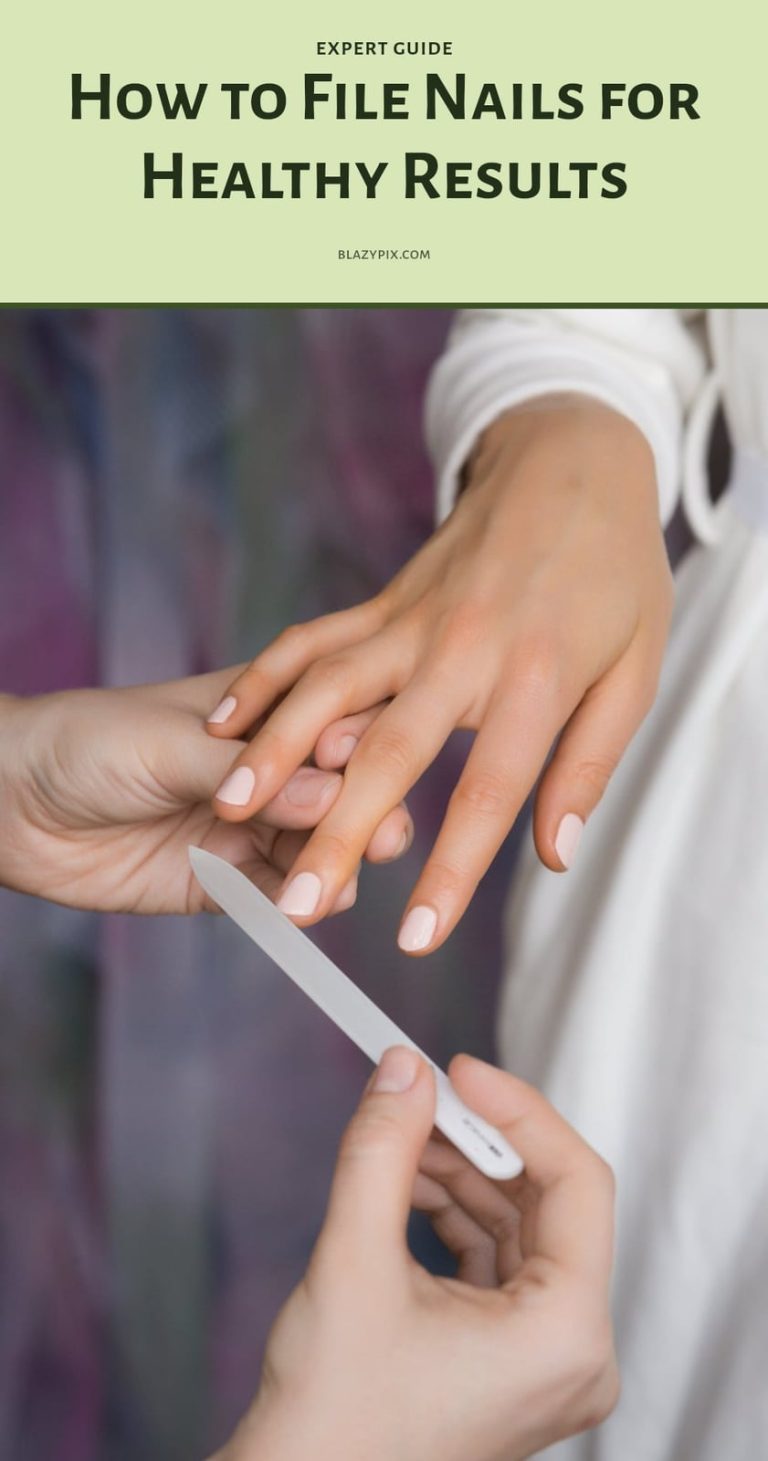
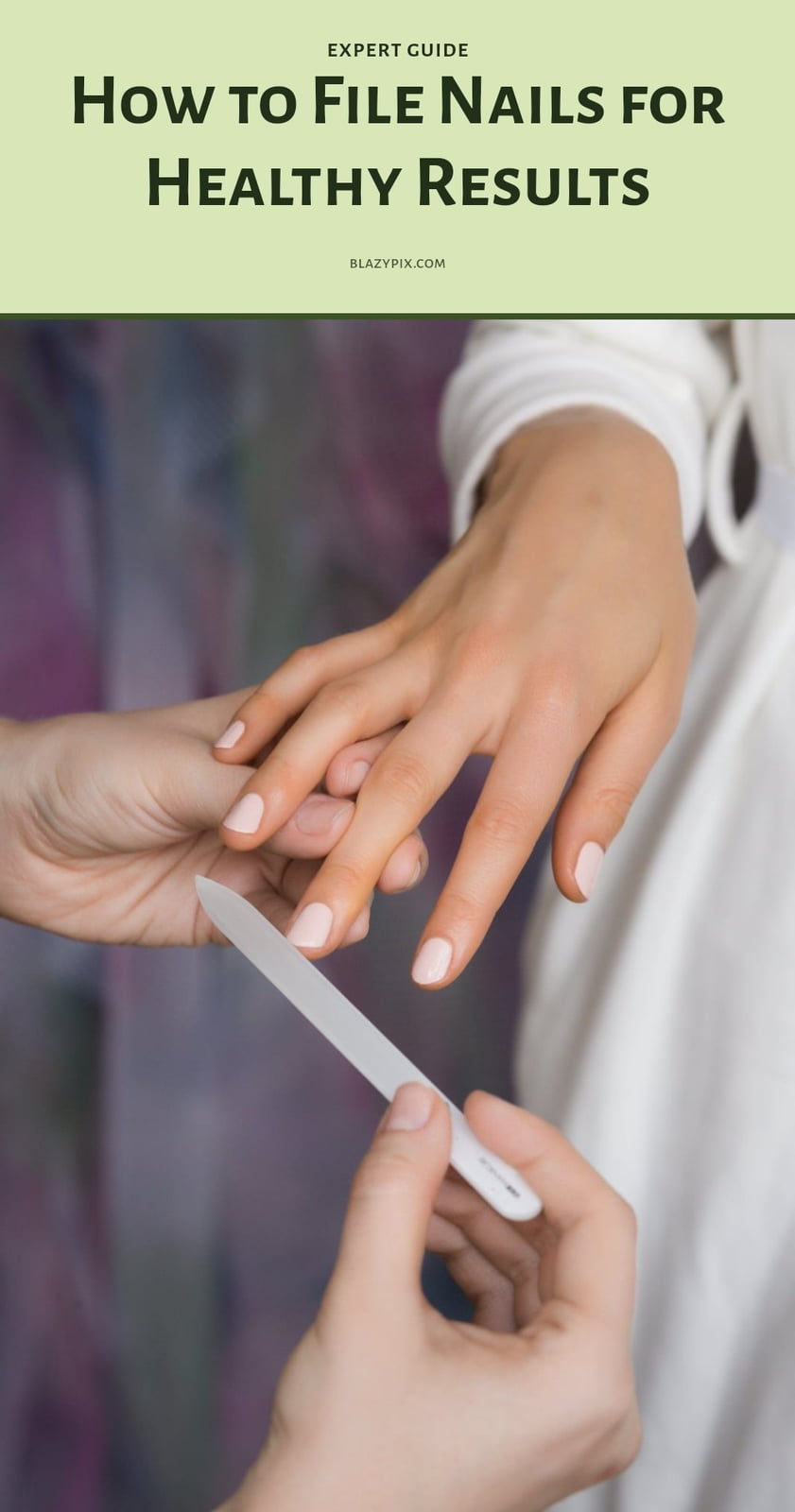
The secret to damage-free filing starts with a dry nail. Wet nails are softer and more prone to tearing, so wait until your polish is off and your nails are completely dry. Always file in one consistent direction, from the outer edge toward the center. This prevents the splitting and peeling that a back-and-forth sawing motion causes. My tip: Choose a glass or crystal file for natural nails. Their fine, gentle surface reduces friction and leaves a smooth edge without weakening the nail plate.
Your Essential Nail Filing Toolkit
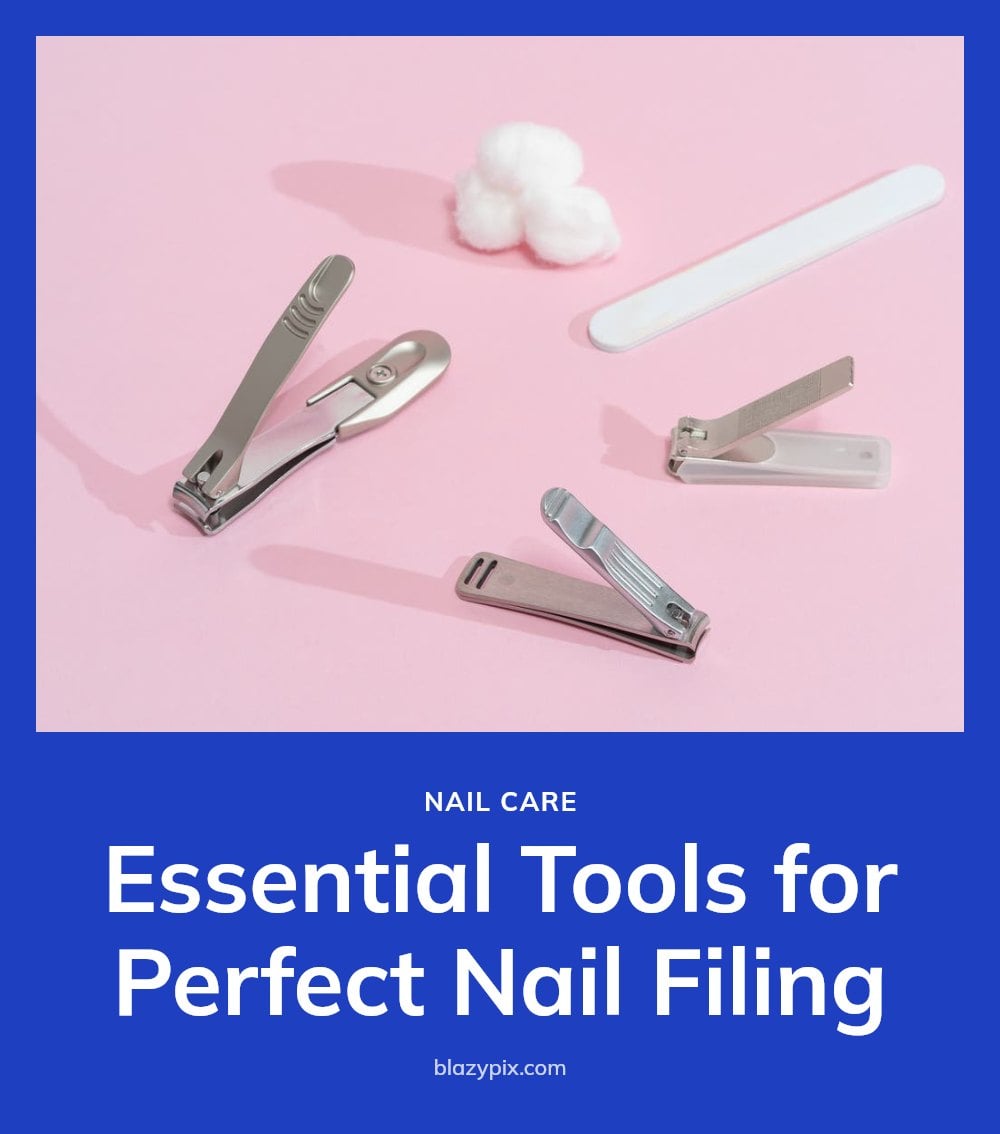
Your toolkit needs just a few essentials to keep nails healthy. A good quality nail file is the star, and grit matters: higher numbers (like 240) mean a finer, gentler surface for natural nails, while lower numbers (100-180) work for thicker or artificial nails. Glass or crystal files are ideal for natural nails because they seal the edge and last longer than emery boards. Nail clippers are useful for reducing length before filing, but leave a little extra so you can shape without stress.
- Glass or crystal file: Gentle, long-lasting, best for natural nails.
- Emery board: Disposable, good for shaping, but coarser grits can be harsh.
- Ceramic file: Fine grit, smooth finish, works well on natural nails.
- Nail clippers: For quick length trimming before filing.
Step-by-Step: Filing Your Nails Perfectly
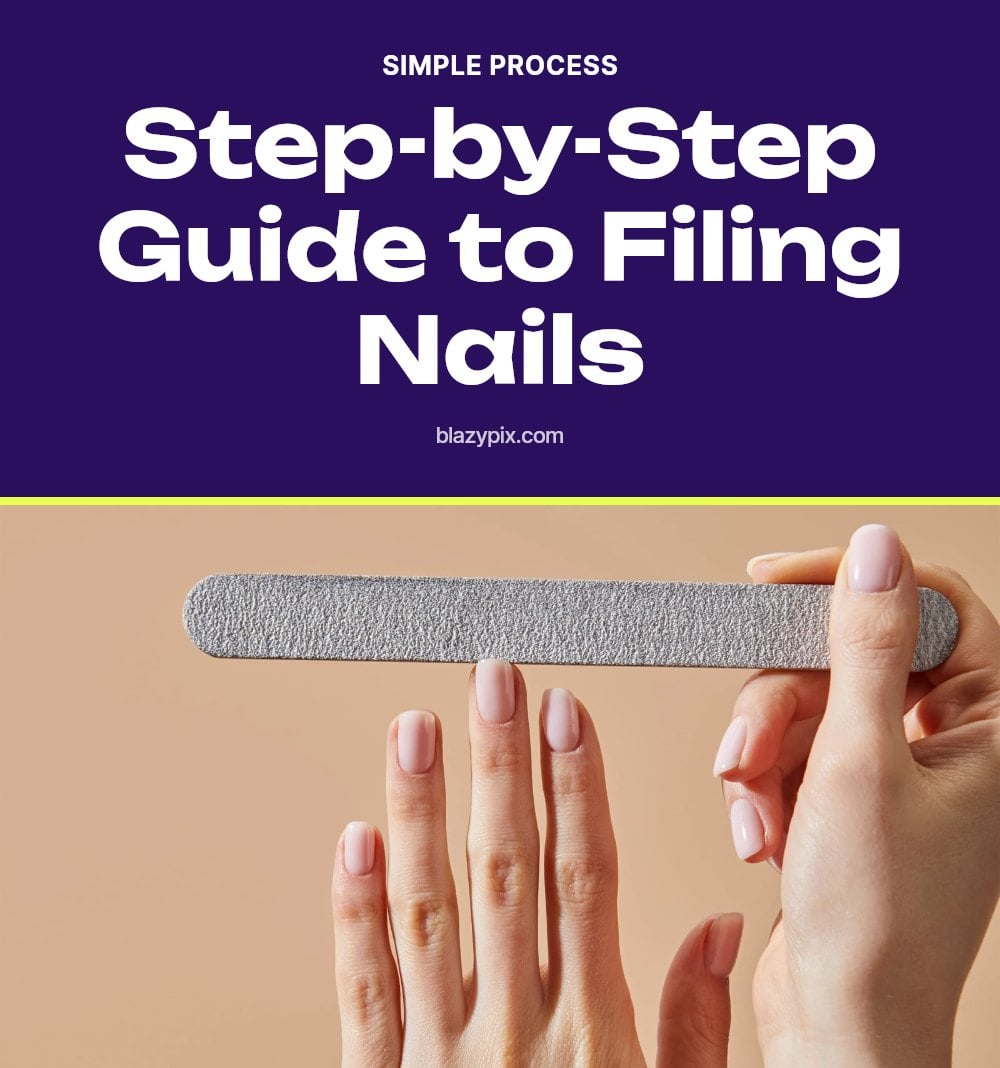
Follow these steps for a perfect, damage-free shape every time.
- Start with dry nails: Filing wet nails causes tearing and splitting. Make sure they are completely dry and free of polish.
- Clip length if needed: Use nail clippers to reduce length, but leave about 1-2 millimeters to file into shape.
- File from the outer edge inward: Place the file at one side of the nail, angled slightly under the free edge, parallel to the nail plate. Move the file in one direction toward the center. Repeat on the other side.
- Follow your cuticle curve: Shape the nail tip to mirror the natural curve of your cuticle for a balanced, harmonious look. A rounded or squoval shape often works well.
- Use light, even pressure: Pressing hard creates friction and heat that can weaken the nail. Let the file do the work.
- Clean off dust: After filing, brush away dust with a nail brush to see the result and avoid scratching the nail surface.
Choosing the Right Nail File for Your Nails
Choosing the right file material and grit makes a big difference. Here is a quick comparison to help you pick.
| File Type | Best For | Caution |
|---|---|---|
| Emery board | Shaping natural or artificial nails | Coarser grits can damage natural nails; replace often |
| Glass or crystal | Natural nails, gentle finishing | Not for very thick artificial nails |
| Ceramic | Fine shaping, smooth edges | Can break if dropped |
| Metal | Artificial nails only | Too harsh for natural nails; causes peeling |
Grit numbers tell you the coarseness: 240 or higher is fine and safe for natural nails. Lower numbers (100-180) are for thicker artificial nails or shortening length, but always finish with a finer grit.
Common Nail Filing Mistakes to Avoid
Filing wet nails: Wet nails are softer and more likely to tear or split. Always file when nails are completely dry.
Using a back-and-forth sawing motion: This frays the nail edge instead of cutting cleanly. File from the side to the center in one direction only.
Choosing an overly coarse file: A coarse file (like 80 grit) is meant for acrylics, not natural nails. It can scrape and damage the nail plate. Stick to a finer grit, such as 240, for natural nails.
Filing too deep into the corners: This weakens the nail structure and can lead to ingrown nails. Leave the sidewalls intact and only shape the free edge.
Pro Tips for Healthier, Stronger Nails
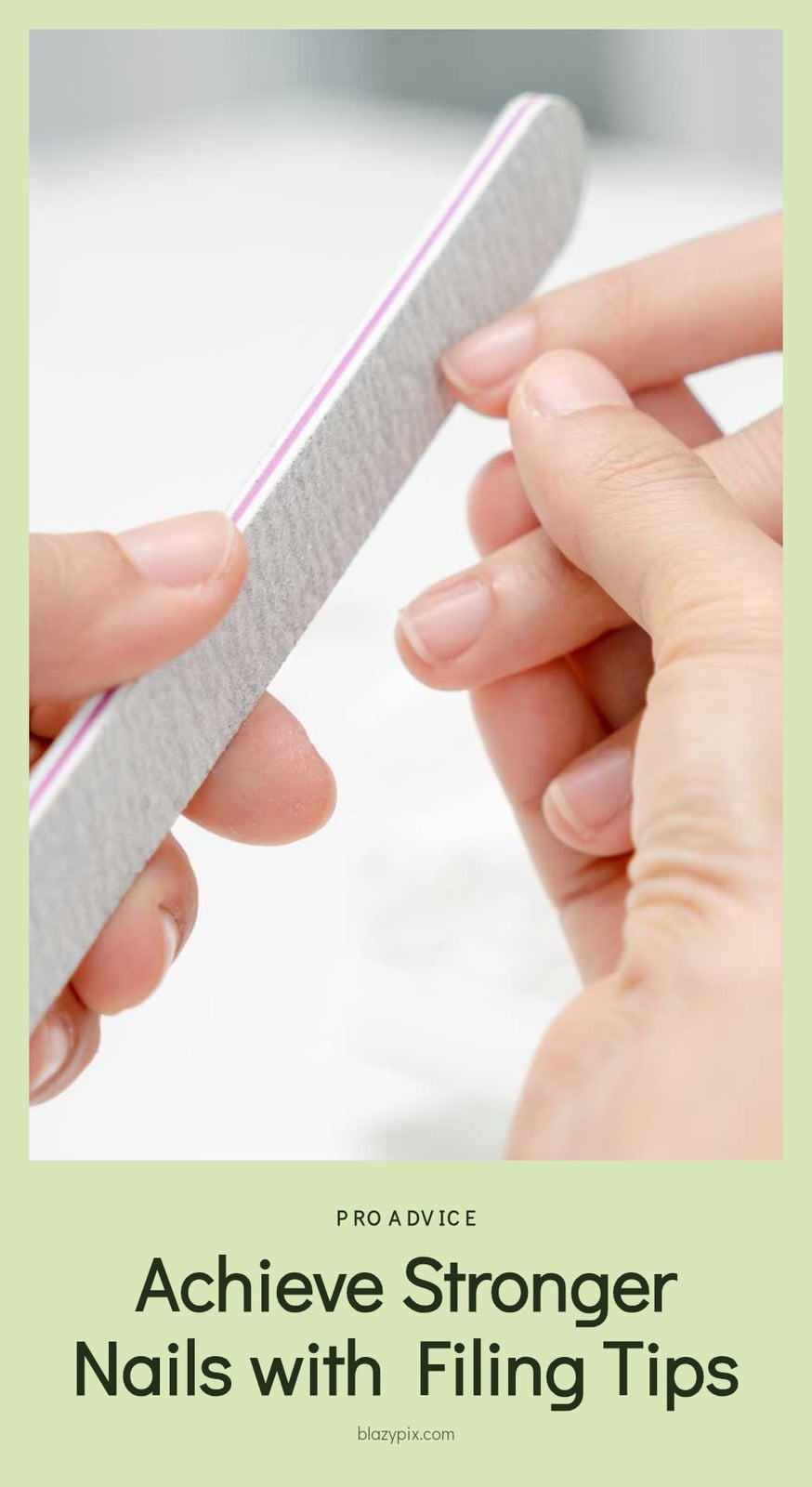
File gently and regularly: Light, frequent filing (every few days) prevents snags and keeps nails strong. Aggressive, infrequent filing causes stress and breakage.
Clean your file: Nail dust and bacteria build up on tools. Rinse glass or crystal files with soap and water, or use a small brush on emery boards to keep them effective and hygienic.
Separate buffing from filing: Buffing smooths the nail surface, but it is a different step. Use a dedicated buffer with a fine grit, never your regular nail file, to avoid thinning the nail.
After-Filing Care for Lasting Nail Health
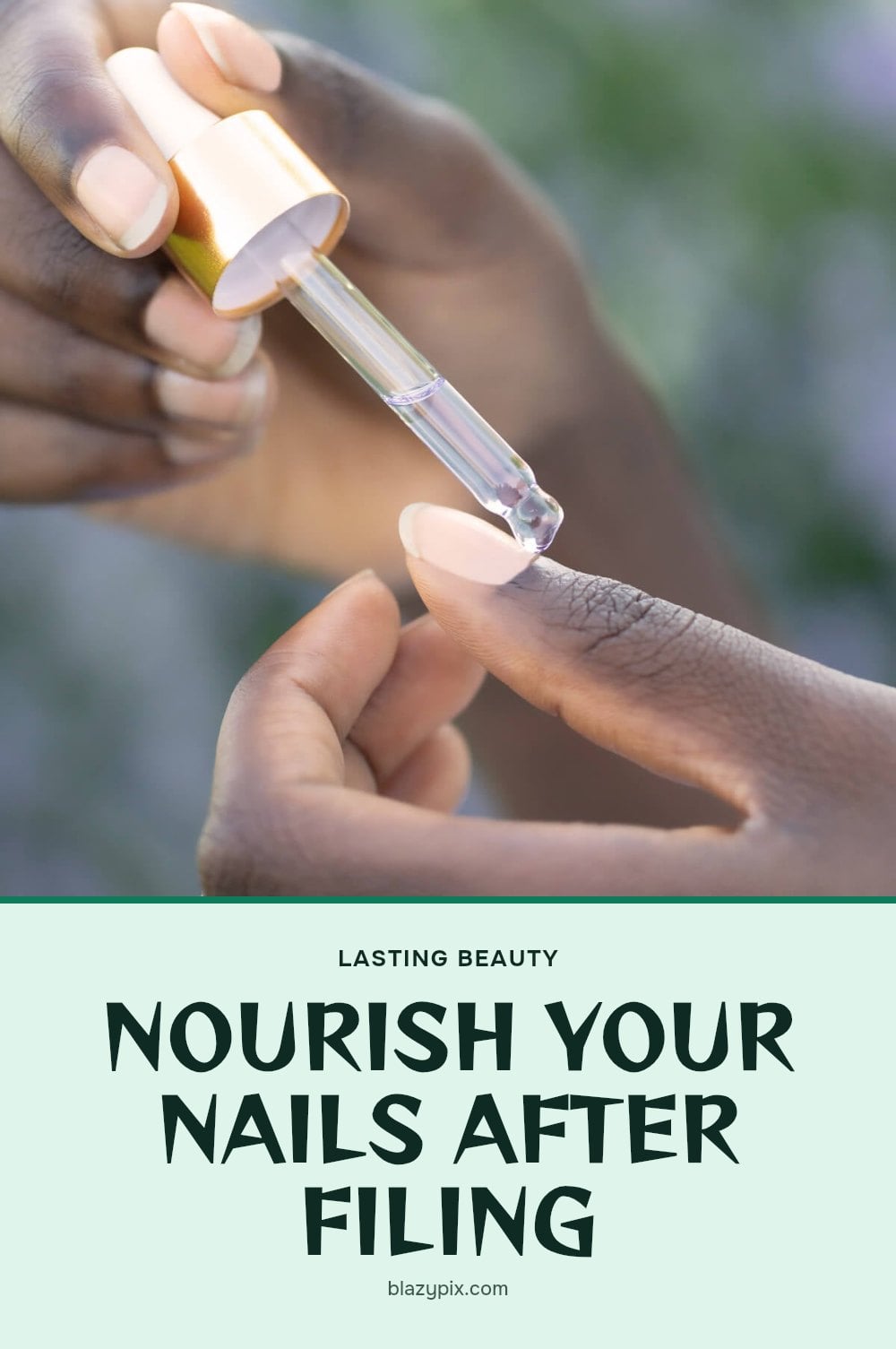
Moisturize immediately: After filing, apply cuticle oil or hand cream to rehydrate the nail and surrounding skin. This prevents dryness and peeling.
Inspect for snags: Run a finger along the free edge. If you feel any rough spots, gently smooth them with the finest side of your file.
Stick to a schedule: File nails once a week or as needed to maintain shape and prevent excessive growth that leads to breakage. Consistent care keeps nails healthier over time.
When to Seek Professional Nail Care
Persistent pain or swelling: If you notice redness, swelling, or tenderness around the nail for more than a few days, see a healthcare professional. This could indicate an infection.
Suspected fungal or bacterial infection: Avoid home remedies. A doctor can diagnose the issue and prescribe the correct treatment to prevent it from spreading.
Severe damage or ingrown nails: If an ingrown nail does not improve with gentle care, or if the nail is badly split or injured, professional help is necessary to avoid further harm.
Frequently Asked Questions
How often should I file my nails?
File your nails as needed to maintain shape and prevent snags, typically once a week or every few days. Light, regular filing is better for nail health than infrequent, aggressive sessions. If you notice rough edges sooner, a quick touch-up is fine.
Can I use a metal file on my natural nails?
No, metal files are too abrasive for natural nails and can cause damage, peeling, and weakening. Stick to glass, crystal, or fine-grit emery boards for natural nails. Metal files are best left for artificial nails or professional use only.
What’s the best way to clean my nail file?
Clean your file regularly to remove dust and bacteria. For glass or crystal files, rinse with soap and water and let dry. Emery boards can be wiped with a dry cloth or gently brushed; replace them when they wear down. Avoid soaking emery boards, as moisture can degrade them.
Why do my nails split after filing?
Splitting usually happens when you file wet nails, use a back-and-forth sawing motion, or apply too much pressure. It can also occur if you use a file that’s too coarse for natural nails. To prevent this, always file dry nails in one direction with a fine-grit file and light pressure.
Should I push back my cuticles before filing?
It’s best to leave cuticles alone before filing. Pushing them back can disrupt the natural seal and increase infection risk. Focus on filing the free edge only, and gently address cuticles separately with oil or a soft tool after filing if needed.
Final Thoughts
For the healthiest results, stick to filing dry nails with a gentle touch and a fine-grit glass or crystal file. Expect to file about once a week to keep your nails in top shape without causing stress. With these habits, you’ll notice stronger, smoother nails that look polished even without polish.