Effective Ab Workout for Beginners: 8 Moves to Strengthen Your Core
Discover 8 effective ab workout moves for beginners to strengthen your entire core. Learn proper form, avoid common mistakes, and get a weekly plan.

Starting an ab workout can feel a bit intimidating, especially when you see all those complex moves online. But the truth is, building a strong core is more about the right technique and consistency than it is about doing a hundred crunches a day. This article covers eight beginner-friendly moves, a simple weekly plan, and the key tips you need to start strengthening your entire core safely and effectively.
Key Takeaways
- Focus on engaging your entire core, not just the six-pack muscles.
- Perform each exercise slowly and with control to avoid using momentum.
- Aim for 2-3 ab workouts per week on non-consecutive days.
- Stop immediately if you feel sharp pain, especially in your lower back or neck.
- Combine your ab routine with a balanced diet and overall fitness for best results.
Why a Strong Core Matters for Everyone
When most people think of a strong core, they picture a six-pack. But the core is actually a complex system of muscles that includes the obliques on your sides, the deep transverse abdominis, and the muscles in your lower back, hips, and pelvis. A strong core does a lot more than look good in a crop top. It improves your posture by supporting your spine, helps with balance and stability during everyday movements like carrying groceries or playing with kids, and can prevent lower back pain by taking pressure off your spine. My tip: think of your core as your body’s natural weight belt. It keeps everything stable and aligned.
1. Cat-Cow Stretch (Warm-up)
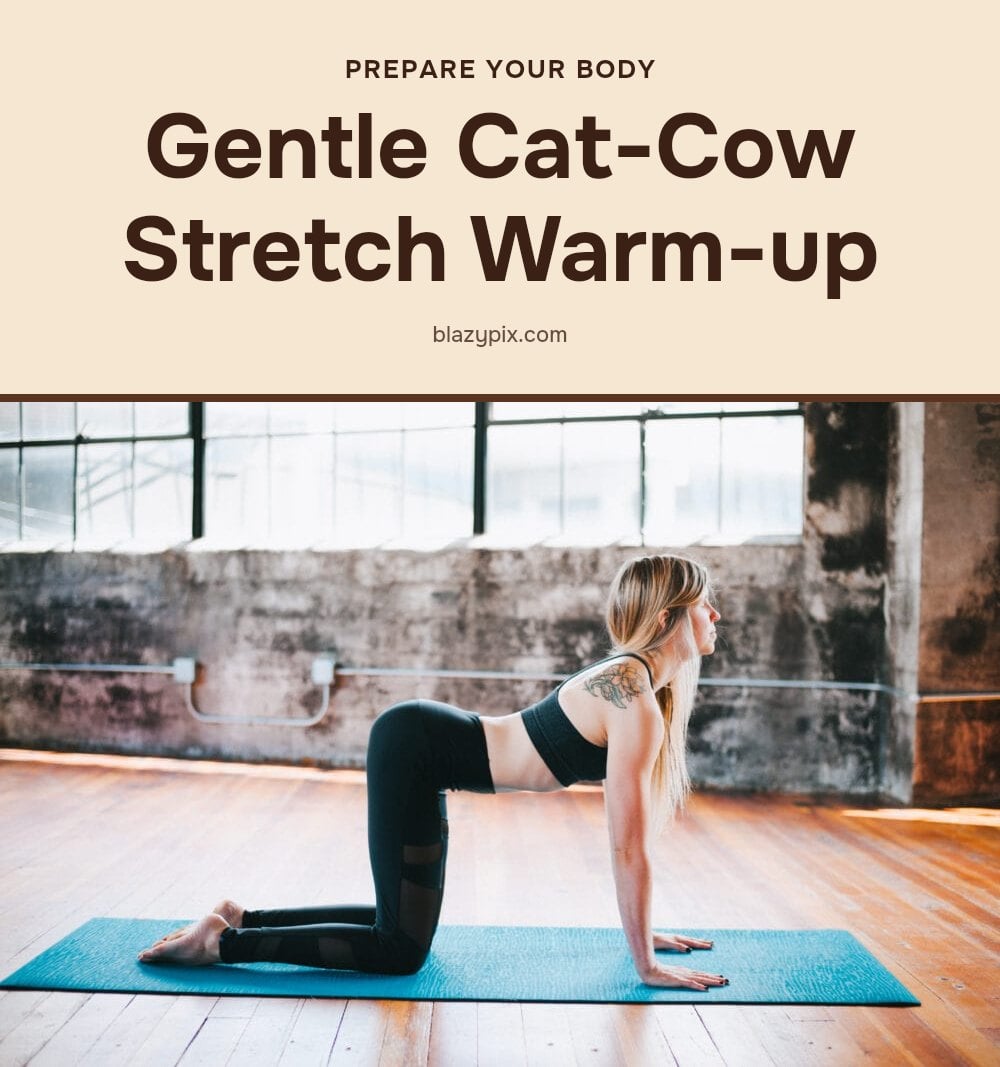
Start on your hands and knees with your wrists directly under your shoulders and your knees under your hips. On an inhale, drop your belly toward the mat, lift your chin and chest, and let your tailbone point up (cow pose). On an exhale, round your spine toward the ceiling, tuck your chin to your chest, and draw your belly button in (cat pose). Move slowly, linking each movement to your breath.
- Sets and reps: 5-8 slow repetitions
- Form cue: Focus on moving one vertebra at a time; imagine a string pulling your tailbone and crown of your head in opposite directions during cow
- Make it easier or harder: To deepen the stretch, press actively into your palms and tops of your feet
2. Modified Crunches
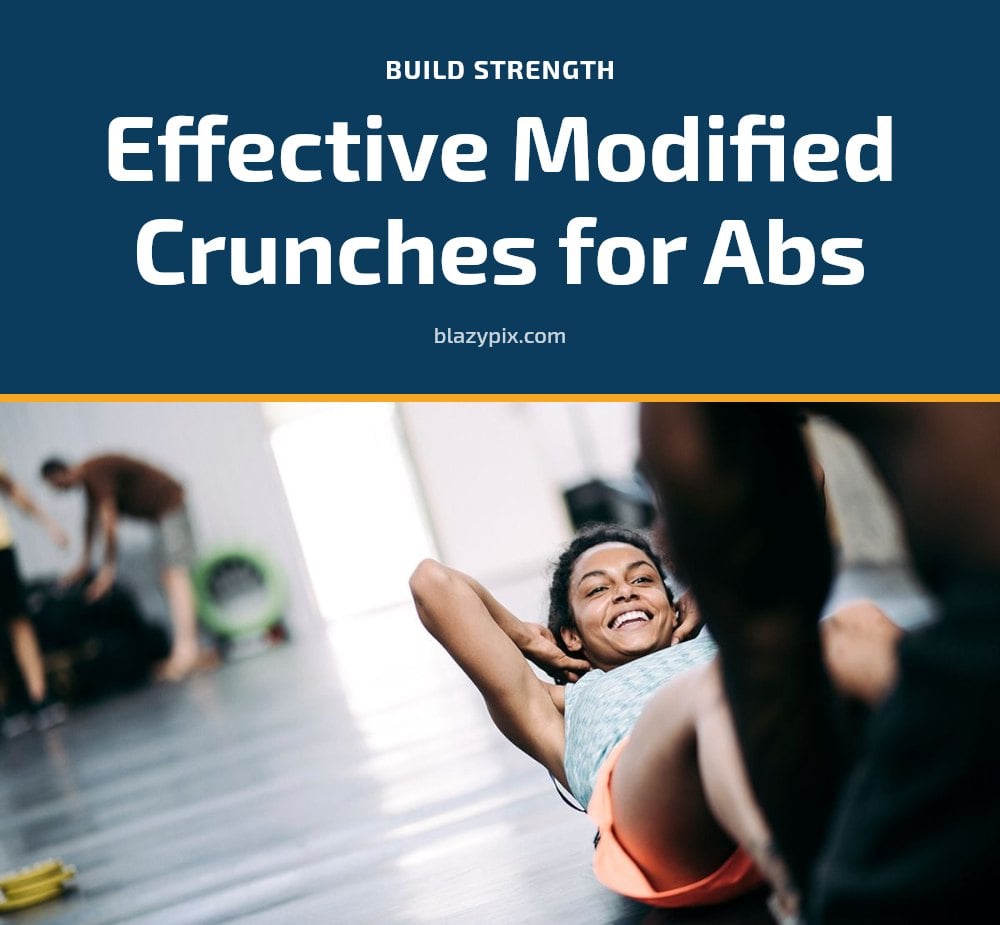
Lie on your back with your knees bent and feet flat on the floor, hip-width apart. Place your hands lightly behind your head without interlacing your fingers. Lift your head and shoulders a few inches off the mat by contracting your abs, keeping your chin tucked as if holding an egg under it. Lower slowly with control.
- Sets and reps: 2-3 sets of 10-15 repetitions
- Form cue: Keep your elbows wide and avoid pulling on your neck; imagine curling your ribcage toward your hips
- Make it easier or harder: For less intensity, keep your feet flat and don’t lift as high; for more, extend your arms straight overhead on the floor
3. Plank

Start on your forearms with your elbows directly under your shoulders and your toes tucked under. Push through your forearms and toes to lift your body into a straight line from your head to your heels. Engage your core by drawing your navel toward your spine, and squeeze your glutes and quads to keep your body stable.
- Sets and time: 2-3 sets of 20-30 seconds
- Form cue: Keep your hips level, don’t let your lower back sag or your hips pike up; imagine balancing a glass of water on your lower back
- Make it easier or harder: Drop to your knees for a modified plank, or lift one leg a few inches off the ground for a challenge
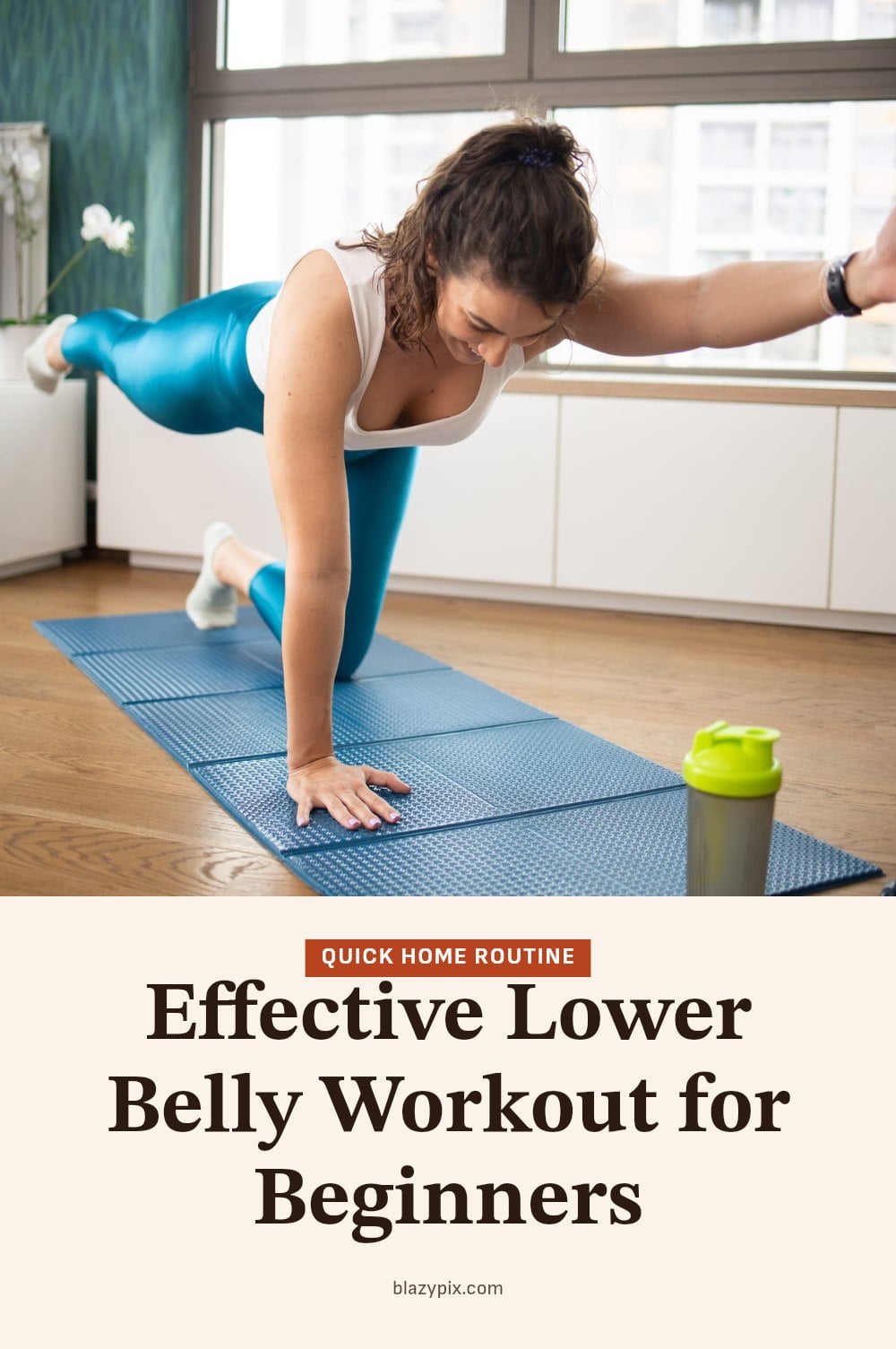
4. Bird-Dog
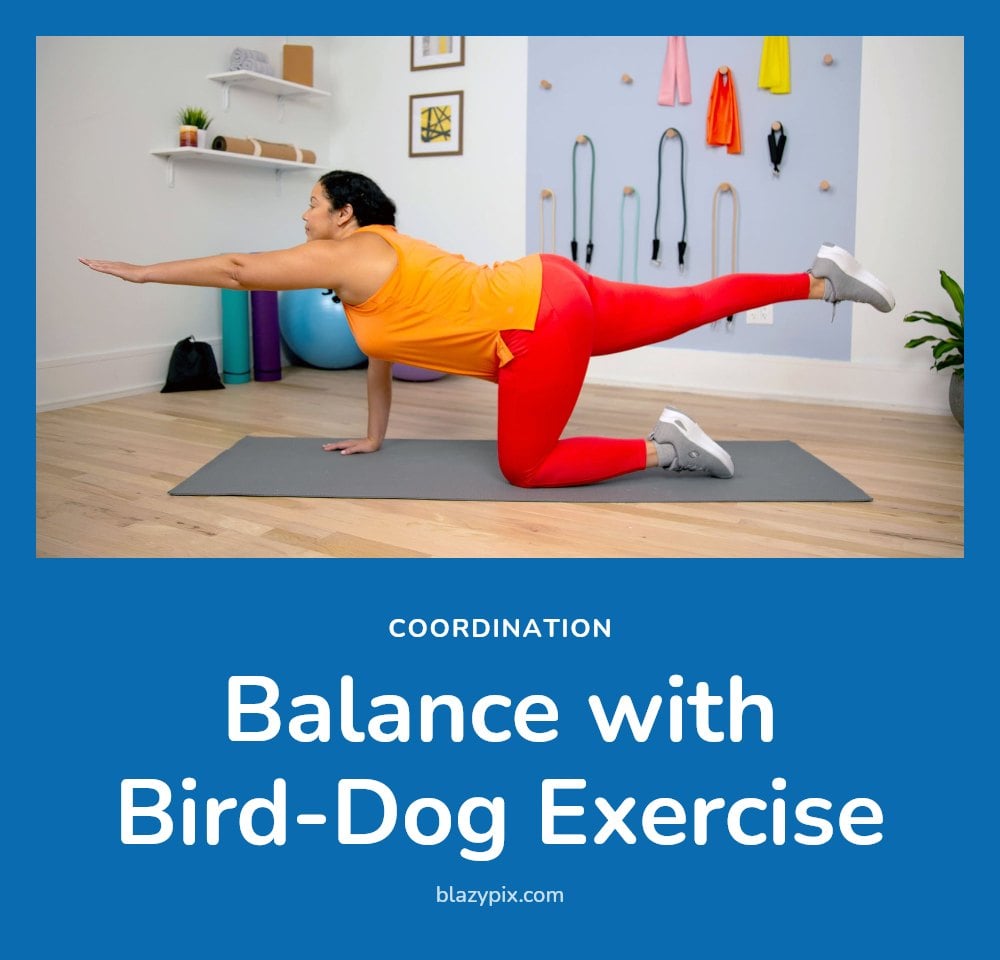
Start on your hands and knees with your wrists under your shoulders and knees under your hips. Keeping your core tight, extend your right arm straight forward and your left leg straight back, both parallel to the floor. Pause for a moment, then return to the start and switch sides.
- Sets and reps: 2-3 sets of 10-12 repetitions per side.
- Form cue: Keep your hips and shoulders square to the floor. Imagine balancing a cup of water on your lower back to stay stable.
- Make it easier or harder: For more stability, extend only one limb at a time. To increase difficulty, hold the extended position for 2-3 seconds.
5. Bicycle Crunches
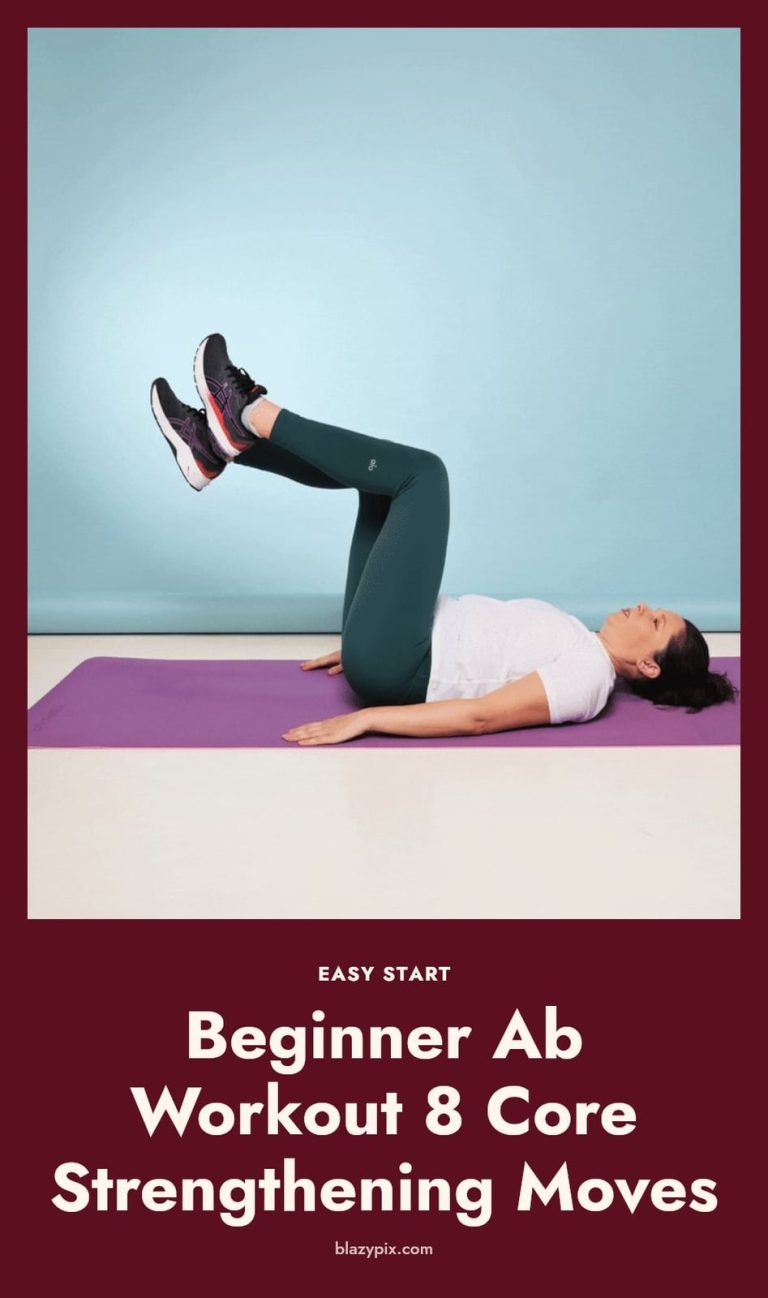
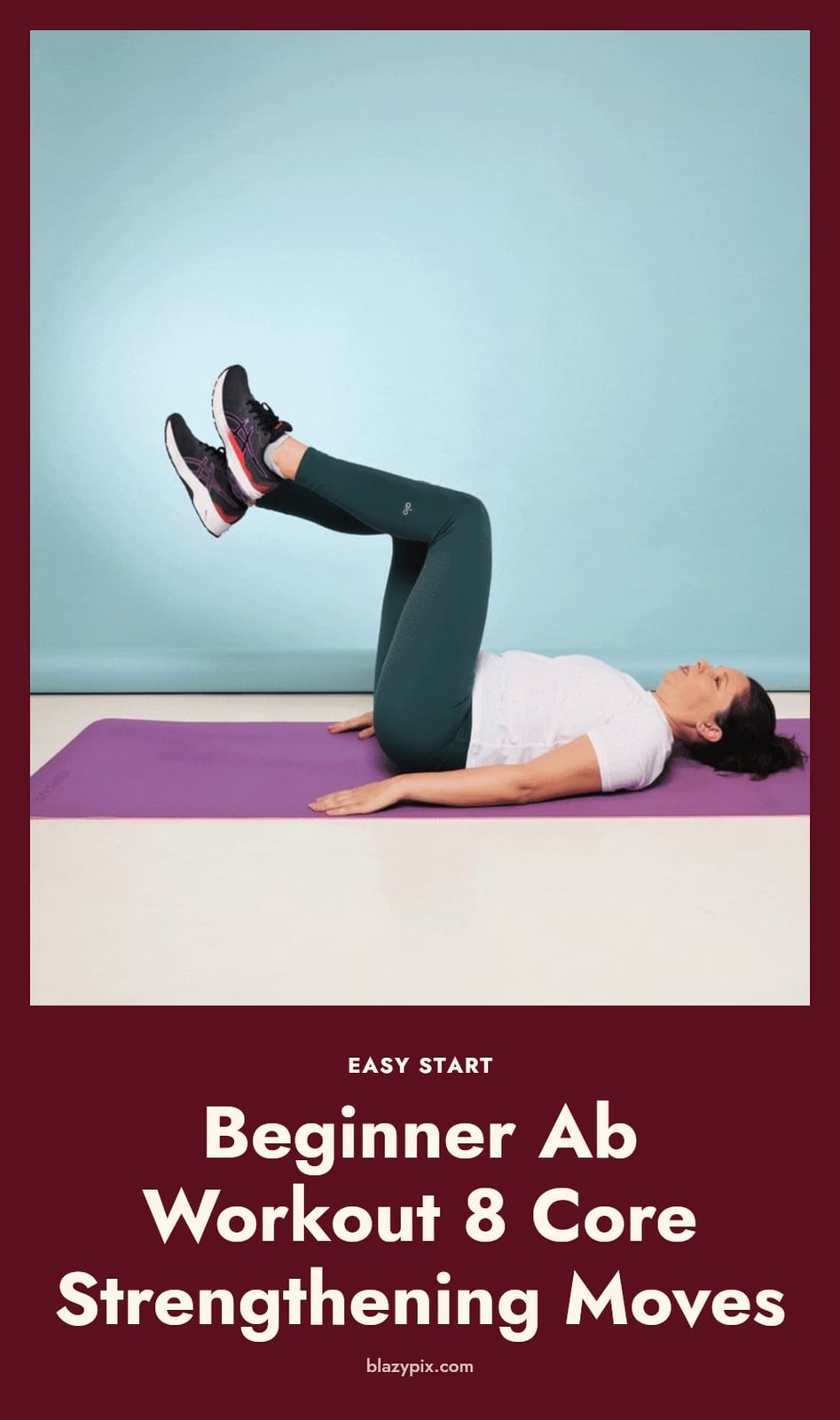
Lie on your back with your knees bent to 90 degrees (tabletop position) and your hands lightly behind your head. Lift your shoulder blades off the mat, then twist your torso to bring your right elbow toward your left knee as you extend your right leg. Alternate sides in a smooth, pedaling motion.
- Sets and reps: 2-3 sets of 10-15 repetitions per side.
- Form cue: Rotate from your ribcage, not your neck. Keep your lower back pressed into the mat throughout.
- Make it easier or harder: Reduce the range of motion or keep both feet on the floor. To challenge yourself, slow down each twist.
6. Leg Raises (Modified)
Lie on your back with your legs straight and your arms by your sides or hands placed under your lower back for support. Keeping both legs straight, slowly lift them to a 90-degree angle, then lower them toward the floor with control. Stop when you feel your lower back start to lift off the mat.
- Sets and reps: 2-3 sets of 10-12 repetitions.
- Form cue: Only lower your legs as far as your lower back stays pressed into the floor. This targets the lower abdominals without straining your back.
- Make it easier or harder: Bend your knees slightly to reduce the load. For more challenge, lower your legs all the way to hover above the mat.
7. Russian Twists (Modified)
Sit on your mat with your knees bent and feet flat on the floor. Lean your torso back until you feel your core engage, keeping your spine long. Hold your hands together in front of your chest and rotate your torso to one side, then the other, in a controlled motion.
- Sets and reps: 2-3 sets of 10-15 twists per side.
- Form cue: Move from your ribcage, not your arms. Avoid swinging or using momentum to twist.
- Make it easier or harder: Keep your feet on the floor for stability. To increase intensity, lift your feet off the mat or hold a light weight.
8. Mountain Climbers

Start in a high plank position with your hands under your shoulders and your body in a straight line from head to heels. Bring one knee toward your chest, then quickly switch legs, as if running in place. Keep the movement controlled and avoid letting your hips bounce.
- Time: 2-3 sets of 30-45 seconds.
- Form cue: Keep your hips stable and low throughout. Engage your core by drawing your navel toward your spine.
- Make it easier or harder: Slow the pace to focus on form, or speed up for a greater cardio challenge.
Essential Gear for Your Ab Workout
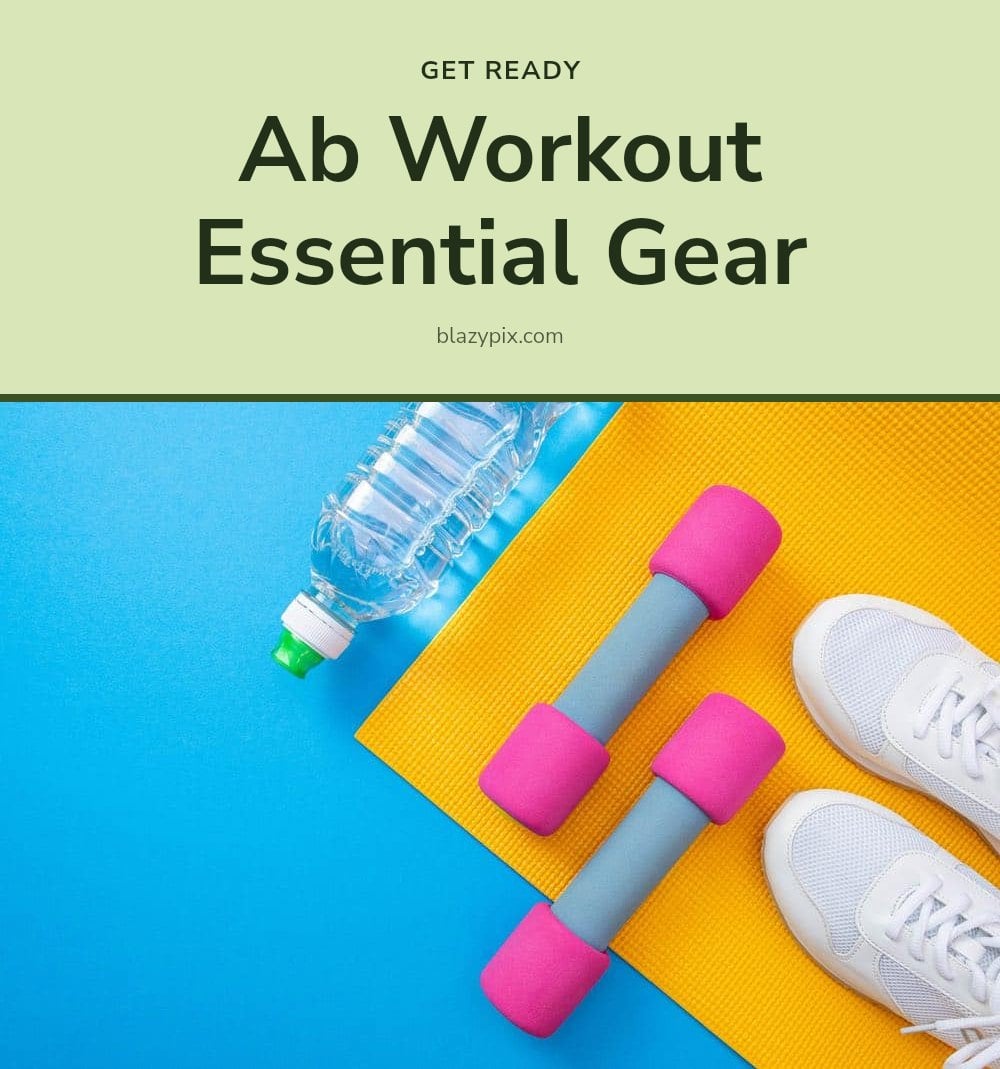
The right gear makes your workout more comfortable and helps you stay consistent. You do not need much to get started.
- Exercise mat: Provides cushioning for your spine and joints during floor exercises.
- Comfortable athletic clothing: Choose clothes that allow a full range of motion without restriction.
- Water bottle: Stay hydrated before, during, and after your workout.
Your Weekly Core Strengthening Plan
Consistency is the real secret to a stronger core. This table gives you a simple schedule you can follow each week. Aim for 2-3 ab workouts on non-consecutive days so your muscles have time to recover and rebuild.
| Day | Workout | Notes |
|---|---|---|
| Monday | Full ab routine | Warm-up then all 8 exercises |
| Tuesday | Rest or light cardio | Walking, stretching |
| Wednesday | Full ab routine | Same as Monday |
| Thursday | Rest or yoga | Focus on deep breathing |
| Friday | Full ab routine | Last session of the week |
| Weekend | Active recovery | Hike, swim, or rest |
Frequently Asked Questions
How often should beginners do ab workouts?
For beginners, aim for 2-3 ab workouts per week, making sure to have a rest day in between sessions. This schedule allows your muscles time to recover and rebuild, which is essential for progress and preventing overuse injuries. Consistency is more important than intensity at this stage.
Can ab workouts help with lower back pain?
Yes, a strong core, including the muscles in your lower back and pelvis, can help improve posture and stability, which may reduce lower back pain. However, if you already have back pain, it’s important to use proper form and avoid exercises that strain your lower back. Consult a healthcare provider before starting if you have a pre-existing condition.
Do I need equipment for an effective ab workout?
No, you can get a great ab workout with just your bodyweight and an exercise mat for comfort. All the moves in this routine, like planks and bird-dogs, are designed to be done without any special equipment. As you progress, you can add light weights or resistance bands, but it’s not necessary to start.
How long does it take to see results from ab workouts?
With consistent effort 2-3 times per week, many people notice strength improvements in 4-6 weeks. Visible changes in muscle definition depend on overall body fat and diet, so ab exercises alone won’t guarantee a six-pack. Focus on building strength and control, and results will follow over time.
Final Thoughts
My tip: pick just two or three of these moves to start with and master the form before adding more. Realistically, you can expect to notice strength improvements in about 4 to 6 weeks if you stick with it. Remember, a strong core is built over time with patience and proper technique, not overnight.
This information is for general informational purposes only and is not a substitute for professional medical or fitness advice. Always consult a doctor or certified fitness professional before starting a new exercise program, especially if you have pre-existing health conditions or injuries. Listen to your body and stop if you experience pain.