Body Scrubbing Steps for Softer, Smoother Skin at Home
Learn how to exfoliate effectively with body scrubbing for smoother, softer skin. Avoid mistakes and find the right products for radiant results.

You want softer, smoother skin, and a good body scrub can get you there fast. The key is doing it right, not just scrubbing harder. This article covers the exact steps, what to avoid, and how to pick the right scrub for your skin type so you get the glow without the irritation.
Key Takeaways
- Scrub 1 to 3 times per week, depending on your skin type.
- Always apply scrub to damp skin using gentle, circular motions.
- Start at your feet and work upward for even coverage.
- Rinse thoroughly and moisturize immediately after scrubbing.
- Stop if you notice redness, stinging, or excessive dryness.
What is Body Scrubbing and Why Should You Do It?
Body scrubbing is physical exfoliation: you use an abrasive product or tool to manually remove dead skin cells from the surface. The payoff is immediate, smoother, softer skin with noticeably improved texture. By sloughing off that dull layer, your moisturizer can actually sink in and work better. Regular scrubbing also helps unclog pores and reduces ingrown hairs, especially on legs and bikini lines.
Your Essential Body Scrubbing Toolkit
Start with a body scrub that matches your skin type. Sugar scrubs are gentle and dissolve quickly, salt scrubs offer more grit, coffee scrubs boost circulation, and synthetic scrubs use uniform beads for a mild exfoliation. For extra sloughing power, grab exfoliating gloves or a loofah. And don’t forget a rich moisturizer. You will need it immediately after scrubbing.
- Body scrub: Sugar, salt, coffee, or gentle synthetic, choose based on your sensitivity.
- Exfoliating tool: Gloves or loofah for deeper exfoliation.
- Moisturizer: A thick lotion or body butter to lock in hydration post-scrub.
Step-by-Step: How to Properly Scrub Your Body for Best Results
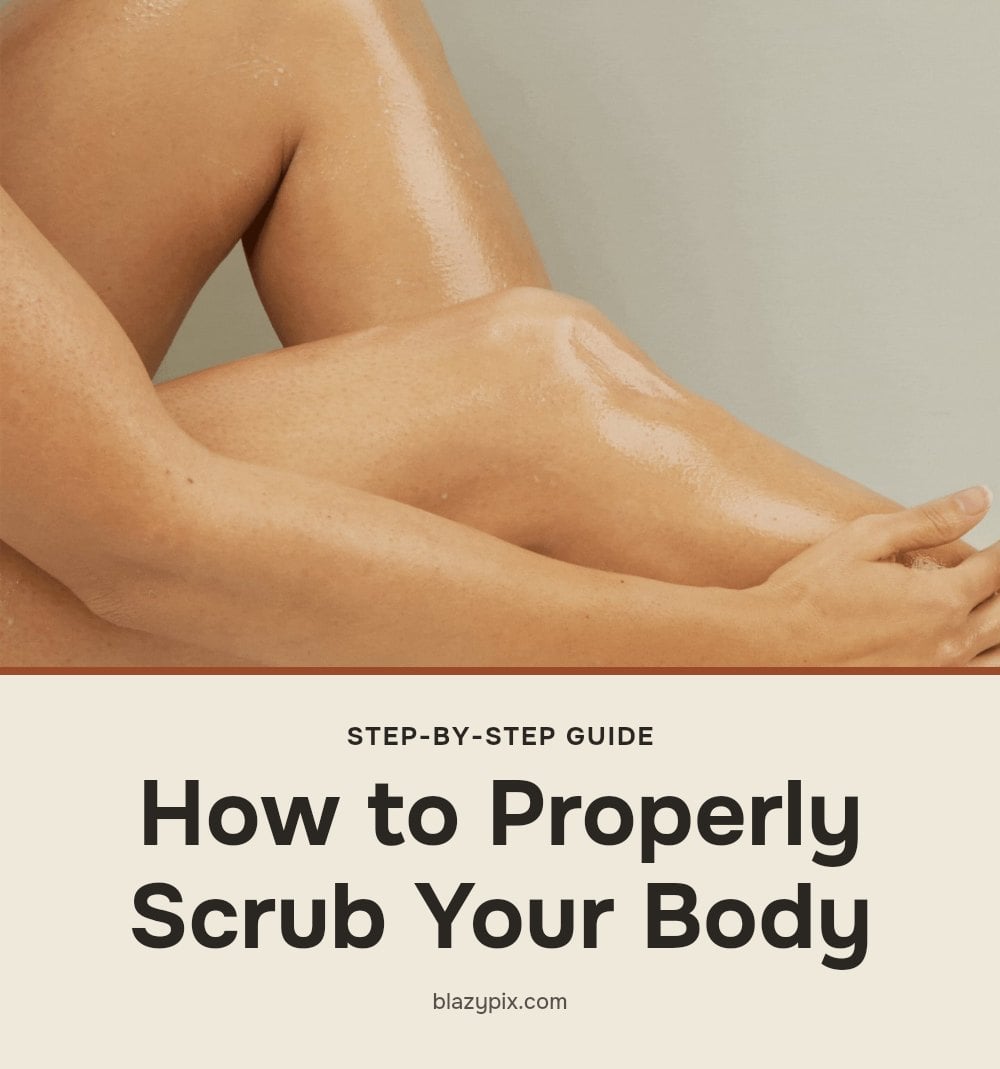
Dampen your skin: Get in the shower or bath and wet your body thoroughly. Warm water softens the skin and opens pores, making the scrub easier to spread.
- Apply the scrub: Scoop a generous amount and start at your feet. Work upward in gentle, circular motions. This direction follows blood flow back to the heart and helps circulation.
- Focus on rough spots: Spend extra time on elbows, knees, and heels where calluses build up. Use lighter pressure on thinner skin like inner arms and thighs.
- Rinse thoroughly: Use lukewarm water to wash off all particles. Hot water strips natural oils, so keep the temperature moderate.
- Pat dry: Gently pat your skin with a towel instead of rubbing. This leaves some moisture on the surface for better product absorption.
- Moisturize immediately: Apply your rich moisturizer while skin is still slightly damp. This seals in hydration and maximizes the smoothing effect.
Common Body Scrubbing Mistakes to Avoid
Over-exfoliation is the most common mistake, scrubbing more than three times a week strips your skin’s protective barrier and causes irritation. Another frequent error is pressing too hard; use light pressure to avoid micro-tears. Always moisturize right after scrubbing, or your skin can feel tight and dry.
- Too much pressure: Can damage the skin, leading to redness and sensitivity.
- Skipping moisturizer: Leaves skin dry, negating the benefits of exfoliation.
- Scrubbing dry skin: Creates too much friction; always apply to damp skin.
- Using on damaged skin: Never scrub over cuts, rashes, sunburn, or active breakouts.
Top Tips for an Even Better Scrubbing Experience
My tip: Always do a patch test before using a new body scrub, especially if you have sensitive skin. Apply a small amount to your inner arm and wait 24 hours to check for any reaction.
For sensitive skin, choose a scrub with finer grains, like sugar or finely ground oatmeal. Coarse salt or crushed nutshells can be too harsh and cause micro-tears.
Don’t forget the often-neglected rough areas: elbows, knees, and heels deserve extra attention with gentle circular motions. Caution: Oil-based scrubs can make the shower floor slippery, so rinse the tub well after use or place a non-slip mat.
How Often to Scrub and What to Expect
A full body scrubbing session takes about 5 to 10 minutes. The recommended frequency is 1 to 3 times per week, depending on your skin type. Oily or thicker skin can handle more frequent exfoliation, while dry or sensitive skin should stick to once a week.
You will likely notice smoother skin after the very first use. With consistent weekly scrubbing, you’ll see ongoing improvement in texture and tone over time. The cost of body scrubs ranges widely, from budget-friendly homemade sugar scrubs to luxury blends, so you can find an option that fits your routine.
When to Consult a Professional About Your Skin
Stop using the scrub and consult a dermatologist if you experience persistent redness, stinging, burning, or excessive dryness after exfoliation. These signs indicate your skin barrier may be damaged.
If you have a chronic skin condition like eczema or psoriasis, talk to your doctor before incorporating body scrubs into your routine. They can recommend safe products or alternative exfoliation methods. Never use a body scrub on areas with cuts, wounds, rashes, or severe acne; seek medical treatment for those skin concerns first.
Frequently Asked Questions
What’s the difference between sugar and salt scrubs?
Sugar scrubs have finer, more soluble grains that dissolve quickly, making them gentler and ideal for sensitive or dry skin. Salt scrubs offer more grit and are better for tougher areas like elbows and knees, but they can sting if you have any nicks or irritation.
Can I use a body scrub on my face?
No. Body scrubs are formulated with larger, coarser grains that are too harsh for the delicate skin on your face. Using them on your face can cause micro-tears and irritation. Stick to a scrub made specifically for facial use.
What if my skin feels irritated after scrubbing?
Stop using the scrub immediately. If the irritation is mild, apply a gentle, fragrance-free moisturizer and give your skin a break from exfoliation for at least a week. If redness, stinging, or burning persists, consult a dermatologist.
Do I need to moisturize after body scrubbing?
Yes, absolutely. Scrubbing removes dead skin cells and can temporarily strip some natural oils. Applying a rich moisturizer immediately after drying locks in hydration and helps your skin feel soft, not tight or dry.
How often should I use a body scrub?
Most people do well with 1 to 3 times per week. Oily or thicker skin can handle up to three sessions, while dry or sensitive skin should stick to once a week. Scrubbing more than that can irritate your skin barrier.
Final Thoughts
For the best results, stick to 1 to 3 scrubbing sessions per week and always follow up with a rich moisturizer. You’ll likely notice smoother skin after the first use, but consistency is what really improves texture over time. Keep it gentle, keep it regular, and your skin will thank you.
This article is for general informational purposes only and does not constitute medical or professional advice. Always consult a dermatologist or healthcare provider before starting a new exfoliation routine, especially if you have sensitive skin, a chronic skin condition, or any persistent skin concerns.