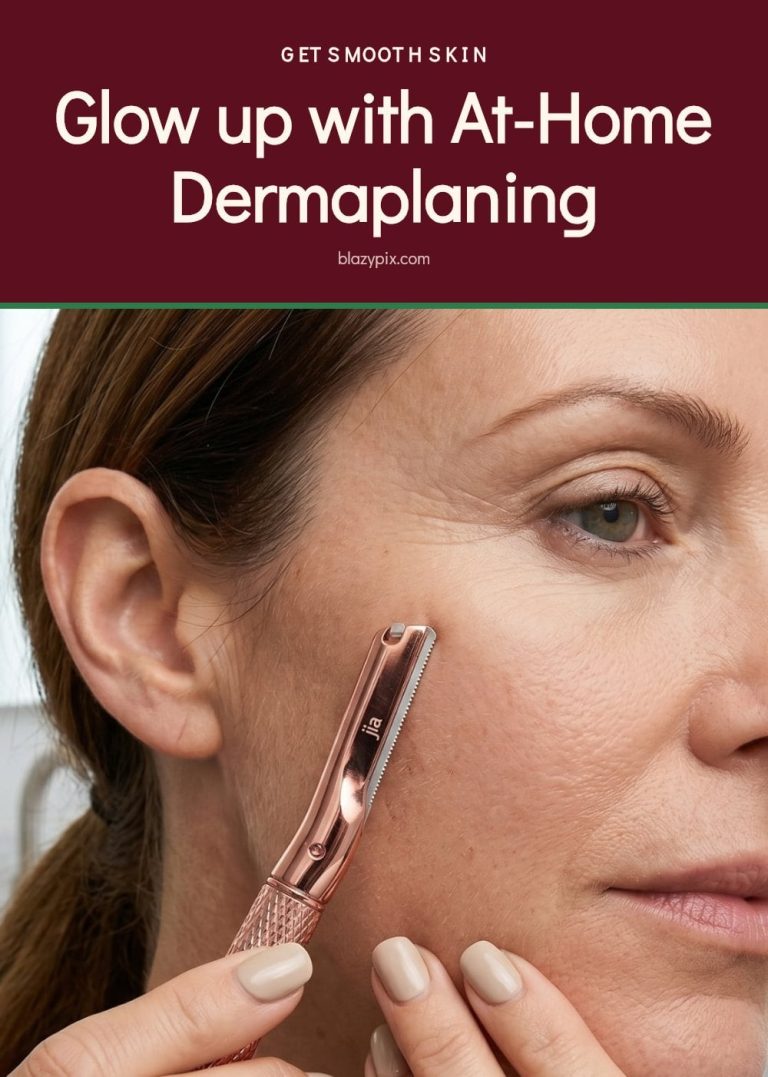
Your Complete Guide to At-Home Dermaplaning for Smooth Skin
Dermaplaning: Discover how to safely dermaplane at home. Learn the steps, essential tools, and aftercare for brighter, smoother skin and improved product.

If you have ever wondered how to get that smooth, glowing complexion without a trip to the dermatologist, dermaplaning might be the answer. This at-home treatment gently removes dead skin cells and peach fuzz, leaving your face feeling silky and looking brighter. In this article, I will walk you through the essential steps, the tools you need, and the safety precautions that matter, so you can decide if this is the right addition to your skincare routine.
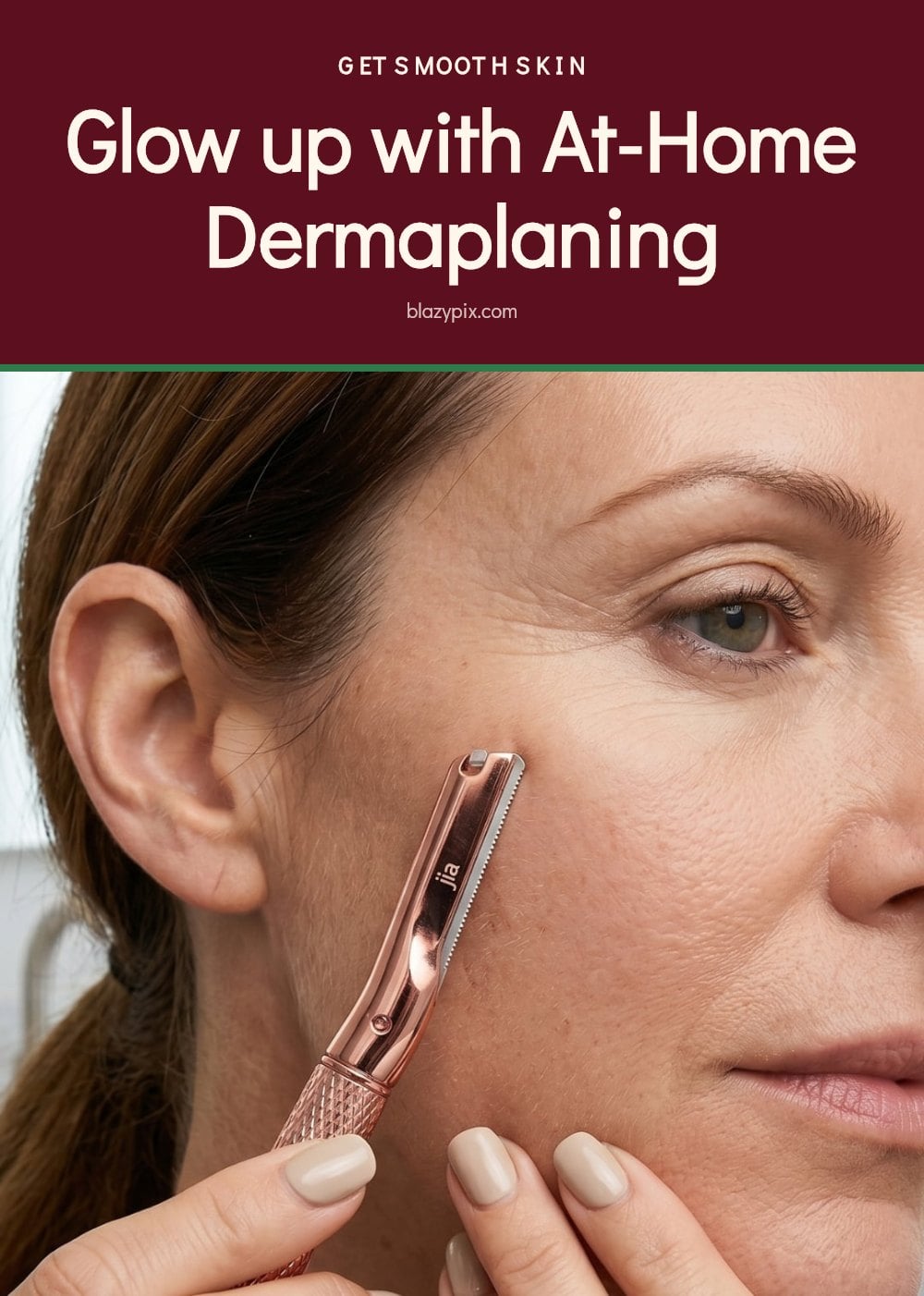
Key Takeaways
- Dermaplaning removes dead skin cells and peach fuzz for a smoother look.
- Always use a fresh, sharp blade and hold it at a 45-degree angle.
- Do not dermaplane over active acne, rosacea, or irritated skin.
- Apply a hydrating serum and moisturizer right after the procedure.
- Use broad-spectrum SPF 30+ daily and wait 3-4 weeks between sessions.
What is Dermaplaning and How Does it Work?
Dermaplaning is a physical exfoliation method that uses a sterile blade to gently scrape off dead skin cells and vellus hair, commonly called peach fuzz. This process reveals smoother, brighter skin underneath and can help your serums and moisturizers absorb more effectively. You can have the procedure done professionally at a spa or do it yourself at home with specialized tools designed for consumer use.
Your Essential Dermaplaning Tool Kit
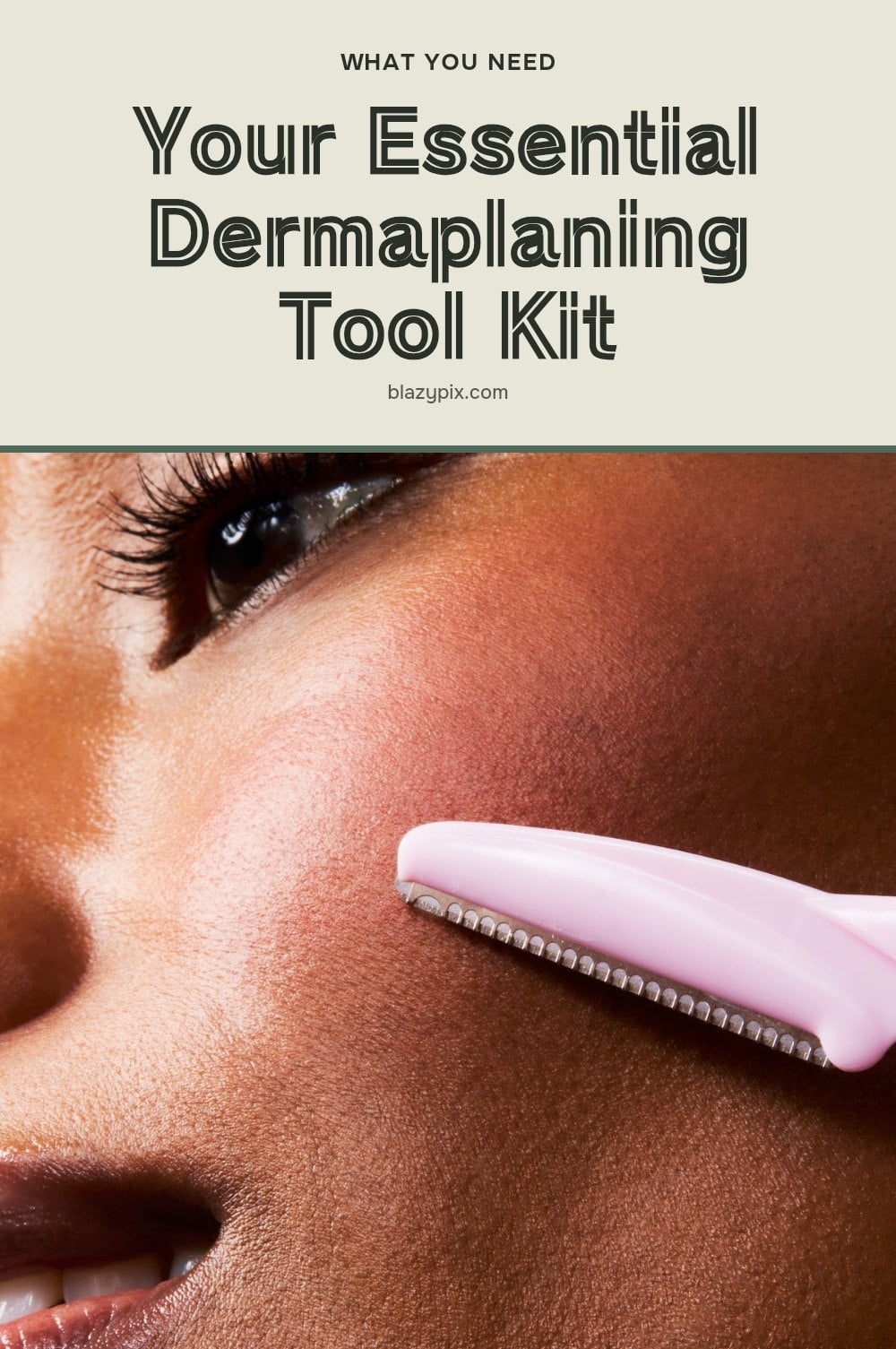
Having the right supplies makes the difference between a smooth experience and a frustrating one. Here is what you need.
- Dermaplaning tool: A sharp, sterile facial razor or scalpel is non-negotiable for safety and effective exfoliation. Change the blade each time you dermaplane.
- Gentle cleanser: Use a mild, non-exfoliating cleanser to remove makeup, oil, and dirt before you start.
- Hydrating serum: A serum with ingredients like hyaluronic acid or glycerin calms the skin right after the procedure.
- Moisturizer: A rich, fragrance-free moisturizer locks in hydration and supports the skin barrier.
- Broad-spectrum sunscreen: SPF 30 or higher is non-negotiable after dermaplaning, even on cloudy days or when you stay indoors.
Step-by-Step Guide to At-Home Dermaplaning
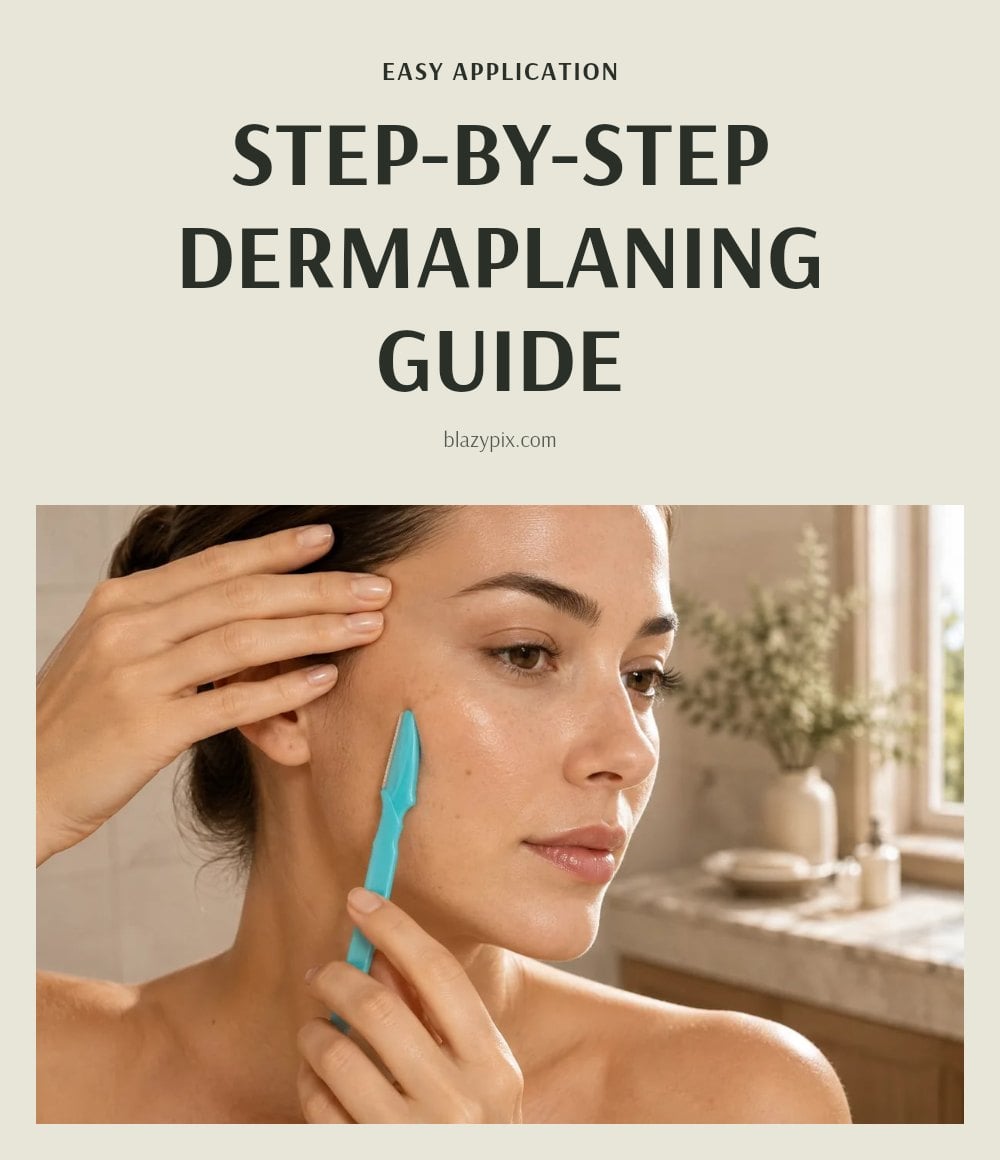
Follow these steps carefully to minimize the risk of irritation or cuts.
- Cleanse and dry: Wash your face with a gentle cleanser, then pat it completely dry. Any moisture on the skin can make the blade drag instead of glide.
- Hold the skin taut: Use your free hand to stretch the area you are working on. A flat, tight surface prevents the blade from catching on loose skin.
- Angle the blade at 45 degrees: Position the tool so it sits at a 45-degree angle to your skin. This angle allows the blade to remove dead cells without digging in.
- Use short, gentle, downward strokes: Move the blade in the direction of hair growth, using short, gentle strokes. Apply light pressure and let the sharpness of the blade do the work.
- Do not go over the same area multiple times: One or two passes is enough. Repeating strokes on the same spot increases the chance of nicks and irritation.
- Follow with hydration and protection: After you finish, apply a hydrating serum, then a moisturizer, and finish with broad-spectrum sunscreen.
Post-Dermaplaning Care for Radiant Skin
Your skin will be more sensitive right after dermaplaning, so a gentle routine is key for the next few days.
- Apply hydrating serum and moisturizer: Do this immediately after dermaplaning to soothe the skin and replenish moisture.
- Use broad-spectrum SPF 30+ daily: Sun protection is non-negotiable after dermaplaning because the fresh skin is more vulnerable to UV damage. Reapply as needed, even if you stay indoors.
- Avoid harsh exfoliants and retinoids: Skip chemical exfoliants, scrubs, and retinol for at least 3 to 4 days to let the skin barrier recover.
- Keep skin clean and hydrated: Stick to a simple routine of cleansing, hydrating, and protecting until any slight redness fades.
Common Dermaplaning Mistakes to Avoid
Using a dull or dirty blade is a top mistake. A fresh, sharp tool cuts cleanly and reduces the risk of nicks and irritation. Replace your blade each session and never share it.
Applying too much pressure is another common error. The blade should glide across the skin with a light touch. Pressing harder increases the chance of cuts and doesn’t improve results. My tip: think of it as scraping off a thin layer, not digging in.
Not stretching the skin taut can lead to uneven exfoliation and accidental injury. Use your free hand to hold the skin flat before each stroke. Never dermaplane over active breakouts, cuts, or irritated areas; it can worsen inflammation and spread bacteria. Afterward, skipping moisturizer and sunscreen cancels out the benefits and leaves your skin vulnerable. Finally, dermaplaning every 3-4 weeks is enough. Doing it too often damages the skin barrier.
Dermaplaning Myths Debunked
Myth: Hair grows back thicker or darker after dermaplaning. Reality: Vellus hair, or peach fuzz, has a tapered tip that feels soft and fine. When you shave it off, the blunt tip that regrows may feel slightly coarser for a day or two, but it grows back with the same texture, color, and growth pattern as before. No change in thickness or darkness occurs.
Myth: Dermaplaning is painful. Reality: Most people describe the sensation as a gentle scraping or light tickling. It is not painful. If you feel any pulling or discomfort, check that your blade is sharp and your skin is held taut.
How Often to Dermaplane and What to Expect
You will see results immediately after the first session. Your skin will feel smoother and look brighter, and makeup will glide on more evenly. The general recommendation is to dermaplane every 3-4 weeks. That interval matches your skin’s natural cell turnover cycle and allows peach fuzz to grow back enough for a clean shave.
At-home dermaplaning tools are a cost-effective option compared to professional treatments. A new blade must be used each session, making it a practical addition to your regular routine.
When to Consult a Professional or Dermatologist
If you have active acne, rosacea, eczema, or any other inflammatory skin condition, consult a dermatologist before trying dermaplaning. The blade can aggravate these conditions and cause more harm than good. Never dermaplane over open wounds, cuts, or cold sores.
Seek professional advice if you experience persistent irritation, excessive redness, or unexpected skin reactions after a session. Professional dermaplaning may be a better choice if you want a deeper exfoliation or feel unsure about performing the technique yourself. A licensed esthetician can also provide guidance on whether this treatment is right for your skin type.
Frequently Asked Questions
Does dermaplaning make hair grow back thicker?
No, it does not. The peach fuzz that dermaplaning removes has a tapered tip, so when it regrows, the blunt edge may feel slightly coarser for a day or two, but it is not thicker or darker. This is a common myth, and many people find the regrowth is barely noticeable.
How often should I dermaplane my face?
The general recommendation is to dermaplane every 3-4 weeks. This matches your skin’s natural cell turnover cycle and allows the peach fuzz to regrow enough for a clean, effective session. Doing it more often can lead to over-exfoliation and irritation.
Can I dermaplane if I have sensitive skin?
If you have sensitive skin, you can try it, but you need to be cautious. Use a very light touch and avoid any areas that are red or irritated. If you have a condition like rosacea or eczema, it is best to consult a dermatologist first, as the blade can aggravate these issues.
What should I avoid after dermaplaning?
After dermaplaning, avoid harsh exfoliants, retinoids, and any products with strong active ingredients for a few days. Also, skip makeup if your skin feels sensitive, and always apply a broad-spectrum sunscreen with at least SPF 30 before going outside, because your skin is more prone to sun damage.
Is dermaplaning painful?
Most people do not find dermaplaning painful when done correctly. You should feel a gentle scraping sensation, not pain. If you experience any sharpness, stinging, or bleeding, stop immediately. The blade should glide smoothly over taut, dry skin, so if it pulls or snags, check your technique or blade.
Final Thoughts
My tip: if you are new to dermaplaning, start with a gentle touch and follow the steps exactly as described. You will see immediate results, but do not expect a permanent change; the effects last until your skin naturally turns over, which is about 3-4 weeks. Remember to always protect your skin with sunscreen afterward, and if you have any underlying skin conditions, check with a dermatologist before you begin.
This article is for general information only and is not a substitute for professional medical or skincare advice. Always consult a dermatologist or qualified skincare professional before starting any new treatment, especially if you have underlying skin conditions, persistent irritation, or concerns about your skin’s health.