
How to Improve Your Social Skills and Connect Better
Learn how to improve your social skills with practical advice. Build better relationships and navigate social situations with confidence.

You know that feeling when you walk into a room and wish you could just connect more naturally with the people around you? Social skills are not something you are born with; they are learned habits that anyone can improve at any age. This article covers practical, everyday ways to strengthen your interactions, from active listening and body language to handling small talk and conflict, so you can build stronger relationships and feel more at ease in any social setting.

Key Takeaways
- Practice active listening by giving full attention and asking clarifying questions.
- Maintain eye contact about 60-70% of the time to show engagement without intensity.
- Ask open-ended questions to invite longer responses and deeper conversations.
- Offer specific, genuine compliments to build rapport and make others feel valued.
- Join a group around a shared interest for low-pressure practice and natural conversation starters.
What Are Social Skills and Why Do They Matter?
Social skills are the learned communication and interaction abilities that help us connect effectively with others. They cover both verbal and non-verbal cues, including body language, tone of voice, and active listening. Developing these skills improves relationships, reduces feelings of isolation, and increases comfort in various social settings. The good news is that these are not fixed traits; anyone can strengthen them with practice.
1. Practice Active Listening
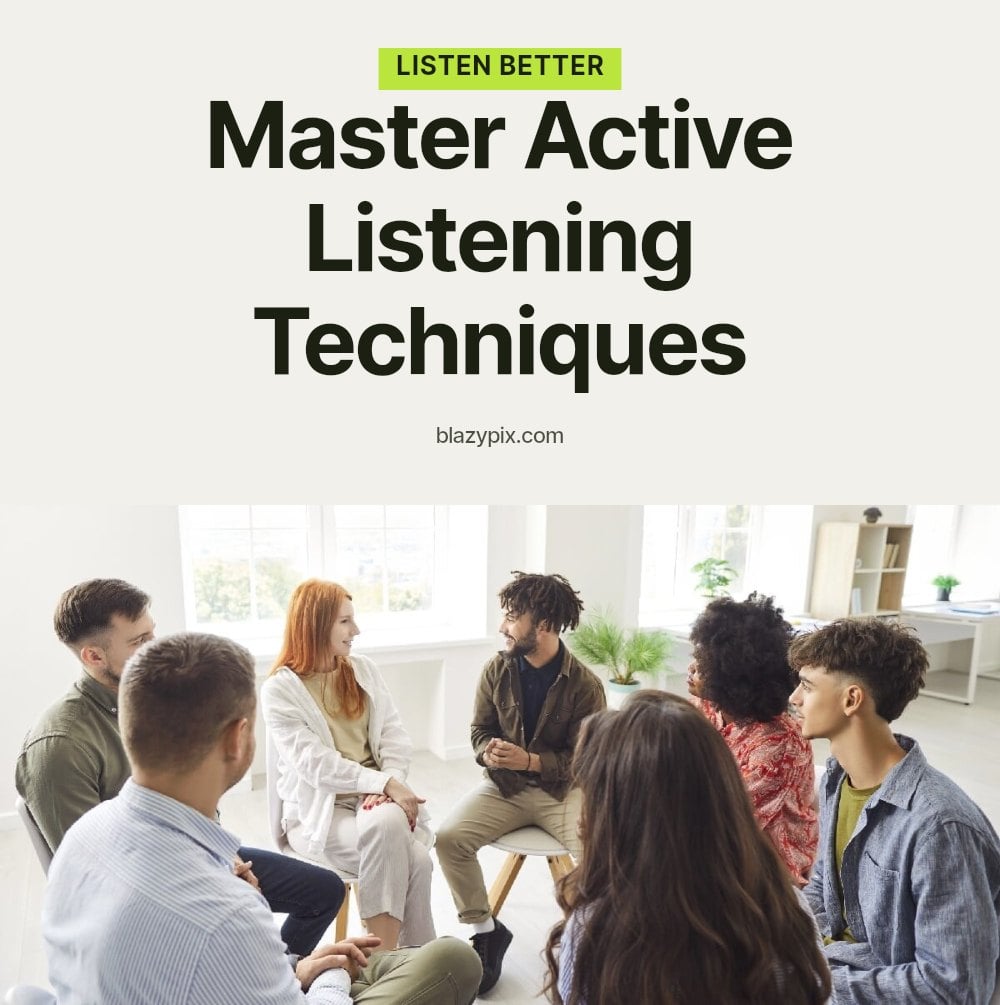
Give your full attention: Put away your phone and focus on the speaker instead of planning what you will say next. Nod and use small verbal cues like “I see” to show you are following.
- Ask clarifying questions: Say something like “Can you tell me more about that?” to confirm you understand and to show genuine interest.
- Remember what is said: Actively recall details from earlier in the conversation. Bringing up a point from five minutes ago shows you value what the person shared.
2. Master Non-Verbal Cues

Check your body language: Keep your arms uncrossed and face the person directly. Open postures signal approachability and interest.
- Maintain eye contact: Aim for about 60-70% of the conversation. Too little looks disinterested, too much can feel intense.
- Read their cues: Notice facial expressions and gestures. A furrowed brow may mean confusion, while leaning in often signals engagement.
3. Ask Open-Ended Questions
Avoid yes-or-no questions: Asking “Did you have a good weekend?” often gets a one-word answer. Instead, ask “What did you do over the weekend?” to invite a longer response.
My tip: Start with “How do you feel about…?” or “What was your experience with…?” These prompts naturally lead to stories and opinions, which helps you learn more about the other person and keeps the conversation flowing.
4. Cultivate Empathy
Empathy means trying to understand a situation from someone else’s perspective and sharing their feelings. This builds stronger connections because it shows you genuinely care. Practice: During a conversation, pause and imagine yourself in their position. Ask yourself how you would feel if you were them. This shifts your focus from your own reactions to theirs, making your responses more thoughtful and supportive.
5. Practice Self-Awareness
Self-awareness starts with understanding your own emotions and how they affect your interactions. When you recognize what triggers your frustration or anxiety, you can pause and respond more thoughtfully instead of reacting on impulse. Good to know: Acknowledge your strengths, like being a good listener, and your growth areas, such as speaking up in groups. This honest self-view helps you adjust your approach in real time.
6. Engage in Small Talk
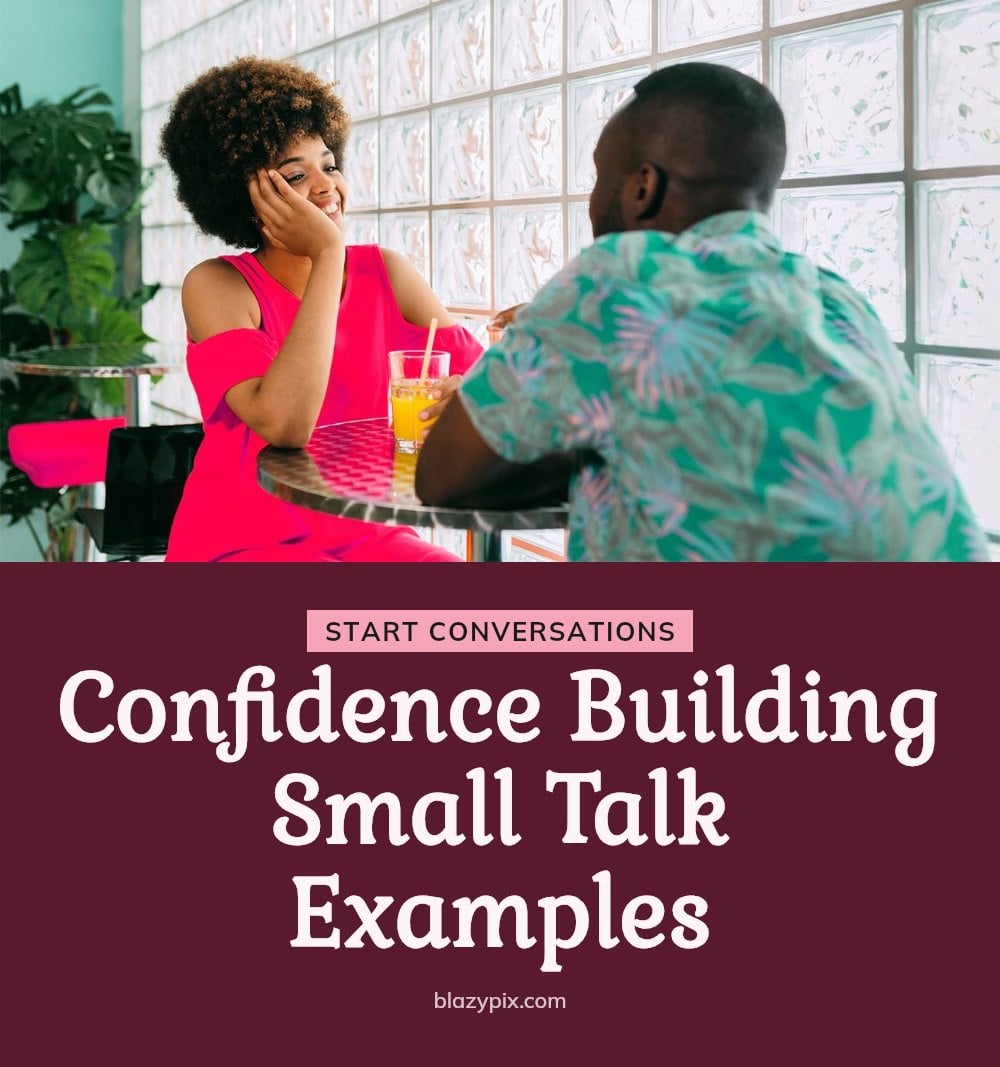
Small talk is not trivial; it is a low-pressure way to find common ground and build rapport. Brief chats about the weather or a shared experience open the door to deeper conversations later. My tip: Comment on the immediate environment, like the playlist at a café or the view from a window. It feels natural and gives the other person an easy way to respond.
7. Offer Genuine Compliments
Authentic compliments make others feel valued and can instantly build rapport. The key is specificity: instead of “Good job,” point out a concrete action or quality. Tip: “I really admire how you handled that presentation” carries more weight because it shows you noticed the effort. Focus on what the person did, not just a generic trait, so the compliment feels genuine and memorable.
8. Improve Conflict Resolution
Respectful disagreement starts with separating the issue from the person. Instead of saying “You always do this,” describe the specific problem: “When the report was late, I felt stressed about the deadline.” This keeps tension low and invites collaboration. Seek common ground by identifying a shared goal, like completing the project on time. Tip: Use “I” statements to express your perspective without blame. This approach strengthens relationships because it solves the problem without damaging trust.
9. Seek Feedback and Practice

Ask one or two trusted people for honest feedback on your social interactions. Frame it as a request for help: “I’m working on being a better listener. Did you notice anything I could improve?” Their observations can reveal blind spots, like talking too much or missing non-verbal cues. Pro move: After receiving feedback, practice the adjustment in low-stakes settings, such as with a barista or colleague. Confidence grows each time you apply what you learned.
10. Join Groups with Shared Interests

Joining a group around a hobby you already enjoy removes the pressure of starting conversations from scratch. The shared activity becomes a natural conversation starter. Whether it’s a weekly book club, a hiking meetup, or a volunteer team, regular interaction builds familiarity. Good to know: Pick a group that meets at least twice a month. Consistent exposure makes socializing feel routine instead of intimidating, and friendships develop organically over time.
11. Be Punctual and Follow Up
Arriving on time shows you value the other person’s schedule. Even five minutes late can signal disinterest or poor planning. If you know you’ll be delayed, send a quick text to let them know. Following up after meeting someone new also reinforces the connection. A simple message like “I enjoyed our conversation about hiking. Hope we can chat again soon” makes a lasting positive impression. Caution: Only follow up if the interaction felt mutual; forced contact can feel pushy.
Common Social Skill Mistakes to Avoid
Believing skills are fixed: Many people think social ability is something you’re born with. It’s not. These are learned behaviors that can be improved at any age with consistent practice. Not truly listening: When you focus on what to say next instead of understanding the speaker, you miss cues and the conversation feels one-sided. Practice staying present. Avoiding social situations: Skipping gatherings because of anxiety prevents the practice that builds confidence. Start with one short, low-pressure interaction per week. Being inauthentic: Trying to act like someone else makes interactions feel forced and uncomfortable. People respond better to genuine interest and honesty, even if it’s imperfect.
Frequently Asked Questions
Can social skills be learned at any age?
Yes, absolutely. Social skills are learned behaviors, not fixed traits. Adults can improve them at any stage of life through consistent practice, self-awareness, and feedback from others. It is never too late to become more comfortable and effective in social interactions.
How long does it take to improve social skills?
Improvement is gradual and varies by person. With regular practice, you may notice small changes in comfort and confidence within a few weeks. More significant, lasting improvement typically takes several months of consistent effort, so patience and persistence are key.
Is it normal to feel anxious in social situations?
Yes, many people experience some social anxiety, especially in unfamiliar settings. A little nervousness is normal. However, if anxiety is severe or prevents you from participating in daily activities, it may help to speak with a mental health professional who can offer strategies and support.
What are the most important social skills?
The most impactful skills include active listening, empathy, clear communication, and reading non-verbal cues. Mastering these helps you build trust, avoid misunderstandings, and create genuine connections. Conflict resolution and small talk are also essential for navigating everyday interactions smoothly.
Final Thoughts
Start with one small change, like putting your phone away during a conversation or asking one open-ended question each day. Real improvement takes consistent practice over weeks and months, so be patient with yourself. Remember, every interaction is a chance to learn and grow, and the effort you put in will make your relationships more rewarding.
This article is for general informational purposes only and is not a substitute for professional advice. If social anxiety or difficulty with social interactions significantly impacts your daily life, consider seeking support from a qualified mental health professional.