Wavy Hair Routine for Beginners: Steps for Defined Waves
Unlock your best wavy hair! Follow this easy routine for beginners to get defined waves, reduce frizz, and keep your hair healthy and hydrated.

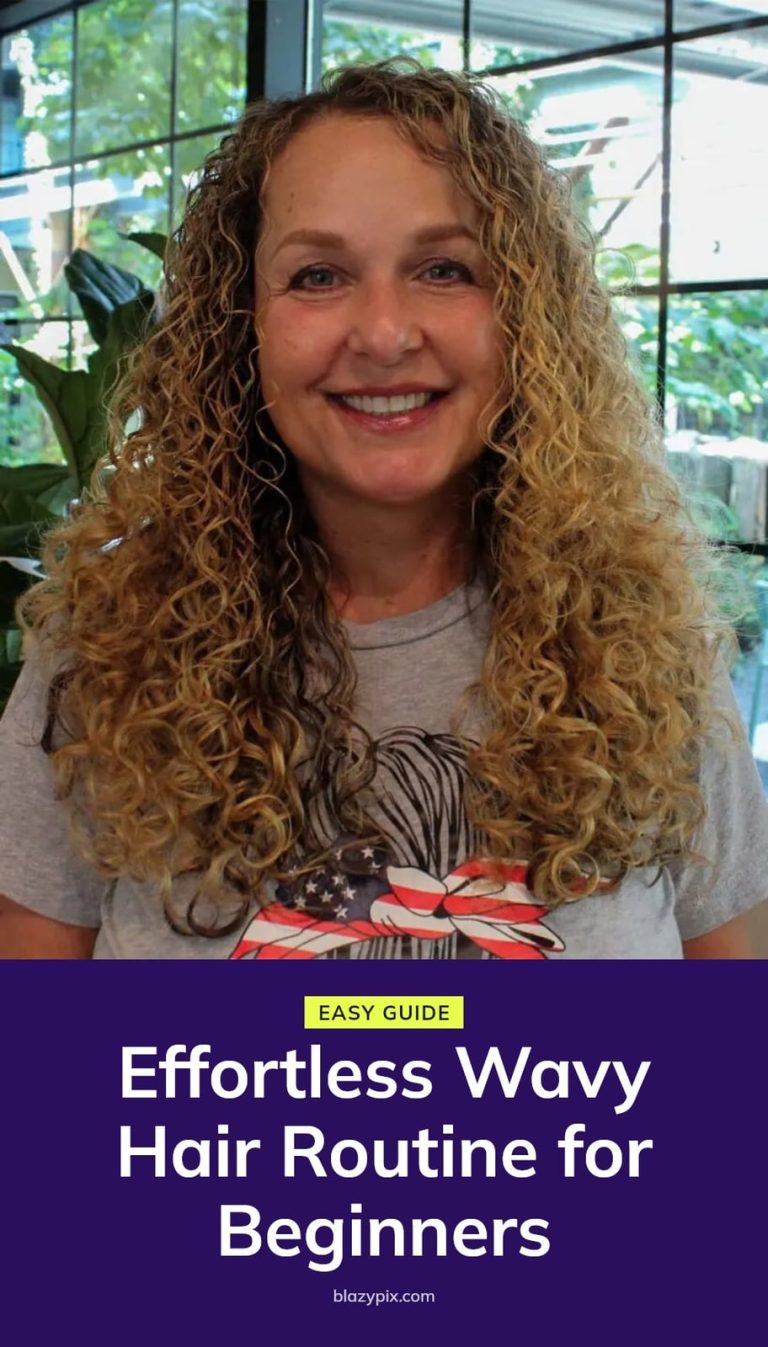
You already know your wavy hair has a mind of its own: some days it’s loose and beachy, other days it’s a frizzy mess. The key to consistent, defined waves is a simple routine that works with your natural S-shape instead of fighting it. This article walks you through the essential products, step-by-step styling, and common mistakes to avoid, so you can get soft, bouncy waves every time.
Key Takeaways
- Wash wavy hair 2-3 times a week with sulfate-free shampoo to avoid stripping natural oils.
- Always style on thoroughly wet hair to help products absorb and prevent greasiness.
- Use a cotton t-shirt or microfiber towel to blot, never rub, to cut frizz.
- Diffuse on the lowest heat and air settings to keep waves defined.
- Sleep on a silk or satin pillowcase to reduce overnight friction.
Your Best Wavy Hair Routine for Defined, Frizz-Free Waves
A wavy hair routine is all about working with your natural S-shape pattern instead of against it. The goal is simple: enhance your waves, cut down on frizz, and keep your hair healthy. That means gentle cleansing with sulfate-free products, lightweight conditioning, and styling techniques that encourage curl formation without weighing things down. The golden rule is to apply every product to thoroughly wet hair, coax waves into shape with a soft hand, and skip heavy formulas that flatten your pattern.
Essential Tools and Products for Wavy Hair

You do not need a huge arsenal to get defined waves. These are the essentials, and most of them do double duty.
- Sulfate-free shampoo: Cleanses without stripping the natural oils your waves need.
- Lightweight conditioner: Hydrates from mid-length to ends without flattening your pattern.
- Leave-in conditioner: Extra moisture for dry, coarse, color-treated, or damaged hair.
- Curl cream: Enhances wave shape and adds definition, use a small amount.
- Lightweight gel or mousse: Holds the style and controls frizz, a spray gel works well.
- Wide-tooth comb: Detangles wet, conditioned hair without breaking waves.
- Microfiber towel or cotton t-shirt: Blots excess water gently and cuts down on frizz.
- Hair diffuser: Dries waves evenly on low heat for definition.
- Hair clips: Optional, but handy for sectioning while you style.
- Silk or satin pillowcase: Reduces overnight friction so your waves stay smooth.
Step-by-Step: Your Wavy Hair Styling Routine
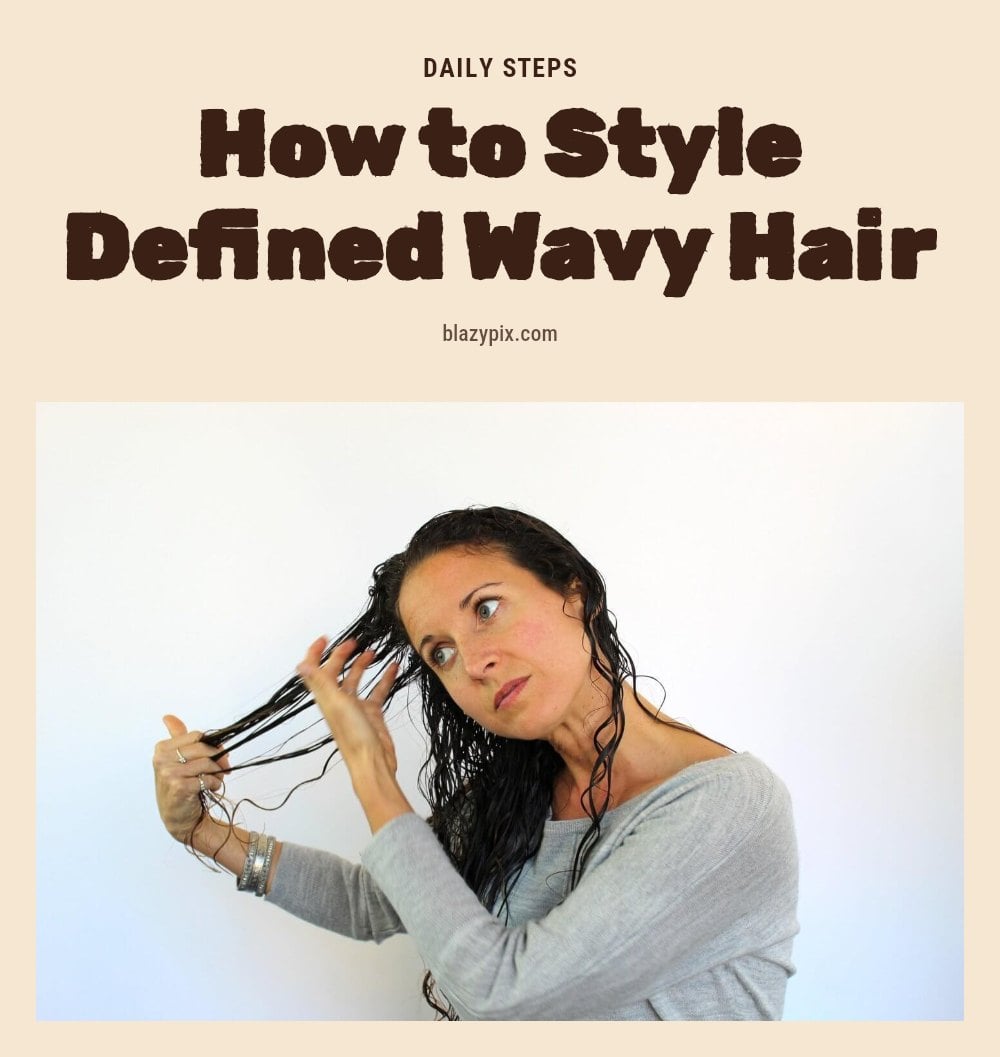
This routine follows a specific order, and each step builds on the last. Start in the shower or right after, and keep a spray bottle nearby in case your hair starts to dry out mid-styling.
- Wet your hair thoroughly: Every product you apply needs water to absorb properly. If your hair is only damp, the products sit on top and leave waves greasy and frizzy.
- Squish in leave-in conditioner: Work it through your hair with a gentle squishing motion, pressing the product into your strands. This helps absorption and preps your hair for styling.
- Apply curl cream: Use a small amount, about a dime to a quarter size depending on your length. Distribute it evenly with your hands, then squish again to encourage wave clumps.
- Brush through: Use a wide-tooth comb or a wet brush to distribute the products evenly from roots to ends. This also helps waves form bigger, more defined clumps.
- Scrunch and hold: Cup sections of hair in your palms and gently push upward toward your scalp. Hold for a few seconds, then release. For tighter definition, wrap a section around the handle of your brush to form a barrel curl, then scrunch and hold.
- Seal with gel or mousse: Apply a lightweight gel or spray mousse all over to lock in the shape. This creates a cast around the waves that holds them as they dry.
- Scrunch again: Gently press the product into your hair with the same upward motion. Keep it soft, aggressive scrunching creates friction and frizz.
- Blot with a t-shirt: Use a cotton t-shirt or microfiber towel to lightly scrunch your hair and remove excess water. This cuts drying time without roughing up the cuticle.
- Diffuse on low: Set your dryer to the lowest heat and air speed. Hover the diffuser near your hair and move it slowly, excessive movement disturbs the wave clumps and causes frizz.
If you hear a squishing sound while applying products, that is a good sign. It means your hair is wet enough for everything to sink in properly.
Here is the method in action: Hang demonstrates it in about 4 minutes.
Common Wavy Hair Mistakes to Avoid
Most wavy hair problems come down to a few fixable habits. Here is what to stop doing right now.
- Styling on dry hair: Products cannot absorb into dry strands, so they sit on top and leave waves greasy and frizzy. Always start with thoroughly wet hair.
- Skipping leave-in conditioner: Your hair loses moisture fast without it, especially if it is coarse, color-treated, or damaged. This step is not optional for most wavies.
- Using too much or too little curl cream: Too much weighs waves down into straight strings, too little leaves them undefined. Start small and add more if needed.
- Aggressive scrunching: Rough handling creates friction, and friction means frizz. Use a light touch and let the products do the work.
- Brushing dry wavy hair: This breaks up the wave pattern, causes frizz, and can be genuinely painful. Detangle only when wet and conditioned.
- Over-drying with a regular towel: Terry cloth is too rough for waves. Switch to a microfiber towel or cotton t-shirt to blot instead of rub.
- Using high heat or speed when diffusing: High settings dry the cuticle out and create frizz. Always use the lowest heat and speed your dryer offers.
- Excessive movement while diffusing: Moving the diffuser around constantly breaks up wave clumps as they dry. Keep it still and let the air do the work.
Pro Tips for Enhancing Your Wavy Hair
Listen for the 'squish': When you scrunch products into soaking wet hair, a squishing sound means you have enough water for proper absorption. No squish means re-wet before continuing.
Re-wet as needed: Keep a spray bottle nearby. If your hair starts drying during styling, mist it lightly to prevent frizz and help products spread evenly.
Gentle detangling: Use a wide-tooth comb on wet, conditioned hair only. Start at the ends and work up to avoid breakage and keep your wave clumps intact.
Protect your waves overnight: Sleep on a silk or satin pillowcase to reduce friction and frizz. For extra protection, gather your hair into a loose pineapple bun on top of your head.
Deep condition regularly: Once a week or every other week, use a deep conditioning treatment. This is especially helpful if your hair is dry, color-treated, or prone to damage.
Routine Frequency and Expected Results
Perform this routine 2-3 times a week, adjusting based on how oily your hair gets or how much product builds up. Over-washing strips natural oils and leads to frizz.
You will likely see improved wave definition and less frizz after a few consistent washes. Styling products like gel and mousse last for months, so the upfront cost balances out over time.
Frequently Asked Questions
How often should I wash my wavy hair?
Aim for 2-3 times a week, or as needed. Washing too often strips natural oils and leads to dryness and frizz. If your hair feels oily between washes, you can refresh with water and a little leave-in conditioner instead of a full wash.
Can I air dry my wavy hair instead of diffusing?
Yes, air drying is fine, but it can take longer and may lead to more frizz if you let it dry completely untouched. To speed it up, gently scrunch with a cotton t-shirt to remove excess water, then let it air dry. If you prefer less frizz, a diffuser on low heat and air settings is a good option.
What’s the best way to sleep with wavy hair?
Sleep on a silk or satin pillowcase to reduce friction and frizz overnight. You can also try a loose pineapple bun, gathering your hair loosely on top of your head, to help preserve your wave pattern while you sleep.
How do I know if a product is too heavy for my wavy hair?
If your waves look weighed down, flat, or greasy after using a product, it’s likely too heavy. Look for lightweight, water-based formulas and avoid oil-based or thick creams. Start with a small amount and add more only if needed, and always apply to wet hair for better distribution.
Final Thoughts
Stick to this routine for a few consistent washes, and you should see better wave definition and less frizz. The biggest win is styling on wet hair with lightweight products, so keep a spray bottle handy and always listen for that squish. If you only take one tip, let it be this: be gentle with your waves, from scrunching to drying, and they will reward you.