
Tired All the Time? Easy Ways to Get Your Energy Back
If you're tired all the time, discover easy, practical lifestyle adjustments to boost your energy and feel more rested. Learn how to reclaim your vitality.

Feeling tired all the time can make even simple tasks feel like a struggle. You might think it’s just about sleep, but often it’s a mix of habits, from what you drink to how you handle stress. The good news is that small, practical changes can help you feel more like yourself again. This article covers the common reasons for low energy, simple ways to boost it, mistakes that can keep you stuck, and when to see a doctor. Let’s get started.

Key Takeaways
- Adults need 7-9 hours of sleep nightly; consistent schedule helps.
- Drink water throughout the day; even mild dehydration can cause fatigue.
- Add moderate aerobic exercise like brisk walking to boost energy.
- Limit caffeine and alcohol close to bedtime for better sleep.
- Get 10-15 minutes of morning sunlight to regulate your rhythm.
Why You Might Be Feeling Tired All the Time
Feeling tired all the time usually isn’t just one thing. It’s often a mix of poor sleep, mild dehydration, and daily stress stacking up. The good news: small tweaks to your routine can noticeably lift your energy. But if fatigue feels severe or sticks around despite your best efforts, check with a doctor to rule out something medical.
Common Reasons for Persistent Low Energy
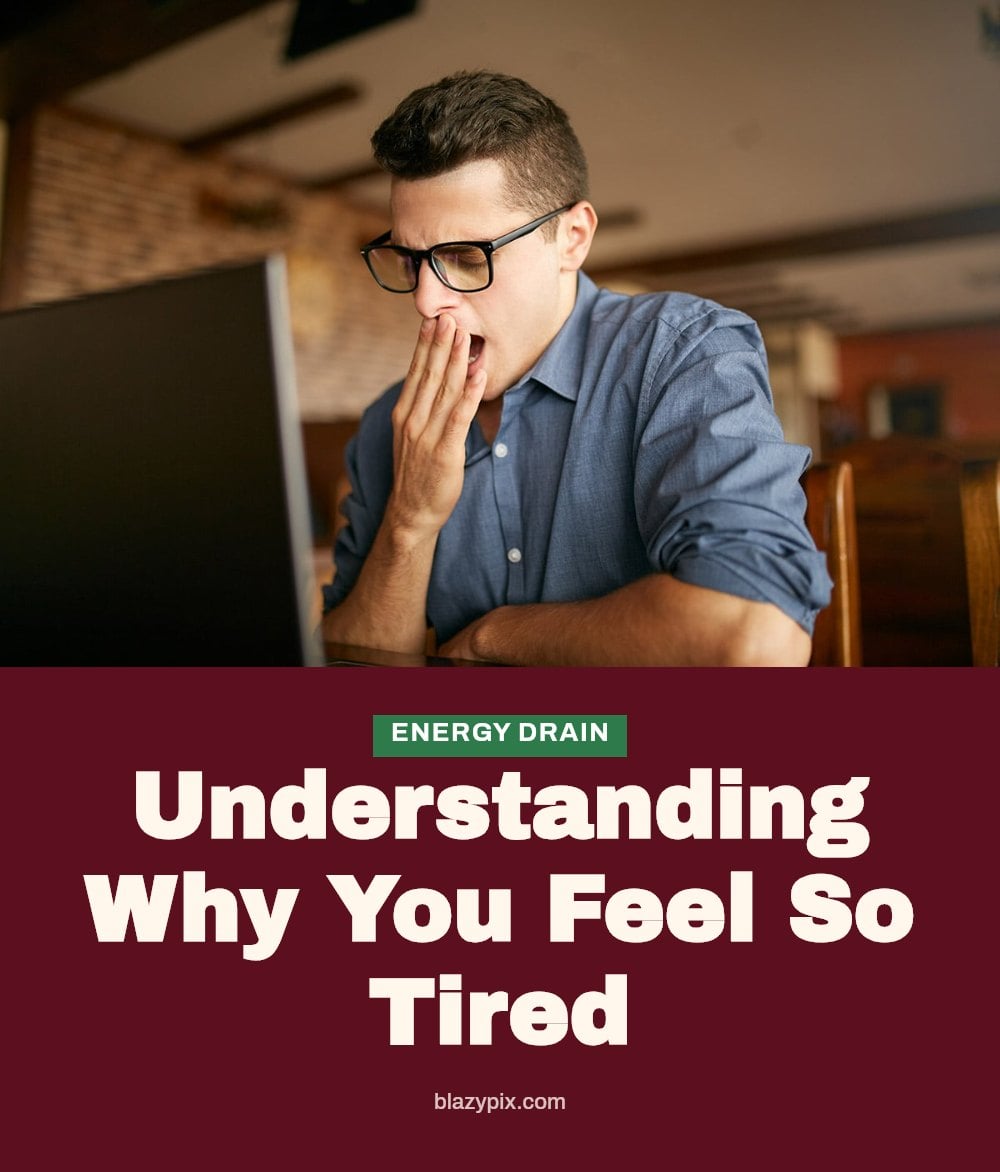
Common Reasons for Persistent Low Energy
Several everyday habits can quietly drain you. Here’s what to look at first:
- Short sleep: Adults generally need 7-9 hours per night. Consistently getting less can leave you chronically tired.
- Mild dehydration: Even slight fluid loss can lower your energy and focus. Drink water throughout the day, not just when you feel thirsty.
- Too little movement: Being sedentary can actually make fatigue worse. Regular moderate activity boosts energy over time.
- Poor diet: Processed foods and refined carbs cause blood sugar spikes and crashes. A diet low in nutrients leaves you running on empty.
- Chronic stress: Ongoing stress depletes your energy stores and keeps your body on high alert, which is exhausting.
- Underlying conditions: Iron deficiency (anemia) and Vitamin D deficiency are common medical causes of fatigue, especially in women. These need a doctor’s diagnosis.
Simple Ways to Boost Your Daily Energy

Simple Ways to Boost Your Daily Energy
Start with these proven strategies to tackle the biggest energy drains.
- Fix your sleep schedule: Go to bed and wake up at the same time every day, even weekends. Create a relaxing bedtime routine: dim lights, put away screens, and try an eye mask or blackout curtains.
- Hydrate early and often: Keep a water bottle on your desk or in your bag. Aim to sip steadily, not just chug before meals.
- Move your body: Aim for 30 minutes of moderate activity like brisk walking most days. It sounds counterintuitive, but exercise actually reduces fatigue.
- Eat for steady energy: Build meals around whole foods, lean proteins, and complex carbs like oats or quinoa. These release energy slowly, avoiding crashes.
- Manage stress in small doses: Try 5-10 minutes of mindfulness or meditation daily. Short breaks during work also help reset your mind and prevent mental fatigue.
- Limit caffeine and alcohol close to bedtime: Both disrupt sleep quality, even if you fall asleep fine. Stop caffeine by early afternoon and keep alcohol intake moderate in the evening.
My tip: Start with just one change at a time. Trying to overhaul everything at once can feel overwhelming and lead to giving up.
Mistakes That Keep You Feeling Tired
Mistakes That Keep You Feeling Tired
Sometimes what you do to fight fatigue makes it worse. Avoid these common traps:
- Relying on caffeine: It masks tiredness temporarily but doesn’t fix the cause. Address your sleep, hydration, and stress instead.
- Ignoring hydration: Dehydration is a huge energy drain. Drink a glass of water first thing in the morning and keep sipping.
- Skipping meals: Going too long without food drops your blood sugar, leading to energy dips. Eat regular, balanced meals and snacks.
- Pushing through exhaustion: Your body needs rest to recover. If you’re wiped out, take a short nap or just pause for 10 minutes.
- Self-diagnosing persistent fatigue: If tiredness lasts for weeks despite lifestyle changes, see a doctor. They can check for anemia, thyroid issues, or other conditions.
Keeping Your Energy Levels Consistent
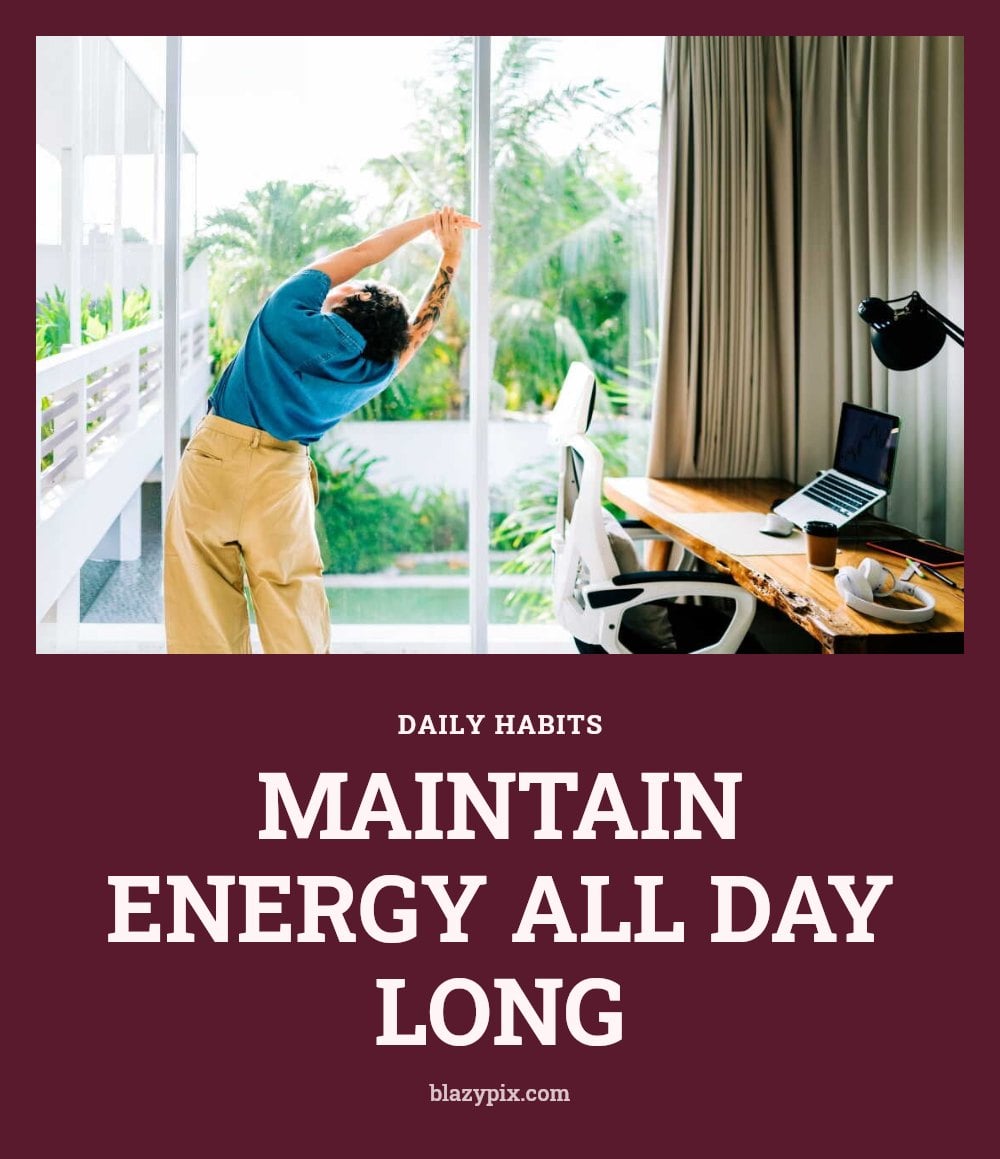
To keep your energy steady long-term, start with a consistent sleep schedule. Wake up and go to bed at the same time every day, even on weekends, to support your circadian rhythm.
Spend at least 10-15 minutes outdoors in natural light each morning. Morning sunlight signals your body to feel alert and helps regulate your internal clock.
Eat smaller, more frequent meals every 3-4 hours instead of large ones. This keeps blood sugar stable and prevents afternoon crashes. Take short breaks during your day, even just 5-10 minutes, to reset your focus and avoid mental fatigue.
My tip: Schedule a 10-minute break after lunch. Step away from your desk, stretch, or walk around the block. It makes the rest of your afternoon more productive.
Prioritize self-care and downtime each week. Block out an hour for a hobby, a bath, or reading. This prevents chronic stress from building up and draining your reserves.
When to Talk to Your Doctor About Fatigue
If your fatigue is severe, sudden, or comes with symptoms like unexplained weight loss, fever, or pain, see a doctor right away. These can signal a condition that needs immediate attention.
When you’ve made consistent lifestyle changes for several weeks and still feel exhausted, it’s time to talk to a healthcare professional. They can check for common medical causes such as anemia, thyroid problems, sleep apnea, or depression.
Caution: Never start supplements like iron or vitamin D without a doctor’s guidance. They can interact with medications or cause side effects. A simple blood test tells you what you actually need.
Frequently Asked Questions
How long does it take for lifestyle changes to improve fatigue?
Many people see improvements in energy within a few days to a few weeks after making consistent lifestyle changes. However, it depends on the cause and how consistently you stick with new habits. If you don’t notice any change after several weeks, it’s a good idea to consult a healthcare professional.
Can certain foods make you more tired?
Yes, heavy meals, especially those high in processed foods or refined sugars, can cause energy crashes. Eating smaller, more frequent meals with whole foods, lean proteins, and complex carbohydrates may help keep blood sugar stable and prevent fatigue. Pay attention to how different foods affect your energy.
Is it normal to feel tired after exercise?
It’s common to feel tired after a workout, especially if you’re new to exercise or pushed hard. However, regular moderate exercise is known to boost overall energy levels over time. If you consistently feel exhausted after light activity, it might be worth discussing with a doctor.
What is the best way to manage stress for better energy?
Managing stress can help preserve your energy. Practices like mindfulness, meditation, or engaging in hobbies you enjoy can reduce stress and improve mental clarity. Taking short 5-10 minute breaks during the day can also combat mental fatigue. Find what works for you and make it a regular part of your routine.
Are energy drinks a good solution for chronic tiredness?
Energy drinks are not a good solution for chronic tiredness. They often contain high amounts of caffeine and sugar, which can lead to crashes and interfere with sleep. Relying on them masks the underlying issue rather than fixing it. Focus on sleep, hydration, diet, and stress instead.
Final Thoughts
Start with one small change, like setting a consistent wake-up time or taking a short walk after lunch. Many people notice improvements in energy within a few days to a few weeks, but consistency is key. If you’ve made lifestyle adjustments for several weeks and still feel exhausted, that’s a clear sign to talk to your doctor. Your energy is worth protecting, and the right steps can make a real difference.
This article is for general information only and is not a substitute for professional medical advice. If you have persistent or severe fatigue, or if it’s accompanied by other symptoms, please consult a doctor or other qualified healthcare provider.