
How to Get Rid of Calluses at Home Safely and Effectively
Learn how to safely and effectively get rid of calluses at home with expert tips and step-by-step instructions. Achieve smoother, healthier skin.

Calluses can be a real nuisance, especially when they make walking or using your hands uncomfortable. The good news is that most calluses can be managed at home with a simple routine of softening, gentle exfoliation, and moisturizing. In this article, I’ll walk you through the safest and most effective steps to reduce calluses, what to avoid, and how to keep them from coming back.

Key Takeaways
- Soak calluses in warm water for 10 to 20 minutes before gentle exfoliation.
- Never cut or shave calluses with sharp tools; infection risk is high.
- Moisturize daily with urea or salicylic acid cream to keep skin soft.
- Wear well-fitting shoes and socks to reduce friction and prevent recurrence.
- If you have diabetes or poor circulation, consult a doctor before home treatment.
What Are Calluses and How Do They Form?
Calluses are patches of thickened, hardened skin that form as a natural defense mechanism. They develop on areas like the heels, balls of the feet, or palms when your skin experiences repeated friction or pressure. Unlike corns, calluses are larger, have a more diffuse border, and rarely have a distinct core. This thickening happens because your skin produces extra keratinocytes to protect itself.
Tools and Materials for At-Home Callus Care
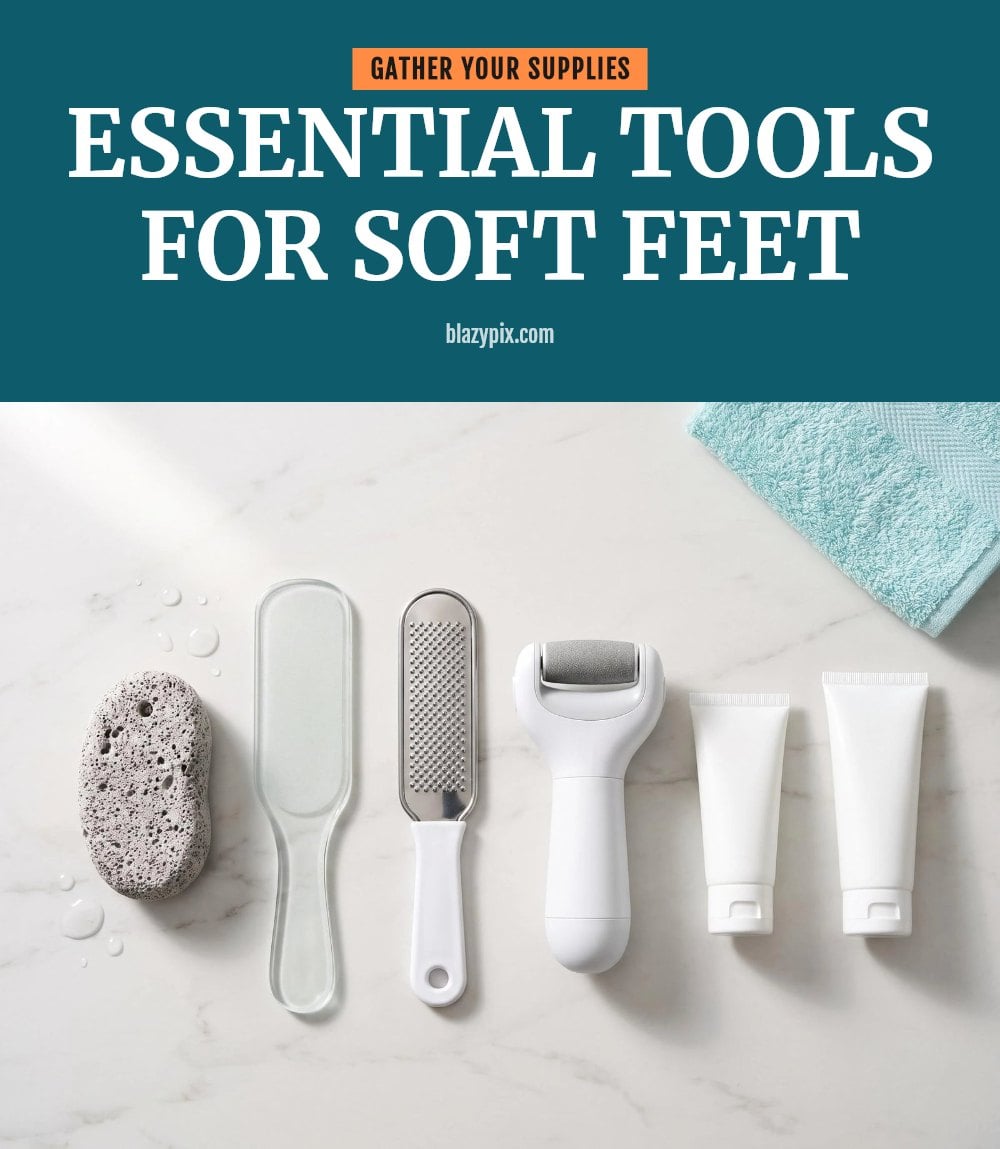
To care for calluses at home, you need a few basic items. Start with warm water for soaking, and add Epsom salts if you want extra softening. A pumice stone or foot file is for gentle exfoliation after the soak. Moisturizer is key, especially one with urea or salicylic acid, to keep the skin supple. Use protective gloves during hand tasks and properly fitting shoes and socks for your feet. Moleskin or callus pads can cushion areas that rub.
- Warm water: Softens the callus for easier removal.
- Pumice stone or foot file: Exfoliates the softened skin.
- Moisturizer with urea or salicylic acid: Hydrates and helps prevent hardening.
- Protective gear: Gloves for hands, well-fitting shoes and socks for feet.
- Moleskin or callus pads: Cushion and reduce friction.
Step-by-Step Guide to Removing Calluses at Home
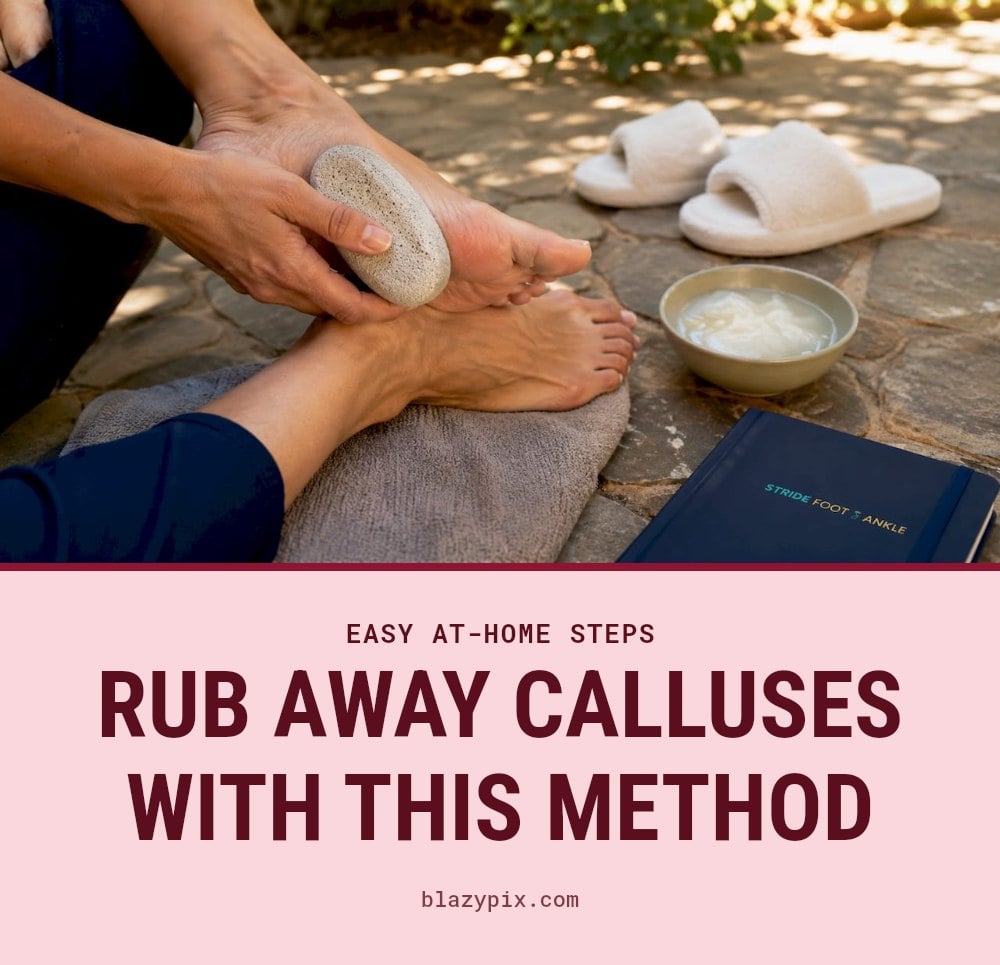
Follow these steps to remove calluses safely at home. Consistency matters more than aggressive treatment.
- Soak the area: Submerge your hands or feet in warm water for 10 to 20 minutes. Adding Epsom salts is optional but can help soften the skin further.
- Exfoliate gently: Use a pumice stone or foot file on the softened callus. Move in one direction with light pressure to avoid irritating the skin.
- Moisturize: Apply a rich moisturizer, ideally one with urea or salicylic acid, to the treated area. This keeps the skin hydrated and reduces the chance of the callus returning.
- Repeat regularly: Do this routine daily or a few times per week, and moisturize daily. Regular maintenance prevents buildup and keeps skin smooth.
Results usually appear within a few days to a couple of weeks if you stick with it. Stop if you feel pain or notice redness.
Common Mistakes to Avoid When Treating Calluses
Steering clear of these common errors helps you avoid injury and get better results. The biggest mistake is trying to cut or shave off a callus with a razor or knife. This can cause infection and bleeding. Aggressively scrubbing or filing also irritates the skin and can make the problem worse. Ignoring the cause of the friction, like ill-fitting shoes, means the callus will come back. Using medicated pads on broken skin or for too long can harm healthy tissue. Finally, mistaking a corn or wart for a callus leads to improper treatment. If you are unsure, see a podiatrist for a diagnosis.
- Avoid cutting or shaving: Never use sharp tools on calluses.
- Do not scrub aggressively: Gentle exfoliation is safer and more effective.
- Address the cause: Fix friction sources to prevent recurrence.
- Use medicated pads carefully: Only on unbroken skin and for limited time.
- Identify correctly: Calluses are not corns or warts.
How to Prevent Calluses from Forming or Returning
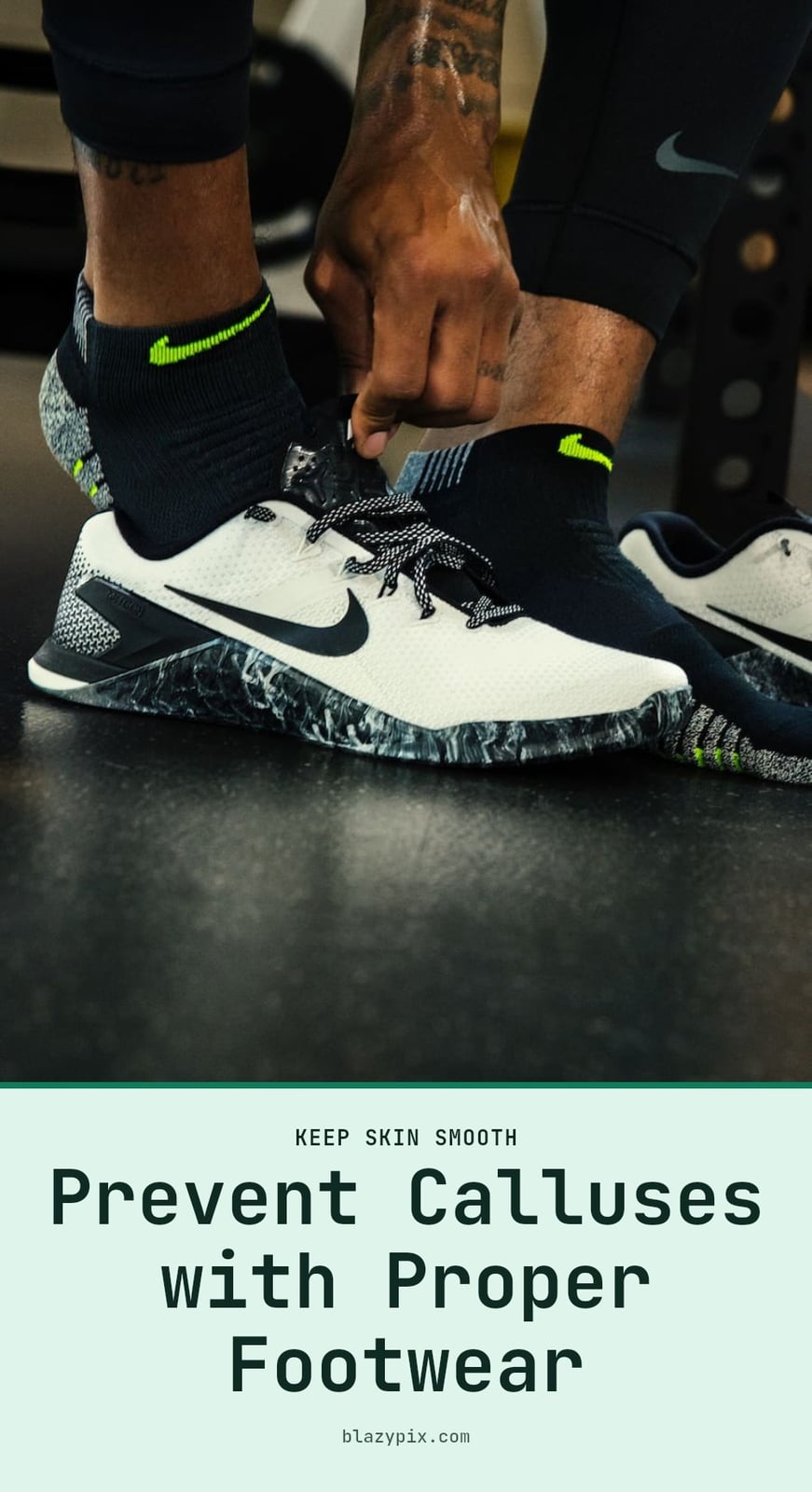
Preventing calluses starts with reducing friction before it causes thickening. Wear shoes that fit properly, with enough room in the toe box and no tight spots that rub. Choose socks made of moisture-wicking material to cut down on irritation. For your hands, put on protective gloves before gardening, weightlifting, or playing instruments.
Daily moisturizing: Apply a rich lotion every day, especially after washing, to keep skin flexible and less likely to harden. On areas that get repeated pressure, stick on moleskin or callus pads as a cushion. These steps target the root cause instead of just treating the symptom.
Maintaining Smooth Skin After Callus Removal
Once you’ve softened and reduced a callus, keeping skin smooth is about regular, gentle care. Moisturize daily with a cream containing urea or salicylic acid, which help exfoliate and prevent the skin from thickening again. Once or twice a week, use a pumice stone on damp skin to lightly buff away any rough spots before they build up.
Pro move: Always wear supportive, well-fitting footwear and gloves during activities that caused the callus in the first place. Consistency is what stops calluses from returning, so build these steps into your weekly routine.
When to Consult a Doctor or Podiatrist for Calluses
Most calluses can be managed at home, but some situations need a doctor or podiatrist. If you have diabetes, poor circulation, or nerve damage, check with a professional before starting any treatment, because even minor injuries can become serious. Seek medical help if a callus is painful, grows quickly, bleeds, or shows signs of infection like redness, swelling, or warmth.
Caution: If you’re not sure whether the hardened skin is a callus, a corn, or a wart, a doctor can diagnose it correctly. Stop at-home care and call your healthcare provider if the area becomes painful or irritated after treatment.
Frequently Asked Questions
What is the difference between a callus and a corn?
A callus is larger, has a diffuse border, and usually doesn’t have a distinct core. A corn is smaller, has a well-defined center, and can be painful when pressed. If you’re unsure what you have, a podiatrist can help identify it and recommend the right treatment.
Can calluses go away on their own?
Calluses may shrink or disappear if the source of friction is removed, such as switching to better-fitting shoes. However, they often persist without active treatment. Regular softening and exfoliation can speed up the process and keep them from getting thicker.
How long does it take to remove a callus at home?
With consistent care, you may see results within a few days to a couple of weeks. The timeline depends on the thickness of the callus and how regularly you soak, file, and moisturize. Remember, maintenance is ongoing to prevent recurrence.
Are callus removers with salicylic acid safe to use?
Salicylic acid products can be effective for dissolving keratin, but they should not be used on broken, irritated, or infected skin. Follow the product instructions and avoid prolonged use. If you have diabetes or poor circulation, talk to your doctor before using them.
Can I prevent calluses from coming back?
Yes, prevention focuses on reducing friction. Wear shoes that fit well with roomy toe boxes, choose moisture-wicking socks, and use protective gloves for hand tasks. Regular moisturizing and weekly gentle filing also help keep skin soft and less prone to thickening.
Final Thoughts
My tip: make callus care a regular part of your routine rather than a one-time fix. Soak, gently file, and moisturize daily, and you should see noticeable improvement within a few days to a couple of weeks. Remember, the key is consistency and addressing the cause of friction, so invest in comfortable shoes and protective gloves. If a callus becomes painful or you have a health condition, don’t hesitate to see a podiatrist.
This article is for general informational purposes only and is not a substitute for professional medical advice. If you have a persistent or painful callus, or if you have diabetes, poor circulation, or nerve damage, consult a doctor or podiatrist before trying home treatments.