Splits Stretches for Beginners (Daily Routine)
Learn a daily stretching routine for beginners to achieve front splits. Follow our step-by-step guide for flexibility and injury prevention.

You’re ready to work toward a full split, and the good news is that a consistent daily routine can get you there safely. This article covers the essential stretches, common mistakes to avoid, and a step-by-step method you can follow at home. My tip: focus on gradual progress rather than forcing the position, and your body will respond over time.
Whether you’re aiming for front splits or middle splits, understanding the key muscle groups and using proper warm-up techniques makes all the difference. Let’s walk through what you need and how to practice effectively.
Key Takeaways
- Warm up with dynamic stretches like leg kicks for 5-10 minutes before any static stretching.
- Hold each static stretch for at least 20-30 seconds to effectively increase flexibility.
- Practice daily or at least 3-5 times per week for noticeable progress within weeks.
- Use props like yoga blocks or cushions to support and gradually deepen your stretches.
- Stop immediately if you feel sharp pain; mild discomfort is normal, but pain is a warning sign.
Achieving Your Splits: The Key to Flexibility
Achieving a full split isn’t about forcing your body into position; it’s about gradually increasing flexibility in your hamstrings, hip flexors, and glutes through consistent daily practice. The key is combining dynamic warm-ups, like leg swings, with static stretches held for 20-30 seconds each. Props such as yoga blocks can support your body as you ease deeper into each stretch. Always listen to your body and stop if you feel sharp pain. Consistency matters more than intensity, even a few minutes each day builds real progress over time.
Essential Tools for Your Splits Journey
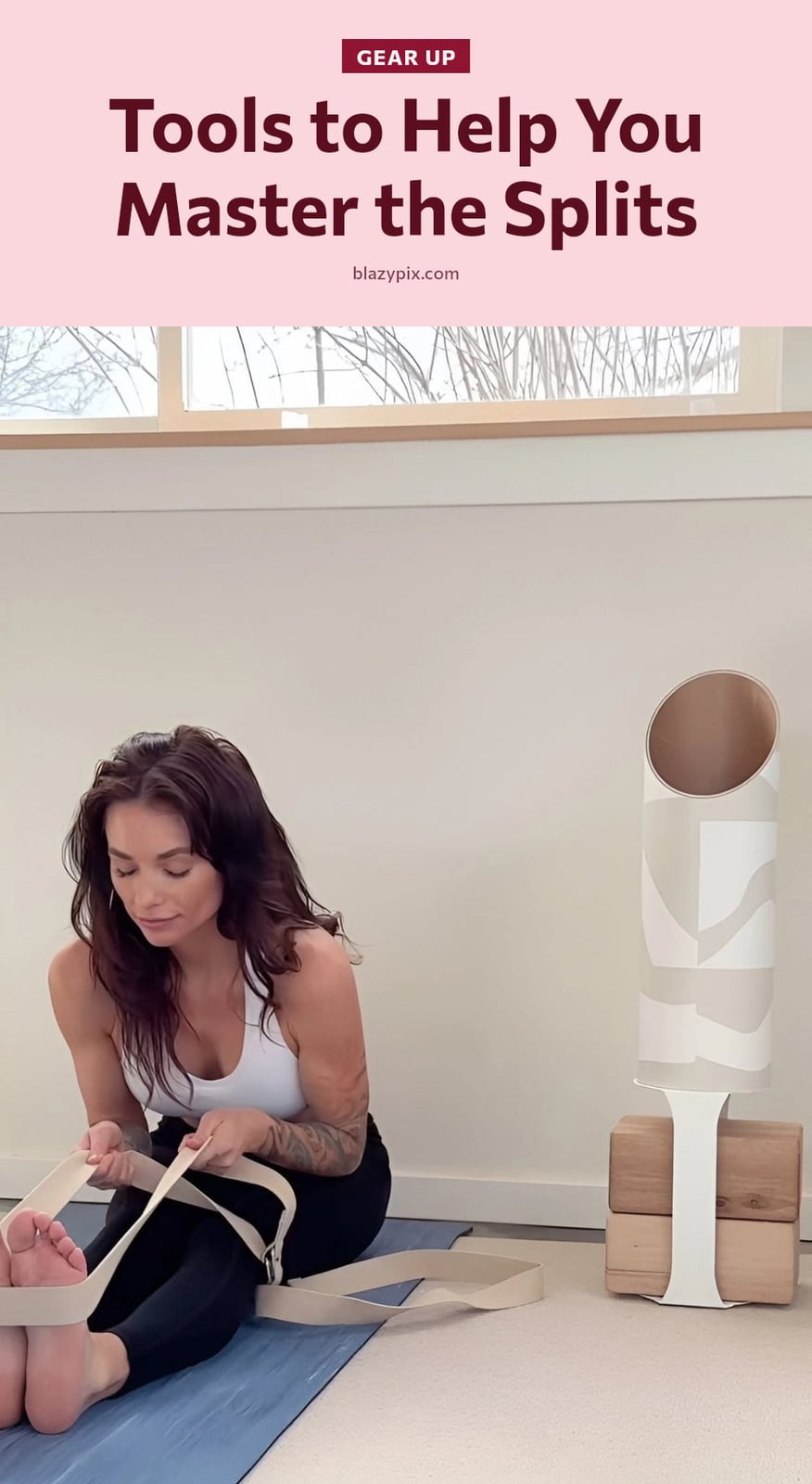
You don’t need much to start, but a few items make the process safer and more effective.
- Yoga mat: Provides cushioning and grip, so you can hold stretches without slipping.
- Yoga blocks: Offer support under your hands or hips, helping you deepen stretches safely.
- Cushions or pillows: Place them under your hips to reduce the distance to the floor as you work toward a full split.
- Stretching strap or resistance band: Helps you gently pull into deeper stretches, especially for hamstrings.
- Comfortable clothing: Wear flexible fabrics that let you move freely without restriction.
Your Daily Routine to Achieve Front Splits
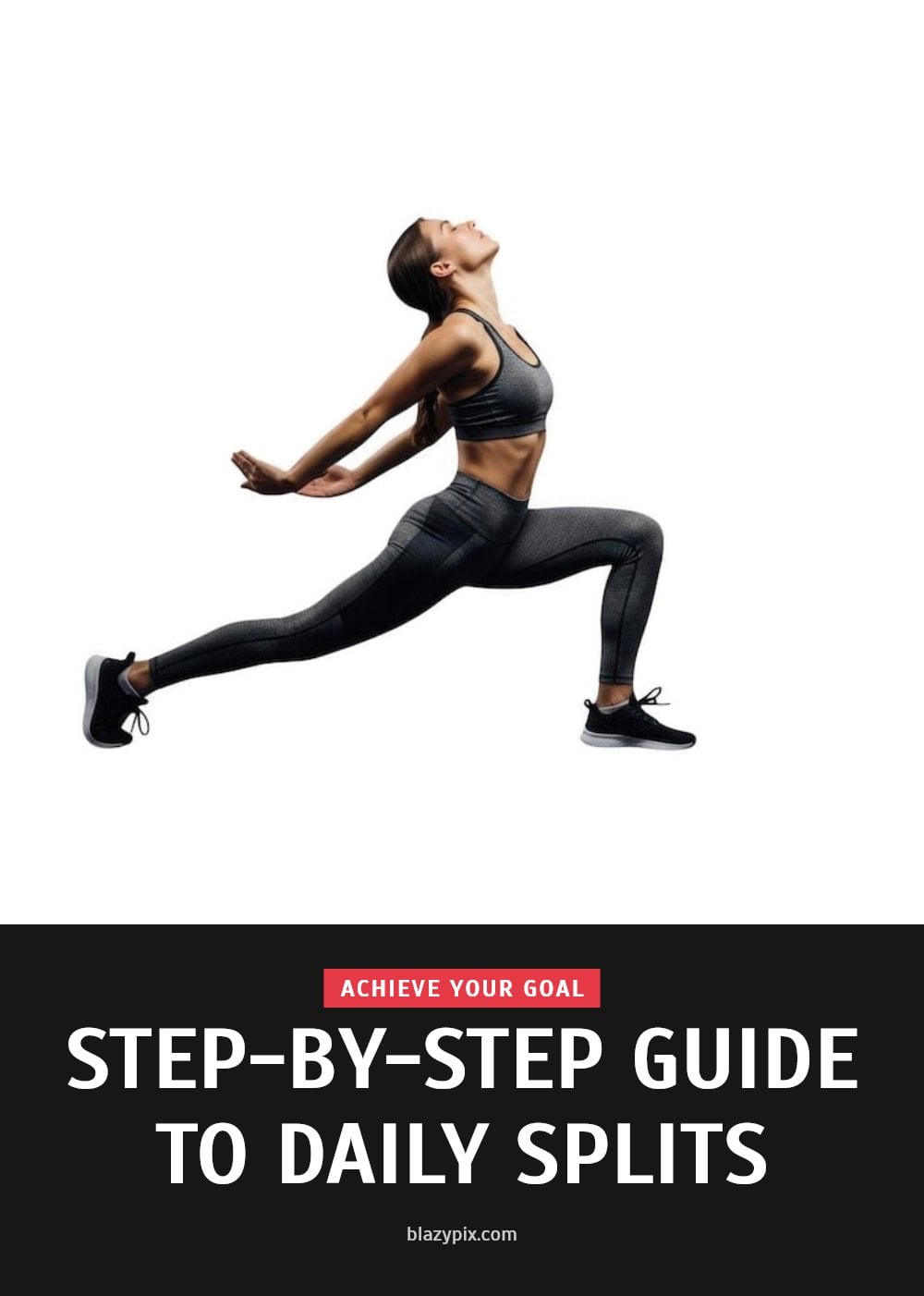
This routine from Anna McNulty targets the muscles needed for front splits. Perform it daily or at least 3-5 times per week for best results.
- Warm up with leg kicks: Stand and do 10 small leg kicks back and forth on each leg for 5-10 minutes to get blood flowing.
- Forward folds: Stand with feet slightly wider than shoulder-width. Reach down toward one ankle and let your head sink close to the ground. Then reach toward the center between your legs, then toward your other ankle.
- Deep lunges with hip circles: Rotate both feet to face your torso. Perform 10 deep lunges, moving up and down. Then hold the lunge position and rotate your legs in a circular motion. Switch direction for the circles.
- Lower hips with arms up: In a deep lunge, lift your arms to allow your hips to sink as close to the ground as possible.
- Bend the back leg: While in the lunge, bend your back leg to feel a stretch in your back thigh.
- Backward lunge: Straighten your front leg and bend your back leg, flexing your front foot. Reach over your front leg to deepen the hamstring stretch. Hold for 20-30 seconds. Then sit back over your bent leg while still reaching forward. Hold for 20-30 seconds.
- Repeat on the other side: Perform the same sequence, 10 lunges up and down, lunge circles in both directions, lower hips with arms up, bend the back leg, backward lunge with front foot flexed, and sit back in the backward lunge. Hold each static position for 20-30 seconds.
- Seated hip stretch: Sit with one leg bent in front of you and place the ankle of your other leg over your knee. Push your torso as close to your legs as possible to stretch your hip. Hold for 20-30 seconds. Repeat with the other leg on top.
Use pillows under your hips to support your split practice. Keep the same number of pillows for a few days, then gradually reduce them as your flexibility improves over weeks. Even if you focus on one side, always stretch both sides evenly to maintain balance.
Here is the method in action: Anna McNulty Stretches demonstrates it in about 14 minutes.
Understanding the Two Main Types of Splits
There are two main types of splits, and each targets different muscle groups.
Front splits
One leg extends forward and the other stretches back behind you. This primarily works the hamstrings of the front leg and the hip flexors of the back leg.
Middle or straddle splits
Both legs extend out to the sides, forming a 180-degree angle. This focuses on the adductors (inner thigh muscles) and hamstrings.
The routine in this article is designed for front splits. However, maintaining balanced flexibility across all muscle groups is important for overall body health and injury prevention.
Common Mistakes to Avoid When Stretching for Splits
Skipping Warm-Up: Always warm up for 5-10 minutes with light cardio or dynamic stretches. Cold muscles are more prone to injury, so never start static stretches without preparing your body first.
Bouncing into Stretches: Never bounce. Bouncing can cause muscle tears. Instead, ease gently into each stretch and hold it steadily.
Pushing Through Sharp Pain: Mild discomfort is normal, but sharp pain is a warning sign to stop immediately. Listen to your body and back off if anything feels wrong.
Holding Stretches Too Briefly: Static stretches need at least 20-30 seconds to be effective. For deeper results, hold them up to 60 seconds.
Neglecting One Side: Even if you’re aiming for splits on one side, stretch both sides evenly. This maintains balance and prevents muscle imbalances.
Inconsistency: Daily or near-daily practice works better than infrequent, intense sessions. Consistency is what builds flexibility over time.
Best Tips for a Successful Splits Journey
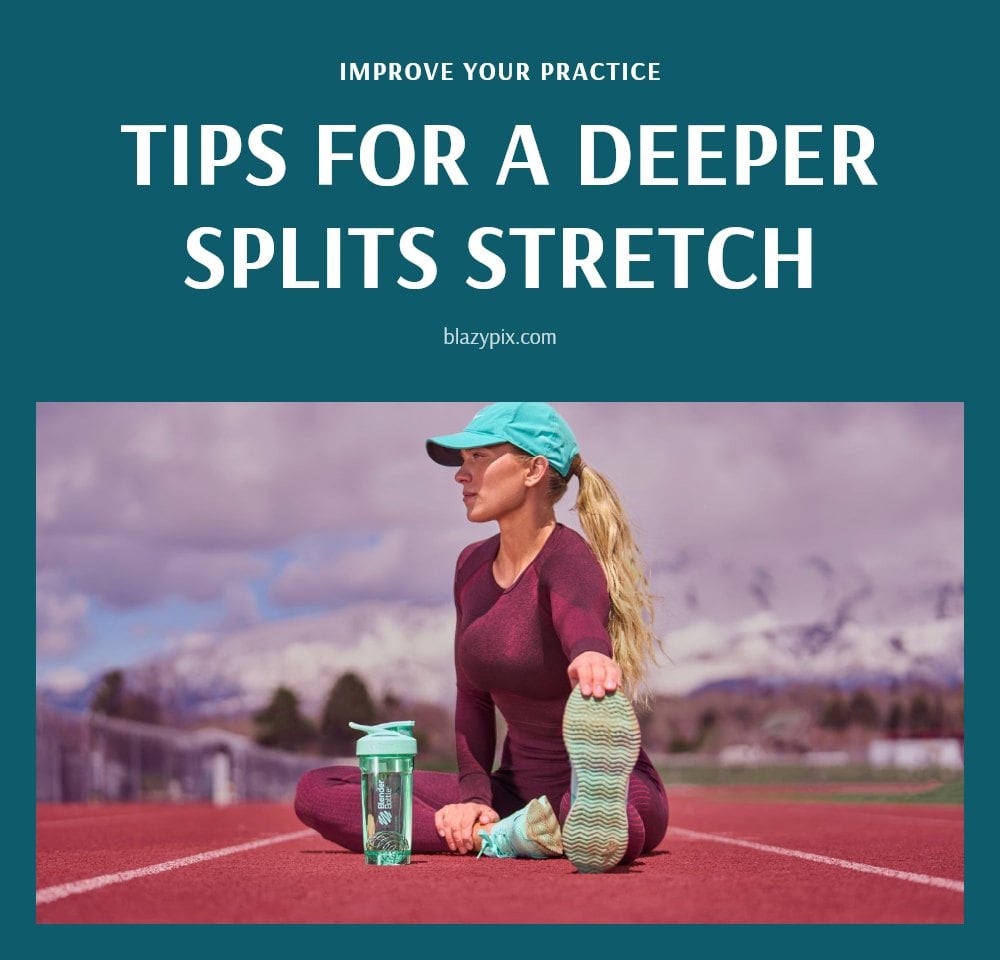
Listen to Your Body: A mild stretch feels good, but pain means stop. Your body knows its limits, so respect them.
Breathe Deeply: Exhale as you deepen a stretch. This helps relax your muscles and allows for greater flexibility. My tip: focus on slow, steady breaths rather than holding your breath.
Use Props Wisely: Yoga blocks, cushions, or straps aren’t just for beginners. They support your body and let you safely deepen stretches over time. Start with more support and gradually reduce it.
Stay Hydrated and Nourished: Proper hydration and nutrition support muscle recovery and flexibility. Drink water throughout the day and eat balanced meals.
Be Patient and Consistent: Flexibility builds slowly. Don’t compare your progress to others. Celebrate small improvements and stick with your routine.
How Long Does It Take to Achieve Splits?
Timeline for Progress: With consistent daily practice, you can expect noticeable improvements in flexibility within a few weeks.
Full Splits Goal: Achieving a full split can take several months to a year or even more. Your starting flexibility, genetics, age, and dedication all play a role.
Consistency Over Intensity: Stretching daily or 5-6 times a week is far more effective than occasional intense sessions. Stick with it.
Cost: The cost is minimal. You may want a yoga mat, yoga blocks, or a stretching strap, but these are optional purchases.
When to Consult a Professional
Stop immediately if you feel any sharp, sudden, or shooting pain during stretching. This is a warning sign of potential injury.
Consult a doctor or physical therapist if you have pre-existing injuries or chronic pain before starting a new stretching routine. They can guide you on what’s safe.
Seek professional advice if you experience persistent soreness or pain that doesn’t resolve with rest. Overstretching can lead to muscle strains, tears, or joint instability, so don’t ignore ongoing discomfort.
Frequently Asked Questions
Can adults learn to do the splits?
Yes, adults can absolutely learn to do the splits. Flexibility can be improved at any age with consistent, safe stretching. Genetics and your starting flexibility play a role, but dedication to a daily or near-daily routine is what matters most. Just listen to your body and avoid forcing the stretch.
What muscles do I need to stretch for splits?
For front splits, you need to stretch the hamstrings of your front leg and the hip flexors of your back leg. For middle or straddle splits, focus on your adductors (inner thigh muscles) and hamstrings. The routine in this article targets all of those key groups.
Should I feel pain when stretching for splits?
You should feel a mild pulling sensation or discomfort, but never sharp or shooting pain. Pain is a warning sign that you’re pushing too far and could injure a muscle. If you feel pain, ease back immediately. Mild discomfort that fades as you hold the stretch is normal.
Can I do splits if I’m not flexible?
Absolutely. The routine is designed for beginners, and you can start at your current flexibility level. Use props like pillows or blocks to support yourself, and gradually reduce them as you improve. Consistency is what will increase your flexibility, not how flexible you are when you start.
Final Thoughts
For the best results, commit to this routine daily or at least 3-5 times per week. You can expect noticeable improvements in flexibility within a few weeks, with a full split potentially taking several months to a year depending on your starting point. My tip: be patient and consistent, and don’t compare your timeline to anyone else’s. Your body will progress at its own pace.
This article provides general information on stretching and flexibility for educational purposes only. It is not a substitute for professional medical or fitness advice. If you have a pre-existing injury, chronic pain, or experience persistent discomfort, consult a doctor or physical therapist before continuing your routine.