
Strawberry Legs Treatment at Home: Get Smooth, Clear Skin
Learn how to treat strawberry legs at home with effective skincare routines and tips. Say goodbye to dark spots and achieve smoother, clearer legs.

You know those tiny dark spots on your legs that look like strawberry seeds? It’s a common skin concern called strawberry legs, and it’s usually just clogged pores or ingrown hairs, not a medical condition. The good news is that with the right at-home routine, you can significantly improve their appearance. This article covers the causes, effective treatments, and daily habits that can help you get smoother, clearer skin.

Key Takeaways
- Exfoliate legs 2-3 times per week with a gentle scrub or chemical exfoliant.
- Moisturize daily after showering to keep skin hydrated and reduce pore visibility.
- Use a sharp, clean razor and shave in the direction of hair growth.
- Look for products with salicylic acid (BHA) or glycolic acid (AHA) to clear pores.
- Consistency is key; noticeable improvement usually takes a few weeks to a couple of months.
What Are Strawberry Legs and How Can You Treat Them?
Strawberry legs is the name for those small, dark spots on your legs that look like strawberry seeds. They are usually clogged pores or ingrown hairs, not a medical problem. The good news is that a consistent at-home routine can make a real difference. Focus on regular exfoliation, proper shaving habits, and daily moisturizing to see improvement.
Why Do I Get Strawberry Legs?
Why Do I Get Strawberry Legs?
The dark spots are typically clogged pores. Each pore can trap oil, dead skin cells, or bacteria, which darkens the follicle and makes it visible on the skin’s surface. Ingrown hairs are another common cause, when a hair curls back into the skin, it creates a dark bump.
How you shave matters too. Shaving with a dull blade or without enough lubrication can irritate the follicle and make pores look more pronounced. Dry skin also emphasizes the appearance of pores, making them stand out more than they would on hydrated skin.
In some cases, what you see is an open comedo, a blackhead, where the oil and skin inside the pore darken after contact with air. Another possibility is keratosis pilaris, a harmless condition that creates small, rough bumps and can be mistaken for or add to strawberry legs.
Your At-Home Arsenal for Treating Strawberry Legs
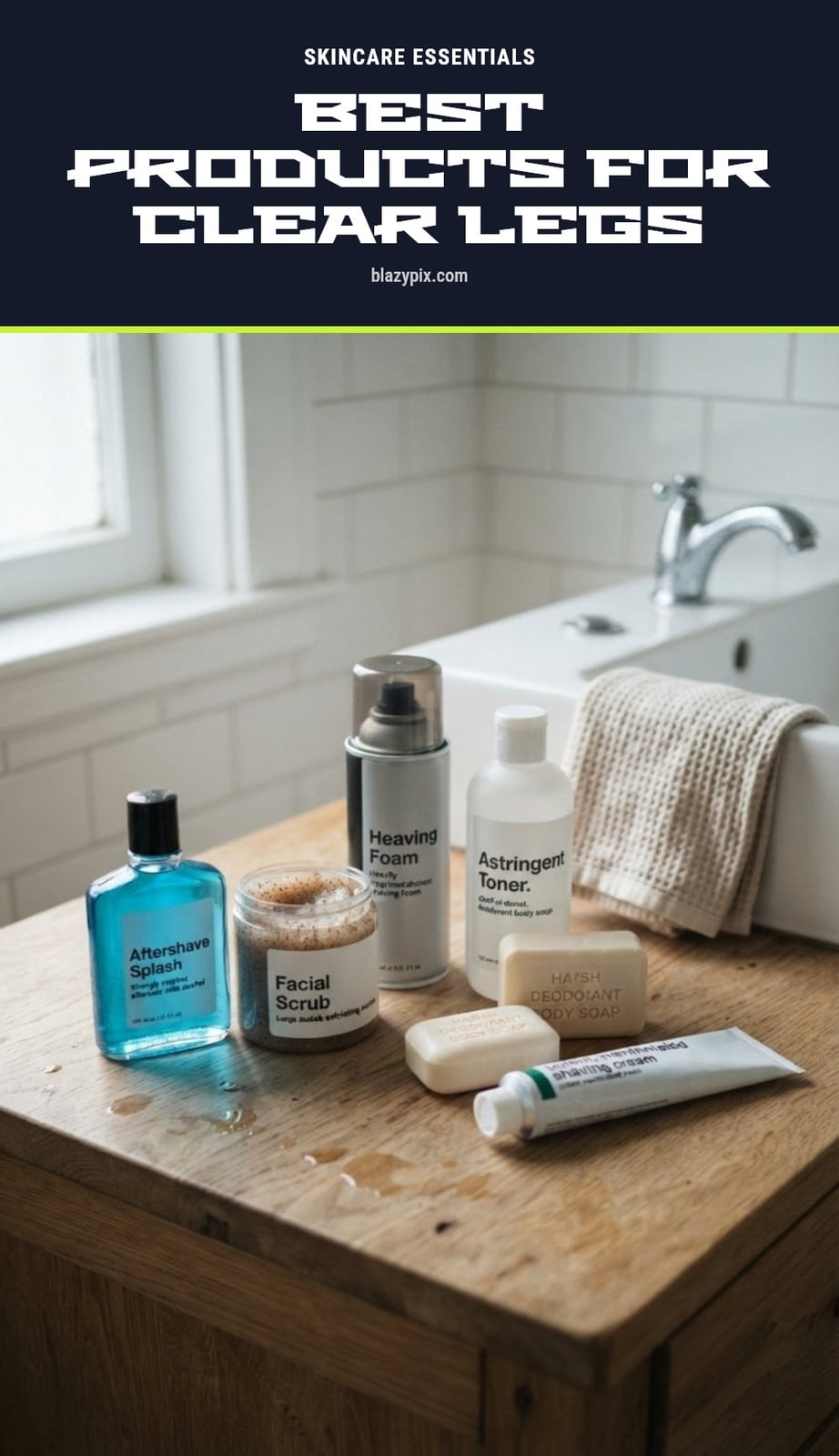
Building a routine starts with the right tools. Here is what you need:
- Gentle body scrub or exfoliating mitt: For physically buffing away dead skin cells.
- Body wash with salicylic or glycolic acid: Adds chemical exfoliation while you cleanse.
- Moisturizer (lotion, cream, or oil): Keeps skin hydrated and reduces pore visibility.
- Sharp, clean razor and shaving cream or gel: Prevents irritation and ingrown hairs.
- Products with AHAs (like glycolic acid) or BHAs (like salicylic acid): Target clogged pores by dissolving dead skin.
Effective Home Remedies to Get Rid of Strawberry Legs

Effective Home Remedies to Get Rid of Strawberry Legs
Start with regular exfoliation. Use a gentle body scrub or an exfoliating mitt 2-3 times per week. This removes the layer of dead skin cells that can trap oil and darken pores. Tip: Exfoliate in the shower on damp skin, using small circular motions.
Add a chemical exfoliant to your routine. A body wash or lotion with salicylic acid (a BHA) or glycolic acid (an AHA) helps dissolve debris inside the pore. For a rinse-off product, apply it after cleansing, leave it on for a few minutes as directed, then rinse thoroughly. For a leave-on lotion, apply it to clean, dry skin and let it absorb without rinsing. Always follow the product’s specific instructions.
Shave correctly every time. Use a sharp, clean razor and a lubricating shaving cream or gel. Shave in the direction of hair growth, not against it, to reduce follicle irritation and ingrown hairs. Replace your razor after 5-7 shaves.
Moisturize your legs daily, especially right after a shower when your skin is still slightly damp. A good moisturizer keeps the skin barrier healthy and makes pores look less prominent.
If shaving consistently worsens your strawberry legs, consider trying an alternative hair removal method like waxing or epilation. Some people find these methods reduce the appearance because they remove hair from the root, which can lead to fewer ingrown hairs over time.
Common Mistakes When Treating Strawberry Legs
Aggressively scrubbing: Scrubbing hard won’t clear spots faster. It irritates the skin, which can make the dark dots look worse and even cause redness. A gentle circular motion with a soft scrub or mitt is enough.
Using a dull razor: A dull blade pulls at hairs instead of cutting them cleanly. That irritates the follicle and raises the risk of ingrown hairs, which add to the strawberry look. Replace your razor every 5-7 shaves.
Skipping moisturizer: Dry skin makes pores stand out more. Without daily hydration, the skin surface roughens, and those dark spots become more visible.
Picking at spots: Squeezing or picking can push bacteria deeper, cause infection, or leave a scar. Leave the spots alone. They are not pimples.
Expecting immediate results: Strawberry legs improve slowly. Consistency over weeks to months matters more than any single intense treatment.
How to Prevent Strawberry Legs from Returning

Maintain an exfoliating routine: Use a gentle body scrub or exfoliating mitt 2-3 times per week. This keeps dead skin from building up and clogging pores.
Moisturize daily: Apply a moisturizer right after showering, when skin is still damp. This locks in hydration and reduces pore visibility.
Use a sharp razor every time: Swap blades after 5-7 shaves. A sharp blade cuts hair cleanly and minimizes follicle irritation.
Shave with cream and with the grain: Always use a lubricating shaving cream or gel. Shave in the direction of hair growth to prevent ingrown hairs.
Consider alternative hair removal: If shaving consistently triggers spots, try waxing or epilation. Some people find these methods reduce the appearance over time.
Add AHAs or BHAs to your routine: A body wash or lotion with glycolic acid (AHA) or salicylic acid (BHA) helps dissolve the debris inside pores.
Timeline for Results and Cost Considerations
With consistent exfoliation, proper shaving, and daily moisturizing, most people see noticeable improvement within a few weeks to a couple of months. The spots usually fade gradually rather than disappearing overnight. Ongoing maintenance is necessary to prevent them from returning. This is not a one-time fix.
Cost tiers: A low-cost routine uses drugstore scrubs, razors, and lotion. Mid-range options include chemical exfoliants like glycolic acid serums or salicylic acid body washes. High-cost professional treatments (laser, prescription creams) exist but are not required for most cases.
When to Consult a Dermatologist
See a dermatologist if your legs become red, inflamed, painful, or show signs of infection such as pus or warmth. Also consult a professional if consistent at-home care for several months brings no improvement. If you suspect your spots are caused by something other than typical strawberry legs, for example, a rash or a different skin condition, a doctor can help identify the real cause.
Frequently Asked Questions
How long does it take to get rid of strawberry legs?
Most people see noticeable improvement within a few weeks to a couple of months with consistent exfoliation, moisturizing, and proper shaving. The spots tend to fade gradually, so patience is important. Ongoing maintenance is needed to prevent them from returning.
Can shaving cause strawberry legs?
Yes, shaving can contribute to strawberry legs, especially if you use a dull razor or shave without lubricant. A dull blade can irritate hair follicles and cause ingrown hairs, which darken the spots. Shave with a sharp razor, in the direction of hair growth, and use a good shaving cream to minimize irritation.
Is strawberry legs a permanent condition?
Strawberry legs is not a permanent condition, but it often requires ongoing care. With consistent exfoliation, moisturizing, and proper shaving, you can significantly reduce the appearance of the spots. However, if you stop these habits, the dark dots may return because pores can clog again over time.
What ingredients should I look for in products for strawberry legs?
Look for chemical exfoliants like salicylic acid (a BHA) or glycolic acid (an AHA). Salicylic acid helps clear out clogged pores, while glycolic acid gently dissolves dead skin cells on the surface. You can find these in body washes, lotions, or leave-on treatments. Always patch test new products first.
What causes strawberry legs?
Strawberry legs are usually caused by clogged pores filled with oil, dead skin cells, or bacteria, which darken the follicle. Ingrown hairs and dry skin can also make the spots more noticeable. It’s often harmless and cosmetic, but if you have redness, pain, or signs of infection, consult a dermatologist.
Final Thoughts
Stick with a routine that includes gentle exfoliation, daily moisturizing, and proper shaving habits. Expect gradual fading over a few weeks to a couple of months, not overnight results. With ongoing maintenance, you can keep those spots at bay and enjoy smoother legs.
This article is for general informational purposes only and does not constitute medical advice. Strawberry legs are usually harmless, but if you experience redness, pain, pus, or signs of infection, please consult a dermatologist or healthcare professional for proper evaluation and treatment.