Best Dumbbell Exercises to Start Your Strength Training Journey
New to dumbbells? Learn the best beginner exercises, proper form, and how to build a safe and effective strength training routine at home.

Starting strength training with dumbbells can feel a little intimidating, but it’s one of the smartest moves you can make for your health. Whether you want to build muscle, boost your metabolism, or just feel stronger in your daily life, the right exercises make all the difference. This article covers the best beginner-friendly dumbbell moves, how to structure a safe workout, and the key habits that help you see real progress without injury.
Key Takeaways
- Start with 2-5 lb dumbbells to master form before increasing weight.
- Include compound exercises like goblet squats and bent-over rows for efficiency.
- Always warm up for 5-10 minutes and cool down with static stretches.
- Train 2-3 times per week with at least one rest day between sessions.
- Focus on controlled movements and core engagement to prevent injury.
1. Dynamic Warm-Up: Arm Circles and Torso Twists
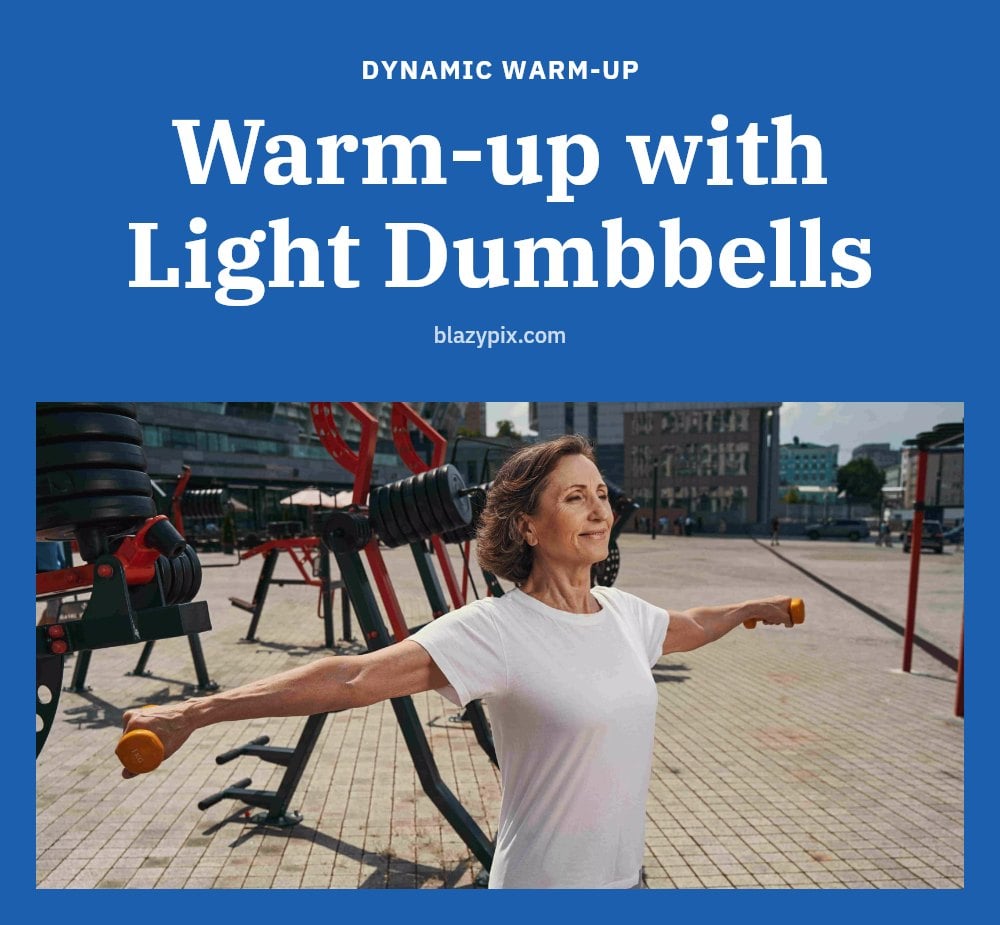
Start by standing with your feet shoulder-width apart. Extend your arms out to the sides and make small, controlled circles, 10 to 15 forward, then 10 to 15 backward. Follow with gentle torso twists, rotating your upper body while keeping your hips stable and facing forward.
- Sets and reps: 10-15 circles each direction, 10-15 twists per side.
- Form cue: Keep movements fluid and controlled, not jerky.
- Make it easier or harder: Reduce the circle size for less intensity, or speed up slightly for more.
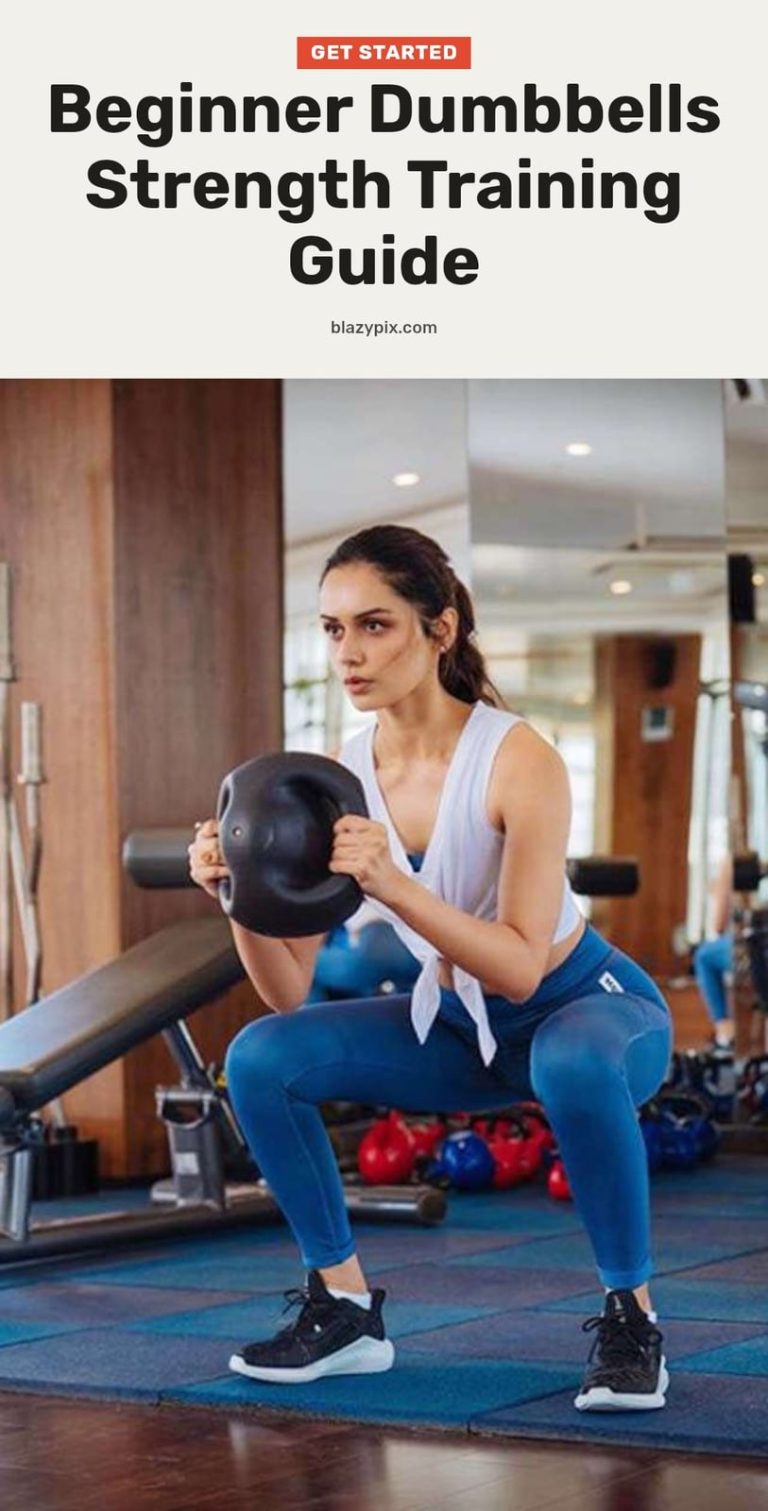
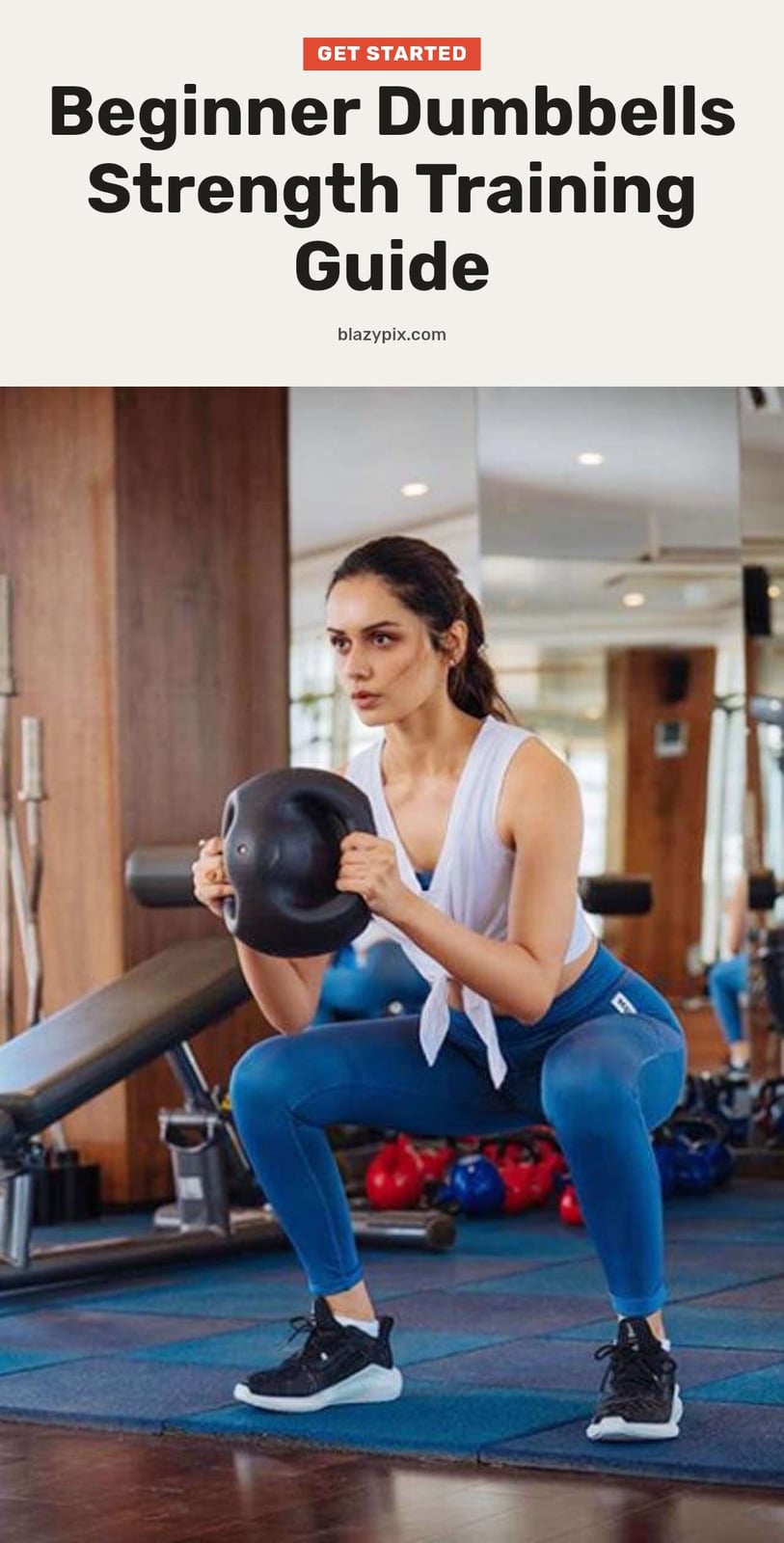
2. Goblet Squat
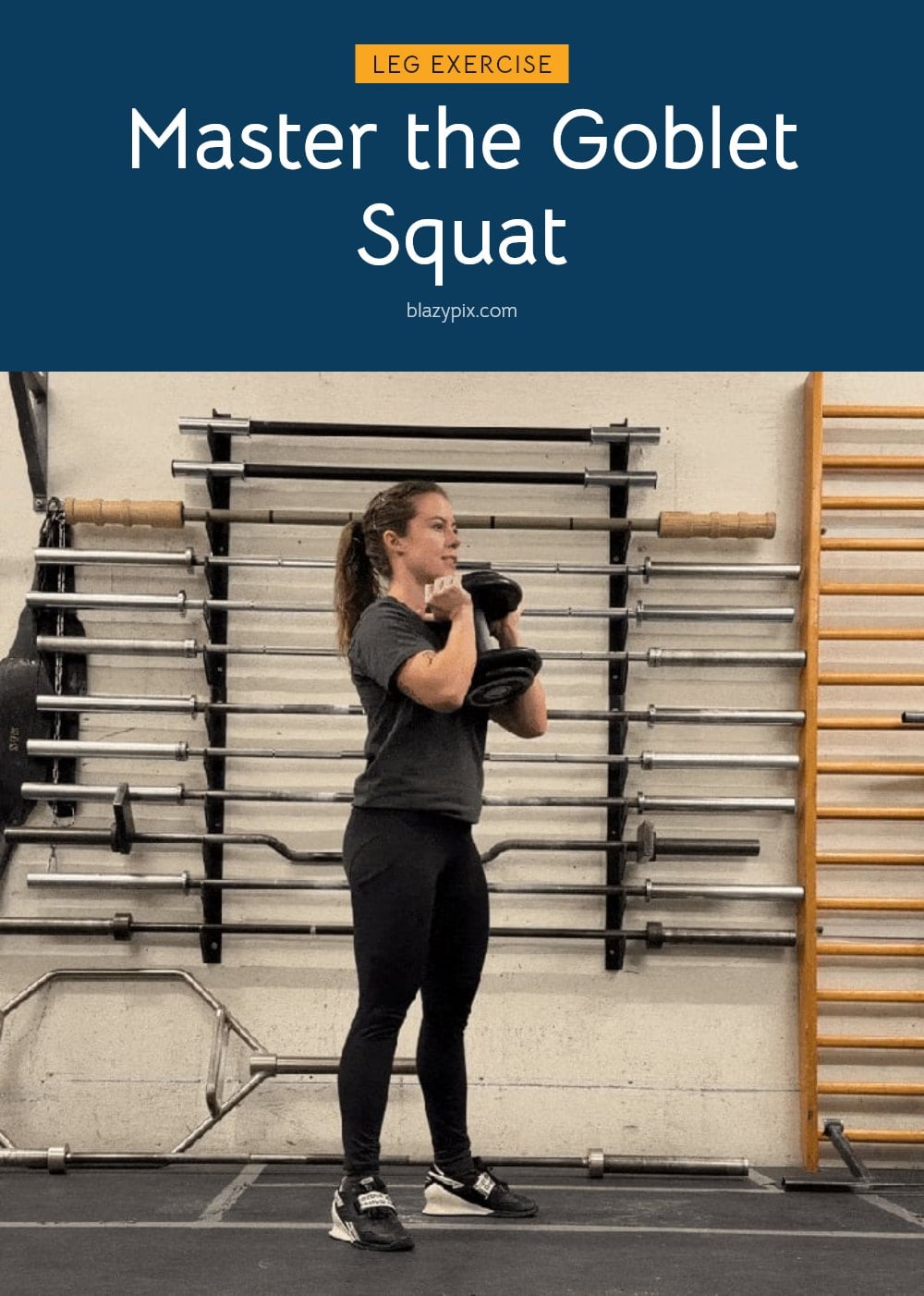
Hold one dumbbell vertically against your chest, with both hands cupping the top end and elbows tucked in. Push your hips back and squat down as if sitting into a chair, keeping your chest lifted and core braced. Press through your heels to return to standing.
- Sets and reps: 3 sets of 8-12 repetitions.
- Form cue: Keep your heels grounded and knees tracking over your toes.
- Make it easier or harder: Use a lighter weight or reduce depth; go deeper or add a pause at the bottom for more challenge.
3. Dumbbell Bent-Over Row
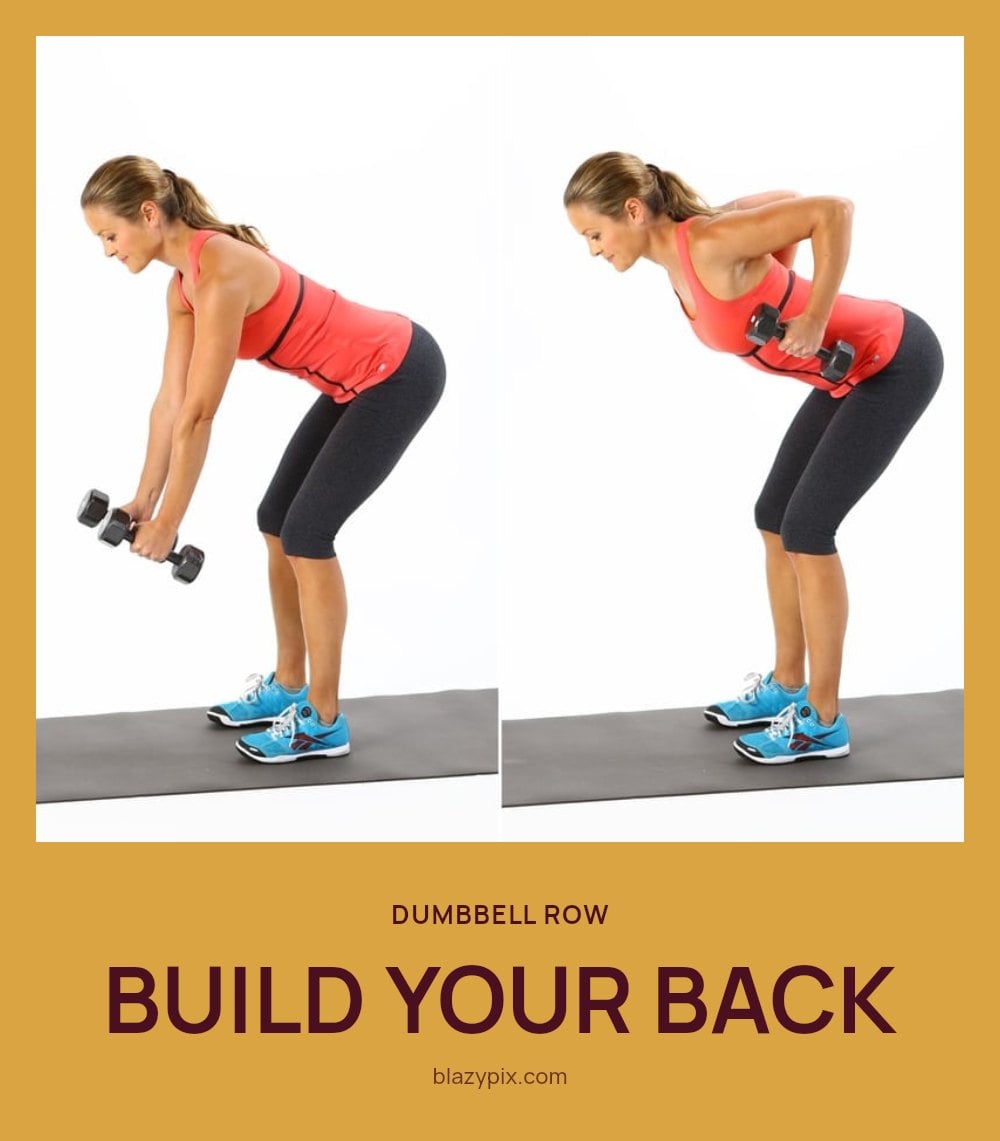
Hinge at your hips, keeping your back straight and core tight, letting the dumbbells hang directly below your shoulders. Pull the weights toward your hips, driving your elbows back and squeezing your shoulder blades together. Lower with control to the starting position.
- Sets and reps: 3 sets of 8-12 repetitions.
- Form cue: Imagine pinching a pencil between your shoulder blades at the top.
- Make it easier or harder: Use lighter dumbbells or reduce the range; increase the weight or slow the lowering phase for more difficulty.
4. Dumbbell Bicep Curl
Stand tall with a dumbbell in each hand, palms facing forward and arms fully extended. Curl the weights toward your shoulders, keeping your elbows tucked close to your sides. Lower them slowly, taking about 2 seconds to return to the start.
- Sets and reps: 3 sets of 10-15 repetitions.
- Form cue: Avoid swinging; let your biceps do the work.
- Make it easier or harder: Use lighter weights or perform one arm at a time; increase the weight or add a pause at the top for more challenge.
5. Overhead Dumbbell Press
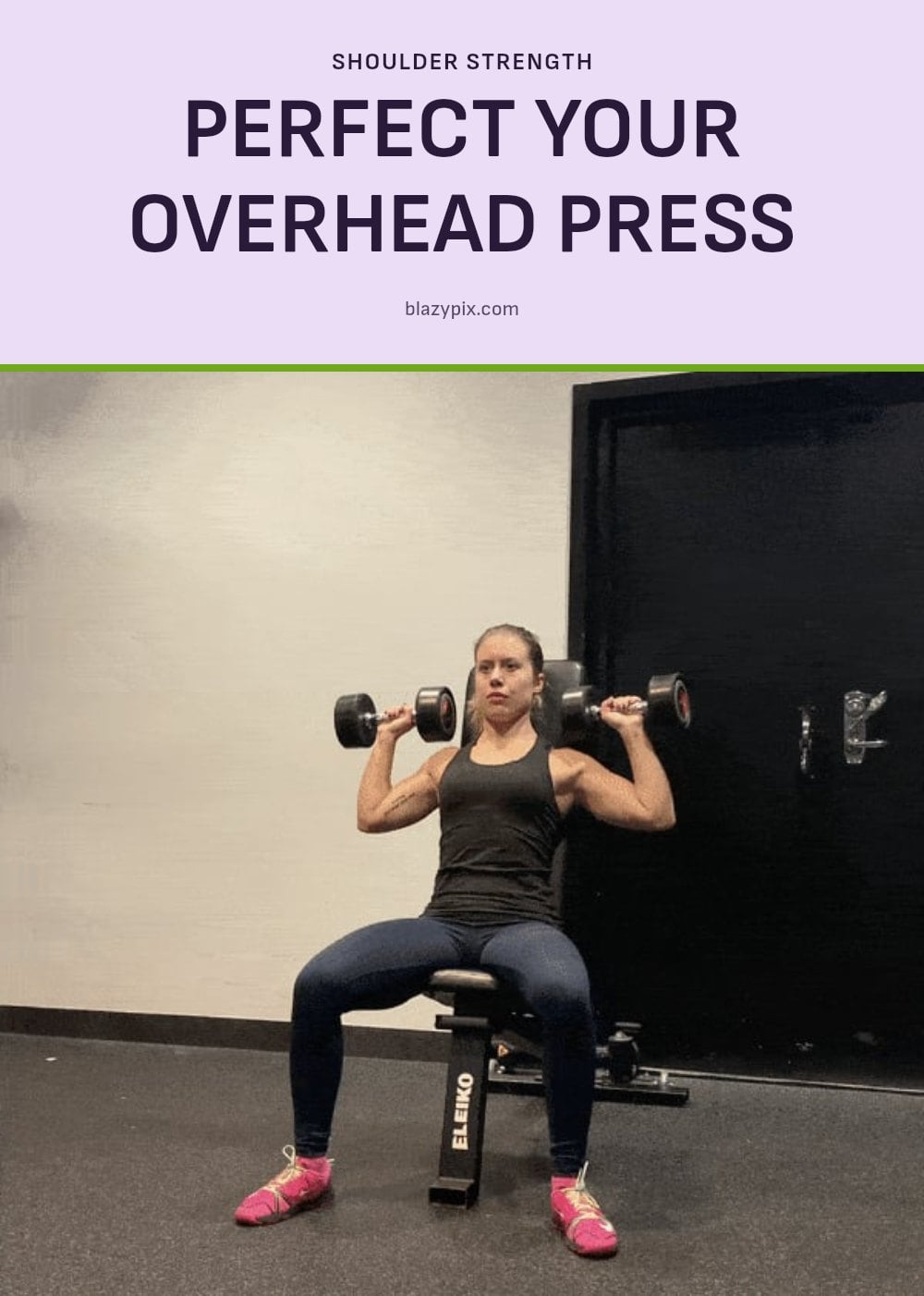
Sit on a bench or stand with feet shoulder-width apart, holding a dumbbell in each hand at shoulder height, palms facing forward. Press both dumbbells directly overhead until your arms are fully extended, then lower them slowly back to the starting position.
- Sets and reps: 3 sets of 8-12 repetitions
- Form cue: Keep your core engaged throughout to protect your lower back
- Make it easier or harder: Use lighter weights and sit for more stability, or increase weight gradually as you get stronger
6. Dumbbell Tricep Extension (Overhead)
Stand with feet hip-width apart, holding one dumbbell overhead with both hands, gripping the handle between your palms. Keeping your elbows pointing forward, bend them to lower the dumbbell behind your head, then extend your arms to press it back up.
- Sets and reps: 3 sets of 10-15 repetitions
- Form cue: Keep your elbows pointing forward, not flaring out to the sides
- Make it easier or harder: Use a lighter dumbbell for control, or increase the weight once you can complete all reps with good form
7. Dumbbell Lunges
Hold a dumbbell in each hand, step forward with one leg, and lower your hips until both knees form 90-degree angles. Your front knee should align directly over your ankle, and your back knee should hover just above the floor. Push off your front foot to return to standing, then repeat on the other leg.
- Sets and reps: 3 sets of 8-12 repetitions per leg
- Form cue: Maintain an upright torso and engage your core for balance
- Make it easier or harder: Perform stationary lunges without stepping forward, or add a pulse at the bottom for extra challenge
8. Cool-Down: Static Stretches
After your workout, hold each static stretch for 20-30 seconds, targeting the major muscle groups you worked. Include stretches for your chest, back, shoulders, biceps, triceps, quadriceps, and hamstrings. Focus on controlled breathing and relaxing into each stretch without bouncing.
- Time: Hold each stretch for 20-30 seconds
- Form cue: Breathe deeply and relax into each stretch, never forcing it
- Make it easier or harder: Use a wall or chair for support in standing stretches, or deepen the stretch gradually as your muscles loosen
Your Weekly Dumbbell Workout Schedule
Here is a simple weekly schedule to keep your training balanced and effective.
| Day | Workout Focus | Notes |
|---|---|---|
| Monday | Full body: squats, rows, presses, curls | Warm up and cool down as described. |
| Wednesday | Full body: lunges, tricep extensions, goblet squats | Rest at least 48 hours between sessions. |
| Friday | Full body: bent-over rows, overhead press, bicep curls | Focus on controlled movements. |
| Rest days | Active recovery or light stretching | Allow muscle repair and growth. |
This schedule hits all major muscle groups twice per week. Adjust based on your energy and recovery.
Common Dumbbell Workout Mistakes to Avoid
- Using Momentum Instead of Muscle: Don’t swing the weights. Focus on slow, controlled movements where your muscles do the work, not gravity or inertia.
- Neglecting Core Engagement: Always brace your core. This stabilizes your body, protects your spine, and makes exercises more effective.
- Choosing Weights That Are Too Heavy Too Soon: Start with lighter weights (e.g., 2-5 lbs for beginners) to master your form. Poor form with heavy weights leads to injury, not gains.
- Skipping Warm-Up and Cool-Down: A 5-10 minute warm-up prepares your body, and a 5-10 minute cool-down aids recovery. Don’t skip these crucial steps.
- Ignoring Pain: Sharp or unusual pain is your body’s warning sign. Stop immediately if you feel discomfort; pushing through can lead to serious injury.
Frequently Asked Questions
How often should I work out with dumbbells as a beginner?
As a beginner, aim for 2-3 strength training sessions per week with at least one day of rest between them. This schedule allows your muscles time to recover and grow while building consistency. If you feel sore, take an extra rest day before your next workout.
What weight dumbbells should a beginner start with?
Beginners should start with lighter weights, around 2 to 5 pounds, to focus on proper form. Choose a weight that lets you complete 8-12 repetitions with good control. You can gradually increase the weight as you get stronger.
Can dumbbells help me lose weight?
Yes, dumbbell training can support weight loss by building muscle, which increases your resting metabolism. Combined with a balanced diet and regular cardio, strength training helps you burn more calories throughout the day. However, it’s not a quick fix and works best as part of an overall healthy lifestyle.
Is it okay to do dumbbell workouts every day?
It’s not recommended to do dumbbell workouts every day because your muscles need rest to repair and grow. Training the same muscle groups daily without recovery can lead to overuse injuries and stalled progress. Stick to 2-3 days per week with rest days in between.
How long does it take to see results from dumbbell training?
With consistent training 2-3 times per week, you can expect to notice improvements in strength and muscle tone within 4 to 8 weeks. Results depend on factors like your starting point, nutrition, and how well you follow proper form. Patience and consistency are key.
Final Thoughts
For a reliable start, pick a full-body routine that includes a squat, a row, a press, and a curl, and stick with it 2-3 times a week. Expect to notice improvements in strength and muscle tone within 4-8 weeks of consistent training. Listen to your body, prioritize form over weight, and you’ll build a foundation that lasts.
This article is for general informational purposes only and does not constitute medical or fitness advice. Always consult a qualified healthcare professional before starting any new exercise program, especially if you have pre-existing health conditions or concerns. Stop immediately if you experience pain, dizziness, or discomfort.