Slugging Skincare: Benefits and Tips for Hydrated Skin
Discover slugging skincare benefits and how to do it right. Learn tips for dry or sensitive skin to lock in moisture and boost your skin barrier.

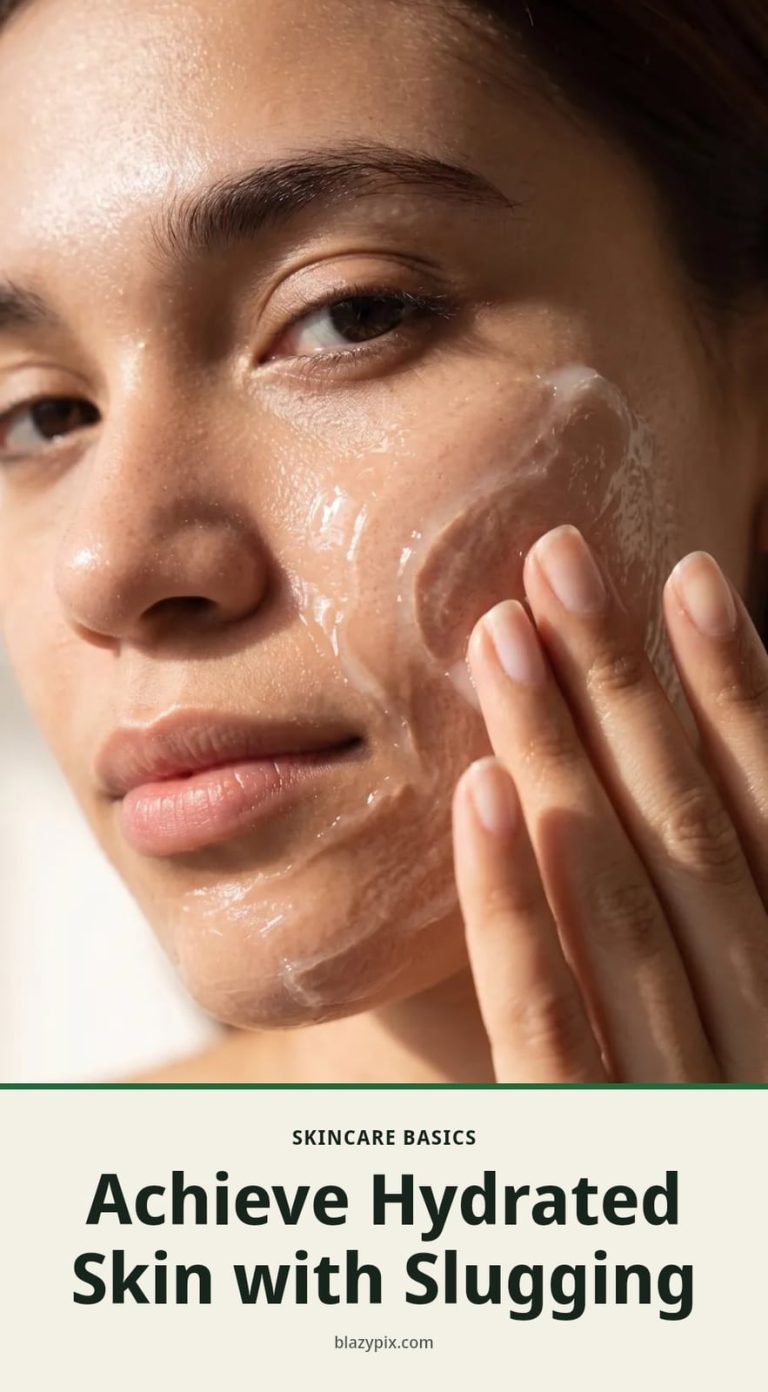
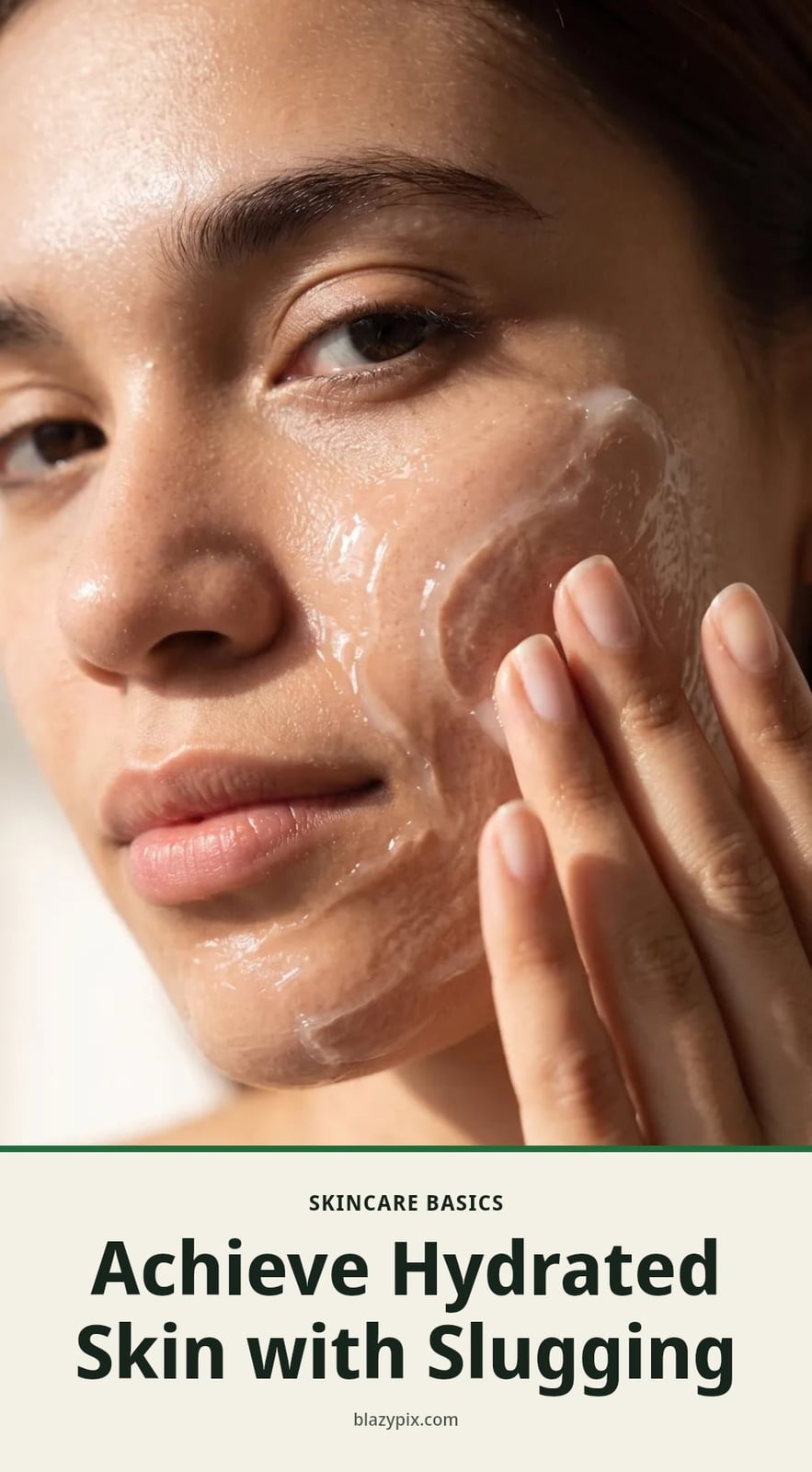
If you’ve been scrolling through skincare TikTok or Instagram, you’ve probably seen the term “slugging” pop up. It’s a simple, budget-friendly technique that can transform your skin’s hydration, especially if you deal with dryness or a compromised barrier. Slugging involves applying a thin layer of an occlusive product, like petroleum jelly, as the last step in your nighttime routine. In this article, I’ll break down what slugging is, how to do it correctly, and the common mistakes to avoid so you can get the most out of this viral trend.
Key Takeaways
- Slugging seals in moisture, not adds it, so layer hydrating serums first.
- Use a pea-sized amount of petroleum jelly for your entire face.
- Start with 2-3 nights per week to let your skin adjust.
- Skip slugging over active acne, open wounds, or strong retinoids.
- Stop if you see redness, irritation, or new breakouts.
What is Slugging and Why Should You Try It?
Slugging means applying a thin layer of an occlusive product, usually petroleum jelly, as the final step in your nighttime routine. It creates a physical barrier that prevents transepidermal water loss (TEWL), locking the moisture from your serums and moisturizer into your skin. This technique is especially helpful if you have dry, dehydrated, or a compromised skin barrier that needs extra hydration.
1. Cleanse Your Face Thoroughly

Always start with a clean face. Trapping dirt or bacteria under the occlusive layer can lead to breakouts or irritation.
- Use a gentle cleanser that won’t strip your skin’s natural oils.
- Pat your face dry with a clean towel before moving to the next step.
2. Layer Hydrating Serums First

Apply your hydrating serums and moisturizer before the occlusive. This is the step that makes slugging effective, because the petroleum jelly seals everything in. Without these water-based layers underneath, the occlusive has nothing meaningful to lock in.
My tip: Use a hyaluronic acid serum on damp skin, then follow with your regular moisturizer. Let it absorb for 30-60 seconds, then apply the occlusive. You will wake up with noticeably plumper, more hydrated skin.
3. Choose the Right Occlusive
Petroleum jelly is the most effective occlusive because it forms a strong barrier. If your skin feels too heavy with it, try a thick balm or a ceramide-rich moisturizer as a gentler alternative.
- Look for products labeled as occlusive or barrier creams.
- Avoid fragranced options if you have sensitive skin.
4. Apply a Pea-Sized Amount

Use a pea-sized amount of occlusive for your entire face. A thin layer is all you need; more won’t boost effectiveness and can feel heavy or messy. Gently warm the product between your fingers before applying to help it spread evenly.
5. Apply to Damp Skin
Slugging works best when you layer it over hydrating products, not on bare skin. The occlusive doesn’t add moisture, it locks in what you already applied, so your serum and moisturizer do the heavy lifting first.
Apply your usual hydrating serum and moisturizer, then follow with a thin layer of petroleum jelly. This traps the water from those products against your skin, preventing it from evaporating overnight and boosting their effectiveness.
6. Limit Frequency for Best Results
Start with 2-3 nights per week: This gives your skin time to adjust and lets you see how it responds. Daily slugging can feel too heavy for some, especially if you have combination skin, and may lead to clogged pores or congestion.
Increase slowly if needed: If your skin tolerates it well after a few weeks, you can add an extra night. But many people find that 2-3 times weekly is enough to maintain the hydration boost without overdoing it. Listen to what your skin tells you.
7. Protect Your Pillowcase

Swap your pillowcase for a clean one before you slug. The occlusive layer transfers to fabric easily, and a dirty pillowcase can reintroduce bacteria to your skin overnight. Silk or satin pillowcases help here: they create less friction than cotton and absorb less product, keeping your barrier intact.
- My tip: Keep a stack of clean pillowcases ready and change them every night you slug.
- Cotton pillowcases can absorb some product, so focus on hygiene: a fresh pillowcase prevents bacterial buildup and keeps your routine clean.
8. Know When to Avoid Slugging
If you have oily or acne-prone skin, slugging might trap sebum and worsen breakouts, so it is safer to skip it or test it on one small area first. Never apply the occlusive over active acne, open wounds, or strong active ingredients like retinoids and AHAs/BHAs.
The barrier can intensify irritation from those actives by sealing them against your skin. Instead, focus on gentle hydration and spot-treat problem areas separately.
- Caution: Avoid slugging if you have a fungal infection or cold sore in the area.
- Caution: Stop immediately if you notice increased redness, irritation, or new breakouts.
9. Listen to Your Skin
Your skin will tell you if slugging is working. If you notice increased redness, irritation, or new breakouts, stop and give your skin a break. These signs mean the occlusive layer is trapping something your skin doesn’t like, not that you need to push through.
Patch testing is a smart first step if your skin is sensitive. Apply a small amount of occlusive to a spot behind your ear or on your jawline for a night or two. If no reaction appears, you can try slugging your full face.
10. Don’t Expect Added Moisture
Slugging does not hydrate your skin. The occlusive layer works like a lid, keeping the moisture from your cleanser, serums, and moisturizer from evaporating overnight. If you apply it to dry skin with no hydrating products underneath, your skin stays dry. Think of it as a protective seal, not a hydrating serum itself.
Tip: Focus your effort on the water-based layers before the occlusive. Those serums and moisturizers are what deliver hydration. The petroleum jelly just makes sure none of it escapes.
11. Patience and Consistency
Improved hydration and a stronger skin barrier often show up after just a few uses. Tip: Stick with 2-3 nights per week for at least two weeks before judging results. Consistent slugging, done appropriately, can create long-term benefits for very dry or compromised skin, but it works gradually.
- Don’t expect overnight changes; the occlusive needs repeated application to reinforce the barrier.
- If your skin feels smoother and less tight after a few sessions, you are on the right track.
Common Slugging Mistakes to Avoid
Slugging on dirty skin: Always cleanse thoroughly beforehand to avoid trapping impurities. Even a small amount of leftover makeup or sunscreen can get sealed in, leading to breakouts.
Using too much product: A thin, pea-sized layer is sufficient. Excess won’t make it more effective and can feel greasy, plus it transfers more onto your pillowcase.
Applying over irritating actives: Avoid slugging over strong retinoids or acids. The occlusive barrier heightens their potency, which can cause irritation or a compromised barrier.
Expecting hydration from the occlusive: Remember, the occlusive seals in moisture, it doesn’t provide it itself. Apply hydrating serums and moisturizer first, then lock them in.
Slugging every night: Start with 2-3 times a week, especially if you’re new to it. This lets your skin adjust and helps you see how it reacts before increasing frequency.
Frequently Asked Questions
How often should I slug my face?
Start with 2-3 nights per week, especially if you’re new to slugging or have combination skin. This gives your skin time to adjust and lets you see how it responds. Daily slugging can feel too heavy for some and may lead to clogged pores or congestion. Increase frequency slowly only if your skin tolerates it well.
Can slugging cause acne?
Yes, it can, particularly if you have oily or acne-prone skin. The occlusive layer can trap sebum and bacteria, potentially worsening breakouts. It’s safer to skip slugging over active acne or open wounds, and if you notice new breakouts, stop and give your skin a break.
What is the best occlusive for slugging?
Petroleum jelly is the most effective occlusive because it forms a strong barrier that prevents water loss. If it feels too heavy, you can try a thick balm or a ceramide-rich moisturizer as a gentler alternative. Look for products labeled as occlusive or barrier creams, and avoid fragranced options if you have sensitive skin.
Can I slug over my retinol?
It’s not recommended. Slugging over strong active ingredients like retinoids or AHAs/BHAs can increase irritation, because the occlusive layer traps those ingredients against your skin, boosting their potency. If you use retinol, apply it on alternate nights or skip slugging on those nights.
Does slugging add moisture to the skin?
No, slugging does not add moisture. It works like a lid, sealing in the moisture from your cleanser, serums, and moisturizer to prevent it from evaporating overnight. If you apply the occlusive to dry skin with no hydrating products underneath, your skin will stay dry. Always layer hydrating products first.
Final Thoughts
Slugging can be a game-changer for dry or dehydrated skin, but it’s not a one-size-fits-all solution. My tip: start with 2-3 nights a week, always on a clean face with hydrating layers underneath, and use just a pea-sized amount. Expect to see improved hydration and a calmer barrier within a few uses, but give it at least two weeks of consistent, appropriate use before judging results. If your skin reacts with redness or breakouts, listen to it and take a break. Slugging is a tool, not a rule, so tailor it to what your skin needs.
This article is for general informational purposes only and is not a substitute for professional medical or dermatological advice. Skincare routines can affect individuals differently, especially those with sensitive or acne-prone skin. If you experience persistent irritation, redness, or breakouts, or have a skin condition, consult a dermatologist or healthcare provider before continuing slugging or making significant changes to your routine.