Excessive Sweating: Causes and Natural Fixes
Understand the causes of excessive sweating and discover effective natural fixes to manage it, improving your comfort and daily life.

If you feel like you’re sweating more than everyone else around you, you’re not alone. It can be uncomfortable and even embarrassing, but there are real reasons why it happens and simple things you can try at home. This article covers the causes of excessive sweating, natural ways to manage it, and when to see a doctor.
Key Takeaways
- Hyperhidrosis can be primary (no clear cause) or secondary (due to a medical condition or medication).
- Wear breathable fabrics like cotton or linen to help sweat evaporate faster.
- Antiperspirants block sweat ducts; deodorants only mask odor.
- Apply antiperspirant at night on clean, dry skin for best results.
- Stay hydrated and manage stress to help control sweat triggers.
What Causes Excessive Sweating?
Excessive sweating, or hyperhidrosis, is when your body sweats more than it needs to for cooling. It can be primary, meaning there’s no underlying cause and it often targets specific areas like your palms or armpits. Or it can be secondary, where it’s caused by a medical condition or medication and usually affects larger areas. Common triggers include heat, exercise, stress, spicy foods, caffeine, and alcohol.
Why Your Body Might Be Sweating Too Much
How Your Sweat Glands Work
Sweating is essential for regulating body temperature, and it happens primarily through eccrine glands that cover most of your body. These glands release water and salts to cool you down. Apocrine glands, found in areas like your armpits and groin, produce a thicker sweat that can lead to body odor when it mixes with bacteria.
When Sweating Becomes Excessive
Hyperhidrosis means your sweat glands are overactive, even without heat or exercise. There are two main types:
- Primary focal hyperhidrosis: This often starts in childhood or adolescence and targets specific body parts like your palms, soles, armpits, or face. It has no identifiable underlying cause.
- Secondary generalized hyperhidrosis: This involves sweating over larger areas and is usually a symptom of another health issue or a side effect of medication.
Natural Ways to Manage Your Sweat

Natural Remedies to Try at Home
If you’re looking for natural ways to manage sweat, a few household ingredients can help. Always patch test first to check for skin irritation.
- Witch hazel: Apply it to your underarms or other sweaty areas with a cotton ball. It may help reduce pore size and mild sweating. Caution: Avoid using on broken or irritated skin.
- Sage tea: Drink one cup of cooled sage tea daily. It is thought to help reduce overall sweat production when consumed orally. Caution: Sage tea may interact with certain medications or affect blood sugar levels; consult a healthcare professional before regular consumption, especially if you have a medical condition.
- Apple cider vinegar: Dilute it with water (one part vinegar to two parts water) and apply it to your skin with a cloth. It can help balance skin pH and reduce bacteria. Caution: Even diluted, it may irritate sensitive skin. Always patch test on a small area first, and never apply undiluted apple cider vinegar to your skin, as it can cause burns.
- Baking soda: Make a paste with a little water and apply it to your underarms for 1-2 minutes before rinsing. It absorbs moisture and neutralizes odor. Caution: Rinse thoroughly to avoid residue that can irritate skin, and do not leave the paste on longer than 2 minutes.
Everyday Tips for Staying Dry and Fresh

Here are my go-to tips for staying dry and fresh throughout the day:
- Wear loose-fitting clothes: Choose natural, breathable fabrics like cotton, linen, or bamboo to help sweat evaporate quickly.
- Shower daily: Thoroughly dry your skin, especially in skin folds, to prevent bacterial growth and odor.
- Apply antiperspirant at night: It works best on clean, dry skin when sweat ducts are less active, so apply it before bed for maximum effectiveness.
- Identify your triggers: Pay attention to spicy foods, caffeine, and alcohol, and avoid the ones that make you sweat more.
- Keep a change of clothes: If you know you’ll be sweating heavily, pack an extra shirt or a travel-size antiperspirant to freshen up.
Common Sweating Mistakes to Avoid
Confusing deodorant with antiperspirant: Deodorant only masks odor, while antiperspirant actively reduces sweat by blocking ducts. Check the label and make sure you’re using the right product for sweat reduction.
Applying antiperspirant only in the morning: For best results, apply it at night to clean, dry skin. This gives the active ingredients time to work before you start sweating.
Ignoring the role of stress: Stress and anxiety are major sweat triggers. Don’t overlook stress-reduction techniques like meditation or yoga as part of your management plan.
Wearing the wrong fabrics: Tight, synthetic materials trap heat and moisture, making sweating worse. Opt for loose, natural fibers like cotton or linen instead.
Over-washing with harsh soaps: While hygiene is important, harsh soaps can irritate your skin and disrupt its natural balance, potentially worsening odor rather than improving it. Use a gentle cleanser and pat dry.
Preventing Future Excessive Sweating
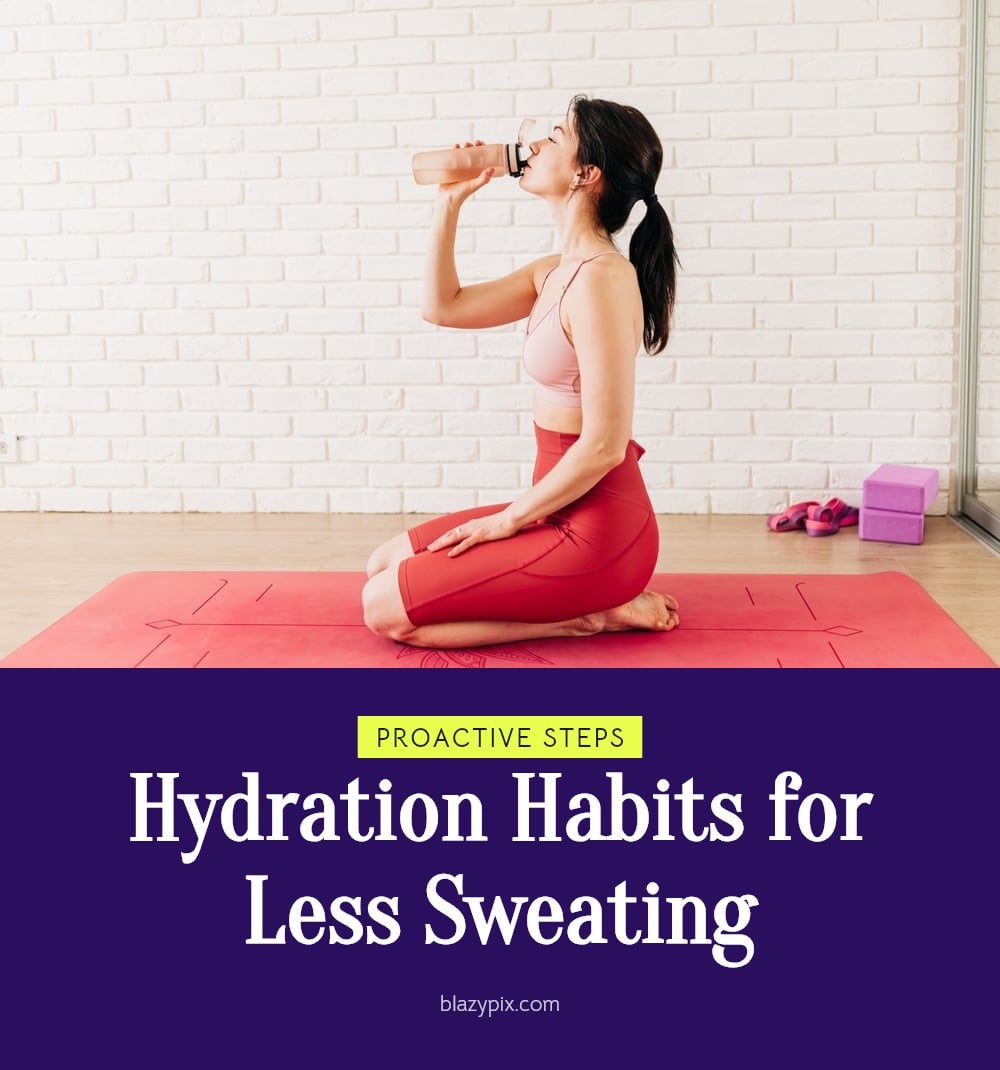
Stay hydrated: Paradoxically, dehydration can lead to increased body temperature and more sweating. Drink plenty of water throughout the day to keep your cooling system working properly.
Manage stress: Incorporate stress-reduction techniques like deep breathing exercises, meditation, or yoga into your daily routine to lessen stress-induced sweating.
Maintain a balanced diet: Certain foods and drinks can act as triggers. Pay attention to your diet and reduce intake of spicy foods, caffeine, and alcohol if they contribute to your sweating.
Choose appropriate footwear: For sweaty feet, opt for shoes made of breathable materials and change socks frequently, choosing moisture-wicking options.
Consider clinical-strength antiperspirants: If regular antiperspirants aren’t enough, over-the-counter clinical-strength options offer a stronger solution for persistent sweating. Follow the instructions carefully to avoid skin irritation.
When to Talk to a Doctor About Sweating
Consult a doctor if your excessive sweating is new, severe, or interferes with your daily life. Seek medical advice if sweating occurs mostly at night or is accompanied by other symptoms like fever, weight loss, chest pain, or rapid heartbeat.
A professional can help determine if there’s an underlying medical condition causing secondary hyperhidrosis. They can also discuss various treatment options, from prescription antiperspirants to other medical interventions.
Frequently Asked Questions
What is the difference between primary and secondary hyperhidrosis?
Primary hyperhidrosis usually starts in childhood or adolescence and affects specific areas like your palms, soles, armpits, or face. There is no known underlying cause. Secondary hyperhidrosis involves larger areas of the body and is caused by an underlying medical condition or as a side effect of medication.
Can certain foods or drinks make sweating worse?
Yes, spicy foods, caffeine, and alcohol are common triggers that can increase sweating. If you notice more sweat after eating or drinking certain things, try cutting back or avoiding them to see if it helps. Keeping a food diary can help you identify your personal triggers.
How long does it take for natural remedies to work?
Natural remedies like witch hazel, sage tea, or apple cider vinegar may take several days to a few weeks of consistent use before you notice a difference. Results vary from person to person. If you don’t see improvement after a few weeks, or if skin irritation occurs, stop using the remedy and consider other options.
Is it normal to sweat more at night?
Occasional night sweats can happen due to a warm bedroom, heavy blankets, or stress. But if you regularly wake up drenched in sweat or it’s accompanied by fever, weight loss, or chest pain, it could signal an underlying medical issue. In that case, see a doctor to rule out a more serious cause.
Final Thoughts
For most people, a few simple changes can make a big difference. Start by switching to breathable fabrics and using antiperspirant the right way, at night. Natural remedies like witch hazel or sage tea may help, but give them a few weeks of consistent use before deciding if they work for you. If sweating is new, severe, or affects your daily life, don’t hesitate to talk to a doctor.
This article is for informational purposes only and is not a substitute for professional medical advice. If you have concerns about excessive sweating or any other health condition, please consult a doctor or dermatologist for a proper diagnosis and treatment plan.