Rosemary Oil for Hair: Easy DIY Recipe and How to Apply It
Learn how to make and apply rosemary oil for hair growth at home with our easy DIY recipe and step-by-step guide. Promote scalp health naturally.

If you’ve noticed your hair thinning or just want to give your scalp some extra love, rosemary oil might be the natural boost you’re looking for. This Mediterranean herb has been used for centuries, and modern research suggests it can stimulate circulation and support hair follicles when used correctly. In this article, I’ll walk you through a simple DIY recipe, the right way to apply it, and what to watch out for so you can try it safely at home.
Key Takeaways
- Always dilute rosemary essential oil with a carrier oil like jojoba or coconut before applying to the scalp.
- Apply 2-3 times a week for at least 3-6 months to potentially see results.
- Perform a patch test before full application to check for skin sensitivity.
- Choose 100% pure rosemary essential oil from a reputable source for best results.
- Stop use immediately if you experience redness, itching, or burning.
Why Rosemary Oil Works for Hair Growth and Scalp Health
Rosemary oil works by stimulating blood circulation in the scalp, which can help deliver nutrients to hair follicles. It may also offer anti-inflammatory and antioxidant properties that support a healthier scalp environment. Some research, including a 2015 study in Skinmed Journal, suggests rosemary oil could be comparable to minoxidil 2% for androgenetic alopecia, showing similar hair count increases after 6 months. That said, it’s not a guaranteed cure for every type of hair loss, and individual results vary.
DIY Rosemary Oil Hair Treatment: What You’ll Need

To make your own rosemary oil treatment, you need just a few basics. The most important is pure rosemary essential oil, not a diluted or synthetic version, since the active compounds like carnosic acid are what may provide benefits. You also need a carrier oil, such as jojoba, coconut, or almond oil, which dilutes the essential oil and adds its own nourishing properties.
Here’s what to gather:
- Rosemary essential oil: pure and high-quality
- Carrier oil: jojoba, coconut, almond, or olive oil
- Small bowl or dropper bottle: for mixing
- Applicator bottle or dropper: optional, for easier application
- Towel: to protect clothing
Step-by-Step: How to Apply Rosemary Oil for Hair Growth
Applying rosemary oil is straightforward, but the details matter for safety and results. Follow these steps each time.
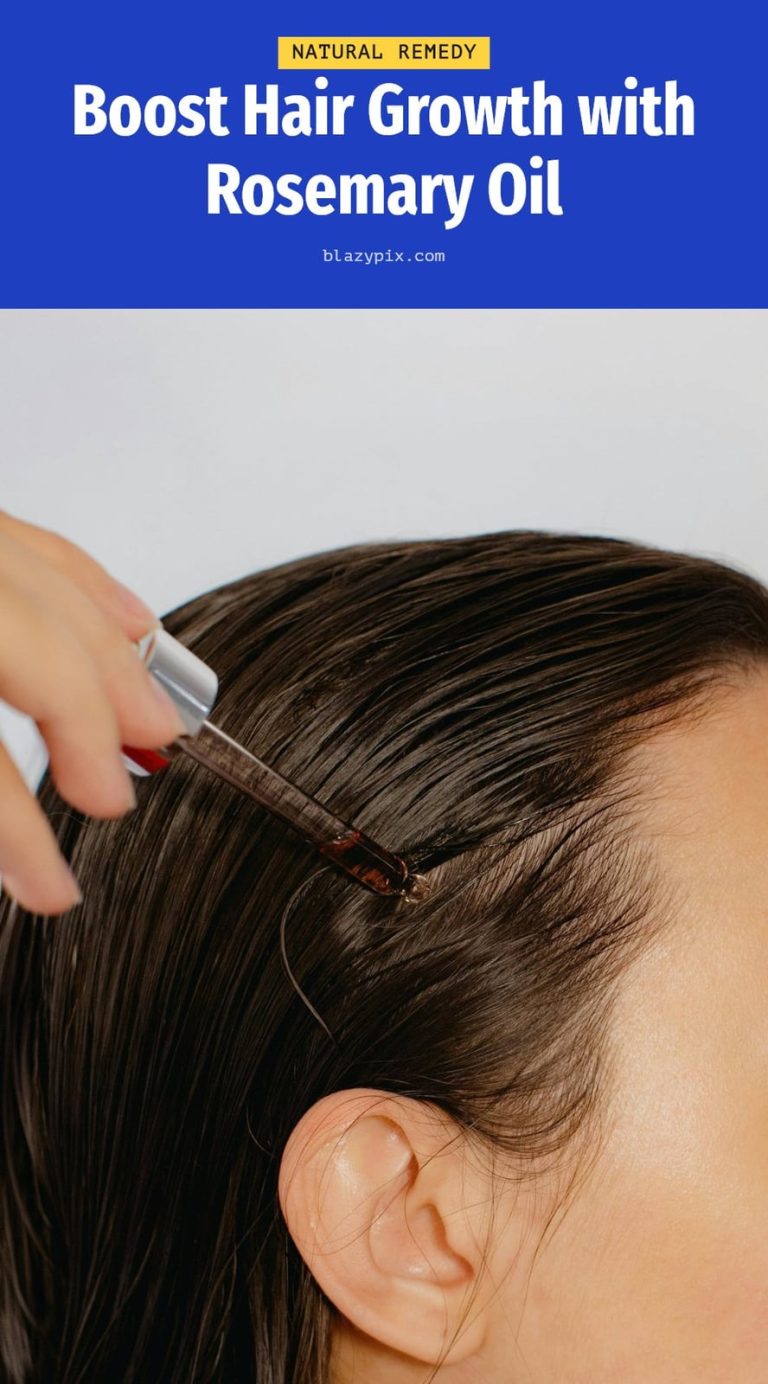
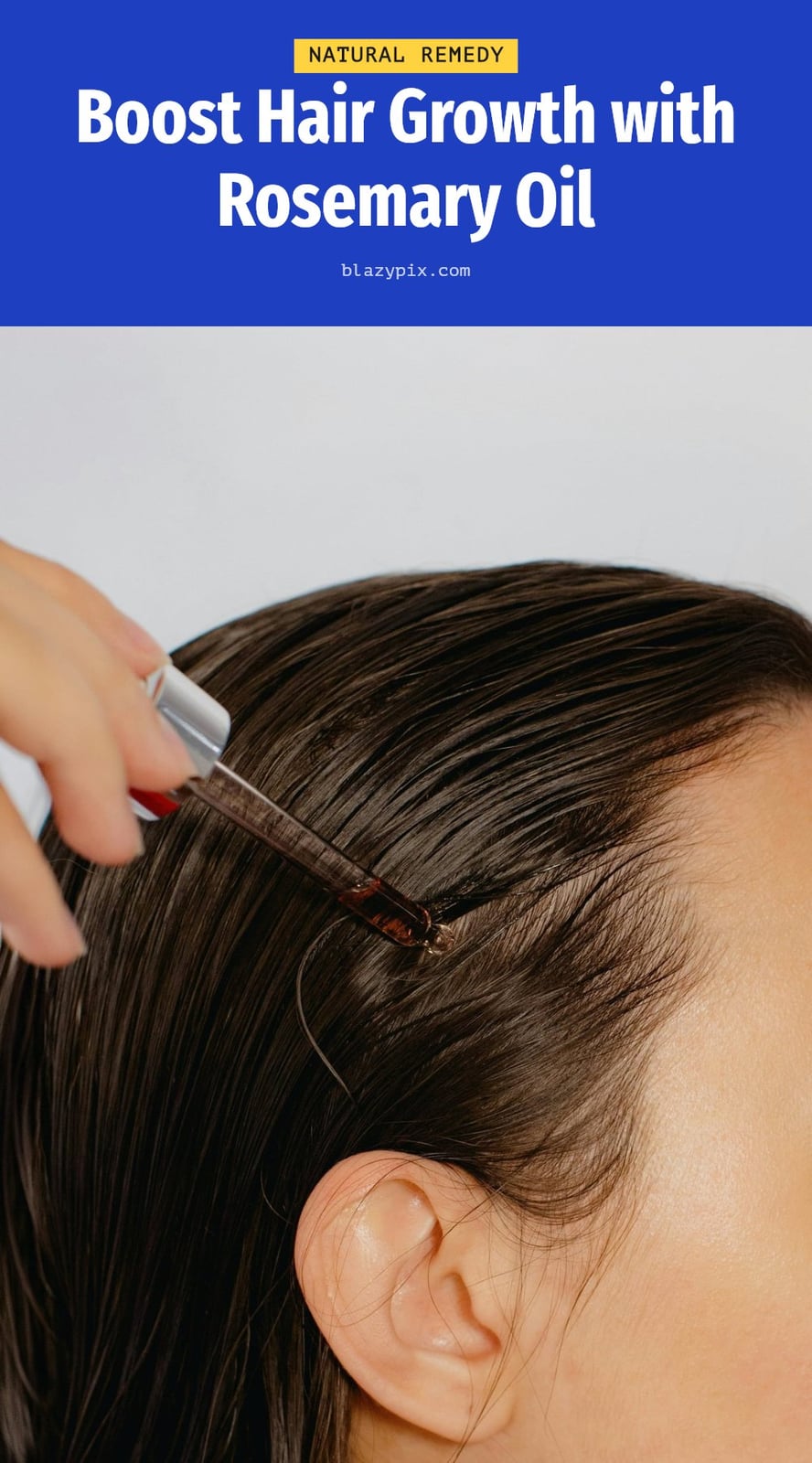
- Dilute the oil: Mix 2-3 drops of rosemary essential oil with 1 teaspoon of carrier oil in a small bowl or dropper bottle. Never use it undiluted, as it can irritate your scalp.
- Patch test first: Apply a tiny amount of the mixture to the inside of your wrist or behind your ear. Wait 24 hours to check for redness, itching, or burning before using it on your scalp.
- Section your hair: Part your hair into small sections so the oil can reach your scalp, not just your strands. This ensures even coverage.
- Massage it in: Use your fingertips to massage the diluted oil gently into your scalp for 3-5 minutes. This promotes absorption and stimulates circulation, which may help deliver nutrients to follicles.
- Leave it on: Let the oil sit for at least 30 minutes, or overnight if you prefer. Cover your pillow with a towel to protect it.
- Wash thoroughly: Shampoo your hair to remove the oil completely. Leftover oil can make your hair greasy and clog pores.
- Repeat consistently: Apply 2-3 times a week for at least 3-6 months. Hair growth is slow, and you likely won’t see changes sooner.
Top Tips for Using Rosemary Oil Effectively

Getting the most from rosemary oil comes down to a few simple habits.
- Choose pure oil: Look for 100% rosemary essential oil from a reputable source. Adulterated or low-quality oils may not work and can cause irritation.
- Stay consistent: Apply 2-3 times a week for several months. Skipping weeks or quitting early means you won’t know if it works for you.
- Store it properly: Keep the bottle in a cool, dark place away from sunlight and heat. Exposure degrades the active compounds and shortens shelf life.
- Add it to shampoo: For convenience, mix a few drops into your shampoo or conditioner before washing. This is less targeted than direct scalp massage, but it’s an easy way to keep rosemary in your routine.
My tip: keep a small dropper bottle of pre-diluted rosemary oil ready, so you’re more likely to stick with the routine.
Common Mistakes to Avoid When Using Rosemary Oil
Most problems with rosemary oil come from skipping a step, not from the oil itself. Watch for these four.
- Undiluted oil: Never put pure rosemary essential oil straight on your scalp. It is strong enough to burn and irritate skin, so always mix it with a carrier oil first.
- Rushed expectations: Hair grows slowly, and no oil changes that. Give a routine 3 to 6 months before you judge whether it is helping, and expect variation from person to person.
- No patch test: Test the diluted mix on a small spot of skin, such as behind your ear or on your inner arm, and wait a day. Sensitivity can show up later, not instantly.
- Over-applying: More oil does not mean faster results. Too much leaves hair greasy and can irritate the scalp, so stick to a light, massaged-in amount a few times a week.
Aftercare and Maintenance for Your Rosemary Oil Routine
The routine after each application matters as much as the application itself.
- Stay consistent: Long-term benefits, if any, depend on regular use over months, not a few scattered sessions.
- Watch your scalp: Stop using rosemary oil right away if you notice redness, itching, or burning, and let the skin settle.
- Cleanse thoroughly: Wash your scalp well on wash days so carrier oil and product do not build up, which can leave hair limp or clogged at the roots.
When to Consult a Professional About Hair Loss
Rosemary oil is a home remedy, not a substitute for medical care. Some situations call for a professional.
- Sudden or severe shedding: See a doctor if hair loss appears quickly, comes out in patches, or is heavy, since this can point to causes an oil will not address.
- Persistent irritation: If redness, itching, or burning continues after you stop using the oil, have a dermatologist look at your scalp.
- Pregnancy or breastfeeding: Talk to your doctor before using rosemary essential oil, and do the same if you have an existing scalp condition or allergy.
Frequently Asked Questions
How long does it take for rosemary oil to work?
Most people need to apply it consistently 2-3 times a week for at least 3 to 6 months before they may see any changes. Hair growth cycles are slow, so don’t expect overnight results. If you don’t notice anything after six months, it might not be the right solution for your hair type.
Can rosemary oil make hair fall out?
It’s rare, but some people experience temporary shedding when they start a new scalp treatment. If you notice increased hair loss after using rosemary oil, stop immediately and check for irritation. Persistent or patchy shedding could signal an underlying issue that needs a doctor’s attention.
Is it okay to leave rosemary oil in hair overnight?
Yes, you can leave it on overnight as long as you’ve diluted it properly with a carrier oil. Apply it a few hours before bed and cover your pillow with a towel to avoid stains. If your scalp feels irritated or itchy, wash it off sooner rather than leaving it on.
Can I use rosemary oil every day?
Daily use isn’t recommended because it can irritate your scalp or make your hair greasy. Stick to 2-3 times a week for the best balance. If you want more frequent application, use a very diluted mix and watch for any signs of sensitivity.
What types of hair loss does rosemary oil help?
Some research suggests it may help with androgenetic alopecia (pattern hair loss), but it’s not a cure for all types. It works best for mild thinning related to circulation or scalp health. If your hair loss is sudden, patchy, or severe, see a professional instead of relying on rosemary oil alone.
Does rosemary oil really work for hair growth?
A 2015 study found that rosemary oil showed similar results to a common treatment for androgenetic alopecia after six months. But results vary from person to person, and it’s not guaranteed for everyone. It can help some people, but it’s not a miracle fix for all hair loss.
Final Thoughts
For a natural approach to hair care, rosemary oil is worth adding to your routine if you’re patient and consistent. My tip: stick with it for at least three months before judging whether it’s working for you. Hair growth takes time, and skipping weeks won’t help. If you notice sudden or heavy shedding, see a doctor instead of relying on home remedies alone.
This article is for informational purposes only and is not a substitute for professional medical advice, diagnosis, or treatment. Always consult a doctor, dermatologist, or other qualified health provider with any questions you may have about a medical condition or before starting a new hair care routine, especially if you are pregnant, breastfeeding, or have a scalp condition.