How to Fade Dark Spots and Achieve Even Skin Tone
Learn how to fade dark spots with proven ingredients and treatments. Discover daily habits and professional options for a brighter, more even complexion.

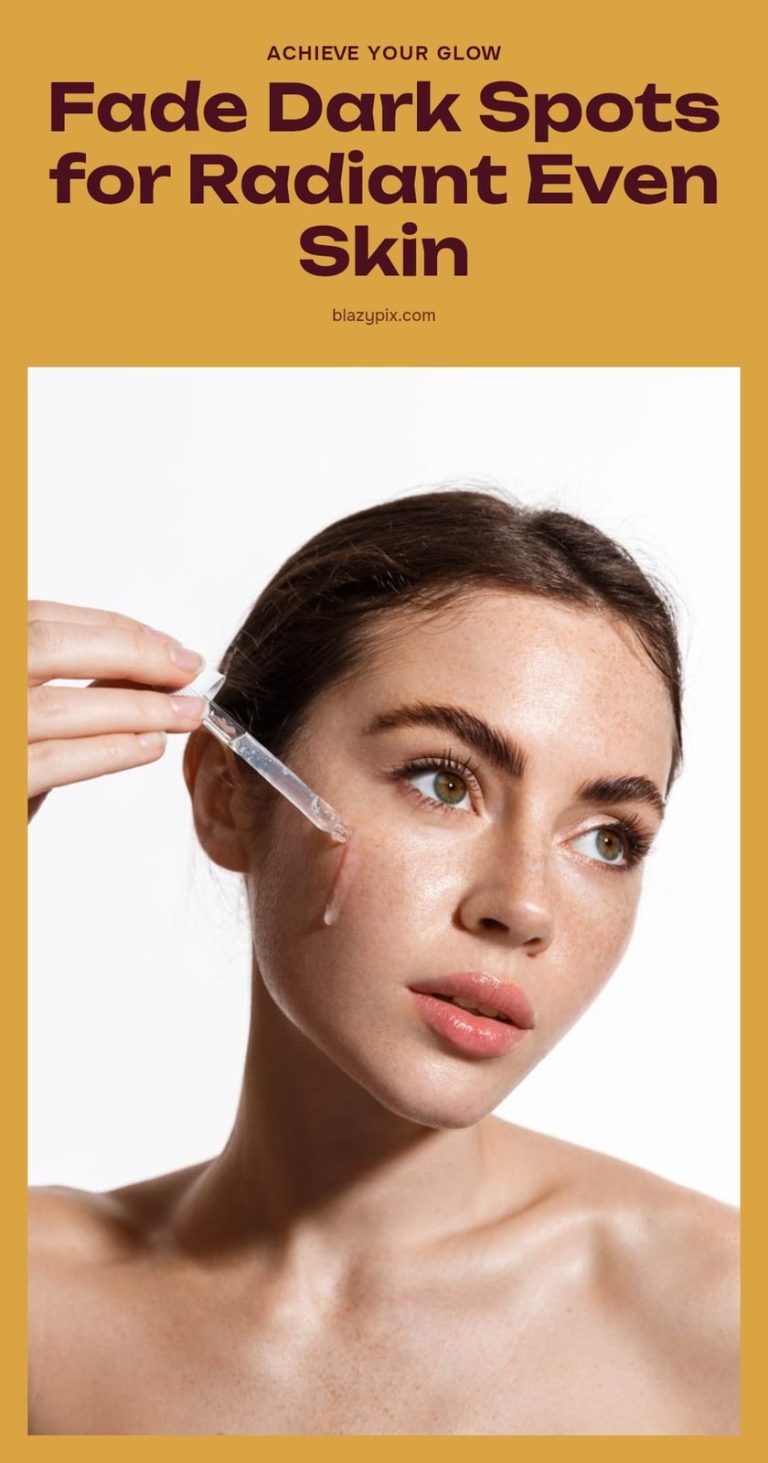
If you’ve noticed dark spots popping up on your face, you’re not alone, and the good news is that you can definitely fade them with the right approach. The key is understanding that these spots are a form of hyperpigmentation caused by excess melanin, and while they won’t disappear overnight, a consistent routine can make a real difference. In this article, I’ll walk you through what causes dark spots, the most effective ingredients and treatments to fade them, and the common mistakes to avoid so you can achieve a more even skin tone.
Key Takeaways
- Apply broad-spectrum sunscreen with SPF 30 or higher every single day, even indoors or on cloudy days.
- Use proven brightening ingredients like vitamin C, niacinamide, or retinoids consistently for at least 8-12 weeks.
- Don’t pick at acne or scabs, as this can lead to post-inflammatory hyperpigmentation.
- See a dermatologist if over-the-counter products don’t work after several months or if you suspect melasma.
- Avoid using multiple strong active ingredients at once without professional guidance to prevent irritation.
You Can Fade Dark Spots, But It Takes Time and Strategy
Dark spots, also known as hyperpigmentation, can be significantly faded, but they rarely vanish overnight. Effective fading calls for a consistent routine of targeted topical treatments plus diligent sun protection every single day. For stubborn or large spots, professional procedures like chemical peels or laser therapy may speed up results. Expect to see noticeable improvement in weeks to months, not days.
Why Those Pesky Dark Spots Appear on Your Skin
Why Those Pesky Dark Spots Appear on Your Skin
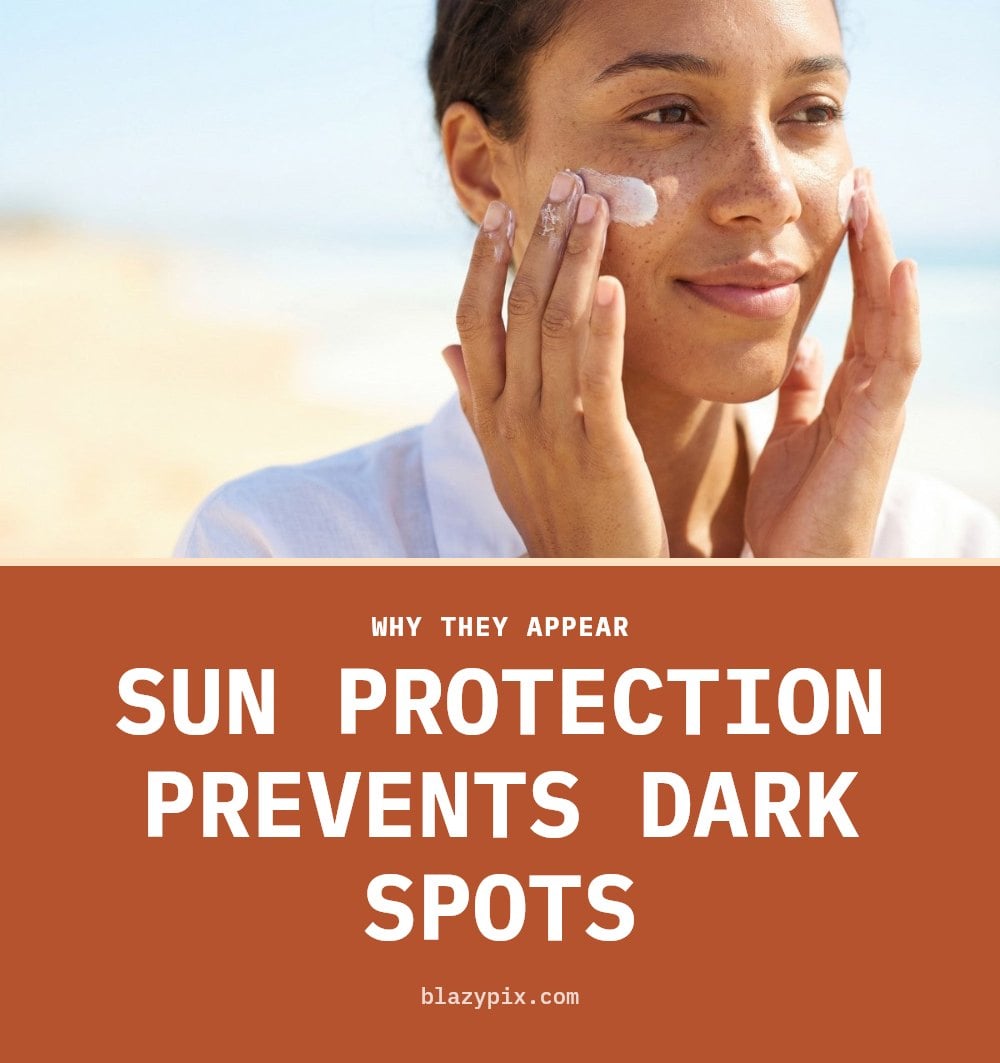
Dark spots form when your skin produces excess melanin in a localized area. The three most common types are:
- Post-inflammatory hyperpigmentation (PIH): Shows up after skin trauma like acne, cuts, burns, or aggressive scrubbing. It often fades on its own but can linger for months.
- Sunspots (solar lentigines): Caused by years of cumulative sun exposure. These flat, brown spots typically appear on face, hands, and chest.
- Melasma: Linked to hormonal changes from pregnancy, birth control, or hormone therapy. It often appears in larger patches and is notoriously stubborn.
Sun exposure is the single biggest trigger for all types and can darken existing spots dramatically. That is why sun protection is non-negotiable.
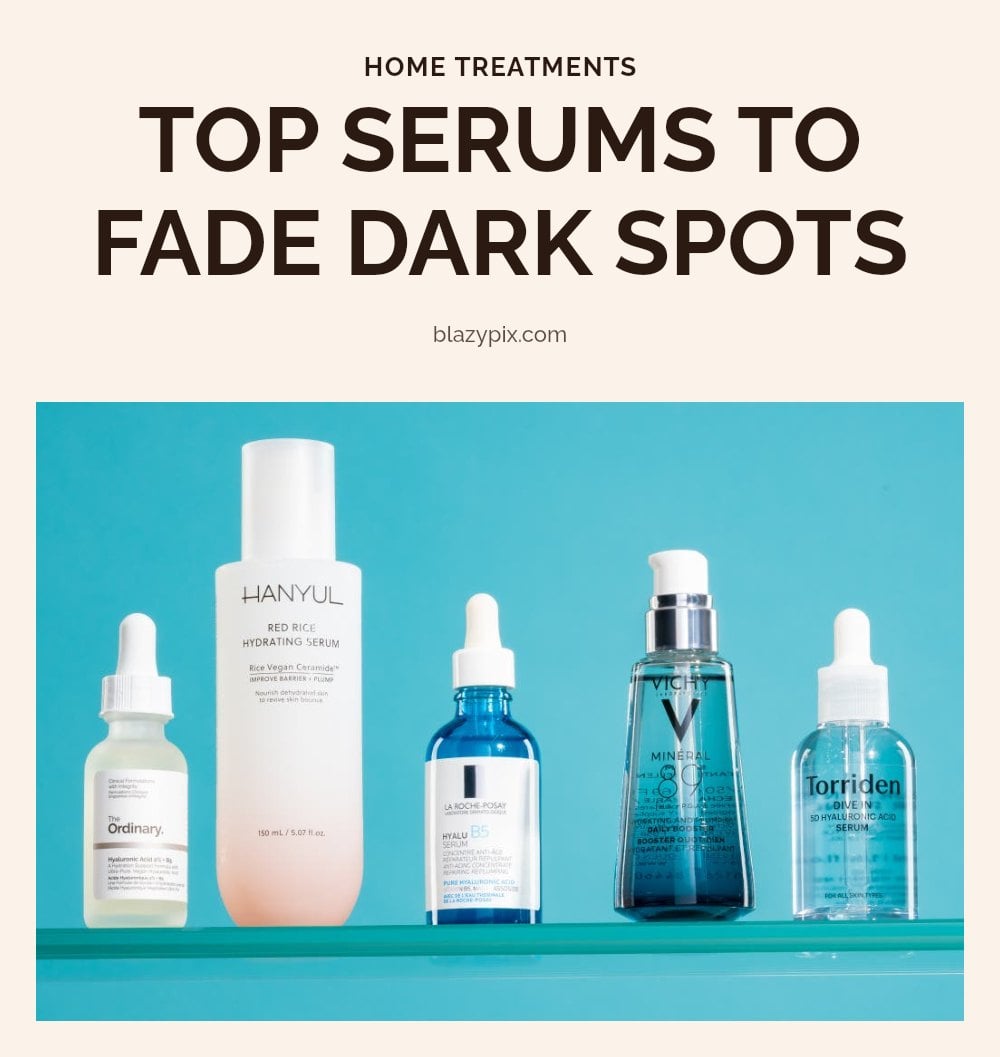
Your Best Bets for Fading Dark Spots at Home
Your Best Bets for Fading Dark Spots at Home
Several proven ingredients can help lighten spots when used consistently. Here is what to look for and how to use them:
- Vitamin C: A potent antioxidant that brightens and protects against future damage. Use a stabilized serum in the morning under sunscreen.
- Niacinamide: Calms inflammation and strengthens the skin barrier. It pairs well with most other actives and is gentle enough for daily use.
- Retinoids (retinol or tretinoin): Speed up cell turnover, pushing pigmented cells to the surface faster. Start with a low strength 2-3 times per week to avoid irritation.
- AHAs (glycolic or lactic acid): Exfoliate the top layer of skin, helping fade surface spots. Use them in a serum or toner, but never combine with other strong exfoliants.
- Kojic acid and alpha arbutin: Both work by inhibiting the enzyme that triggers melanin production. They are often found in serums or creams and are well tolerated.
- Azelaic acid: Reduces inflammation and directly targets melanin production. It is gentle enough for sensitive skin and can be used morning or night.
My tip: Introduce one new active at a time and patch test on your inner arm for three days. Layer them correctly: vitamin C in the morning, niacinamide or azelaic acid in either routine, and retinoids only at night. Always finish with sunscreen in the morning.
Topical Treatments vs. Professional Procedures
When deciding between at-home products and professional treatments, consider your spot severity, budget, and patience. Here is a quick comparison:
| Option | How It Works | Speed | Cost |
|---|---|---|---|
| Over-the-counter topicals (vitamin C, retinoids, AHAs) | Gradually lighten spots by inhibiting melanin or speeding cell turnover | Weeks to months | Low to moderate |
| Prescription hydroquinone | Powerfully blocks melanin production, often used in short cycles | Weeks | Moderate (requires doctor visit) |
| Chemical peels (in-office) | Remove outer skin layers to reveal fresher skin | 1-3 sessions | High per session |
| Laser therapy (IPL, fractional) | Target pigment with light energy, breaking it up | 2-4 sessions | High per session |
| Microneedling | Creates micro-injuries to boost collagen and product absorption | 3-6 sessions | Moderate to high |
Topical treatments are accessible and safe for mild to moderate spots but require patience. Professional options deliver faster, more dramatic results for stubborn or severe hyperpigmentation, though they carry higher cost and some risk. Hydroquinone sits in between: it is powerful and often prescription-only, so use it only under a dermatologist’s guidance.
Common Mistakes That Make Dark Spots Worse
Mistake 1: Skipping sunscreen daily. UV exposure undoes all your progress and triggers new spots. Even cloudy days let through UVA rays that worsen hyperpigmentation.
Mistake 2: Expecting spots to fade in days. Topical treatments need 8-12 weeks of consistent use to show noticeable change. Patience is non-negotiable.
Mistake 3: Over-exfoliating or layering too many strong actives. This irritates the skin, which can trigger more melanin production and darker spots. Stick to one active at a time until your skin adjusts.
Mistake 4: Picking at blemishes or scabs. That trauma directly causes post-inflammatory hyperpigmentation (PIH). Keep hands off your face.
Mistake 5: Ignoring the root cause. Melasma, for example, is often tied to hormones and needs specific management beyond basic topicals. Treating symptoms without addressing triggers leads to recurrence.
How to Prevent New Dark Spots From Forming
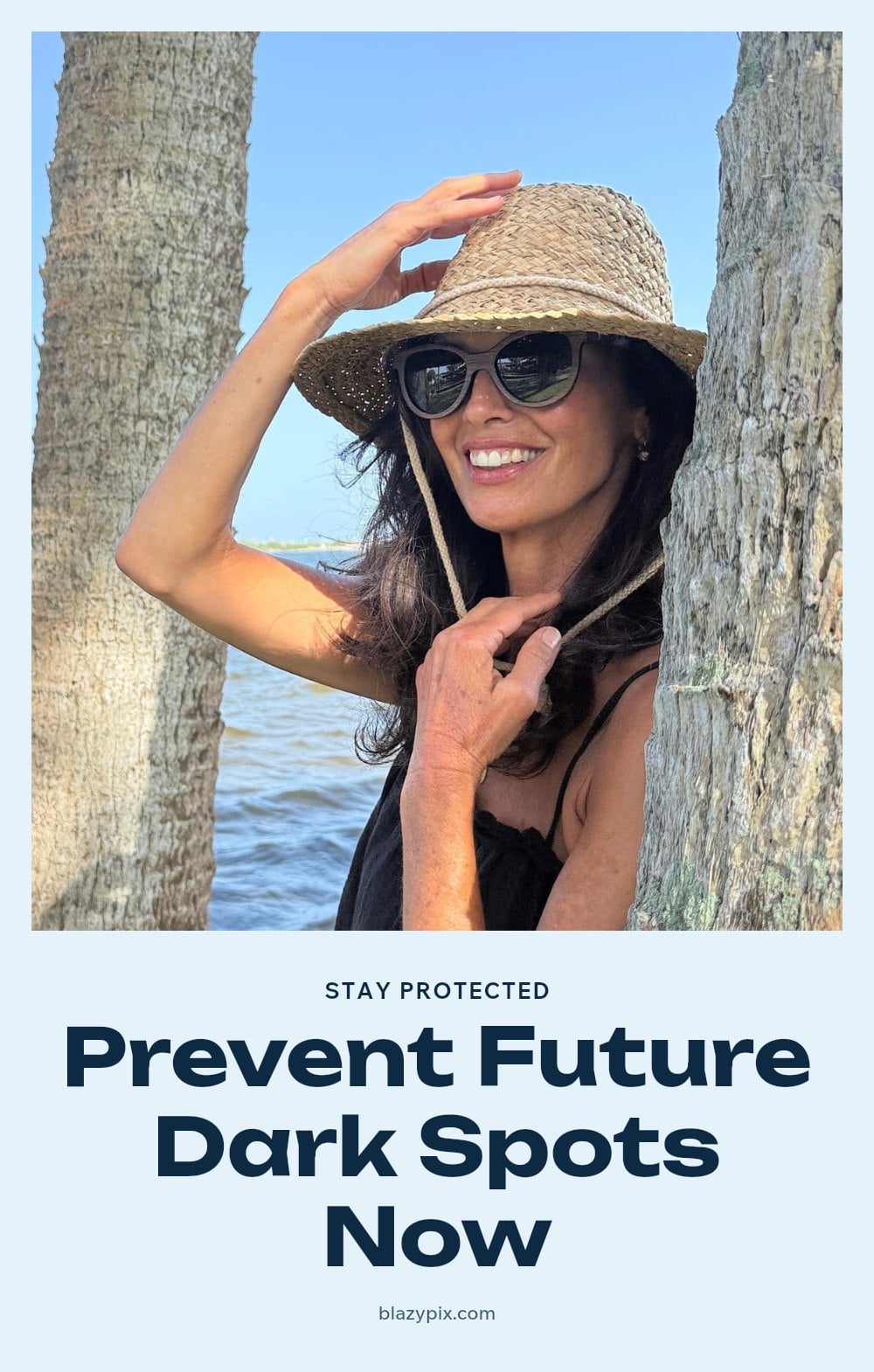
Sun protection is your single most effective weapon against new dark spots. Apply a broad-spectrum sunscreen with SPF 30 or higher every single day, even if you are indoors or it is cloudy. UVA rays penetrate windows and clouds.
Reapply every two hours when you are outdoors, and immediately after sweating or swimming. A single application is not enough for a full day.
Wear a wide-brimmed hat and sunglasses to shield your face and eye area. Avoid direct sun between 10 AM and 4 PM when UV rays are strongest.
Treat acne promptly and gently. Use a salicylic acid or benzoyl peroxide spot treatment rather than picking, which leaves behind PIH.
When to See a Dermatologist About Your Dark Spots
If your dark spots have not responded to over-the-counter products after several months, see a dermatologist. Stubborn or severe hyperpigmentation often needs professional evaluation.
Seek expert advice if you suspect melasma. It requires specific management because it is driven by hormones and sun exposure. A dermatologist can confirm the type and recommend targeted treatments.
See a doctor immediately if a dark spot changes in size, shape, or color, or becomes itchy or painful. This could indicate something more serious.
A dermatologist can discuss professional options like chemical peels, laser therapy, or prescription hydroquinone. These offer faster, more dramatic results than at-home products alone.
What to Expect: Timeline and Investment for Fading Spots
Topical treatments: Expect noticeable fading in about 8 to 12 weeks of daily use. Continued improvement happens over several months. Over-the-counter products range from affordable to mid-range, depending on the brand and active ingredient.
Professional treatments: Chemical peels, laser sessions, or microneedling can show results in just a few sessions. The trade-off is a higher cost per session. Discuss expected timeline and total sessions with your dermatologist before starting.
Bottom line: Budget for a few months of consistent topical use, or a higher upfront investment for faster professional results. Either way, sunscreen is non-negotiable throughout.
Frequently Asked Questions
How long does it take for dark spots to fade completely?
Complete fading is rare, but significant improvement is realistic. With consistent use of topical treatments, you can expect noticeable fading in about 8 to 12 weeks, with continued improvement over several months. Professional treatments like chemical peels or lasers may show faster results, often within a few sessions.
Can natural remedies really get rid of dark spots?
Some natural ingredients like licorice root extract and turmeric are believed to have skin-lightening properties, but scientific evidence is mixed. They may offer mild benefits, but they are generally not as reliable or potent as proven ingredients like vitamin C, niacinamide, or retinoids. For noticeable results, stick with clinically tested options.
Is hydroquinone safe for long-term use?
Hydroquinone is a powerful skin-lightening agent, but it is typically prescribed for short-term use due to potential side effects, such as ochronosis (a bluish-black discoloration) with prolonged use. It should only be used under a doctor’s supervision, and never for more than a few months at a time without a break.
What’s the difference between sunspots and melasma?
Sunspots, also called solar lentigines, are caused by cumulative sun exposure and appear as flat, brown spots on sun-exposed areas. Melasma is a more complex condition linked to hormonal changes, such as during pregnancy or from birth control pills, and is triggered by sun exposure. Melasma often appears in larger patches on the face and can be more stubborn to treat.
What causes dark spots on the face?
Dark spots on the face are typically a result of excess melanin production in a localized area. The most common causes include sun exposure (sunspots), inflammation from acne or skin trauma (post-inflammatory hyperpigmentation), and hormonal changes (melasma). Picking at blemishes or using harsh products can also trigger them.
Final Thoughts
My biggest tip for fading dark spots is to make sunscreen your non-negotiable daily habit. It’s the single most effective step for both preventing new spots and allowing your other treatments to work. Realistically, expect to see noticeable improvement from topical products in about 8 to 12 weeks of consistent use, with continued fading over several months. Stick with your routine, be patient, and your skin will thank you.
This information is for general educational purposes only and does not constitute medical or dermatological advice. Everyone’s skin is different, and results can vary. If you have persistent, severe, or concerning dark spots, or if you suspect a condition like melasma, please consult a qualified dermatologist or healthcare professional for a personalized evaluation and treatment plan.