
30-Minute Treadmill Interval Workout: Maximize Calorie Burn
Learn how a 30-minute treadmill interval workout burns calories and boosts fitness. Discover a structured routine and mistakes to avoid.

You want a workout that burns serious calories without spending an hour on the treadmill. Interval training is your answer: short, intense bursts of effort followed by active recovery. This article walks you through a 30-minute treadmill interval workout, including warm-up, cool-down, and a weekly schedule to help you see results.

Key Takeaways
- Alternate 1 minute of high-intensity running with 1 minute of recovery walking for 10-12 cycles.
- Always start with a 5-minute warm-up and end with a 5-minute cool-down and stretching.
- Aim for 2-3 interval workouts per week, with rest or light activity on other days.
- Do not hold onto handrails; let your arms swing freely to maximize calorie burn.
- Listen to your body and stop if you feel sharp pain, chest pain, or dizziness.
1. Warm-Up Walk

Start with a gentle pace to prepare your body for the work ahead. Keep the movement light and easy, letting your heart rate climb gradually instead of jumping straight into high effort.
- Time: 5 minutes at a comfortable walking speed (2.5-3.5 mph).
- Form cue: Walk tall with relaxed shoulders and a natural arm swing.
- Make it easier or harder: Easier: stay at the lower end of the speed range. Harder: add a slight incline (1-2%).
2. High-Intensity Run (Interval 1)
Increase the speed to a challenging run where holding a conversation feels difficult. This is your work interval, so push yourself, but keep the pace sustainable for the full minute.
- Time: 1 minute at a challenging running speed (6.0-8.0 mph, adjust to your fitness level).
- Form cue: Look straight ahead, keep your chest up, and avoid hunching your shoulders.
- Make it easier or harder: Easier: drop the speed slightly. Harder: add a 1-2% incline.
3. Recovery Walk (Interval 1)
Drop the speed to a brisk walk to let your heart rate come down. This is active recovery, not a full stop, so keep moving and focus on controlled breathing.
- Time: 1 minute at a brisk walking speed (3.0-4.0 mph).
- Form cue: Breathe in through your nose and out through your mouth, keeping a steady rhythm.
- Make it easier or harder: Easier: slow to the lower end of the range. Harder: keep the pace brisk and add a slight incline.
4. High-Intensity Run (Interval 2)
Return to a challenging running pace, aiming for a similar intensity to your first interval. Keep your effort consistent, and focus on driving your arms and engaging your core to power through.
- Time: 1 minute at a challenging running speed.
- Form cue: Pump your arms forward and back, and brace your core as if preparing for a light punch.
- Make it easier or harder: Easier: reduce speed by 0.5 mph. Harder: increase speed or add a 1% incline.
5. Recovery Walk (Interval 2)
Lower the speed to a brisk walk so you can catch your breath and prepare mentally for the next high-intensity burst. This recovery period is active, not a full stop, so keep your legs moving and focus on deep, steady breathing.
- Time: 1 minute at a brisk walking speed (3.0-4.0 mph).
- Form cue: Let your arms hang loose and swing naturally. Keep your gaze forward, not at the console.
- Make it easier or harder: If you still feel breathless at the end, slow to 2.5 mph. If you recover too quickly, try 3.5-4.0 mph.
6. Repeat High-Intensity/Recovery Cycles
Keep alternating between 1 minute of high-intensity running and 1 minute of recovery walking for the rest of the workout. Aim for 10-12 cycles, which gives you 20-24 minutes of interval work total. Listen to your body and adjust the speeds as needed to maintain a challenging but safe intensity.
- Time: 10-12 cycles of 1 minute run + 1 minute walk (20-24 minutes total).
- Form cue: Keep your shoulders relaxed and your stride natural. Pump your arms forward and back, not across your chest.
- Make it easier or harder: Drop to 8-10 cycles if you’re new to intervals. For a tougher session, increase the run speed by 0.3-0.5 mph on the last 4 cycles.
7. Cool-Down Walk
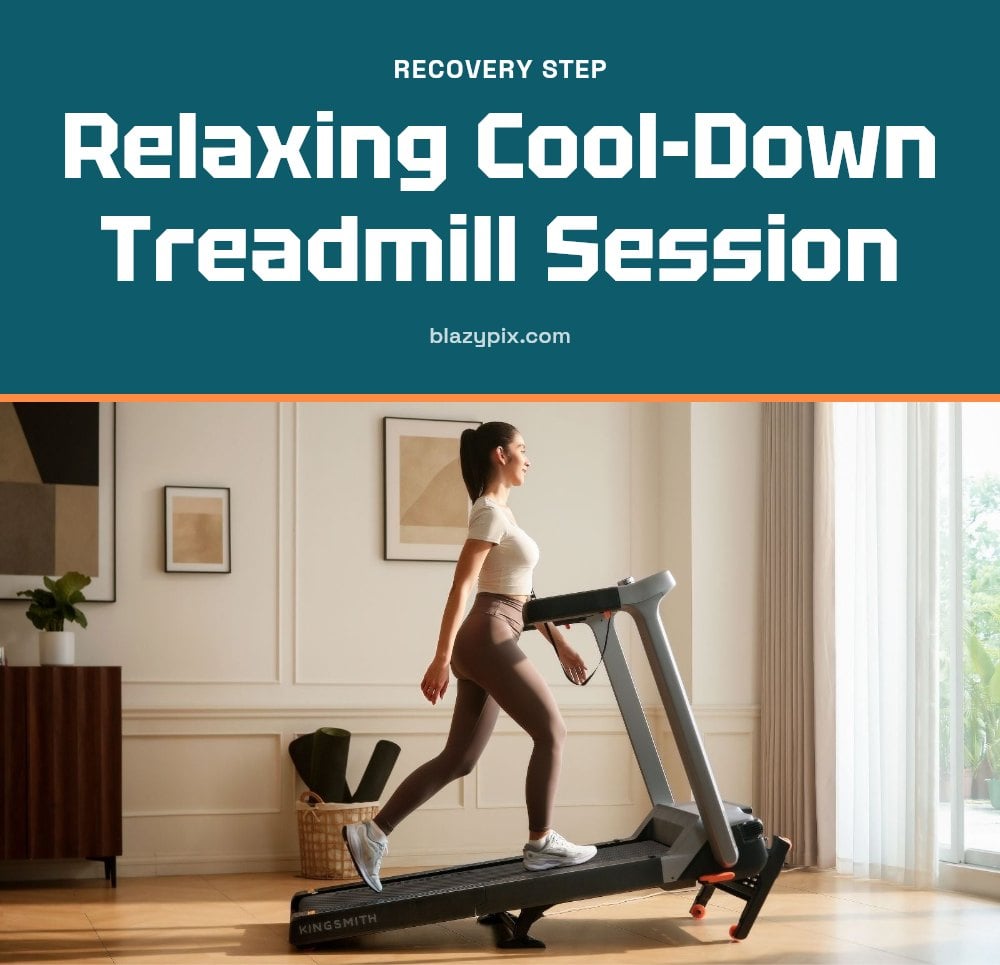
Decrease the speed gradually to a very light walk to let your heart rate and breathing return to normal. This gradual cool-down helps prevent blood from pooling in your legs and reduces the chance of dizziness after intense effort.
- Time: 5 minutes at a very light walking speed (2.0-2.5 mph).
- Form cue: Walk tall with your shoulders back. Focus on slow, deep exhales to help your body shift into recovery mode.
- Make it easier or harder: If you feel lightheaded, drop to 1.5 mph. If you want a gentler transition, stay at 2.5 mph for the full 5 minutes.
8. Post-Workout Stretching
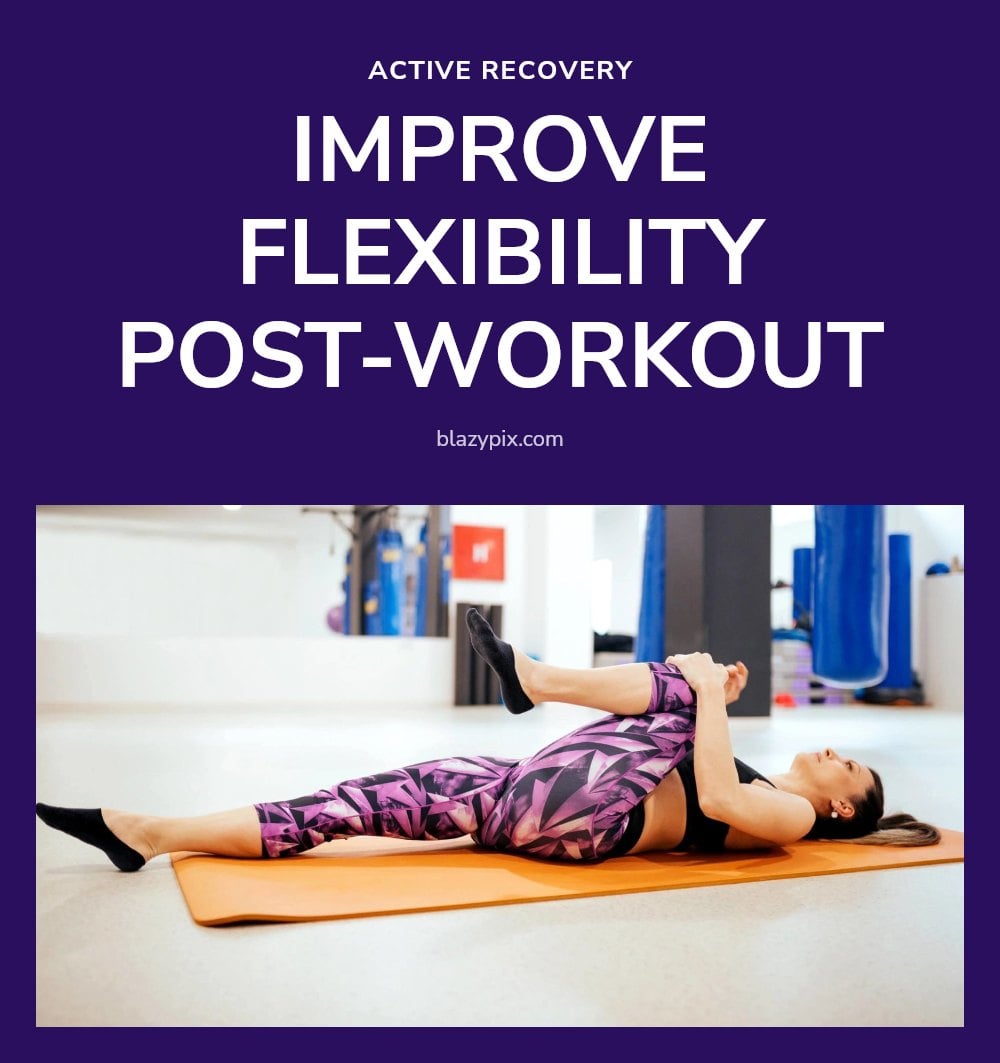
Step off the treadmill and perform light stretches for the major muscle groups you just worked. Focus on your hamstrings, quadriceps, calves, and hip flexors. Hold each stretch for 20-30 seconds without bouncing to improve flexibility and reduce post-workout tightness.
- Time: Hold each stretch for 20-30 seconds. Total 3-5 minutes.
- Form cue: Breathe into the stretch. Never bounce, which can trigger the stretch reflex and cause injury. Keep your movements slow and controlled.
- Make it easier or harder: Shorten holds to 15 seconds if you’re very tight. For a deeper stretch, gently increase the range of motion as you exhale.
Weekly Treadmill Interval Workout Schedule
| Day | Activity | Notes |
|---|---|---|
| Monday | 30-minute interval workout | Focus on proper form and recovery |
| Tuesday | Rest or light activity | Walking, stretching, or yoga |
| Wednesday | 30-minute interval workout | Try increasing incline slightly |
| Thursday | Rest or active recovery | Low-impact cardio or rest |
| Friday | 30-minute interval workout | Maintain intensity from Wednesday |
| Saturday | Rest or light activity | Listen to your body |
| Sunday | Full rest day | Muscle repair and recovery |
Include rest days for muscle recovery and to prevent overtraining. This schedule allows 48 hours between interval sessions, which is enough time for your body to adapt. Adjust the intensity of each workout based on how you feel that day.
Common Treadmill Interval Workout Mistakes
- Skipping the Warm-Up or Cool-Down: Always dedicate 5 minutes to warming up and 5 minutes to cooling down to prevent injury and aid recovery.
- Holding Onto Handrails: This reduces the effectiveness of your workout and can alter your natural gait. Let your arms swing freely.
- Ignoring Your Body’s Signals: Discomfort is normal, but sharp pain is not. Stop immediately if you feel any sharp pain, dizziness, or extreme shortness of breath.
- Too Much Too Soon: Gradually increase your speed and incline. Don’t push yourself to extreme limits, especially when starting a new routine.
- Insufficient Recovery: Ensure your recovery periods allow your heart rate to drop. If you’re still gasping for air, your recovery might be too short or your work interval too intense.
Frequently Asked Questions
How often should I do treadmill interval workouts?
Aim for 2-3 times per week, with at least one rest day or light activity day between sessions. This gives your muscles and cardiovascular system time to recover and adapt, reducing the risk of overtraining.
Can I do interval training if I’m a beginner?
Yes, but start at a lower intensity. Use a walking speed for recovery and a brisk jog or fast walk for work intervals instead of running. Gradually increase speed or incline as your fitness improves. Always consult a doctor before starting a new exercise program.
What is the ‘afterburn effect’?
The afterburn effect, or EPOC, means your body continues to burn calories at an elevated rate after exercise. Interval training triggers a higher afterburn than steady-state cardio, so you keep burning calories even after you step off the treadmill.
Is it better to run or walk during intervals?
It depends on your fitness level. Running during work intervals is more intense and burns more calories, but walking at a high incline can also be effective. The key is to reach an intensity where talking is difficult. Choose what you can sustain safely.
How do I know if my intensity is high enough?
During work intervals, you should find it hard or impossible to hold a conversation. Your breathing will be heavy, and you’ll feel a strong effort. During recovery, your heart rate should drop, and you should be able to speak in short sentences.
Final Thoughts
My tip: stick with this 30-minute interval routine 2-3 times a week and you may notice improvements in your cardiovascular fitness and calorie burn within a few weeks. One realistic expectation: the afterburn effect can keep your metabolism elevated for hours after you finish. Give it a try and see how your body responds.
This article provides general fitness information and is not a substitute for professional medical advice. Consult a doctor before starting any new exercise program, especially if you have underlying health conditions. Stop immediately if you experience pain, dizziness, or shortness of breath.