Upper Body Workout at Home: 15-Minute Dumbbell Routine
Strengthen your upper body at home with this effective 15-minute dumbbell workout. Learn proper form and exercises for chest, back, and shoulders.

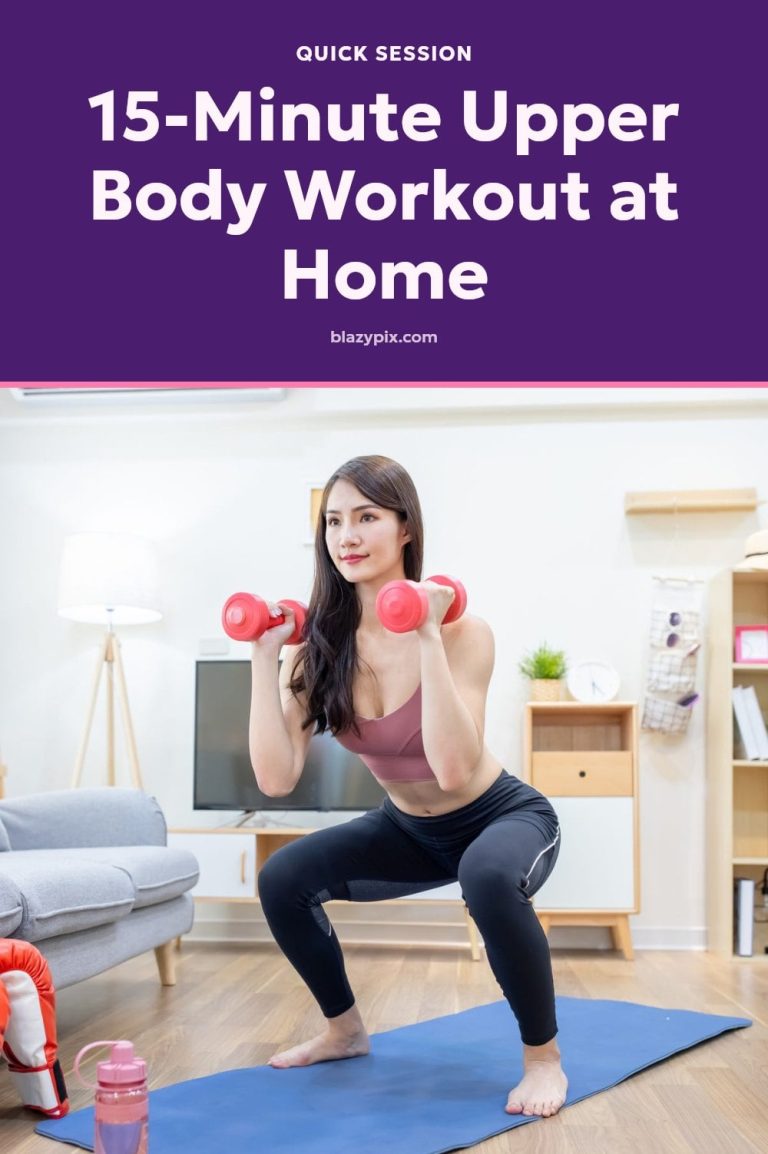
You don’t need a gym or a lot of time to strengthen your upper body. With just a pair of dumbbells and 15 minutes, you can work your chest, back, shoulders, biceps, and triceps effectively at home. This routine focuses on compound movements to get the most out of every minute, plus warm-up and cool-down tips to keep you safe.
Here’s what you’ll find: a step-by-step dumbbell workout, the gear you need, and a simple weekly schedule to help you stay consistent.
Key Takeaways
- Do 2-3 upper body sessions per week on non-consecutive days.
- Choose a weight that challenges you while keeping good form.
- Include both pushing and pulling exercises to balance muscles.
- Warm up for 5 minutes before starting any workout.
- Progress by gradually increasing weight or reps over time.
Your 15-Minute Upper Body Workout with Dumbbells
An upper body workout at home can be highly effective in just 15 minutes when you use dumbbells and focus on compound movements. These exercises work multiple muscle groups at once, targeting your chest, back, shoulders, biceps, and triceps efficiently. Prioritize proper form and controlled movements over heavy weights or speed to prevent injury and maximize muscle engagement. For best results, aim for 2-3 sessions per week on non-consecutive days, and apply progressive overload by gradually increasing weight or repetitions over time.
1. Warm-Up: Arm Circles and Torso Twists
Start your workout by warming up your upper body with arm circles and torso twists. Stand with your feet hip-width apart and your arms extended out to the sides. Perform 10-15 arm circles forward, then 10-15 backward, keeping the movement controlled. Next, do 10-15 gentle torso twists side to side, rotating from your waist while keeping your hips stable.
- Time: About 2-3 minutes total
- Form cue: Keep your shoulders relaxed and your movements fluid, not jerky
- Make it easier: Reduce the circle size or twist range if you feel any tightness
2. Dumbbell Chest Press
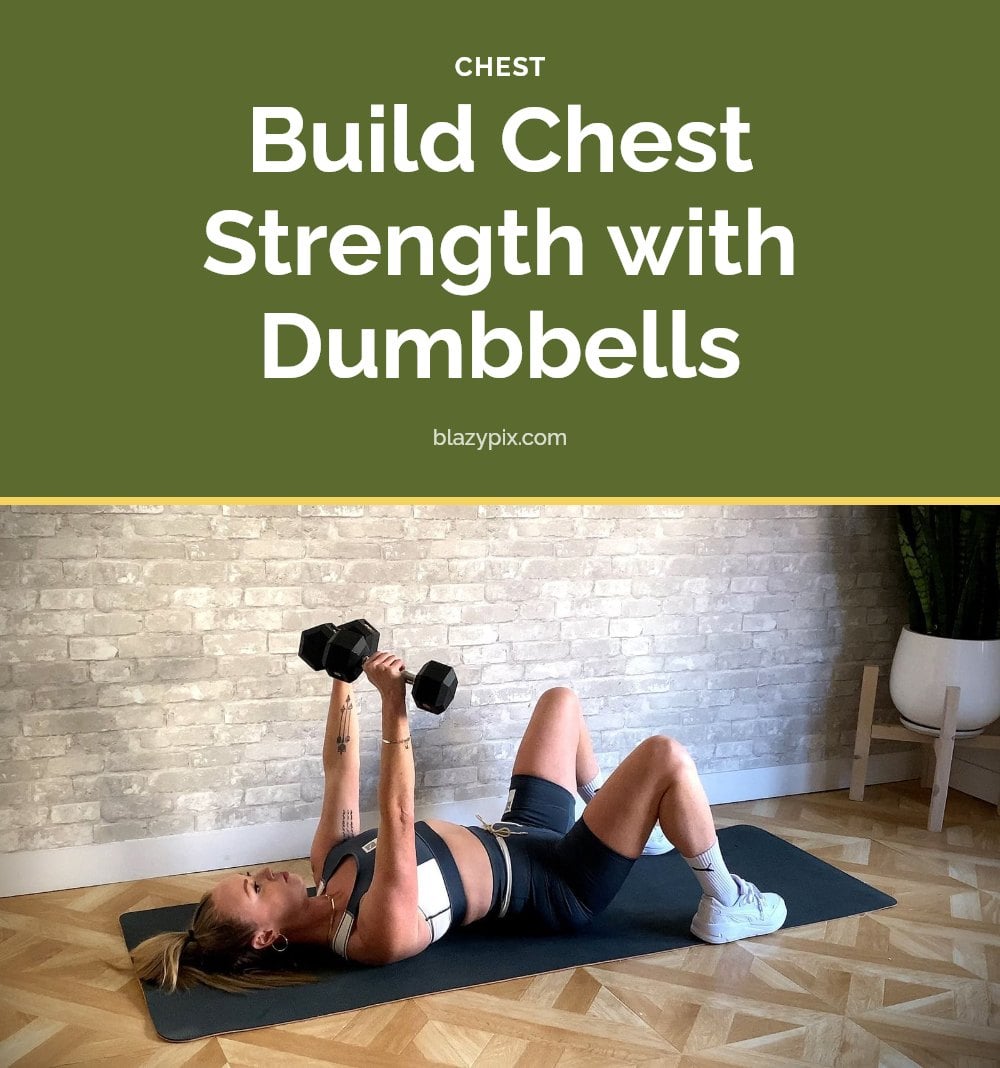
Lie on your back on a mat or bench, holding a dumbbell in each hand. Position the dumbbells at your chest with your palms facing each other and your elbows bent at 90 degrees. Press the dumbbells straight up toward the ceiling until your arms are fully extended, then slowly lower them back down with control.
- Sets and reps: 3 sets of 10-12 repetitions
- Form cue: Keep your core engaged and lower the weights until your elbows are slightly below your shoulders
- Make it harder: Use a slower tempo on the lowering phase, taking 3-4 seconds
3. Dumbbell Bent-Over Row
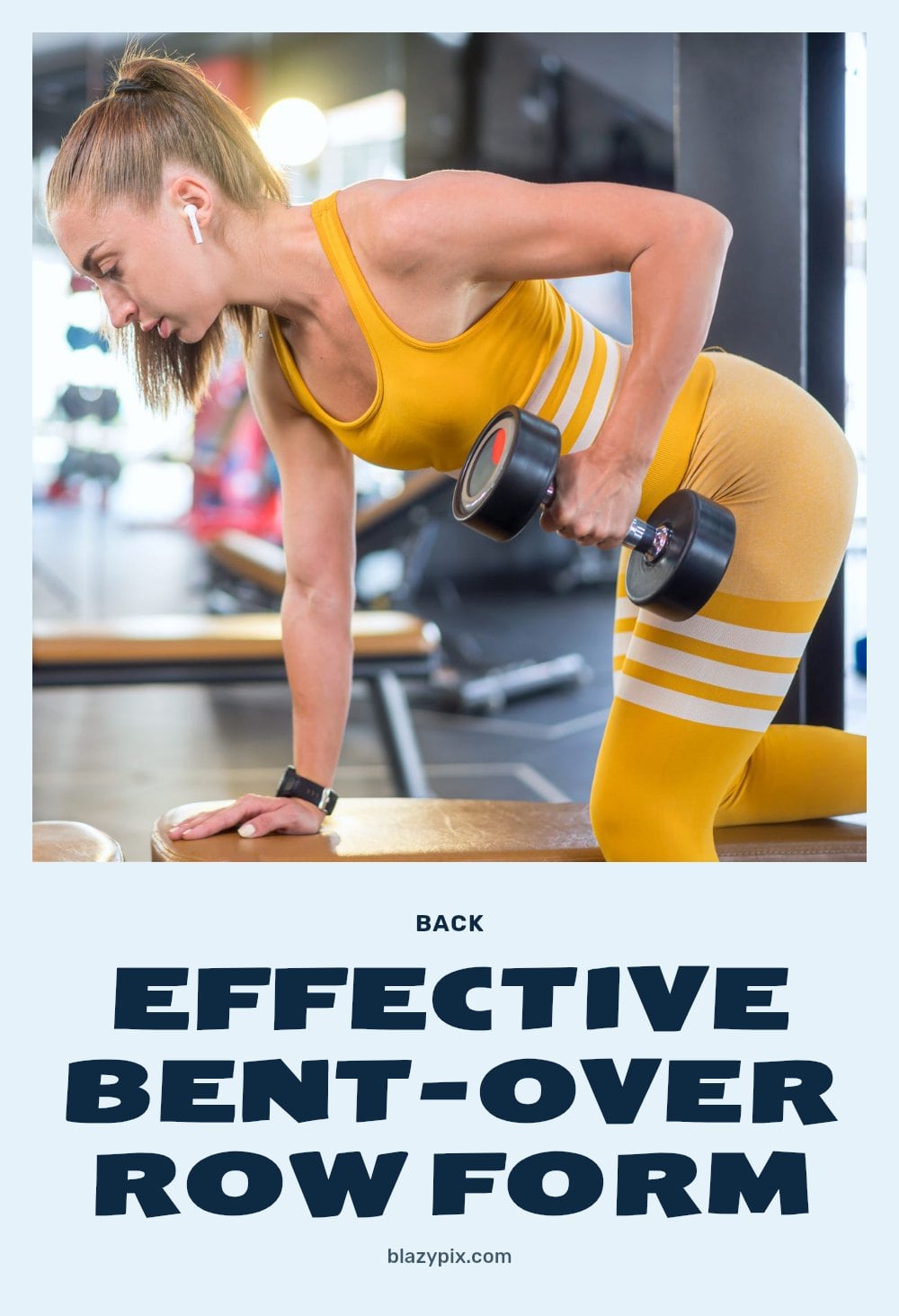
Stand with your feet hip-width apart, holding a dumbbell in each hand. Hinge at your hips, keeping your back straight and a slight bend in your knees, so your torso is nearly parallel to the floor. Let the dumbbells hang toward the floor, then pull them up toward your chest, squeezing your shoulder blades together. Lower with control.
- Sets and reps: 3 sets of 10-12 repetitions
- Form cue: Imagine you’re trying to touch your elbows together behind your back
- Make it easier: Use lighter dumbbells and focus on the squeeze at the top
4. Dumbbell Overhead Press
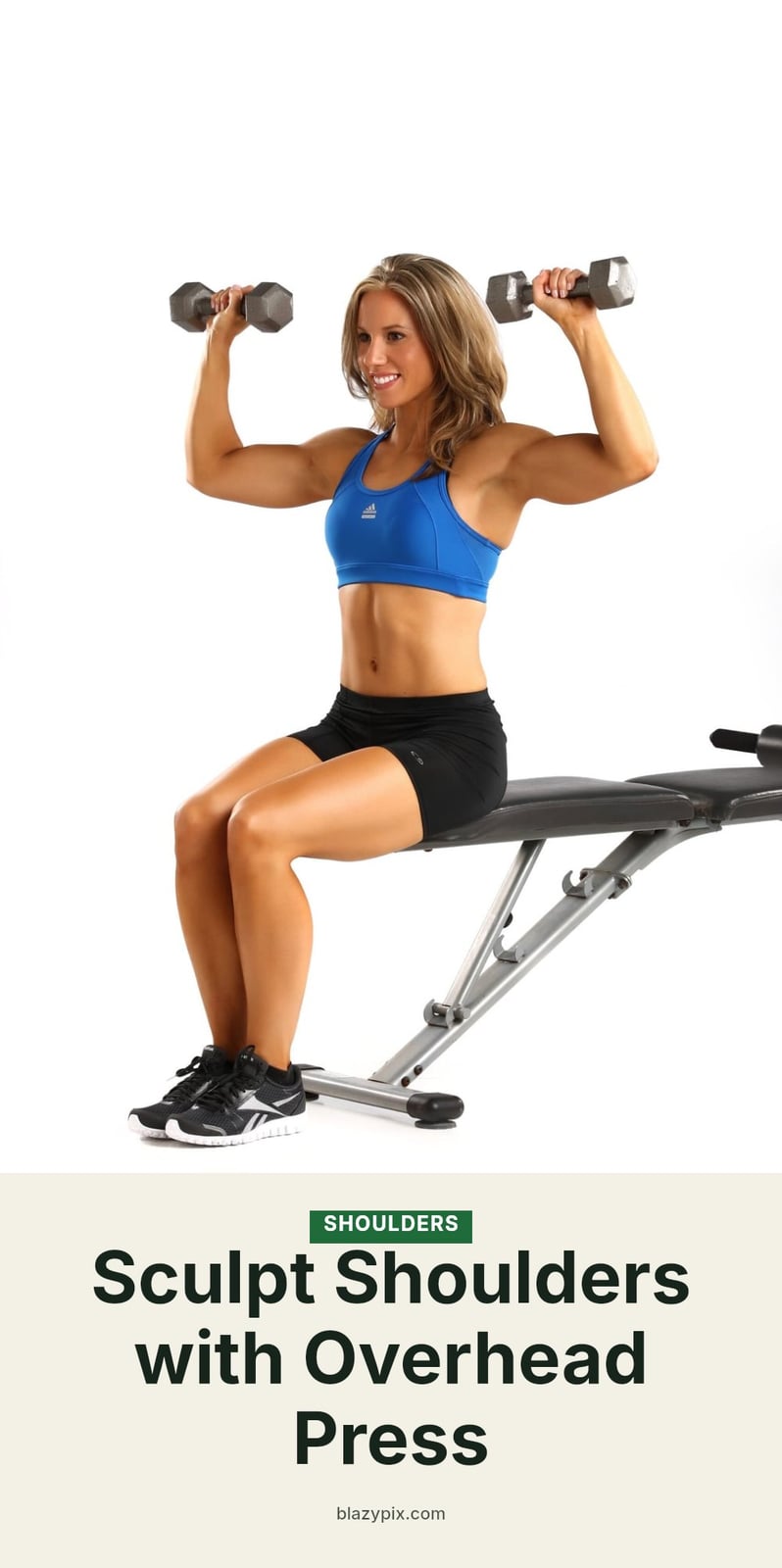
Stand or sit with a dumbbell in each hand at shoulder height, palms facing forward. Press the dumbbells straight overhead until your arms are fully extended, then slowly lower them back to the starting position. Keep your core tight to protect your lower back and avoid arching.
- Sets and reps: 3 sets of 8-10 repetitions.
- Form cue: Keep your elbows slightly in front of your body, not flared out to the sides.
- Make it easier or harder: Use lighter weights or perform seated to reduce core demand; increase weight for more challenge.
5. Dumbbell Bicep Curl
Stand tall with a dumbbell in each hand, palms facing forward, arms extended down by your sides. Keeping your elbows tucked close to your body, curl the dumbbells up toward your shoulders, squeezing your biceps at the top. Slowly lower the weights back down with control.
- Sets and reps: 3 sets of 10-12 repetitions.
- Form cue: Avoid swinging the weights; let your biceps do the work.
- Make it easier or harder: Use lighter dumbbells or perform alternating curls; increase weight for more resistance.
6. Dumbbell Triceps Extension (Overhead)
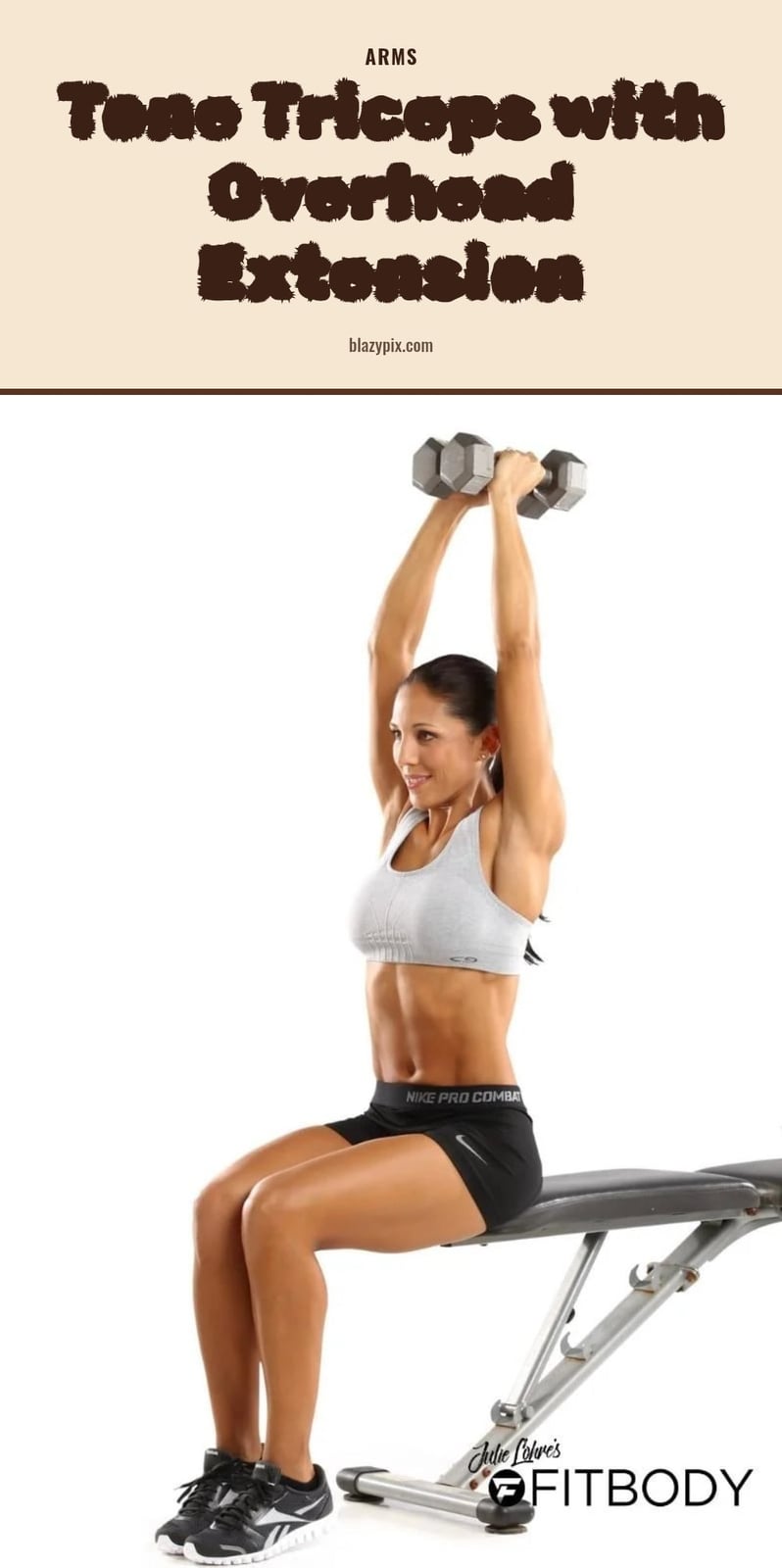
Hold one dumbbell with both hands and extend it overhead. Keeping your elbows close to your head, slowly lower the dumbbell behind you by bending your elbows. Extend your arms to lift the dumbbell back up, focusing on isolating the triceps and keeping your upper arms still.
- Sets and reps: 3 sets of 10-12 repetitions.
- Form cue: Keep your upper arms vertical and stationary throughout the movement.
- Make it easier or harder: Use a lighter dumbbell or perform seated; increase weight for more challenge.
7. Cool-Down: Arm and Shoulder Stretches
Gently stretch your triceps by reaching one arm overhead, bending the elbow, and using the other hand to gently push the elbow down. Stretch your biceps by extending one arm forward, palm up, and gently pulling your fingers back toward your body. Hold each stretch for 20-30 seconds without bouncing.
- Time: Hold each stretch for 20-30 seconds, repeating on both sides.
- Form cue: Don’t bounce into stretches; hold them gently to improve flexibility and reduce soreness.
- Make it easier or harder: Reduce the intensity of the pull; deepen the stretch slightly if comfortable.
Essential Gear for Your Home Upper Body Workout
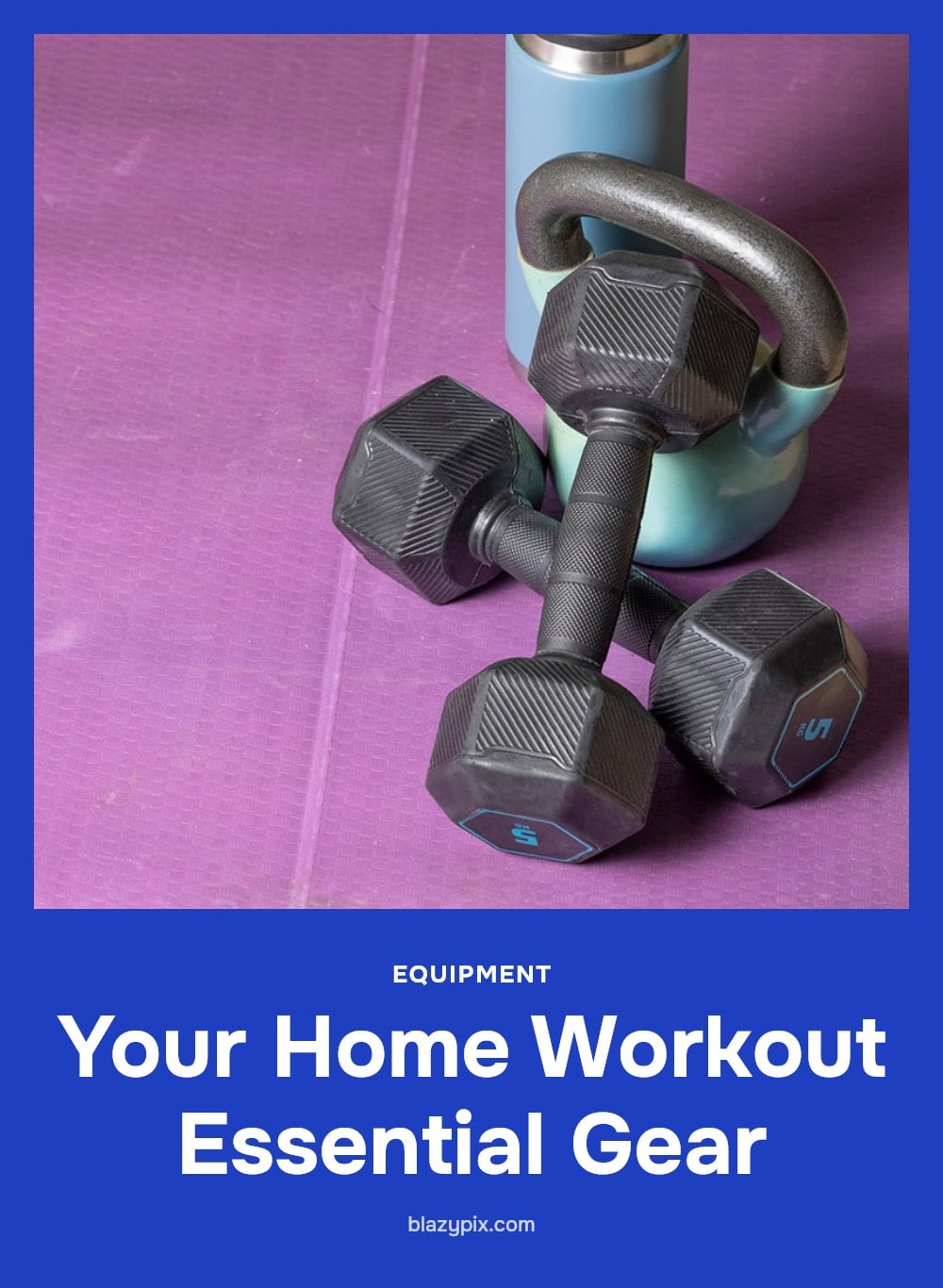
For this workout, you need a few key items. Dumbbells are the main tool, and adjustable ones are ideal because you can increase the weight over time to keep challenging your muscles. A workout mat is optional but adds cushioning for floor exercises like the chest press. Wear comfortable athletic clothing that lets you move freely through all ranges of motion. Keep a water bottle nearby to sip between sets, since staying hydrated helps maintain your energy and focus.
Your Weekly Upper Body Workout Schedule
This schedule gives a balanced approach to upper body strength with built-in recovery. Aim for two to three sessions per week on non-consecutive days, such as Monday and Thursday or Monday, Wednesday, and Friday. Each session includes the warm-up, five dumbbell exercises, and the cool-down. Here is an example week:
| Day | Activity |
|---|---|
| Monday | Upper body workout |
| Tuesday | Rest or light cardio |
| Wednesday | Upper body workout |
| Thursday | Rest |
| Friday | Upper body workout (optional) |
| Saturday | Rest or active recovery |
| Sunday | Rest |
Adjust the days to fit your schedule, but always include at least one rest day between upper body sessions. Listen to your body and take extra rest if you feel sore or fatigued, especially when starting out.
Frequently Asked Questions
How often should I do upper body workouts?
Aim for two to three sessions per week on non-consecutive days, like Monday and Thursday or Monday, Wednesday, and Friday. This gives your muscles time to recover and grow, which is essential for strength gains. Consistency over several weeks is key.
Can I build muscle with just 15 minutes a day?
Yes, a 15-minute session can be effective if you focus on compound exercises and use proper form. The key is progressive overload: gradually increasing the weight or reps over time. While results may be slower than longer workouts, consistent short sessions can still lead to noticeable strength and tone.
What if I don’t have dumbbells?
You can substitute bodyweight exercises like push-ups, planks, and triceps dips. For rows, you can use a heavy backpack or filled water bottles. The routine is designed for dumbbells, but you can adapt it with household items as long as the weight is manageable and safe.
How do I know if my weights are heavy enough?
Choose a weight that lets you complete all reps with good form but makes the last few reps challenging. If you can easily do more than 12 reps, it’s time to increase the weight. If you struggle to finish 8 reps with proper technique, go lighter.
Is it okay to work out if I’m sore?
Mild muscle soreness is normal, but if it’s severe or painful, give yourself another rest day. Working through sharp pain can lead to injury. If soreness persists or is intense, consider consulting a healthcare professional.
Final Thoughts
For best results, stick with this routine two to three times a week, and give yourself rest days in between. You should start to notice improved strength and muscle tone within a few weeks if you stay consistent and gradually increase the challenge. Listen to your body, and if something feels sharp or painful, stop and check with a professional.
My tip: keep a simple log of the weights you use and the reps you complete. That way, you can see progress and know when it’s time to bump it up.
This article is for general information only and is not a substitute for professional medical or fitness advice. Before starting any new exercise program, especially if you have health conditions or injuries, consult a qualified professional. Stop exercising if you feel sharp pain or unusual discomfort.