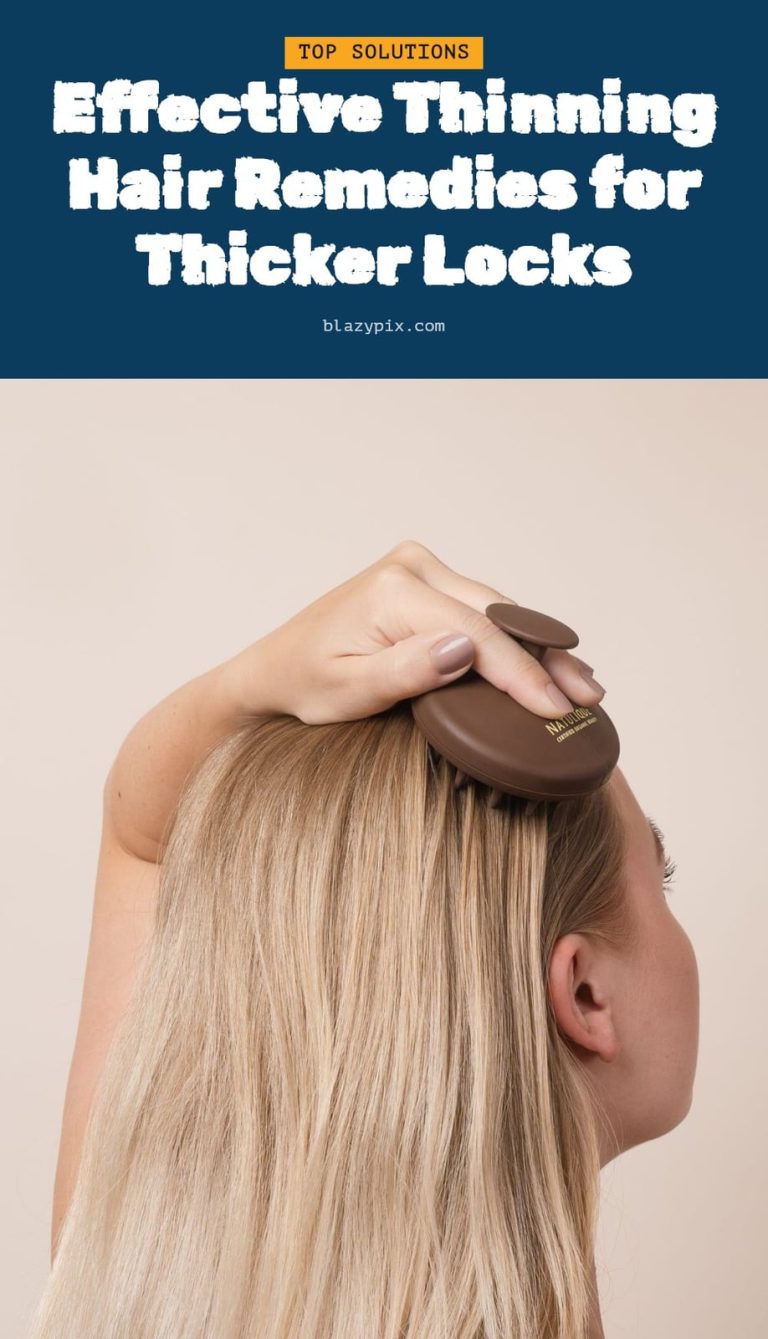
11 Thinning Hair Remedies that Really Help
Discover 12 effective thinning hair remedies, from gentle care to targeted treatments. Learn how to improve hair density and health for noticeable results.

If you’ve noticed your ponytail feeling thinner or your part widening, you’re not alone. Thinning hair is a common concern, and the right approach can make a real difference. This article covers practical, effective remedies that address the root causes and help you care for your hair with confidence.
From consulting a professional to adjusting your daily routine, these strategies are designed to support healthier, fuller-looking hair over time.
Key Takeaways
- See a doctor or dermatologist first to identify the underlying cause of thinning hair before trying treatments.
- Use gentle, volumizing hair products and avoid sulfates and heavy conditioners that weigh hair down.
- Apply minoxidil daily as directed, but only after consulting a healthcare professional about the right strength.
- Eat a balanced diet rich in iron, zinc, and vitamin D to support hair growth from the inside out.
- Handle wet hair gently with a wide-tooth comb and limit heat styling to prevent breakage.
Finding the Right Remedies for Thinning Hair
Effective remedies for thinning hair usually combine fixing underlying triggers with a gentler hair care routine and targeted treatments. Start by considering possible factors like genetics, hormonal shifts, or nutritional gaps, ideally with a doctor or dermatologist helping you pinpoint the real cause. Then bring in gentle washing habits, nourishing products, and protective styling that reduces breakage. Consistency matters more than intensity; most people need to stick with a routine for several months before they see visible changes in density and growth.
1. Consult a Healthcare Professional
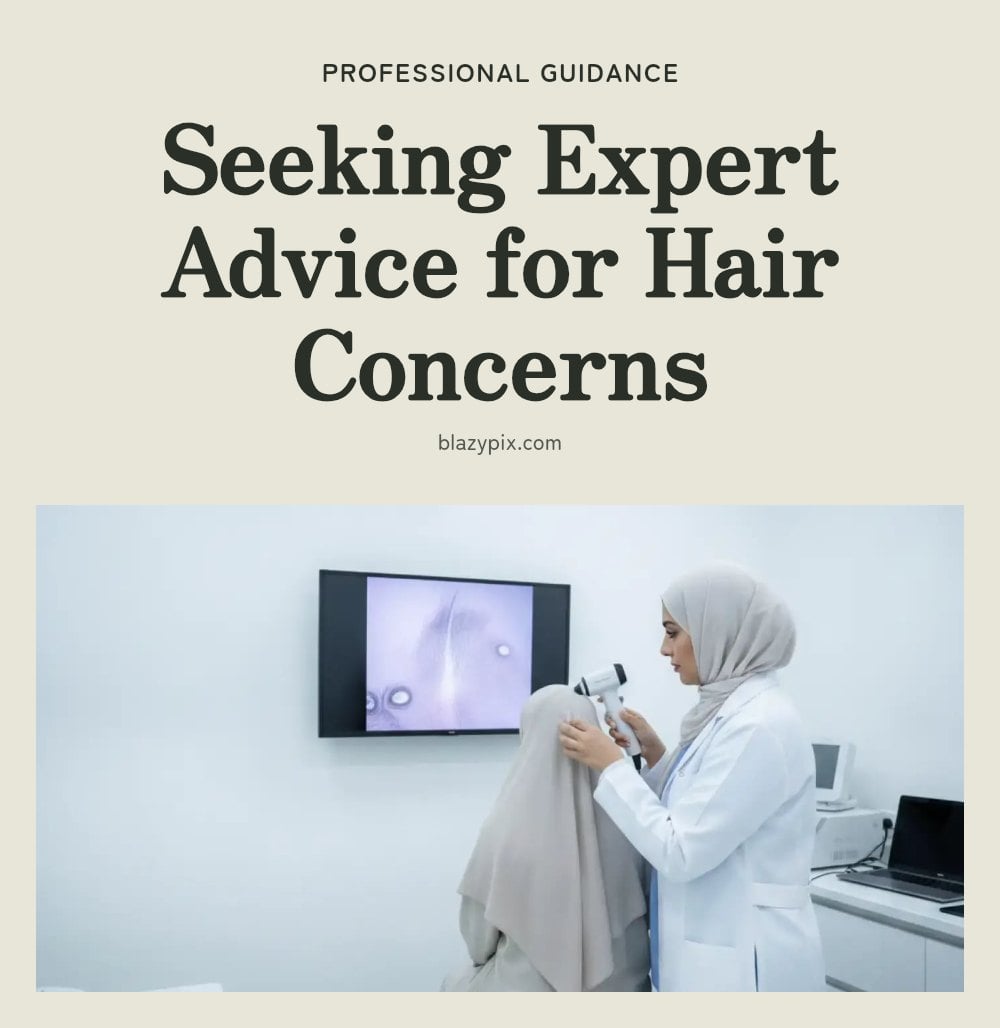
My top tip: Before you spend money on any shampoo, serum, or supplement, book an appointment with a doctor or dermatologist. Thinning hair can stem from many things, hormonal imbalances, low iron, thyroid issues, or other medical conditions, and guessing wrong wastes time and money.
A professional can run blood tests and examine your scalp to identify the exact problem. That diagnosis then points you to the most effective treatment, whether it’s a topical option, a dietary change, or a prescription therapy. Without that first step, you’re treating symptoms, not the root cause.
2. Use Gentle Hair Products
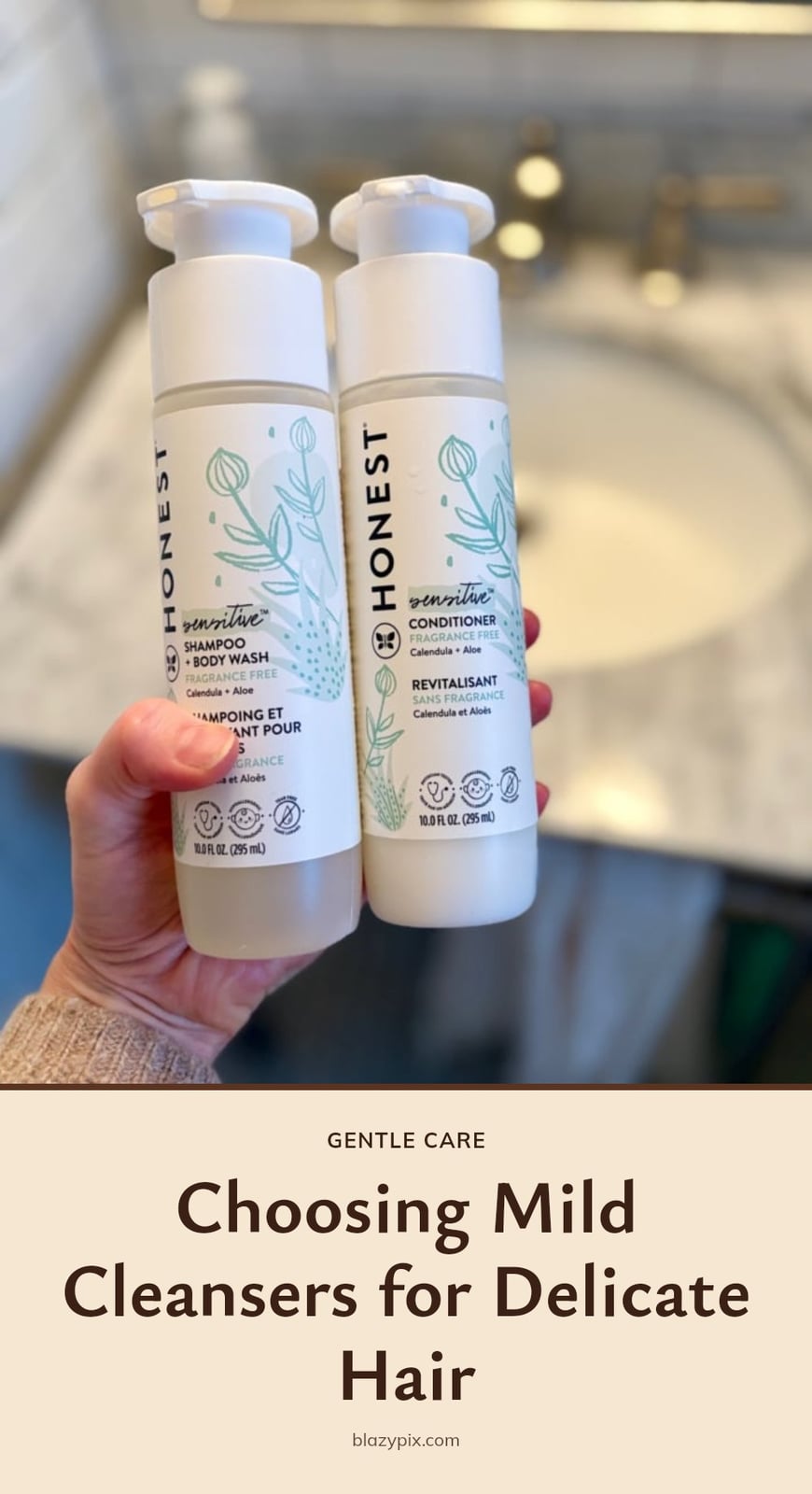
Swap your regular shampoo and conditioner for a gentle, volumizing formula designed for thinning hair. Heavy products or those with sulfates and parabens can strip natural oils or weigh strands down, making thinning look worse and potentially irritating your scalp.
Look for lightweight conditioners that add moisture without flattening your roots. A clean, uncluttered scalp gives hair the best environment to grow, so choosing milder ingredients supports both density and overall hair health.
3. Incorporate Topical Minoxidil
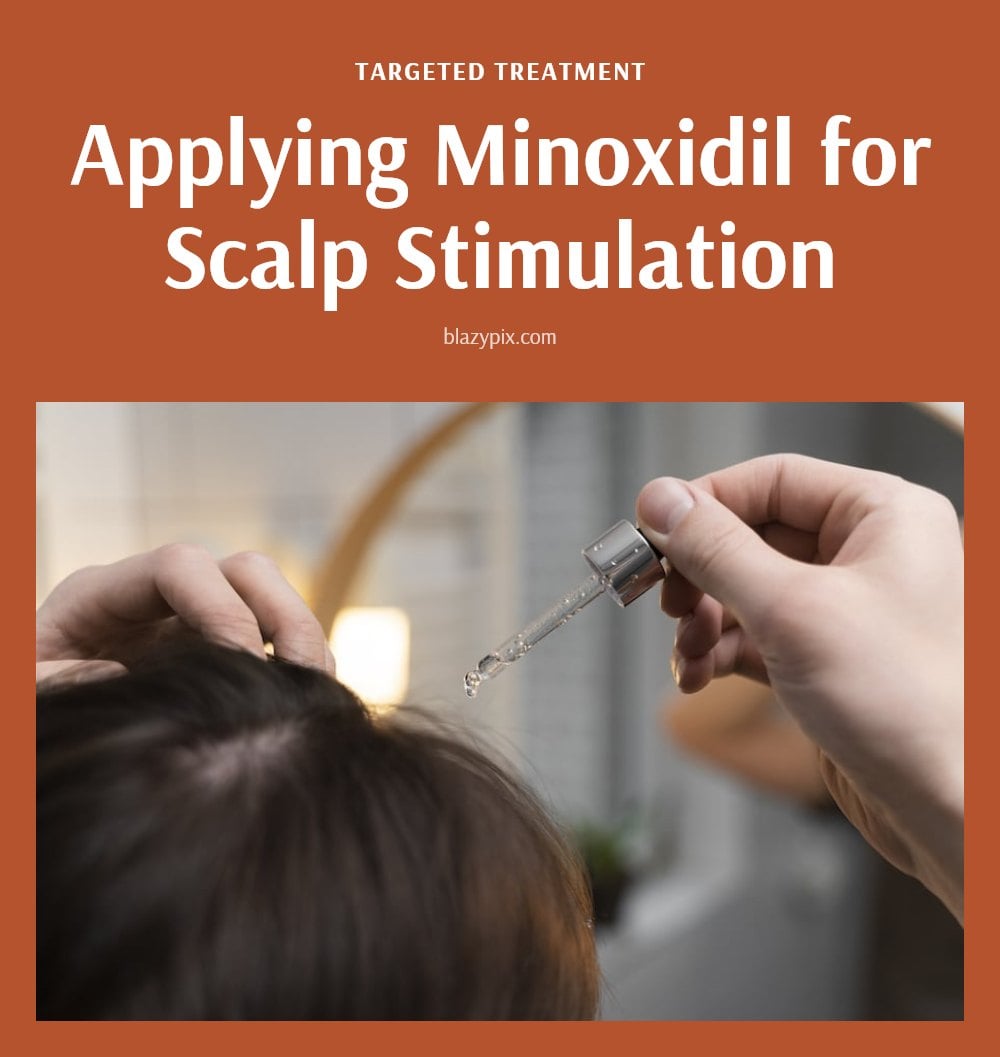
Minoxidil is an FDA-approved topical treatment that can stimulate hair growth and slow down thinning. It comes over the counter as a solution or foam and requires daily application for results.
My tip: Talk to your doctor before starting, especially if you have sensitive skin, a scalp condition, or are pregnant or breastfeeding. They can recommend the right strength for you. Some people experience irritation or unwanted facial hair growth, so professional guidance helps you use it safely and effectively.
4. Nourish with a Balanced Diet

Your hair needs proper nutrition to grow strong and healthy. I have found that eating a balanced diet rich in vitamins, minerals, and protein makes a huge difference. Focus on iron from leafy greens and lean meats, zinc from nuts and seeds, and vitamin D from fatty fish or fortified foods. Protein is the building block of hair, so ensure adequate intake from sources like eggs, chicken, fish, and legumes. A deficiency in any of these can slow growth or increase shedding, so aim for variety on your plate.
5. Manage Stress Effectively

Chronic stress can trigger telogen effluvium, a condition that leads to increased hair shedding. I have personally seen how stress impacts my hair. Practicing stress-reducing techniques like meditation, yoga, deep breathing exercises, or regular physical activity can help. Finding healthy ways to cope with stress is not just good for your hair but for your overall well-being. Aim for at least 10 minutes of relaxation daily to keep cortisol levels in check.
6. Handle Hair with Care
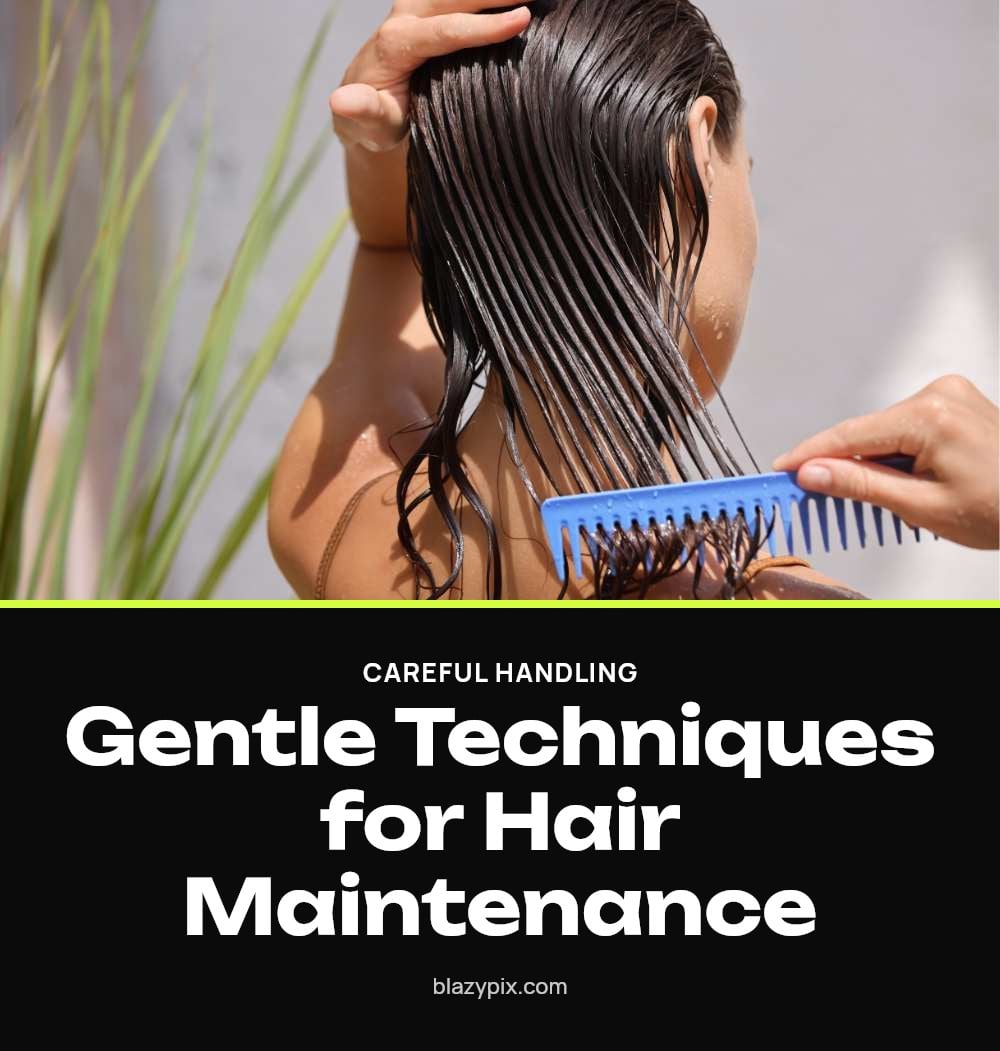
Wet hair is extremely vulnerable to breakage, so handle it gently. I always use a wide-tooth comb instead of a brush on wet strands. Avoid vigorous towel drying; instead, gently blot your hair with a microfiber towel to absorb excess water. Limit tight hairstyles like high ponytails, braids, or buns that pull on the hair follicles, as this can lead to traction alopecia. Let your hair air-dry whenever possible to minimize stress on the strands.
7. Consider Hair Growth Serums
Beyond minoxidil, there are many hair growth serums formulated with ingredients like peptides, caffeine, or botanical extracts that claim to support hair health. While not all are FDA-approved, some users report positive results in terms of thickness and reduced shedding. My tip: Look for reputable brands and read reviews, but remember that individual results vary, and these are often best used as an adjunct to other treatments. Always patch-test a new serum on a small area of scalp first.
8. Explore Low-Level Laser Therapy
Low-level laser therapy (LLLT) devices are available for home use and may help stimulate hair follicles. These handheld tools use red light to penetrate the scalp, which is thought to increase blood flow and cellular activity in the follicles. Research is ongoing, but some studies suggest LLLT can be a helpful tool for some individuals with thinning hair. Consistency with treatment is essential, just like with topical options.
9. Protect Your Hair from Heat
Heat styling can weaken already fragile strands, so I keep hot tools to a minimum. When I do use them, I always spray on a heat protectant first. It creates a barrier that reduces moisture loss and cuticle damage. Then I set the tool to the lowest effective temperature for my hair type; fine or thinning hair usually needs less heat than thick hair. This approach helps prevent the extra breakage that can make thinning more noticeable.
10. Consider Nutritional Supplements
If you have a diagnosed deficiency, supplements like iron, vitamin D, zinc, or biotin can support hair health. However, taking supplements without a deficiency is unlikely to help and can even be harmful in excessive amounts. For example, biotin is primarily effective for those with a biotin deficiency. Tip: Always consult your doctor before starting any supplements to ensure they are appropriate for you and to determine the correct dosage.
11. Protect Your Scalp from Sun
Just like your skin, your scalp can get sunburned, which can damage hair follicles and impede healthy hair growth. If your hair is thinning, your scalp is more exposed. Wear hats or use a scalp-specific SPF spray when spending time outdoors. This simple step can help maintain a healthy scalp environment, which is crucial for hair regeneration.
When to See a Professional for Thinning Hair
See a doctor right away if your thinning is sudden or severe, or if it comes with fatigue, unexplained weight changes, or skin rashes. These can point to an underlying condition that needs proper diagnosis, and ignoring them delays treatment.
You should also book a dermatologist appointment if over-the-counter products have not shown results after several months of consistent use, or if you suspect a medical cause. A specialist can run blood tests and examine your scalp to pinpoint the issue.
They can also prescribe stronger treatments or specialized therapies that are not available otherwise. Professional guidance is the safest way to get an accurate plan, especially since many causes of thinning hair are treatable when caught early.
Frequently Asked Questions
How long does it take for thinning hair treatments to show results?
Most treatments, including minoxidil and dietary changes, typically require three to six months of consistent use before you notice a difference in hair density or reduced shedding. Patience is key, as hair grows slowly and needs time to respond.
Can stress cause permanent hair thinning?
Stress-induced hair thinning, known as telogen effluvium, is usually temporary. Once the stressor is managed, hair often regrows within several months. However, chronic or severe stress can sometimes trigger or worsen underlying conditions, so addressing stress early is important.
Are natural remedies effective for thinning hair?
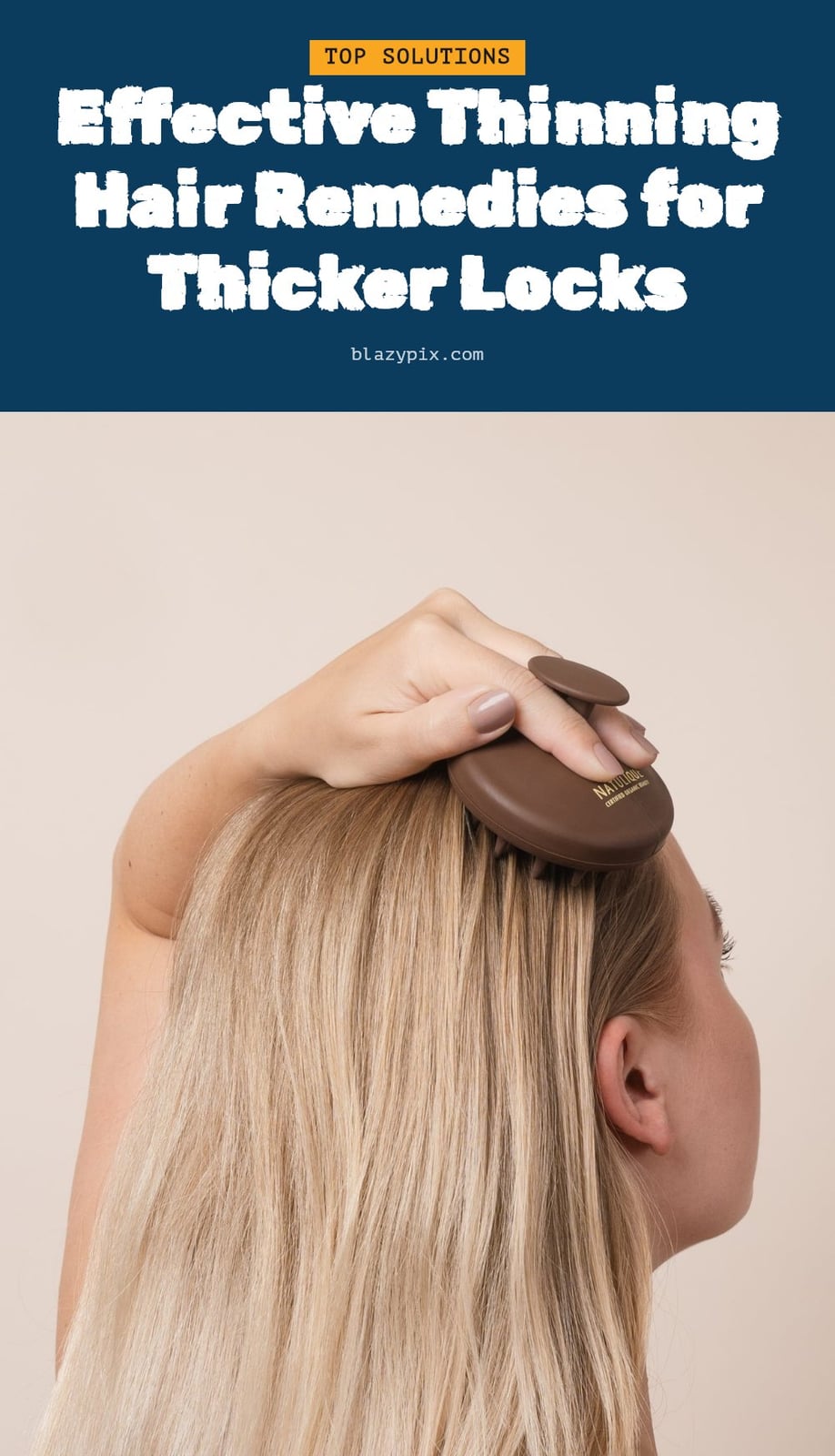
Some natural approaches, like scalp massage or using gentle botanical serums, may support hair health by improving circulation or reducing inflammation. However, they are not a substitute for medical treatments if the cause is genetic or hormonal. Always pair them with a professional assessment.
What is the best shampoo for thinning hair?
Look for a gentle, volumizing shampoo free of sulfates and parabens, as these can strip natural oils and irritate the scalp. A lightweight formula that adds body without weighing hair down is ideal. Your dermatologist can recommend a specific type based on your scalp condition.
Is it normal to shed a lot of hair every day?
Yes, it is normal to shed 50 to 100 hairs daily as part of the natural hair growth cycle. If you notice significantly more shedding than that, or if it persists, it may indicate an underlying issue worth discussing with a doctor.
Can changing my diet help with thinning hair?
Absolutely. A diet rich in iron, zinc, vitamin D, and protein can support healthy hair growth. If you have a deficiency in these nutrients, correcting it through food or supplements (under medical guidance) may reduce thinning. However, diet alone may not fix genetic or hormonal causes.
Final Thoughts
Choosing the right remedy starts with knowing what’s causing your thinning hair, which is why a professional diagnosis is my top recommendation. After that, consistent use of gentle products, a nutrient-rich diet, and stress management can support visible improvements over several months. Remember, results take time, but every small step brings you closer to healthier hair.
This article provides general information for educational purposes and is not a substitute for professional medical advice. If you are experiencing significant or sudden hair thinning, or if you have concerns about an underlying health condition, please consult a doctor or dermatologist for a proper diagnosis and treatment plan.