
Exercises to Lose Back Fat: Your Complete Guide
Discover effective exercises and lifestyle changes to reduce back fat and achieve a smoother, more toned back. Get practical tips and a comprehensive plan.

If you’re frustrated by stubborn back fat, you’re not alone. The truth is, you can’t spot-reduce it with endless back exercises alone. Losing back fat requires a full-body approach: strength training, cardio, and a balanced diet to lower your overall body fat percentage. This article covers why back fat appears, the best exercises to tone your back, a weekly workout plan, and lifestyle habits that support fat loss.

Key Takeaways
- Spot reduction isn’t supported by science; focus on overall fat loss.
- Strength train your back muscles (lats, rhomboids, trapezius) for tone.
- Do at least 150 minutes of moderate-intensity cardio weekly.
- Eat a balanced diet with lean protein and vegetables for a calorie deficit.
- Expect visible changes in 8-12 weeks with consistent effort.
Can You Really Target Back Fat?
Can you really target back fat with specific exercises? The short answer is no. Spot reduction, or losing fat from one area by working that area, isn’t supported by science. To reduce back fat, you need to lower your overall body fat percentage. That means combining full-body strength training, regular cardio, and a balanced diet for a sustainable calorie deficit.
Why Back Fat Appears: The Root Causes
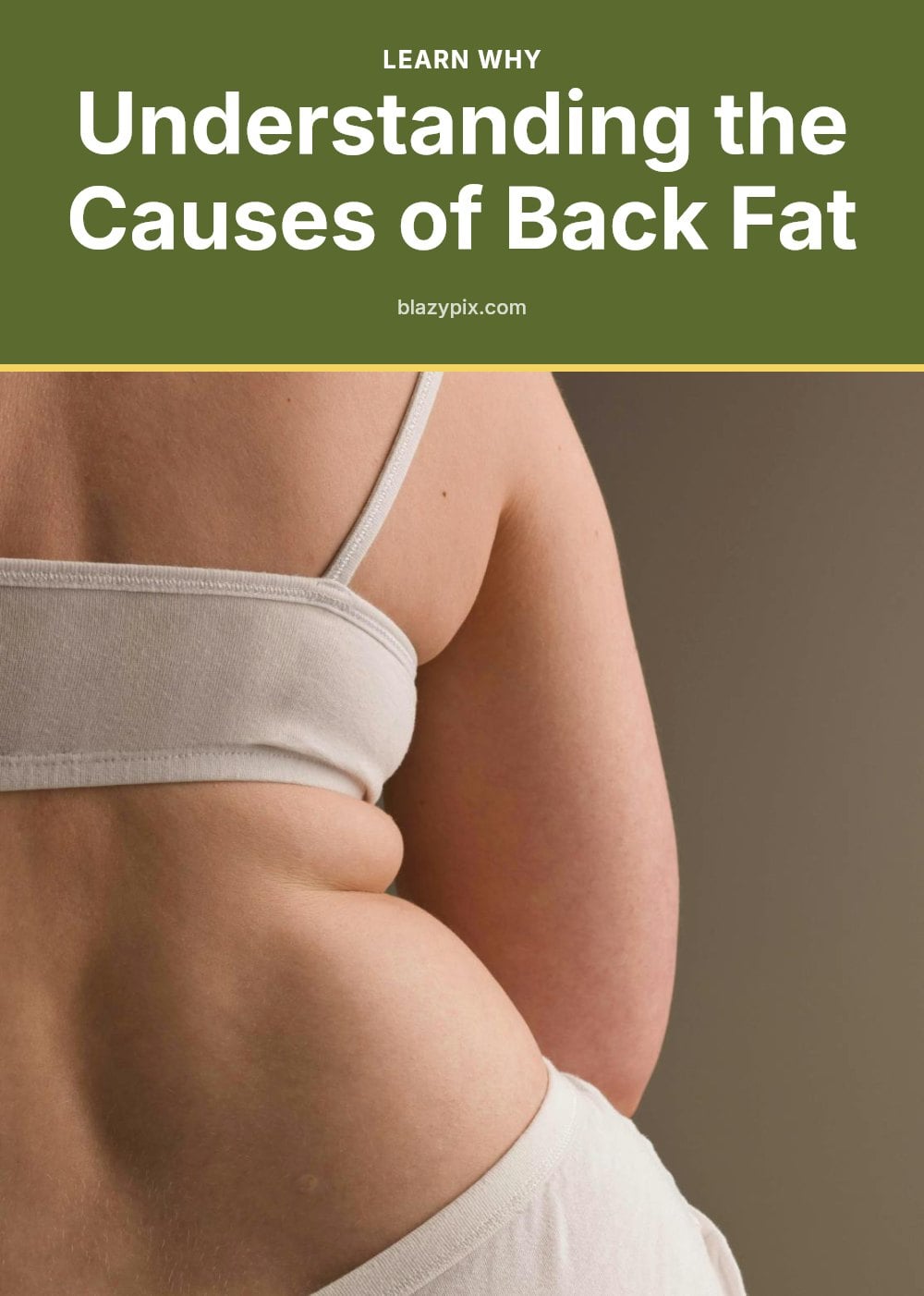
Back fat is simply a result of your overall body fat percentage. Where your body stores fat is largely determined by genetics, so some people naturally carry more fat in their back, midsection, or hips. Beyond genetics, several lifestyle factors influence how much body fat you carry.
Key contributors include:
- Diet: A diet high in processed foods and excess calories leads to fat storage, including on your back.
- Activity level: A sedentary lifestyle reduces the calories you burn, making fat loss harder.
- Stress: Chronic stress raises cortisol, which can promote fat storage, particularly around the midsection and back.
- Sleep: Poor sleep disrupts hunger hormones, increasing cravings and making weight management more difficult.
Additionally, poor posture can make back fat appear more pronounced by causing skin and tissue to bunch. Improving posture won’t reduce fat, but it can create a smoother appearance while you work on overall fat loss.
Essential Tools for Your Back Fat Workout
You don’t need a full gym to start working your back, but a few tools can make your workouts more effective and varied.
- Dumbbells: Provide adjustable resistance for rows, pull-overs, and deadlifts, which target multiple back muscles.
- Resistance bands: Lightweight and portable, they offer variable resistance for exercises like band pull-aparts and seated rows.
- Pull-up bar: Ideal for advanced back work like pull-ups and chin-ups, which engage the lats and biceps.
- Cable machine: Allows for smooth, controlled movements for lat pull-downs and cable rows, making it easy to adjust weight.
If you’re just starting, bodyweight exercises like reverse snow angels and Superman holds also work well with no equipment.
Effective Exercises to Tone Your Back
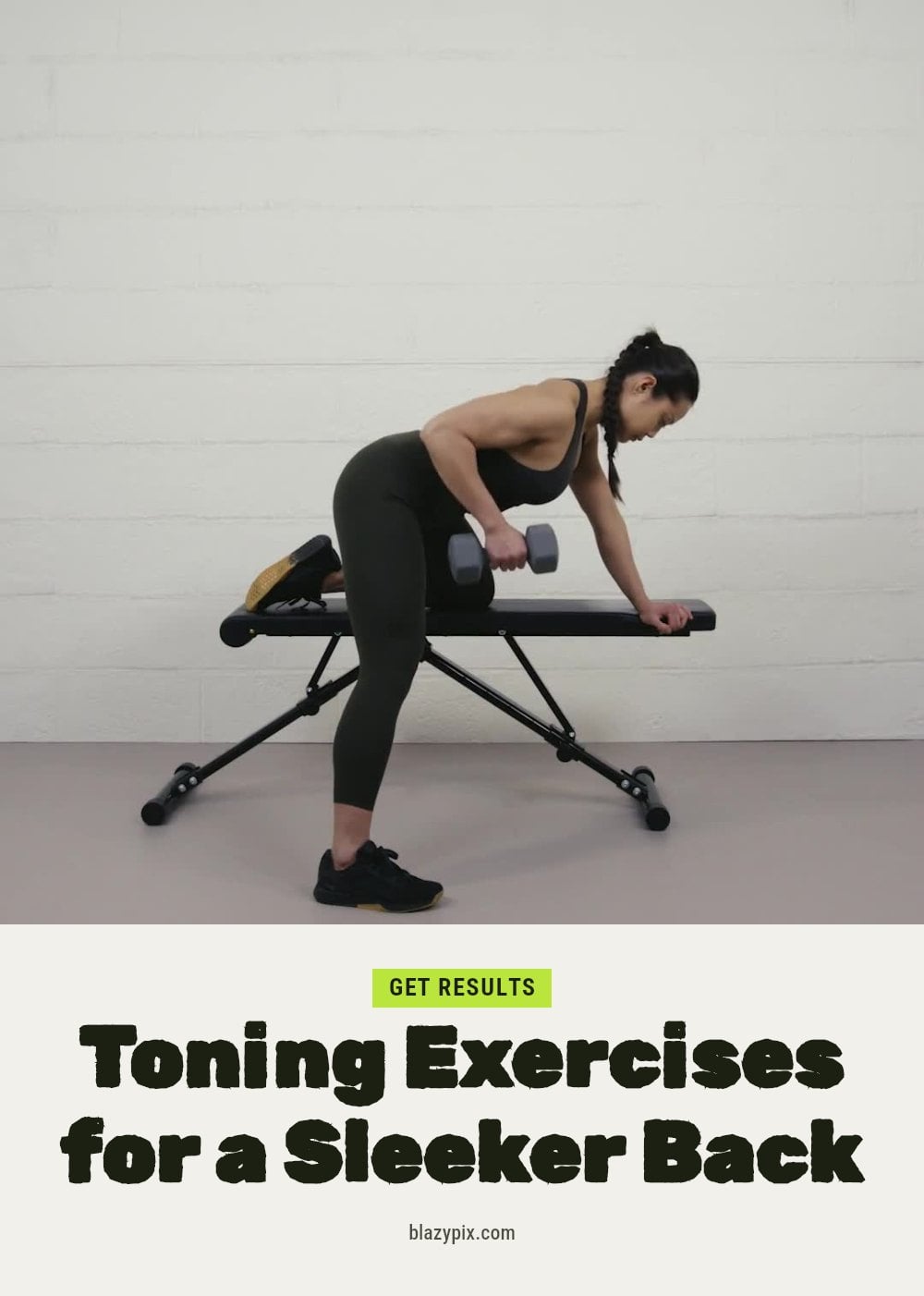
To tone your back and support overall fat loss, focus on exercises that engage the major back muscles: the lats, rhomboids, and trapezius. Compound movements that involve multiple joints are especially effective because they burn more calories and build functional strength.
Rows for the mid-back
- Dumbbell rows: Place one knee and hand on a bench, keep your back flat, and pull the dumbbell toward your hip. This targets the lats and rhomboids.
- Seated cable rows: Sit with feet braced, keep your chest up, and pull the handle to your abdomen. Squeeze your shoulder blades together at the end.
Pull-downs for the lats
- Lat pull-downs: Grip the bar wider than shoulder-width, pull it to your collarbone, and avoid swinging. This builds the width of your back.
- Resistance band pull-aparts: Hold the band at shoulder height, pull it apart, and squeeze your shoulder blades. This also improves posture.
Extensions for the lower back
- Superman holds: Lie face down, lift your arms and legs off the floor, hold for 2-3 seconds, then lower. This strengthens the erector spinae.
- Back extensions: Use a hyperextension bench or do them on the floor, lifting your chest while keeping your feet anchored.
For maximum fat loss, pair these with full-body compound exercises like squats, deadlifts, and push-ups. They recruit more muscle and elevate your heart rate.
Cardio is also essential. Aim for at least 150 minutes of moderate-intensity activity per week, like brisk walking or cycling. This helps create the calorie deficit needed to lose fat overall.
Pro move: Always prioritize form over weight. Use a weight that allows you to complete each rep with controlled motion, and stop if you feel sharp pain. Consider working with a trainer to nail your technique.
Your Weekly Workout Plan for a Stronger Back
Here’s a sample weekly plan that combines strength training and cardio with rest days. Aim for at least 150 minutes of moderate-intensity cardio each week, such as brisk walking, jogging, or cycling.
| Day | Focus | Details |
|---|---|---|
| Monday | Strength: back + core | Rows, pull-downs, 20 min moderate cardio |
| Tuesday | Cardio | 30-40 min brisk walk or jog |
| Wednesday | Full-body strength | Squats, deadlifts, push-ups, 15 min HIIT |
| Thursday | Active recovery | Gentle yoga or stretching |
| Friday | Strength: back + biceps | Lat pulldowns, seated rows, 20 min cycling |
| Saturday | Cardio + core | 40 min swimming or cycling, planks |
| Sunday | Rest | Full rest day |
Tip: Progressively increase the weight you lift or the intensity of your cardio every 2-3 weeks to keep challenging your body.
Common Mistakes to Avoid When Losing Back Fat
Avoid these common pitfalls to stay on track:
- Relying on spot reduction: Doing endless back exercises won’t burn fat from your back alone. Focus on full-body fat loss through diet and exercise.
- Neglecting diet: You can’t out-exercise a poor diet. A calorie deficit from whole foods is essential for fat loss.
- Being inconsistent: Skipping workouts or falling off your eating plan stalls progress. Aim for consistency over perfection.
- Comparing your progress: Everyone stores and loses fat differently. Your timeline is unique to you.
- Wearing ill-fitting clothing: Tight bras or tops can create bulges. Choose supportive, well-fitted activewear for better comfort and appearance.
Lifestyle Tips for Overall Fat Loss and a Smoother Back
Small daily habits can support your fat loss goals and improve how your back looks:
- Eat a balanced diet: Prioritize lean protein (chicken, fish, tofu) to support muscle growth and keep you full. Fill half your plate with vegetables.
- Maintain good posture: Stand and sit tall to engage your back muscles. It instantly makes your back appear smoother.
- Stay hydrated: Drink water throughout the day. It helps regulate metabolism and reduces bloating.
- Get enough sleep: Aim for 7-9 hours per night. Poor sleep can disrupt hormones that control hunger and fat storage.
- Manage stress: Chronic stress raises cortisol, which may promote fat storage around the midsection and back. Try deep breathing or a short walk.
What to Expect: Timeline for Results and Costs
Visible changes in back fat usually take 8-12 weeks of consistent effort combining strength training, cardio, and a balanced diet. Results depend on your starting point, genetics, and adherence.
Costs vary widely. Bodyweight exercises are free. Dumbbells or resistance bands cost a small one-time fee. A gym membership may run monthly, and a certified personal trainer charges per session. Start with what fits your budget and build from there.
When to Consult a Professional
Before starting any new exercise program, talk to your doctor, especially if you have a health condition or injury. A certified personal trainer can teach you proper form for back exercises like rows and pull-downs, which helps prevent strain. Tip: If you are unsure about your diet, a nutritionist can create a plan tailored to your needs.
Frequently Asked Questions
How long does it take to see results from back fat exercises?
Visible changes in back fat usually appear after 8-12 weeks of consistent effort combining strength training, cardio, and a balanced diet. Results vary based on your starting point, genetics, and how strictly you follow the plan. Stay patient and consistent.
Can diet alone get rid of back fat?
Diet is crucial for creating a calorie deficit, which is necessary for overall fat loss. However, combining a balanced diet with strength training and cardio is more effective. Exercise helps build muscle, which can boost metabolism and improve tone, making your back look smoother as fat is lost.
Are there specific foods that cause back fat?
No specific food causes back fat. Fat storage is influenced by overall calorie intake, genetics, and lifestyle. A diet high in processed foods and excess calories can contribute to weight gain, but no single food targets back fat. Focus on whole foods, lean protein, and vegetables.
What is the best type of cardio for back fat reduction?
Any cardio that you enjoy and can sustain is effective. Brisk walking, jogging, cycling, and swimming all burn calories and support overall fat loss. Aim for at least 150 minutes of moderate-intensity cardio per week. Consistency matters more than the specific activity.
Does posture really affect the appearance of back fat?
Yes, poor posture can make back fat more noticeable by causing skin and tissue to bunch. Maintaining good posture, such as standing tall with shoulders back, can create a smoother silhouette and reduce strain. It’s a simple habit that complements your fat loss efforts.
Final Thoughts
My tip: commit to a consistent routine that combines strength training, cardio, and healthy eating. Don’t expect overnight results; visible changes typically take 8-12 weeks. Remember, everyone’s body is different, so focus on your own progress. With patience and persistence, you’ll not only reduce back fat but also build a stronger, more confident you.
This article provides general information and is not a substitute for professional medical advice. Always consult your doctor before starting a new exercise program, especially if you have underlying health conditions or injuries. If you experience pain or have concerns, seek guidance from a qualified professional.