How to Build Self-Awareness Every Day: A Beginner’s Guide
Learn practical, everyday strategies to cultivate self-awareness, understand your emotions, and align your actions with your true self for personal growth.

Have you ever felt like your actions don’t quite match your intentions, or wondered why certain situations trigger a strong reaction in you? That gap is exactly where self-awareness comes in. This article breaks down what self-awareness really means, why it matters for your happiness and relationships, and shares simple daily practices like journaling and mindfulness that you can start using today to understand yourself better.
Key Takeaways
- Self-awareness has two parts: internal (knowing your own values, emotions, and patterns) and external (understanding how others see you).
- Daily practices like 5 to 10 minutes of mindfulness or journaling build self-awareness gradually over weeks and months.
- Focus on ‘what’ and ‘how’ instead of endless ‘why’ questions to avoid rumination and find solutions.
- Seek honest feedback from trusted people to fill in blind spots your own introspection misses.
- If self-reflection leads to persistent anxiety or depression, talk to a mental health professional.
What is Self-Awareness and Why Does It Matter?
Self-awareness is the ability to see your own emotions, thoughts, values, strengths, and weaknesses clearly, and to understand how they drive your behavior. It matters because it is the foundation for personal growth, making decisions that actually serve you, and building relationships where you show up authentically. Developing self-awareness is not a one-time fix; it is an ongoing process of introspection, reflection, and mindful attention to your internal states and external reactions. The two main types are internal self-awareness (how you see your own values and impact) and external self-awareness (how others see you), and both are essential for a balanced life.
Essential Tools for Your Self-Awareness Journey
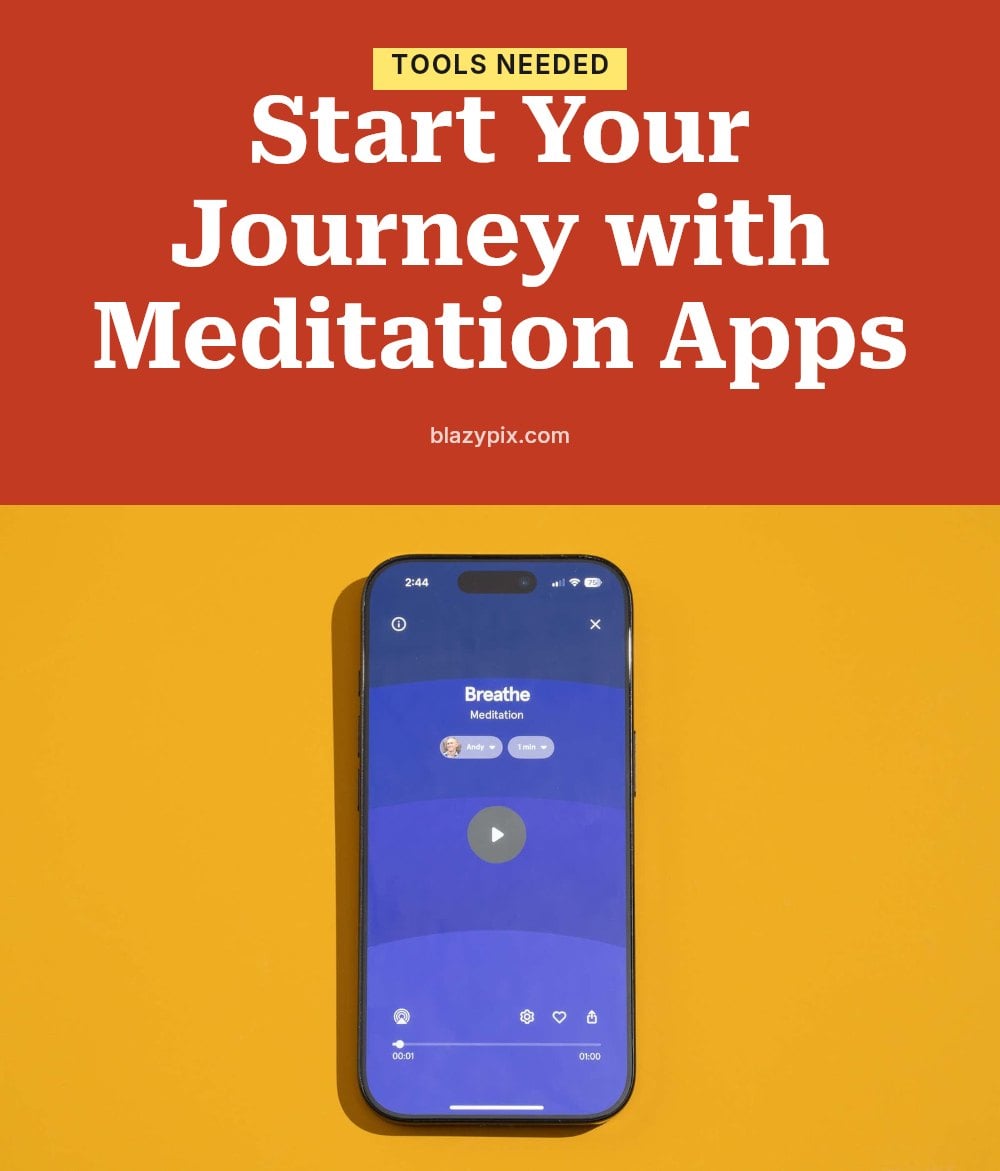
You do not need expensive gear to start. The most effective tools are simple and often already in your home.
- Journal or notebook: A dedicated space for daily reflection helps you track patterns in your thoughts and feelings.
- Pen: Writing by hand can slow down your thinking and make insights stick better than typing.
- Meditation app or guide: Even a free app with 5-minute guided sessions can train your attention to the present moment.
- Books on mindfulness or personal development: These provide frameworks and exercises that deepen your understanding over time.
These are aids, not requirements. A scrap of paper and a quiet minute can work just as well.
Daily Practices to Cultivate Self-Awareness
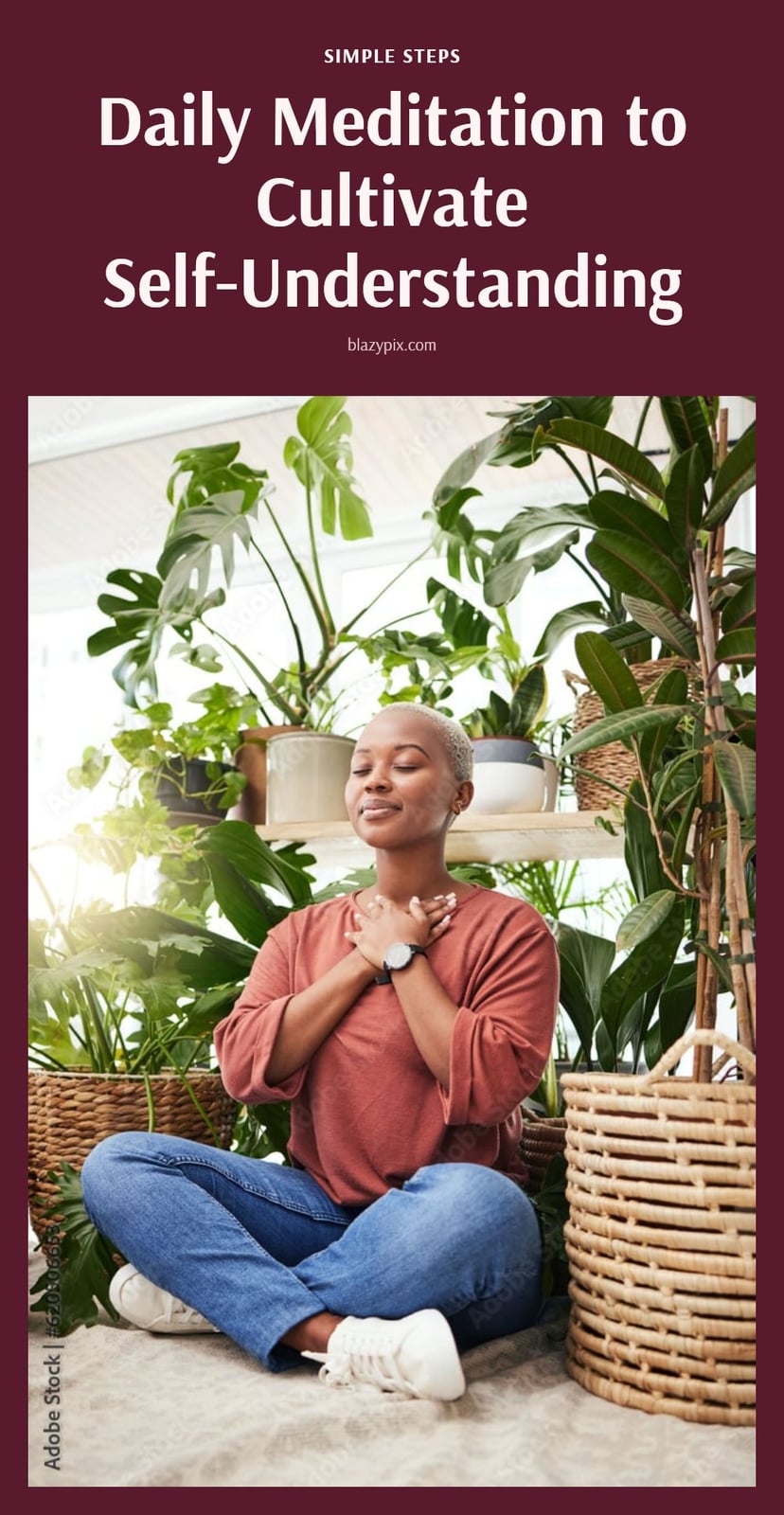
Consistency matters more than intensity. These six practices, done regularly, will build your self-awareness over weeks and months.
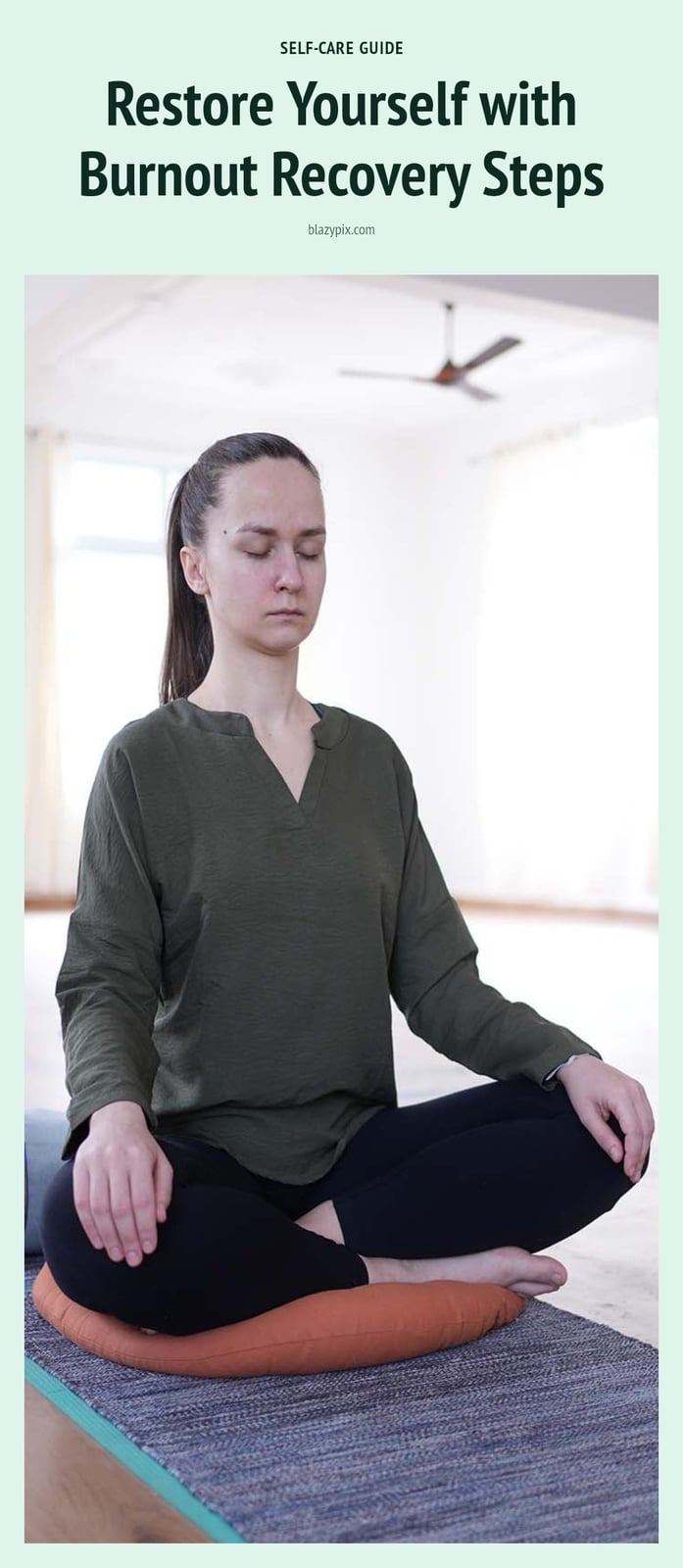
- Practice daily mindfulness: Set a timer for 5-10 minutes and focus on your breath or bodily sensations. When your mind wanders, gently bring it back. This trains you to notice thoughts without getting swept away by them.
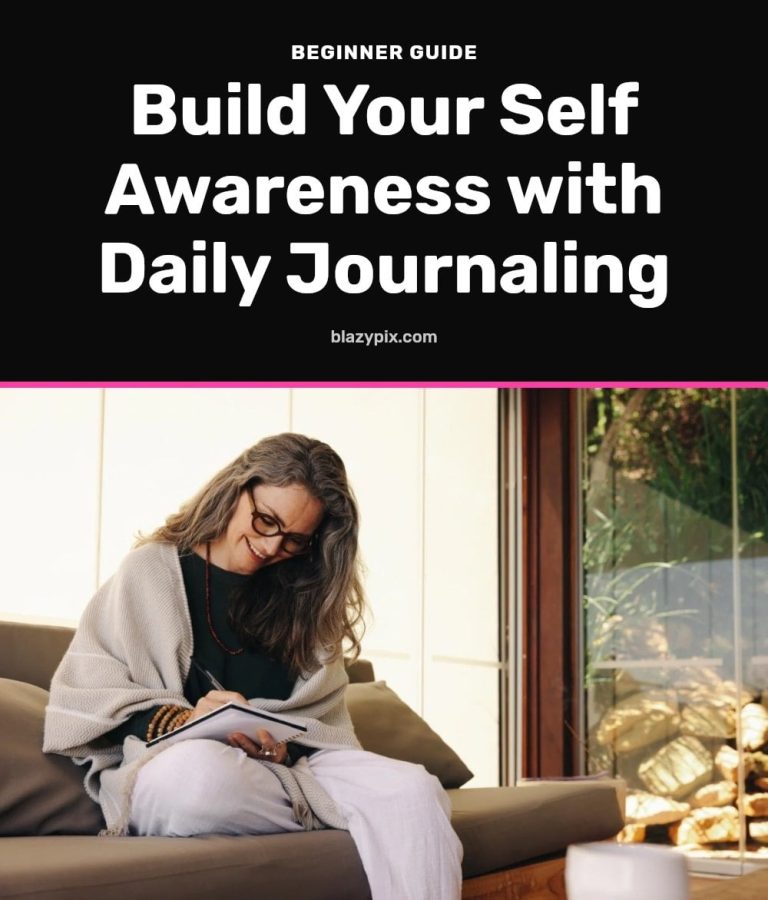
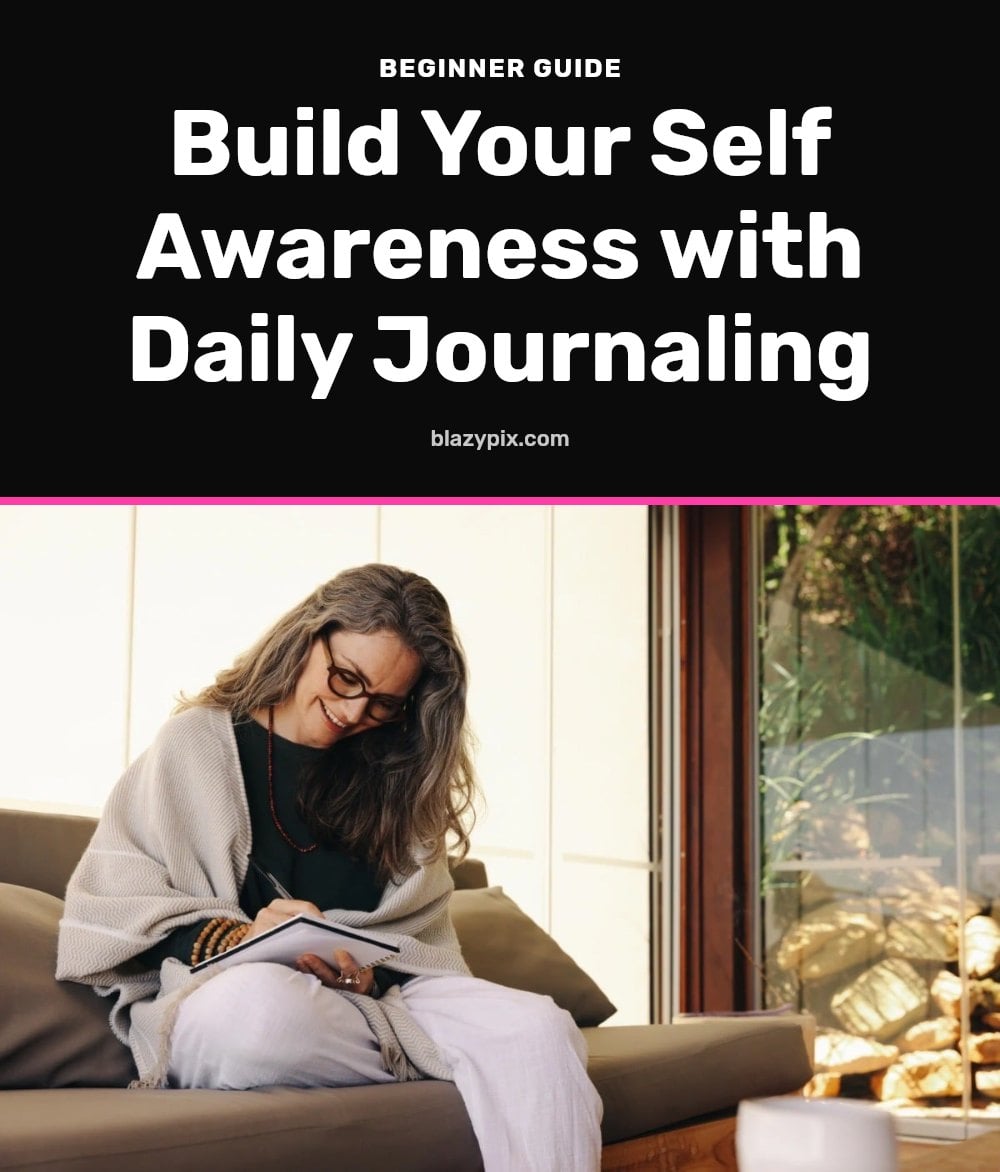
- Keep a journal: Each day, write for a few minutes about what you felt, thought, and experienced. Do not judge the content; just get it down. Over time, patterns will emerge that reveal your triggers and values.
- Identify your core values: List three to five values that matter most to you (honesty, creativity, security, for example). Then check your daily actions against them. If you value health but skip exercise regularly, you will see the gap clearly.
- Pay attention to physical sensations: Notice where you hold tension when stressed or feel warmth when happy. Your body often signals emotions before your mind registers them. A tight chest may mean anxiety; a relaxed jaw may mean relief.
- Reflect on reactions to challenges: After a difficult conversation or a frustrating moment, ask yourself: What specific situation triggered me? What did I feel in my body? What did I want to do? This unpacks your automatic patterns.
- Seek honest feedback: Ask one or two trusted friends or colleagues: What do you notice about how I react under pressure? Where do you see my strengths? Their external view fills in blind spots you cannot see alone.
Understanding Internal and External Self-Awareness
Internal Self-Awareness
This is how clearly you see your own values, passions, reactions, and impact on others. High internal self-awareness is linked to greater happiness, higher job satisfaction, and lower stress and anxiety. It helps you make choices that align with who you really are.
External Self-Awareness
This is understanding how others perceive you. High external self-awareness is associated with stronger empathy and the ability to take someone else’s perspective. It improves your relationships because you can see how your behavior lands, and adjust when needed.
Both types matter. Internal awareness keeps you authentic; external awareness keeps you connected.
Smart Strategies to Deepen Your Self-Understanding
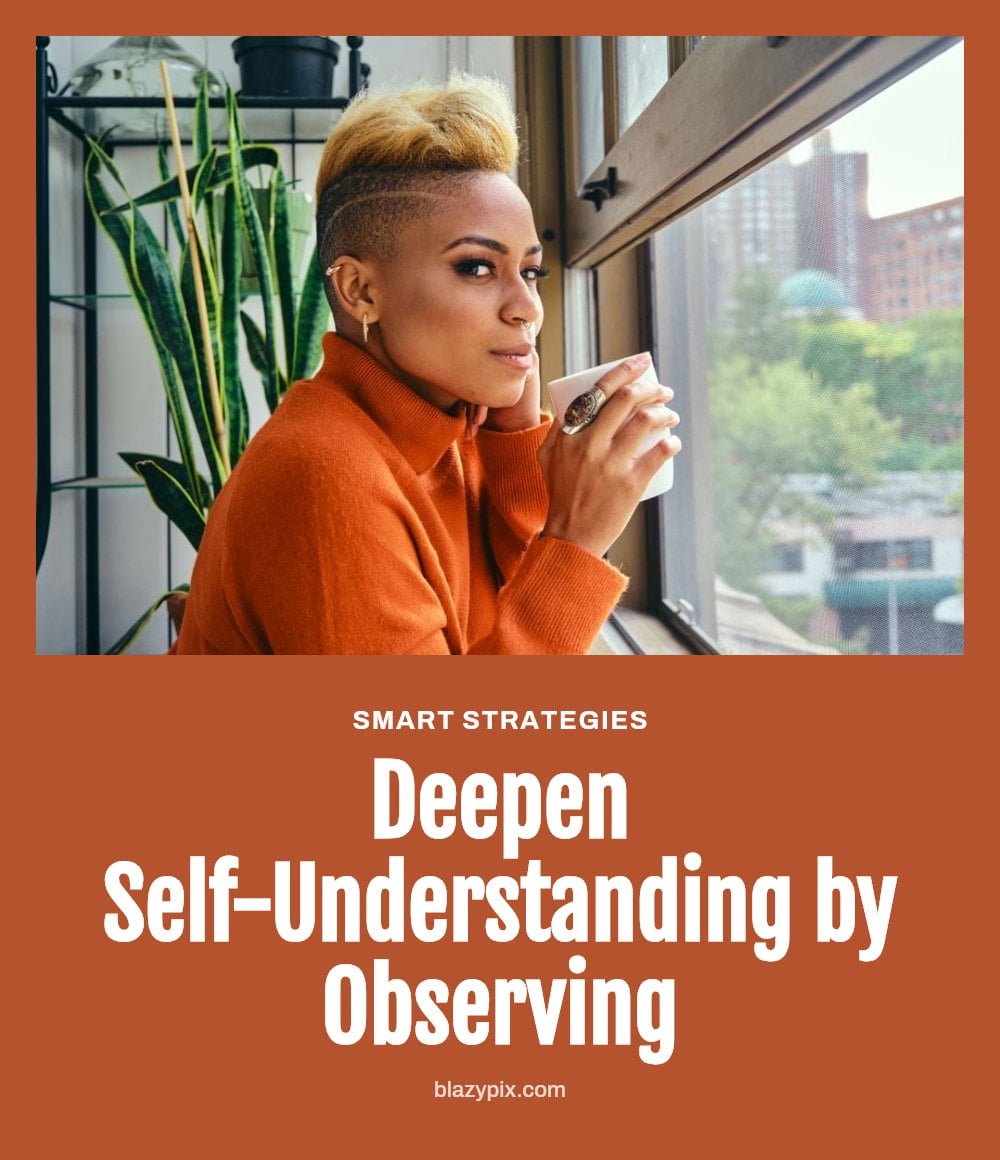
Focus on ‘What’ and ‘How’, Not Just ‘Why’: Endless ‘why’ questions can lead to rumination. Instead, ask what specifically happened and how you can respond differently next time. This shifts your mind toward solutions.
Acknowledge Uncomfortable Emotions: Don’t push difficult feelings aside. Notice them without judgment and ask what they are telling you. That signal can reveal a need or a boundary.
Leverage Your Strengths: Identify what you do well and look for ways to use those strengths more often. Purposeful use of strengths builds confidence and effectiveness.
Recognize Growth Opportunities in Weaknesses: View your weaker areas as development zones, not permanent flaws. Each one is a chance to build a new skill.
Consider Personality Assessments: Tools like Myers-Briggs or CliftonStrengths offer structured insights into your preferences and natural tendencies. They can highlight patterns you might miss on your own.
Common Pitfalls to Avoid on Your Self-Awareness Journey
Relying Solely on Introspection: Your own perspective has blind spots. External feedback from trusted people fills in those gaps and gives you a fuller picture.
Confusing Self-Awareness with Self-Absorption: Real self-awareness helps you connect better with others, not just focus inward. The goal is understanding yourself to navigate relationships and decisions more skillfully.
Ignoring Honest Feedback: It can sting to hear, but dismissing feedback from people who have your back means missing a vital external view. Listen first, then decide what fits.
Focusing Only on Flaws: Self-awareness includes your strengths, too. Acknowledging what you do well keeps your self-view balanced and realistic.
Expecting a Fixed State: Self-awareness is not a finish line you cross. It is a continuous practice that evolves as you do. Keep showing up.
How Long Does It Take to Become Self-Aware?
Timeline: Self-awareness is a lifelong process, not a quick fix. Consistent daily or weekly practices will show gradual improvements in understanding yourself over weeks and months.
Frequency: Daily practices like mindfulness or journaling are most effective. Even 5 minutes a day builds momentum.
Cost: Minimal to no cost. The core tools, a journal, a pen, a free meditation app, are often already in your home. Books or advanced courses are optional extras.
When to Seek Professional Guidance
If your introspection leads to persistent negative rumination, anxiety, or depression, talk to a mental health professional. The same applies if you cannot manage intense emotional responses despite practicing self-awareness techniques.
Seek guidance when you feel stuck understanding your reactions or making aligned decisions. If emotional struggles cause significant distress or impair your daily life, a professional can provide support and strategies you cannot develop alone.
Frequently Asked Questions
Can self-awareness be bad?
Self-awareness itself isn’t bad, but it can become unhelpful if it turns into harsh self-criticism or constant rumination. The goal is understanding, not judgment. If you notice your introspection is making you feel worse instead of clearer, shift your focus to ‘what happened’ and ‘how can I respond’ rather than dwelling on ‘why.’
How does self-awareness improve relationships?
When you understand your own emotions, triggers, and values, you can communicate them more clearly to others. This reduces misunderstandings and helps you respond rather than react. External self-awareness, understanding how others see you, also builds empathy and makes it easier to see things from their perspective.
Is self-awareness the same as introspection?
No, they are related but different. Introspection is the act of looking inward at your own thoughts and feelings. Self-awareness is the broader ability to see yourself clearly, which includes introspection but also requires external feedback from others and attention to your behavior and impact. Relying only on introspection can leave blind spots.
What are the two main types of self-awareness?
The two main types are internal self-awareness, which is how clearly you see your own values, passions, reactions, and strengths, and external self-awareness, which is understanding how others perceive you. Both are important. Internal awareness helps you make aligned choices, while external awareness strengthens your relationships and empathy.
What is self-awareness?
Self-awareness is the ability to clearly see your own emotions, thoughts, values, strengths, and weaknesses, and to understand how these influence your behavior. It is the foundation for personal growth, better decision-making, and stronger relationships. Developing it is an ongoing process of introspection, reflection, and paying attention to your internal states and external reactions.
Final Thoughts
Start small. Pick one practice, like a five-minute morning mindfulness session or a few lines in a journal before bed, and commit to it for two weeks. You won’t have all the answers overnight, but you will notice gradual shifts in how you understand your reactions and choices. The real reward is making decisions that feel truer to who you are.
This article provides general information about self-awareness and personal growth. It is not a substitute for professional mental health advice. If you experience persistent negative rumination, anxiety, or depression, please consult a qualified therapist or counselor.