
Gentle Morning Stretching Routine for Beginners
Discover a simple morning stretching routine to improve flexibility, reduce stiffness, and energize your day. Learn how to stretch safely.

You know that stiff feeling when you first wake up? A few gentle morning stretches can make a real difference. They help increase blood flow to your muscles, reduce stiffness, and gradually improve your flexibility, all without needing any special equipment. This article covers a simple 5-10 minute routine you can do right after getting out of bed, plus tips to stretch safely and avoid common mistakes.

Key Takeaways
- Hold each stretch for 15-30 seconds without bouncing or jerking.
- Aim for 5-10 minutes of stretching daily, or at least 3-5 times a week.
- Stop immediately if you feel any sharp or sudden pain during a stretch.
- Warm up with light movement like marching in place before static stretches.
- Stretch both sides of your body equally for balanced flexibility.
Why Morning Stretches Are a Great Way to Start Your Day
Morning stretches are a gentle way to wake up your body after hours of inactivity. They increase blood flow to your muscles, which helps reduce that stiff, slow feeling you often have first thing. Over time, a consistent morning routine can improve your flexibility and range of motion, making everyday movements easier. Many people also find it contributes to better posture and an overall sense of well-being for the day ahead.
Simple Essentials for Your Stretching Routine
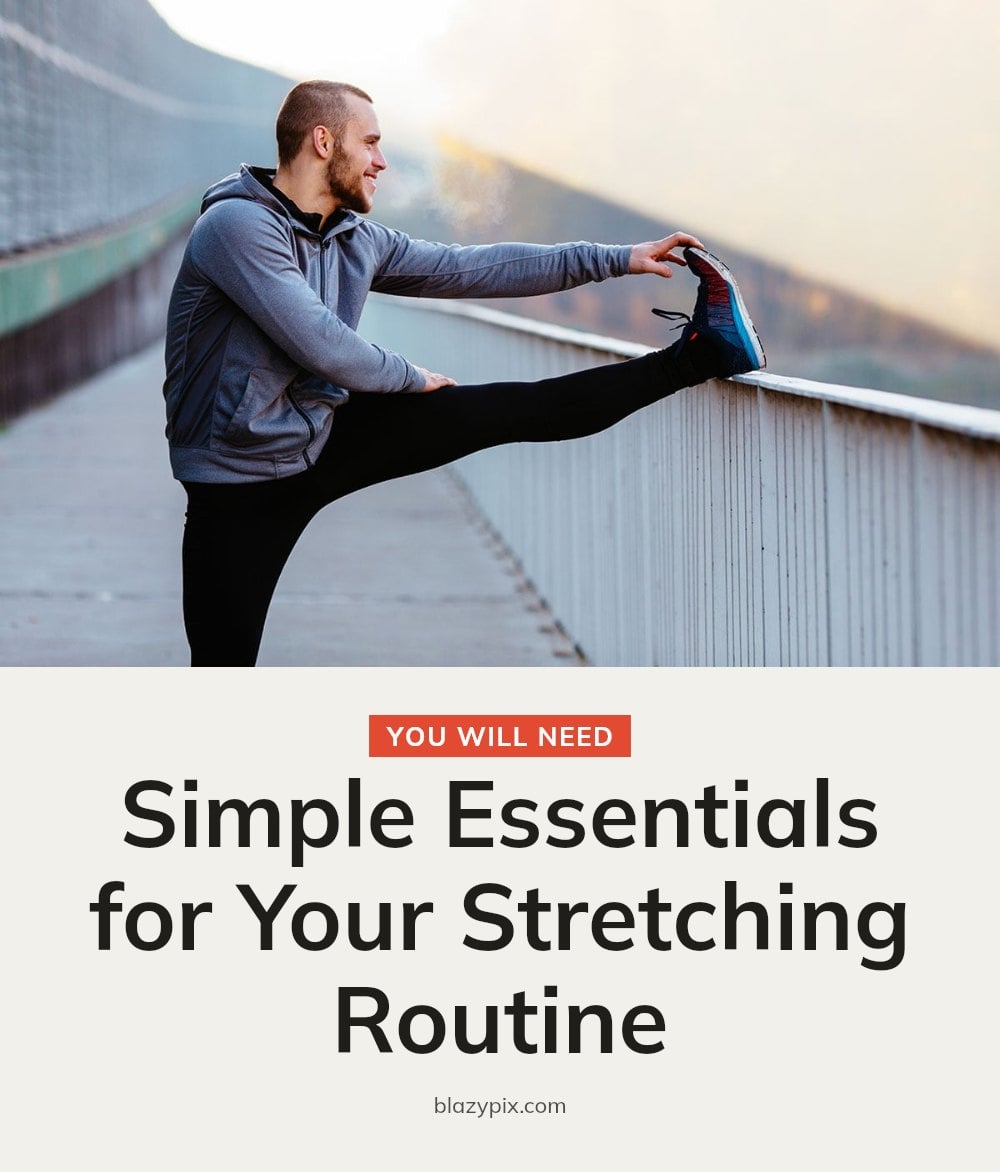
You don’t need much to start stretching in the morning. The key is comfortable clothing that lets you move freely without restriction. A yoga mat is optional, but it does provide cushioning on hard floors and gives you a stable, non-slip surface to work on.
- Clothing: Wear something stretchy and comfortable, like leggings or loose shorts.
- Mat: A yoga or exercise mat for comfort and stability.
Your Gentle Morning Stretching Routine
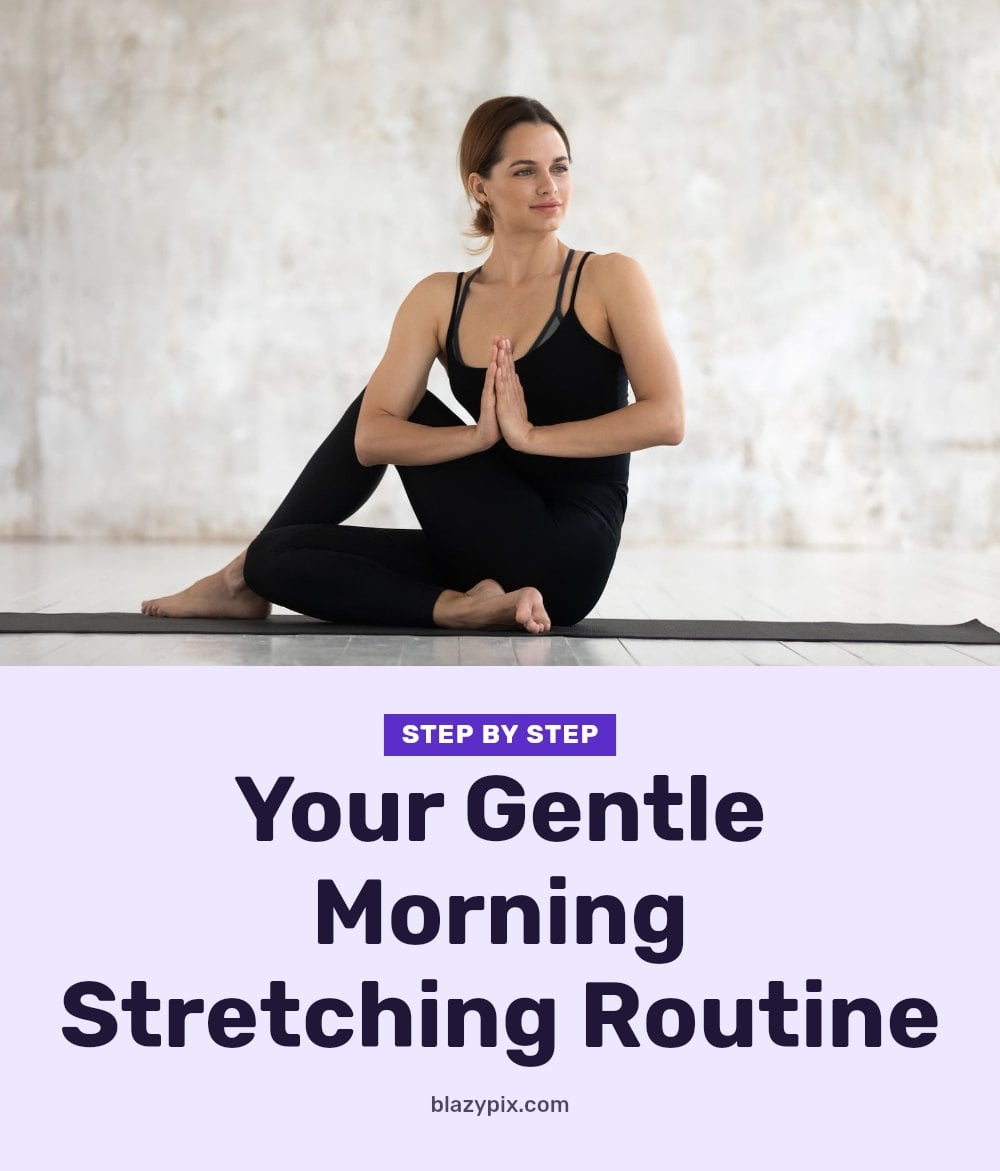
This gentle sequence takes about 5-10 minutes. Move slowly and hold each stretch for 15-30 seconds, breathing evenly the whole time.
- Neck tilt: Sit or stand tall. Gently tilt your head toward your right shoulder, holding for 15-30 seconds. Repeat on the left side. You should feel a light pull along the side of your neck.
- Shoulder rolls: Roll your shoulders forward in a slow, circular motion for 5-10 rolls. Then roll them backward for the same number. This helps release tension in the upper back and shoulders.
- Seated spinal twist: Sit on the floor with legs extended. Bend your right knee and place your right foot outside your left knee. Twist your torso gently to the right, using your left arm to brace against your right knee. Hold for 15-30 seconds, then switch sides.
- Seated forward fold: Sit with legs extended in front of you. Hinge at your hips and slowly reach toward your feet, keeping your back as straight as you can. Hold for 15-30 seconds. You should feel a stretch in your hamstrings and lower back.
- Standing quad stretch: Stand tall, holding a wall or chair for balance. Bend your right knee, bringing your heel toward your glutes. Grasp your ankle with your right hand. Keep your knees close together. Hold for 15-30 seconds, then switch legs.
- Full-body reach overhead: Stand with feet hip-width apart. Inhale and reach both arms straight up overhead, stretching your whole body tall. Hold for 15-30 seconds, feeling the stretch through your sides and spine.
Common Stretching Mistakes to Avoid
Avoid these common mistakes to keep your morning stretching safe and effective.
- Bouncing into stretches: Never bounce or jerk. This can trigger the stretch reflex and actually tighten the muscle, increasing injury risk. Use slow, controlled movements instead.
- Stretching cold muscles too hard: Your muscles are stiffest in the morning. Start with gentle movements, not deep static stretches, to avoid strain.
- Holding your breath: Tensing up and holding your breath increases muscle tension. Focus on deep, even breathing throughout each stretch.
- Pushing into sharp pain: Stretching should feel like a gentle pull, never sharp or sudden pain. If it hurts, ease off immediately.
Smart Tips for a More Effective Stretch
My tip: Consistency beats intensity every time. Aim for a short daily session of 5-10 minutes, or at least 3-5 times a week, to see real progress. Before you move into static stretches, do a light warm-up like marching in place or arm circles for 1-2 minutes. This raises your muscle temperature slightly and reduces strain risk.
Breathe deeply and slowly throughout each stretch. Inhale as you prepare, then exhale as you ease into the position. This helps your muscles relax rather than tighten. Stretch both sides of your body equally to keep your posture balanced. And the golden rule: never push into sharp pain. A gentle pull or tension is normal, but stop if it feels wrong.
How Long Until You See Results and How Often to Stretch
Aim for 5-10 minutes of stretching daily, or at least 3-5 times a week. With consistent practice, you can expect gradual improvements in flexibility over several weeks. The only real investment is your time and commitment. You don’t need expensive gear, just comfortable clothes and maybe a yoga mat for cushioning.
When to Consult a Professional About Stretching
Stop immediately if you feel any sharp or sudden pain during a stretch. This is not normal and may signal an injury. Consult a doctor or physical therapist before starting a new routine if you have existing injuries, chronic pain, or medical conditions. Avoid stretching an injured muscle or joint without professional guidance. Pregnant individuals should also check with their doctor for safe modifications.
Frequently Asked Questions
Can stretching help with back pain?
Gentle stretching may help reduce muscle tension and improve flexibility, which can ease some types of back pain. However, it is not a substitute for medical advice. If you have chronic back pain or an injury, consult a doctor or physical therapist for a stretching plan tailored to your condition.
Is it better to stretch in the morning or evening?
Both can be beneficial, depending on your goals. Morning stretching helps wake up your muscles and reduce stiffness after sleep, while evening stretching can help relax your body before bed. The best time is whichever you can stick to consistently for the long term.
What is the difference between dynamic and static stretching?
Dynamic stretches involve movement, like arm circles or leg swings, and are typically used to warm up muscles before exercise. Static stretches involve holding a position for 15-30 seconds and are often done after a workout or as part of a flexibility routine. For a gentle morning session, static stretches are usually a good choice after a light warm-up.
Do I need a yoga mat for morning stretches?
A yoga mat is optional. It provides cushioning on hard floors and a non-slip surface, which can make stretches more comfortable and stable. If you don’t have one, a carpeted area or a thick towel on the floor works just as well.
What are good morning stretches for beginners?
Start with simple moves that target major muscle groups: neck tilts, shoulder rolls, a gentle forward fold, a standing quad stretch, and a seated hamstring stretch. Hold each for 15-30 seconds, breathe deeply, and keep movements slow and controlled. This sequence covers your whole body without being too intense.
Final Thoughts
If you only have time for one thing, start with a 5-minute morning sequence including neck tilts, shoulder rolls, and a gentle forward fold. Consistency is what really matters, so focus on doing it regularly rather than pushing for deeper stretches. With daily practice, you can expect gradual flexibility improvements over several weeks. Just remember to move slowly, breathe deeply, and stop if anything feels sharp or painful.
This information is for general informational purposes only and is not a substitute for professional medical advice. Individual health conditions vary, so consult a doctor or physical therapist before starting a new stretching routine, especially if you have existing injuries, chronic pain, or other medical concerns.