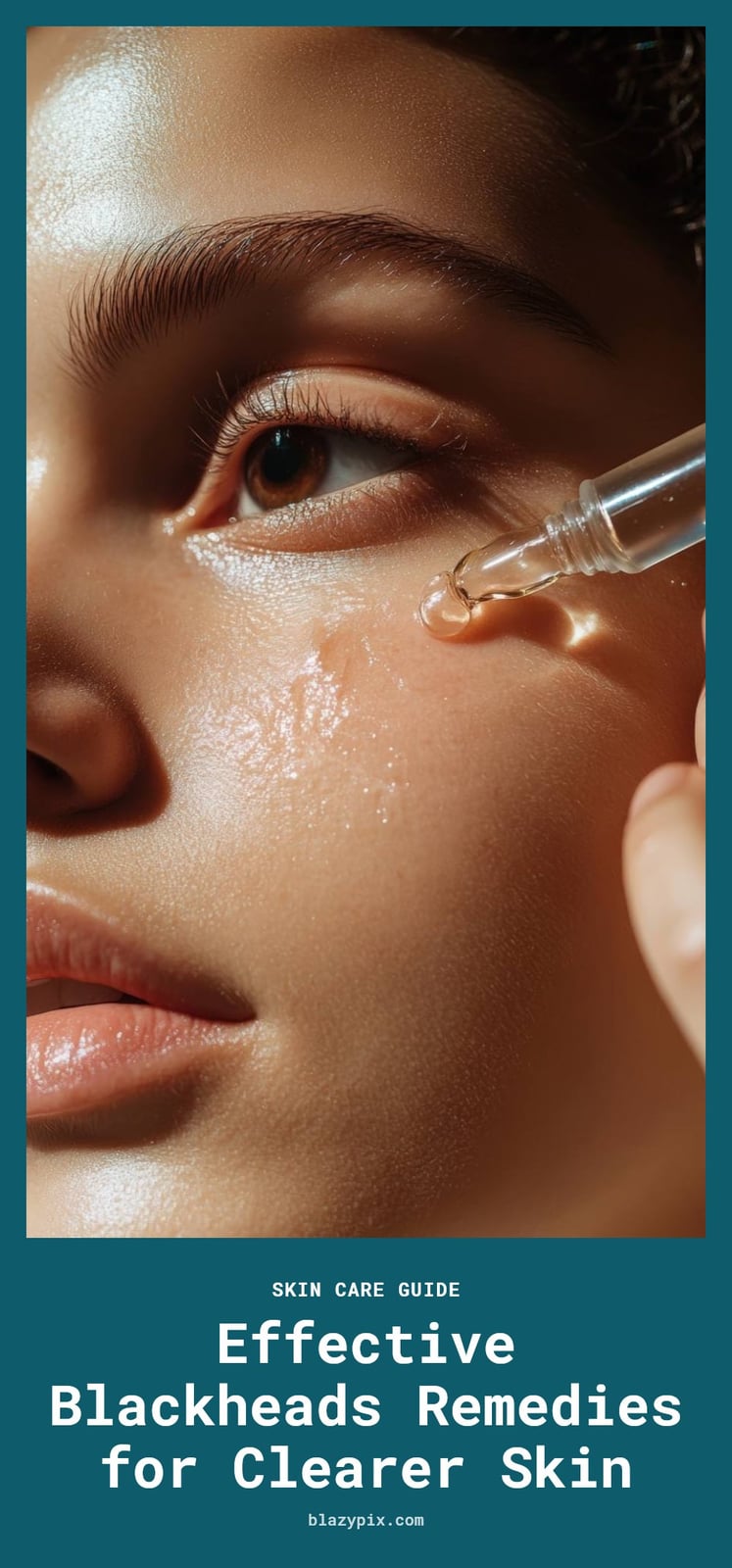
Blackhead Remedies that Work: Your Guide to Clearer Skin
Discover effective blackhead remedies that actually work. Learn how to remove and prevent blackheads with at-home treatments and when to see a professional.

Blackheads are one of the most frustrating skin issues, and if you’ve been scrubbing or squeezing them, you’re not alone. The good news is that there are effective, gentle ways to clear them and keep them from coming back. This article breaks down the best at-home remedies, from salicylic acid to clay masks, and explains when it’s time to see a professional.
Key Takeaways
- Use salicylic acid or retinoids regularly to dissolve clogs and prevent new blackheads.
- Cleanse gently twice daily with a non-comedogenic cleanser; avoid harsh scrubbing.
- Apply a clay mask once or twice a week to absorb excess oil.
- Moisturize with non-comedogenic products, even if your skin is oily.
- See a dermatologist if blackheads persist or become inflamed or painful.
What Are Blackheads and How Do They Form?
Blackheads, technically called open comedones, are a common type of acne. They form when a hair follicle becomes clogged with dead skin cells and excess oil (sebum). The black color is not dirt; it’s the result of oxidation. When the clogged material is exposed to air, the melanin and sebum oxidize and turn dark. So scrubbing harder won’t help, and it can actually irritate your skin and make things worse.
1. Cleanse Gently Twice Daily

Use a gentle facial cleanser twice a day to remove surface dirt, oil, and makeup without stripping your skin. Over-washing or harsh scrubbing can irritate the skin and potentially worsen acne by triggering more oil production.
- Choose wisely: Look for cleansers labeled ‘non-comedogenic’ to ensure they won’t clog your pores.
- Be consistent: Cleanse morning and night, but don’t overdo it. Twice daily is enough.
2. Incorporate Salicylic Acid

Salicylic acid, a beta-hydroxy acid (BHA), is a key ingredient for blackheads. It exfoliates inside the pore, helping to dissolve clogs of dead skin cells and sebum. Use a salicylic acid cleanser or toner regularly, starting a few times a week and increasing as your skin tolerates it.
- How to use: Apply the product to clean, dry skin, focusing on blackhead-prone areas.
- Caution: If you have sensitive skin, start with a lower concentration or use less frequently to avoid irritation.
3. Try a Retinoid Product

Retinoids, like retinol or adapalene, promote cell turnover, preventing dead skin cells from accumulating and clogging pores. They are a powerful tool for blackhead prevention and treatment.
- Start slowly: Apply a retinoid cream or serum a few times a week to minimize irritation, redness, and peeling. Gradually increase frequency as your skin adjusts.
- Important: Always use sunscreen during the day when using retinoids, as they increase sun sensitivity. Sun exposure can worsen skin damage and irritation.
4. Use Clay Masks Weekly

Clay masks, especially those with bentonite or kaolin clay, can absorb excess oil and draw out impurities from pores. Apply a clay mask once or twice a week to oily or blackhead-prone areas.
My tip: Don’t let the mask dry completely to a crackly state, as this can be overly drying. Remove it when it’s just starting to feel tight, usually after 10-15 minutes.
5. Consider AHA Exfoliants
Alpha Hydroxy Acids (AHAs) like glycolic acid help remove dead skin cells from the skin’s surface, improving texture and preventing blockages. Use an AHA toner or serum a few times a week, alternating with other active ingredients like retinoids or BHAs.
Caution: Avoid using multiple strong exfoliants simultaneously without professional guidance. This can over-exfoliate and compromise your skin barrier, leading to irritation.
6. Moisturize with Non-Comedogenic Products
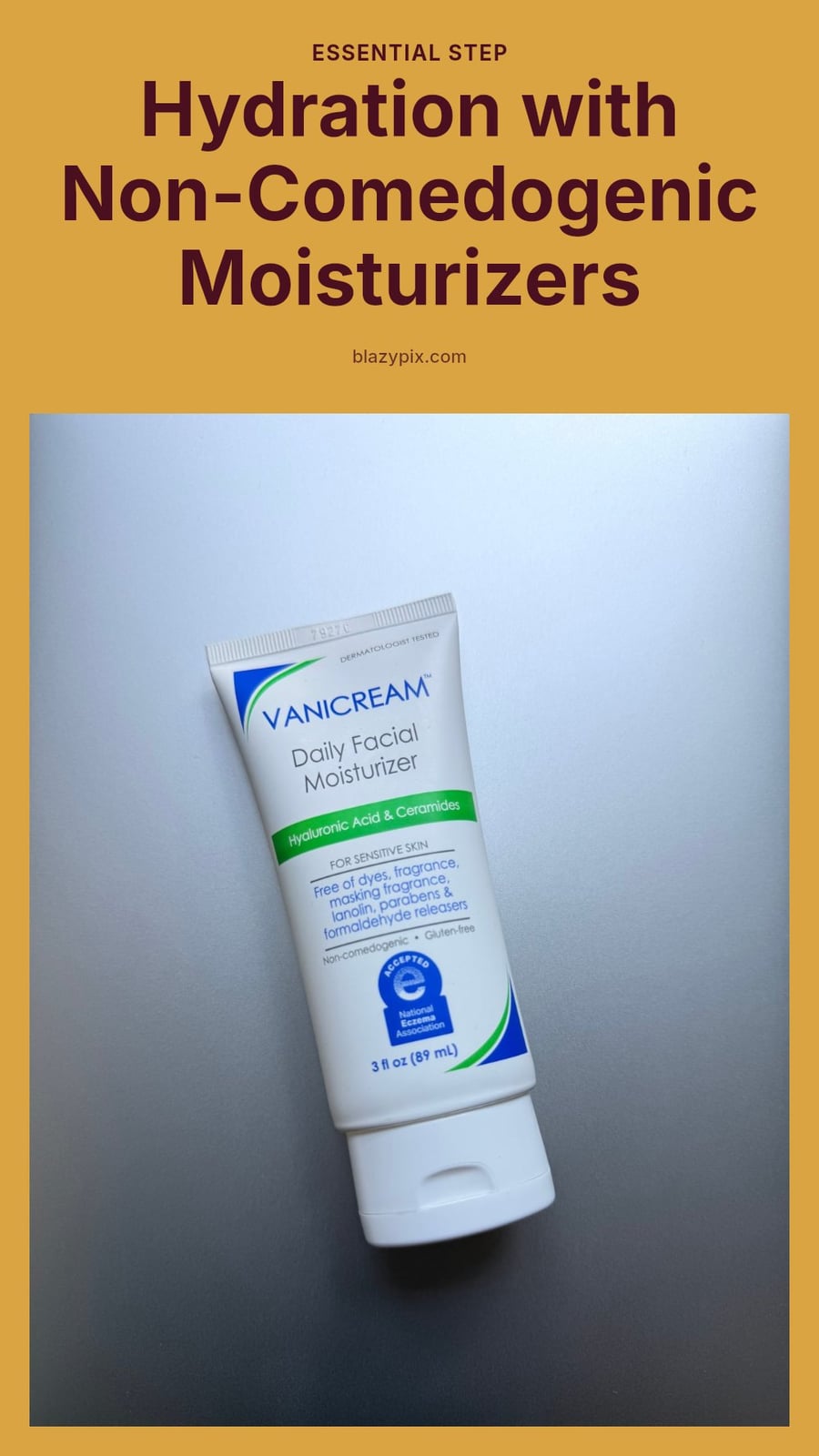
Even oily skin needs moisturizer. Skipping it can trick your skin into producing more oil, which can worsen blackheads. Always choose moisturizers labeled ‘non-comedogenic’ to ensure they won’t clog your pores.
My tip: A lightweight gel or lotion moisturizer is often best for blackhead-prone skin. It hydrates without feeling heavy or greasy.
7. Protect Your Skin with Sunscreen
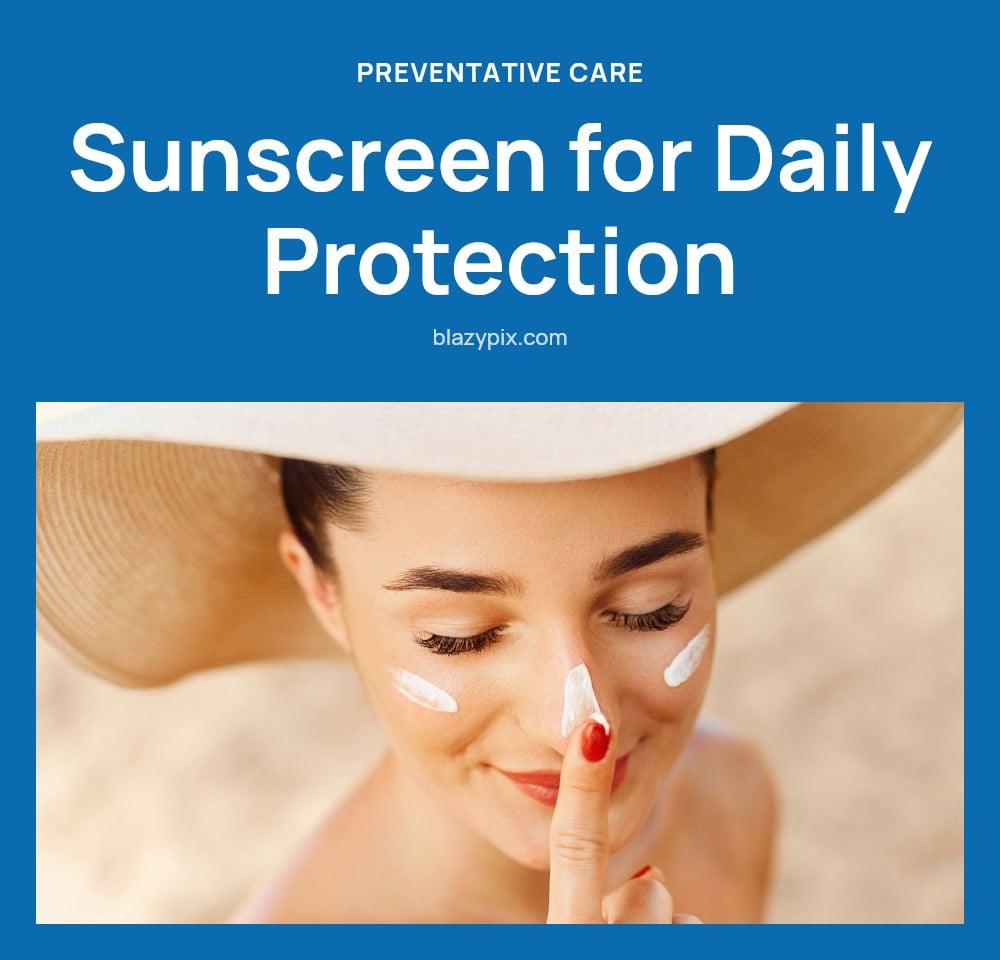
Daily sunscreen use with SPF 30 or higher is crucial, especially when using exfoliating acids or retinoids, which increase sun sensitivity. Sun protection helps prevent further skin damage and irritation that can exacerbate acne issues.
Tip: Look for mineral sunscreens with zinc oxide or titanium dioxide if you have sensitive or acne-prone skin. They tend to be less irritating than chemical sunscreens.
8. Change Pillowcases Frequently
Pillowcases collect oil, dead skin cells, and bacteria from your face and hair overnight. That buildup transfers back onto your skin, potentially clogging pores and feeding blackheads. Changing your pillowcase every 2-3 days reduces this constant contact with irritants.
Good to know: Silk or satin pillowcases create less friction against your skin and hair, which can help reduce irritation and breakage. But regular cotton works fine as long as you swap it out frequently.
9. Avoid Picking or Squeezing
Resist the urge to pick, squeeze, or extract blackheads on your own. Pushing on the skin can rupture the follicle wall, forcing bacteria and debris deeper into the pore. This often leads to redness, infection, inflammation, or permanent scarring.
Pro move: If blackheads bother you enough that you want them removed, book an appointment with a dermatologist or licensed aesthetician. They use sterile tools and proper technique to extract safely without damaging your skin.
10. Be Patient and Consistent
Most topical treatments need 4-8 weeks of consistent use before you see noticeable improvement. Blackhead prevention is a gradual process of keeping pores clear and regulating oil production, not an overnight fix. Continued use is necessary for maintenance.
Quick tip: Don’t give up too soon. Stick with your routine for at least two months before deciding whether a product is working. Skipping days or switching products frequently delays your progress.
11. Understand Contributing Factors
Hormonal shifts during puberty, menstruation, or pregnancy can increase sebum production, making blackheads more likely to form. Genetics also influence how much oil your skin produces and how easily your pores clog. These factors are largely out of your control.
Tip: Knowing that hormones and genes play a role helps you set realistic expectations. Focus on maintaining a consistent, gentle skincare routine rather than chasing perfection, and don’t blame yourself for what your body naturally does.
When to Consult a Professional
If your blackheads are persistent, severe, or accompanied by inflamed, painful cysts, it is time to see a dermatologist. A dermatologist can offer stronger prescription treatments like topical retinoids such as tretinoin or oral medications that are not available over the counter.
Professional extraction by a dermatologist or aesthetician is a safe and effective method for immediate blackhead removal without the risk of scarring or infection that comes with doing it yourself.
Frequently Asked Questions
How long does it take to get rid of blackheads?
With consistent use of topical treatments like salicylic acid or retinoids, you can expect to see noticeable improvement in about 4 to 8 weeks. However, blackheads are a chronic condition, so continued use is necessary to keep pores clear and prevent new ones from forming.
Can diet cause blackheads?
There’s no direct proof that specific foods cause blackheads, but some research suggests that high-glycemic diets or dairy might influence oil production in some people. If you notice breakouts after certain meals, it may be worth adjusting your diet, but the mainstay of blackhead control is topical care.
Are pore strips good for blackheads?
Pore strips can temporarily remove the top of a blackhead, giving instant satisfaction, but they don’t prevent new ones and can irritate sensitive skin if used too often. Use them sparingly, and focus on daily exfoliation and cleansing for long-term results.
Can I get rid of blackheads permanently?
There’s no permanent cure for blackheads because your skin continuously produces oil and sheds dead cells, which can clog pores. However, with a consistent routine of exfoliating acids, retinoids, and non-comedogenic products, you can keep them well-controlled and minimize their appearance.
What is the best routine for blackhead-prone skin?
A gentle cleanser twice daily, a salicylic acid toner or serum a few times a week, a non-comedogenic moisturizer, and daily sunscreen are the basics. You can add a clay mask weekly and a retinoid at night, starting slowly to avoid irritation. Consistency is key.
Final Thoughts
For most people, a consistent routine with salicylic acid or a retinoid, paired with gentle cleansing and moisturizing, is the most reliable way to reduce blackheads. Expect noticeable improvement in 4 to 8 weeks, and keep going to maintain results. If you’ve been patient and blackheads still bother you, especially if they turn into painful cysts, make an appointment with a dermatologist for professional extraction or prescription options.
This article is for general informational purposes only and does not constitute medical advice. Skin care results vary, and what works for one person may not work for another. If you have persistent, severe, or painful blackheads, or if you experience irritation from any product, consult a dermatologist or healthcare professional.