Shaving Tips for the Smoothest Legs Ever
Unlock the secrets to a perfect shave! Learn expert shaving tips for women to achieve silky smooth, irritation-free legs every time.

You know that feeling when you shave your legs and they’re smooth for about five minutes, then the razor burn or stubble shows up? I’ve been there, and it’s frustrating. The truth is, a smooth, irritation-free shave isn’t about luck. It’s about a few simple steps you can add to your routine. This article covers the preparation, technique, and aftercare that make all the difference, so you can say goodbye to nicks and hello to lasting smoothness.
Key Takeaways
- Soak your skin in warm water for 5-10 minutes before shaving to soften hair.
- Exfoliate 1-2 times a week, especially before shaving, to prevent ingrown hairs.
- Replace your razor blade after 5-10 uses or when it feels dull.
- Always shave with the grain on your first pass to minimize irritation.
- Moisturize immediately after shaving to lock in hydration and soothe skin.
Get Your Smoothest Shave Yet
A truly smooth, irritation-free shave is the result of thoughtful preparation, a gentle technique, and consistent aftercare. It’s not just about having a sharp razor; it’s about setting your skin up for success to prevent common issues like razor burn and ingrown hairs. Focus on each step of the process, and your skin will thank you.
1. Prep Your Skin with Warm Water
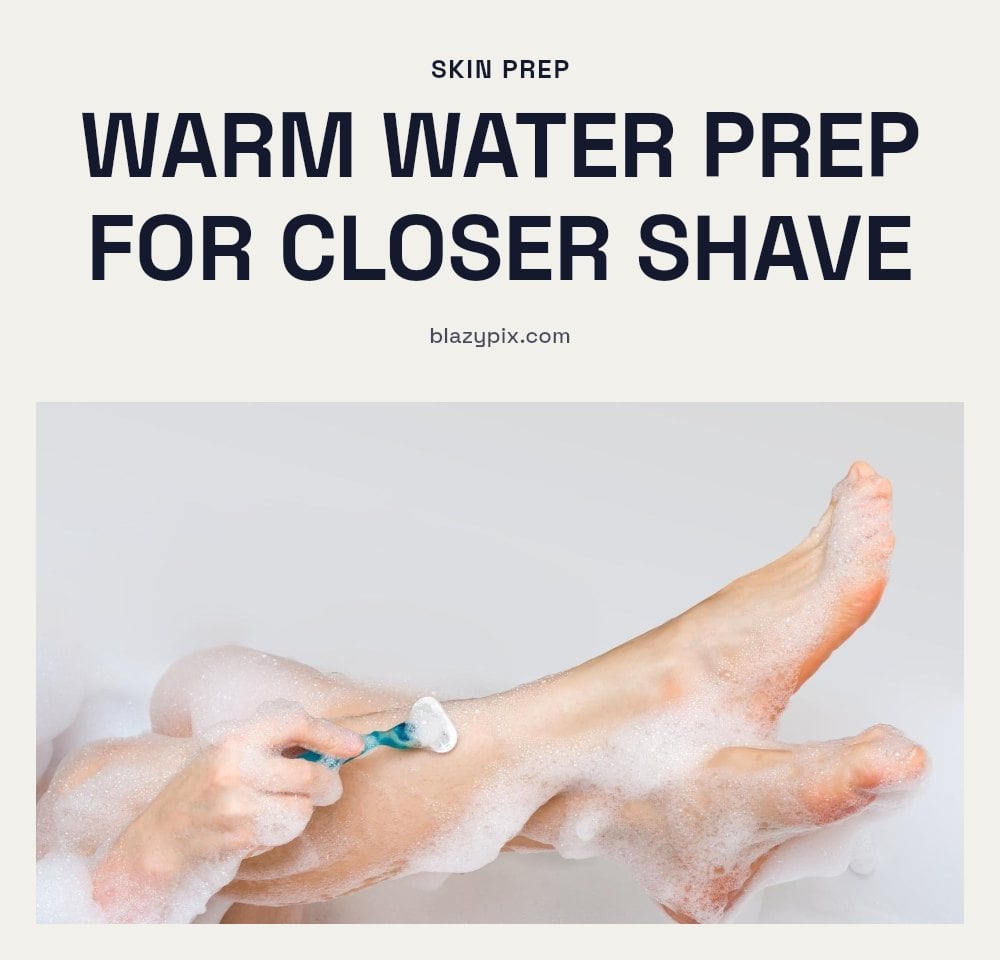
Start by soaking your skin in warm water for 5-10 minutes before you pick up your razor. This softens your hair and opens up your pores, making it much easier for the razor to glide and cut hair cleanly.
- Shave at the end of your shower or bath, after your skin has had time to soften.
- The warm water reduces tugging and irritation, so you get a smoother result.
2. Exfoliate Before You Shave
My top tip for preventing ingrown hairs and achieving a closer shave is to exfoliate 1-2 times a week, especially right before you plan to shave. This removes dead skin cells that can trap hair, allowing your razor to get closer to the root and reducing the risk of bumps.
- Use a gentle scrub or loofah in circular motions.
- Focus on areas prone to ingrown hairs, like knees and ankles.
3. Always Use a Sharp Razor

This is non-negotiable: a dull blade is the enemy of a smooth shave. It tugs at your hair, causes irritation, and increases your risk of nicks. I recommend replacing your razor blade after 5-10 uses, or sooner if you feel any tugging. Trust me, it makes all the difference.
- Check the blade for rust or dullness before each use.
- If shaving feels rough, it’s time for a fresh blade.
4. Lather Up with Shaving Cream
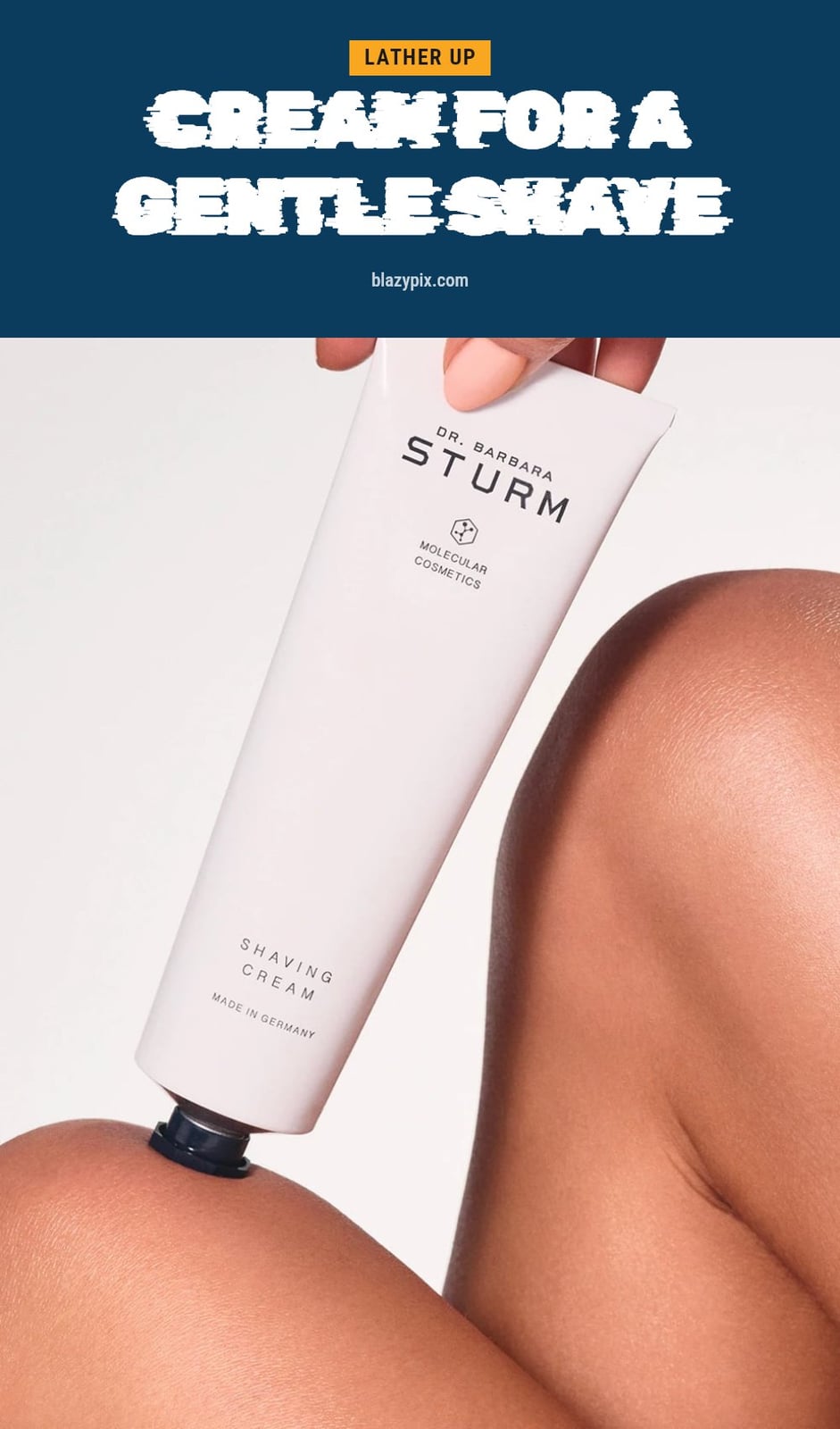
Never dry shave. A good quality shaving cream, gel, or even hair conditioner creates a vital protective barrier between your skin and the blade. This lubrication allows the razor to glide effortlessly, minimizing friction and preventing razor burn and irritation. My tip: Apply a generous layer and let it sit for a minute before you start shaving.
5. Shave With the Grain First
For your first pass, always shave in the direction your hair grows (with the grain). This minimizes irritation, especially if you have sensitive skin. If you want a closer shave, reapply cream and shave against the grain on a second pass. Just know that this increases the risk of razor burn and ingrown hairs.
6. Use Light, Gentle Strokes
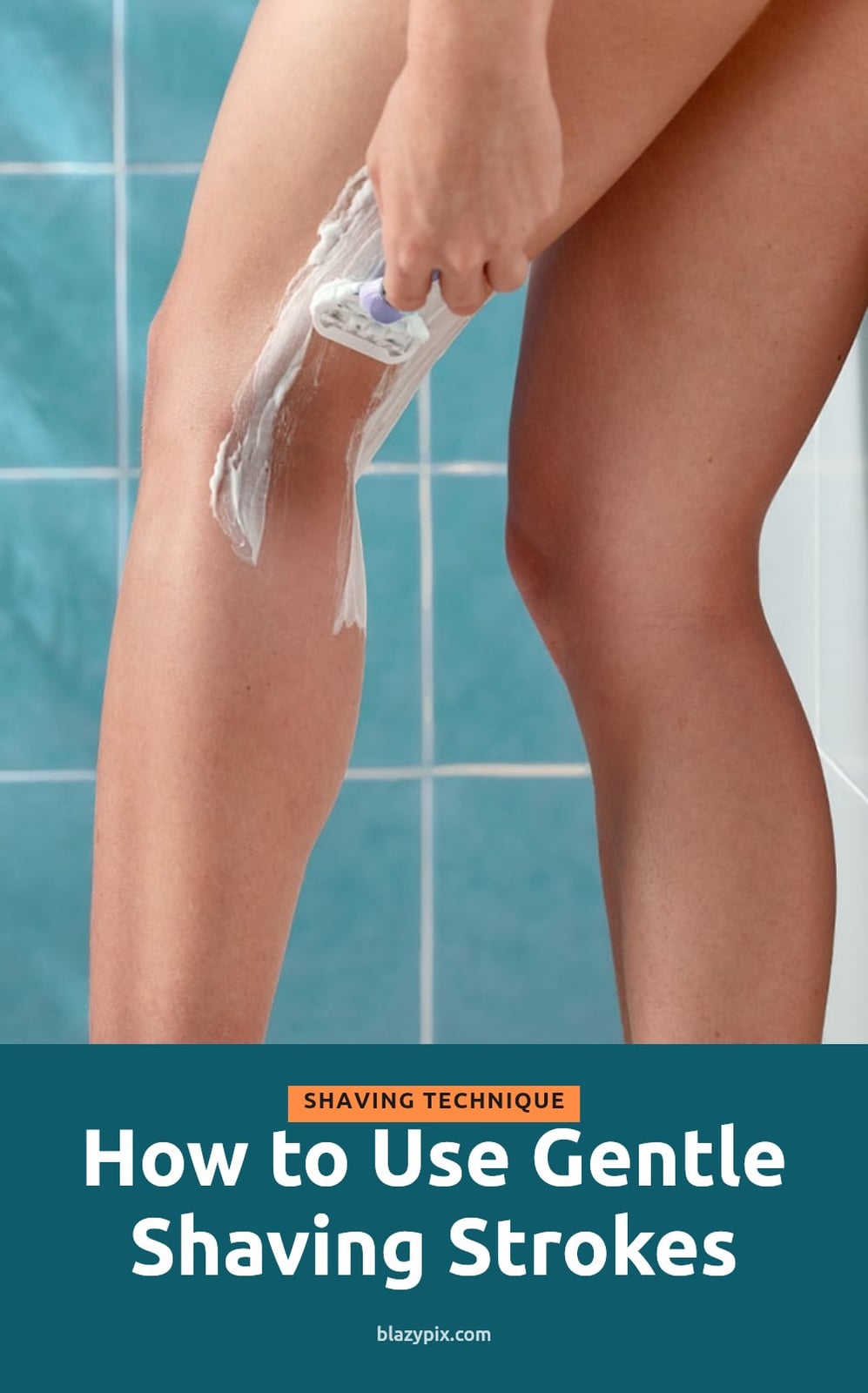
Resist the urge to press down hard with your razor. The blade should do the work, not your pressure. Use light, gentle strokes to avoid nicks and irritation, especially in delicate areas like ankles and knees. Short, slow passes work best.
7. Rinse Your Razor Frequently
Rinse your razor blade often under running water during your shave. This prevents hair and shaving cream from clogging the blades, ensuring it remains effective and glides smoothly with each stroke. A quick swish every few strokes makes a big difference.
8. Finish with a Cold Rinse
Finish by rinsing your skin with cold water for 30-60 seconds. The cold temperature helps close your pores and soothes the skin, which reduces redness and calms any post-shave irritation.
Tip: Keep the water running over your legs for a few seconds after you turn off the shower. This simple step prepares your skin to absorb moisturizer more effectively.
9. Moisturize Immediately After

Moisturize within a minute of patting your skin dry. This step locks in hydration and prevents the tight, dry feeling that often follows shaving. Apply a generous layer of lotion, oil, or balm to soothe post-shave sensitivity and keep your skin soft.
10. Store Your Razor Properly
Don’t leave your razor sitting in a wet shower caddy. The constant moisture encourages bacterial growth and can dull your blades faster than normal use. Instead, rinse your razor after shaving, shake off the excess water, and store it upright in a dry spot outside the shower.
A countertop holder or a medicine cabinet shelf works well. Keeping the blade dry also prevents rust, which can cause nicks and irritation the next time you shave. This small habit extends the life of your blades and keeps your skin healthier.
11. Give Your Skin a Break
If you notice persistent irritation or razor burn, give your skin a day or two to recover. Shaving too often on sensitive skin can worsen redness and bumps. A short break allows your skin’s barrier to repair, making your next shave smoother.
Common Shaving Mistakes to Avoid
Dry Shaving: Never shave without water and a lubricating product. Dry shaving causes razor burn, nicks, and irritation every time.
Using a Dull Blade: A dull blade tugs and pulls at your hair instead of cutting it cleanly. This leads to an uneven shave and irritated skin. Replace your blade after 5-10 uses or as soon as you feel any resistance.
Pressing Too Hard: Let the razor do the work. Pressing hard increases your risk of nicks and razor burn, especially on delicate areas like knees and ankles.
Skipping Exfoliation: Exfoliating 1-2 times a week removes dead skin cells that can trap hair. Without it, you are more likely to get ingrown hairs and a less close shave.
Forgetting to Moisturize: Post-shave hydration is essential. Skipping moisturizer leaves your skin dry and prone to irritation. Apply a lotion or balm right after patting dry.
Frequently Asked Questions
How often should I shave my legs?
You can shave as often as you like, depending on your hair growth and personal preference. Results typically last from one to a few days. If your skin feels irritated, give it a day or two to recover before shaving again.
Can I use regular soap instead of shaving cream?
Regular soap isn’t ideal because it doesn’t provide enough lubrication for the razor to glide smoothly. It can dry out your skin and increase friction, leading to razor burn. Stick with shaving cream, gel, or even hair conditioner for a protective barrier.
What causes razor bumps and how can I prevent them?
Razor bumps are often caused by ingrown hairs that curl back into the skin. They’re more common when you shave against the grain or with a dull blade. To prevent them, exfoliate before shaving, use a sharp blade, and shave with the grain on your first pass.
Is it better to shave in the morning or at night?
There’s no definitive best time, but shaving at the end of a warm shower or bath is ideal because your skin and hair have softened. Morning shaving can give you smooth legs for the day, while evening shaving allows your skin to recover overnight, which may reduce irritation.
How long do razor blades last?
A common recommendation is to replace your razor blade after 5-10 uses, or sooner if you feel any tugging or pulling. Storing your razor in a dry place can help the blade stay sharp longer and prevent bacterial growth.
Final Thoughts
My main recommendation is to treat shaving as a mini ritual, not a rushed chore. Give yourself those 10-15 minutes to prep properly, use a sharp blade, and always moisturize after. Realistically, results can last from one to several days depending on your hair growth, but a good routine keeps your skin feeling smooth and comfortable between sessions. Stick with these steps, and you’ll notice a real difference in how your legs look and feel.