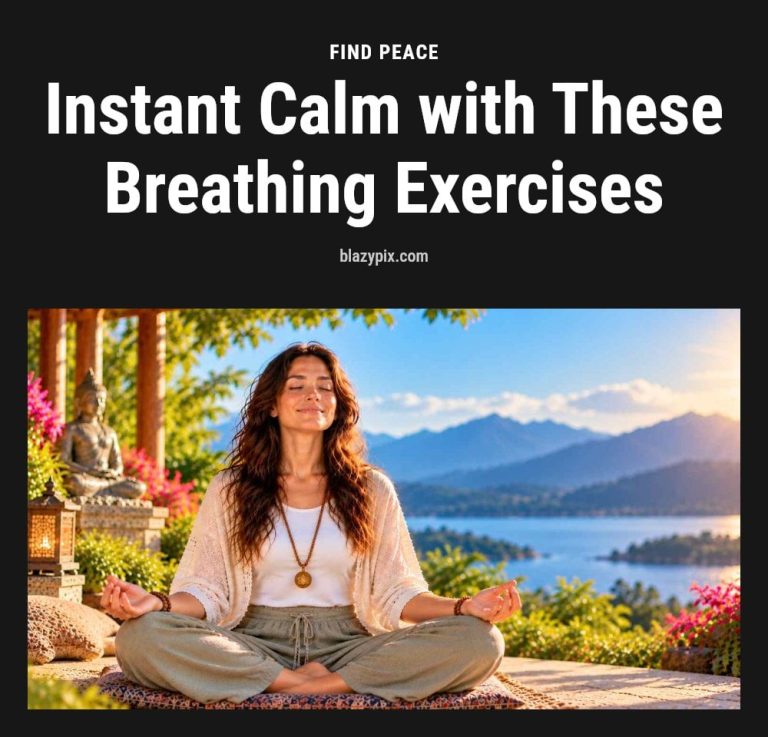
9 Breathing Exercises to Calm Your Mind Instantly
Discover 10 simple breathing exercises to quickly reduce stress, lower your heart rate, and improve focus. Learn how to practice them safely.

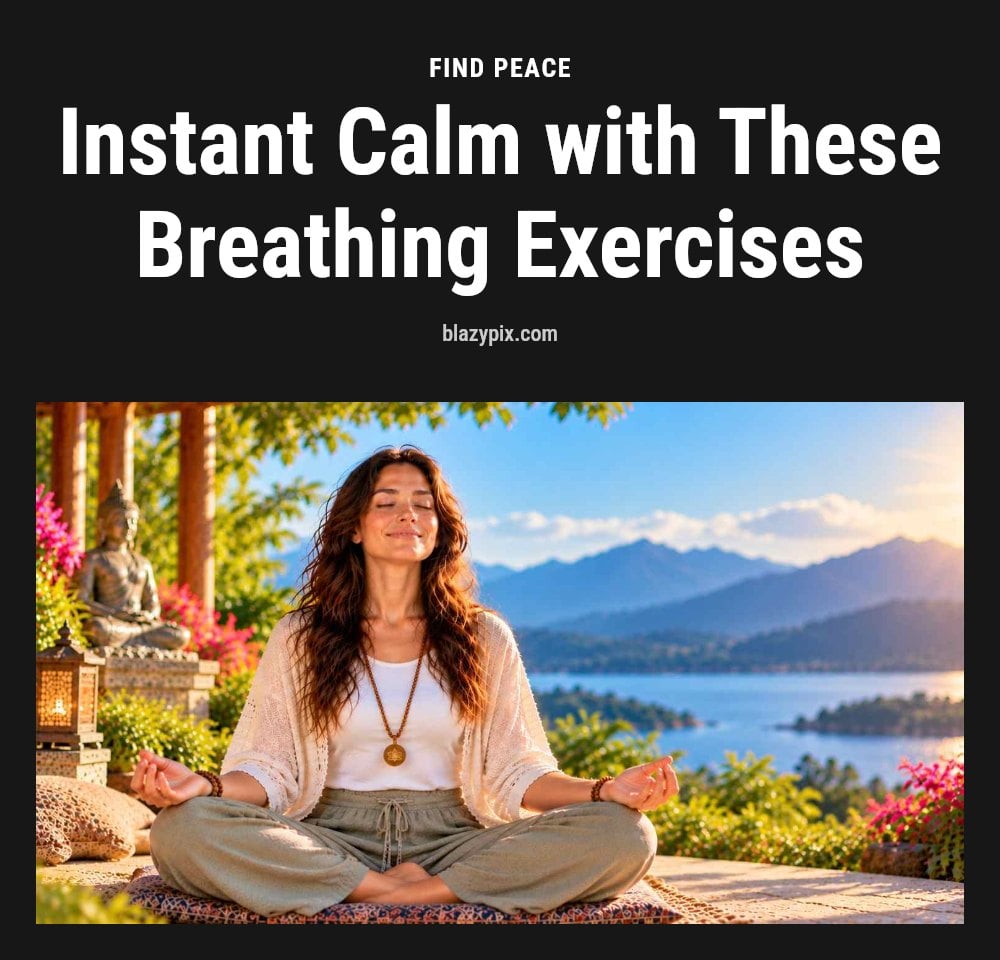
When stress hits, your breath is the fastest tool you have to hit the reset button. These nine breathing exercises are my go-to techniques for calming my mind in moments of overwhelm, and they work by shifting your body from fight-or-flight mode into a state of deep relaxation. In this article, I’ll walk you through each method, from belly breathing to humming bee breath, so you can find the ones that work best for you.
Key Takeaways
- Belly breathing engages your diaphragm to activate the relaxation response.
- Box breathing uses a 4-4-4-4 count to calm your nervous system.
- 4-7-8 breathing is especially helpful before sleep with a whoosh exhale.
- Alternate nostril breathing balances energy by alternating nostrils.
- Practice 5-10 minutes daily for lasting benefits over weeks.
Why Breathing Exercises Are Your Secret Weapon for Calm
Breathing exercises are simple, effective techniques to manage stress and anxiety by activating your body’s natural relaxation response. When you consciously control your breath, you shift from a ‘fight or flight’ state to a state of calm, lowering your heart rate and improving focus. The best part: these exercises are accessible anywhere, anytime, offering an immediate tool for self-regulation. Whether you’re stuck in traffic or about to give a presentation, a few mindful breaths can make a real difference.
1. Diaphragmatic (Belly) Breathing
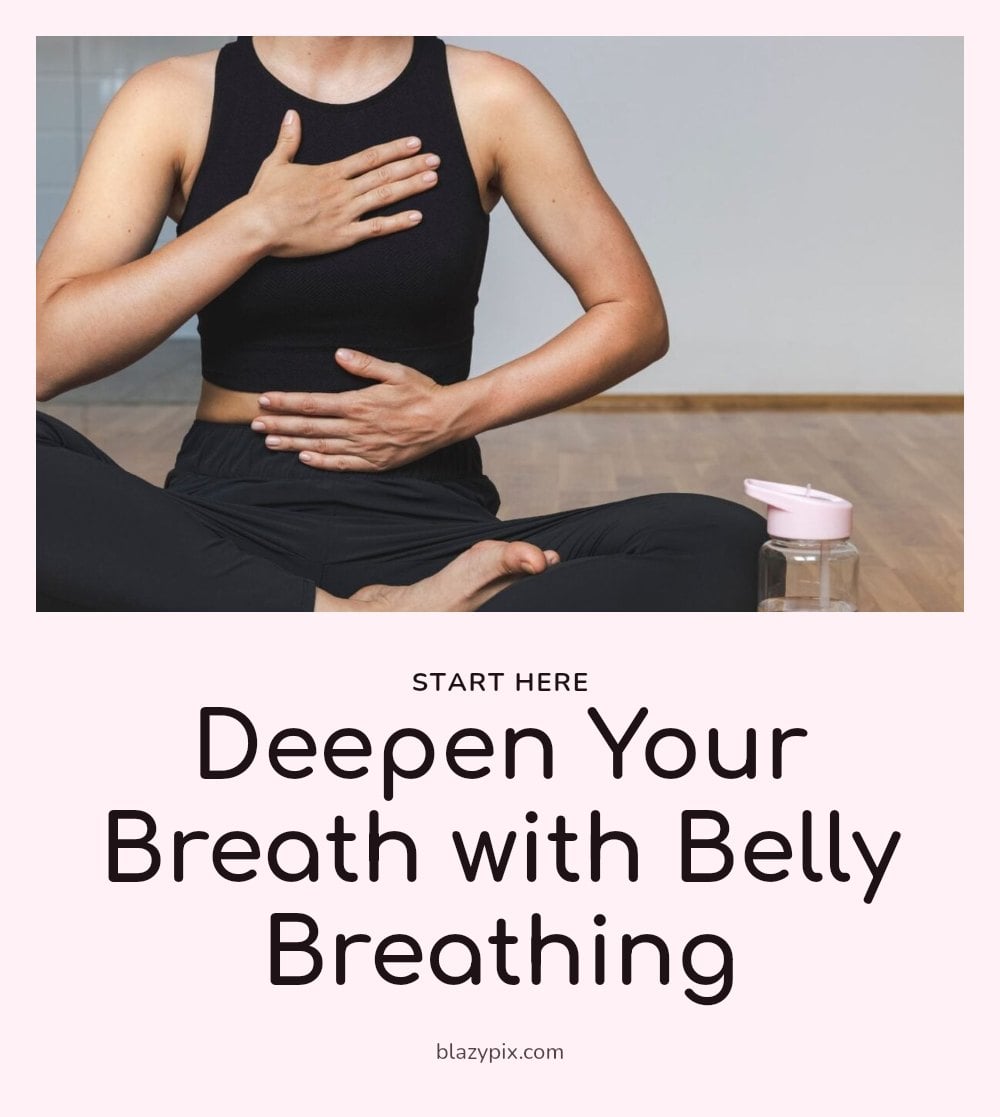
Start by sitting or lying comfortably. Inhale deeply through your nose, allowing your belly to rise, not your chest. This engages your diaphragm, a muscle located below your lungs, which is key to activating your parasympathetic nervous system for relaxation.
My tip: Place one hand on your chest and one on your belly. As you breathe, only the hand on your belly should rise significantly. This gives you immediate feedback on whether you’re breathing deeply enough.
2. Box Breathing
Inhale slowly through your nose for a count of four. Hold your breath for four counts. Exhale slowly through your mouth for four counts. Hold again for four counts. This rhythmic pattern helps calm your nervous system and improve focus.
It’s a fantastic technique for when you need to quickly recenter yourself, like before a big meeting or during a stressful moment. The equal counts create a steady, predictable rhythm that your body recognizes as safe.
3. 4-7-8 Breathing
Inhale quietly through your nose for a count of four. Hold your breath for seven counts. Exhale completely through your mouth with a ‘whoosh’ sound for eight counts. This technique is often recommended for relaxation and can be particularly helpful before sleep.
My tip: The ‘whoosh’ sound helps ensure a full exhalation, which is crucial for releasing tension. A complete exhale signals your body to relax, making this exercise a solid addition to your nightly routine.
4. Alternate Nostril Breathing (Nadi Shodhana)
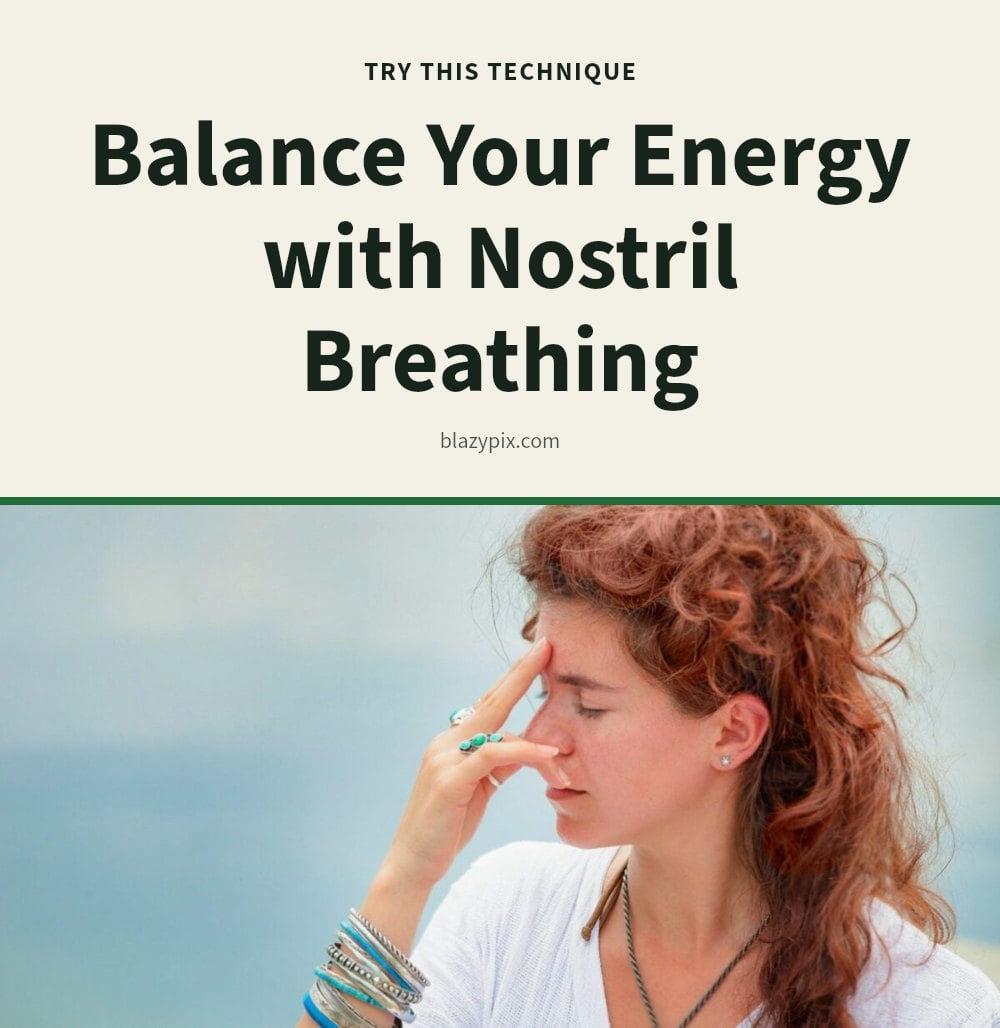
Sit up tall and get comfortable. Use your right thumb to close your right nostril, then inhale slowly through your left nostril. At the top of your inhale, close your left nostril with your ring finger, release your thumb, and exhale through your right nostril.
Inhale through your right nostril, then close it with your thumb and exhale through your left. That completes one round. Continue alternating for 3 to 5 minutes.
This yoga pranayama technique is believed to balance the left and right hemispheres of the brain, promoting calm and mental clarity. Many people find it grounding before meditation or when they need to reset their focus.
5. Pursed-Lip Breathing
Pursed-lip breathing is your go-to when you feel short of breath or need to regain control quickly. Inhale slowly through your nose for two counts. Then purse your lips as if you are about to whistle and exhale slowly and steadily through them for four counts.
The key is the longer exhale. This technique slows down your breathing and keeps your airways open longer, allowing more stale air to be pushed out with each breath. Repeat for a few minutes until your breathing feels steadier. It is subtle, quiet, and easy to do at your desk.
6. Resonance (Coherent) Breathing
Resonance breathing, sometimes called coherent breathing, aims for a steady pace of about five to six full breaths per minute. That means inhaling for roughly five or six seconds and exhaling for the same count, keeping the inhale and exhale equal.
This slow, even rhythm is thought to optimize heart rate variability and nudge your body into a state of physiological calm. It is less about deep breathing and more about consistency.
My tip: use a guided meditation or a simple timer app that beeps at your chosen interval. That way you can focus on the breath instead of counting. Start with 5 minutes and work up from there.
7. Mindful Breathing
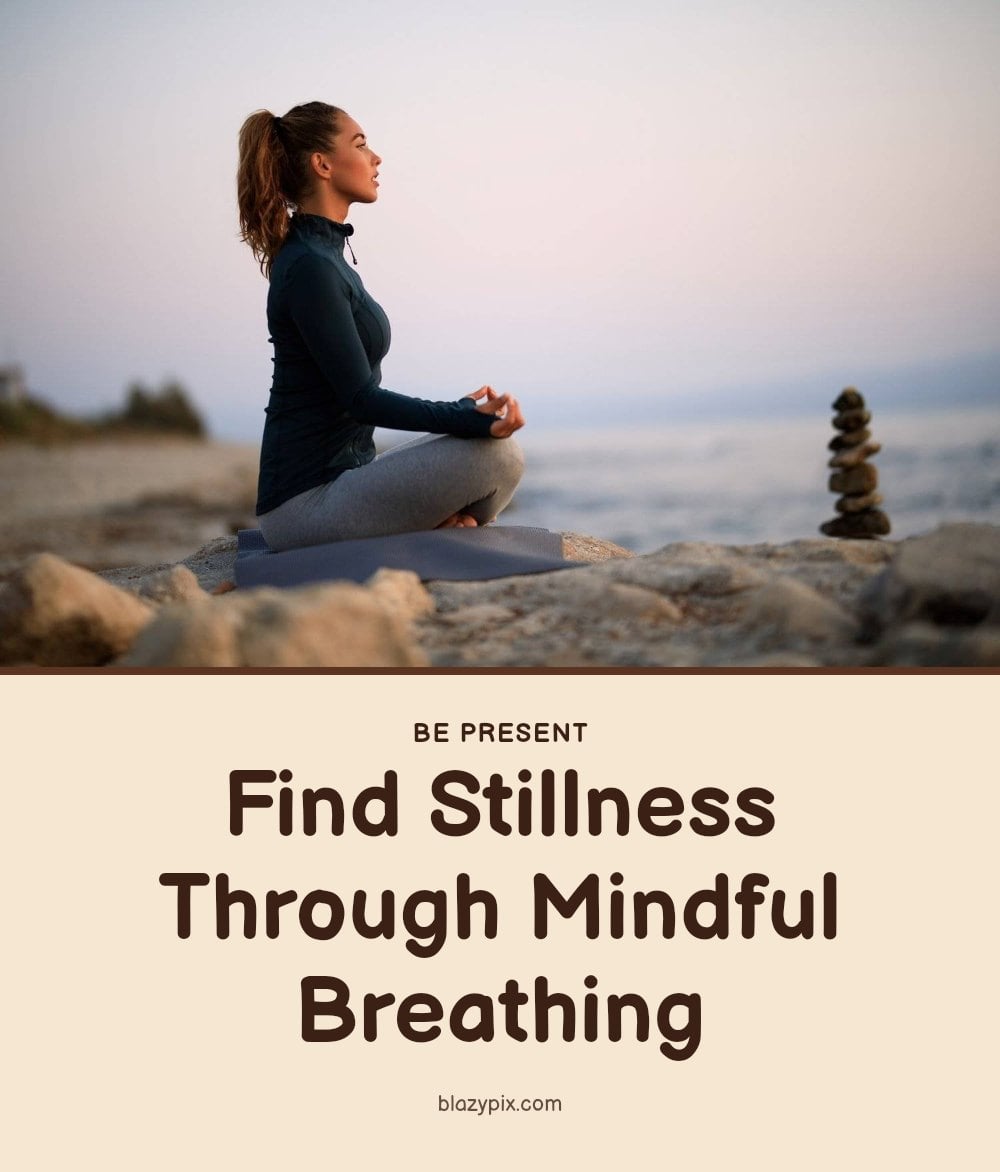
Mindful breathing is the opposite of controlling your breath: you simply observe it. Sit comfortably, close your eyes if that helps, and bring your attention to the natural rhythm of your inhale and exhale without trying to change it.
Notice the air entering and leaving your body, the rise and fall of your belly or chest, and the temperature of the air as it moves through your nostrils. When your mind wanders, gently guide it back to the sensation of breathing.
This practice cultivates present moment awareness and can reduce rumination. You learn to observe thoughts as passing events instead of getting caught up in them. Even 2 to 3 minutes makes a difference.
8. Lion’s Breath (Simhasana)
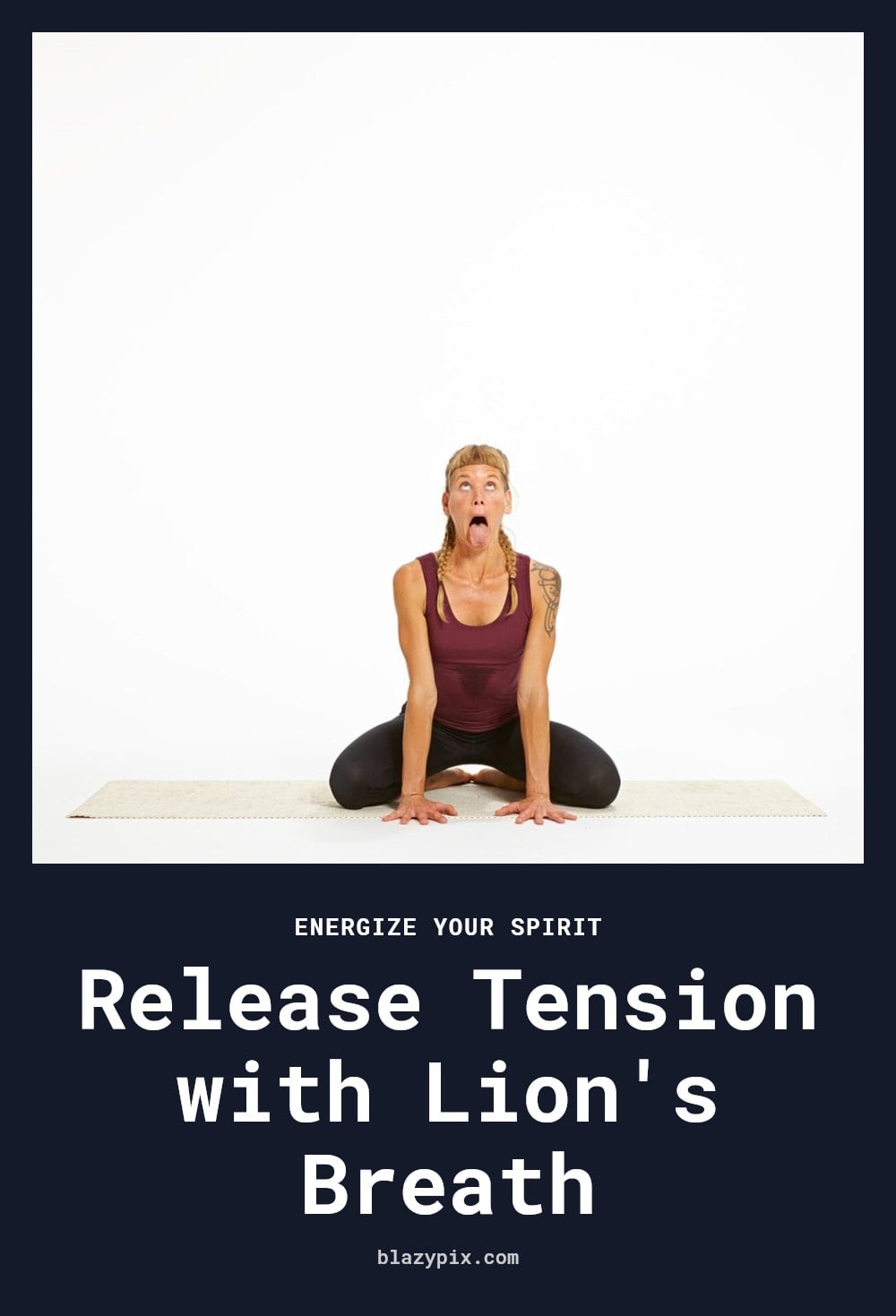
Take a deep breath in, then exhale forcefully through your mouth with a ‘ha’ sound, extending your tongue out and opening your eyes wide. This expressive breath is excellent for releasing tension, stress, and pent-up emotions. It might feel a little silly at first, but it’s incredibly cathartic and can be a fun way to let go of stress.
9. Humming Bee Breath (Bhramari Pranayama)
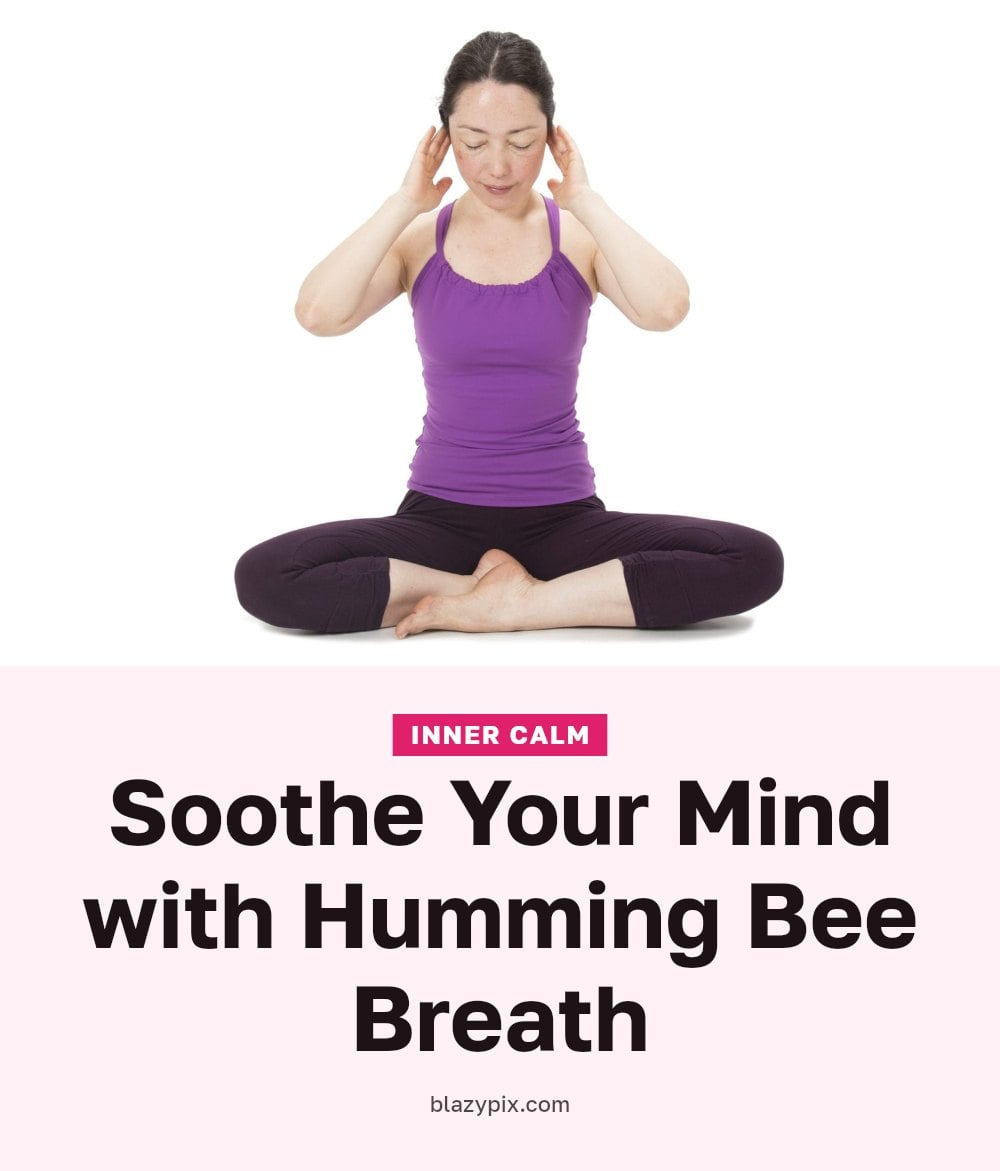
Inhale deeply through your nose, then exhale slowly with your lips sealed while making a gentle, continuous humming sound, like a bee. You can gently close your ears with your thumbs or index fingers to enhance the internal vibration. This practice creates a calming vibration in your head, which may soothe your nervous system and quiet your mind, making it helpful for anxiety relief.
- Tip: Keep the hum steady and low so you feel the vibration spread through your skull.
- Caution: If you feel lightheaded, stop and breathe normally for a few minutes.
Common Mistakes to Avoid When Practicing
Shallow chest breathing: Many of us breathe from our chest, especially when stressed. Always aim for deep, diaphragmatic breathing where your belly rises.
Holding tension: Check your shoulders, jaw, and neck. These areas often hold tension. Try to relax them completely during your practice.
Forcing the breath: Never force your breath or hold it uncomfortably long. The goal is gentle control, not strain. If you feel dizzy, stop and return to normal breathing.
Giving up too soon: Like any new skill, breathing exercises take practice. Don’t expect immediate perfection; consistent, even short, sessions yield the best results.
Inconsistency: The true power of these exercises comes with regular practice. Try to integrate them into your daily routine, even for just a few minutes.
Frequently Asked Questions
How quickly do breathing exercises work?
Many people notice a sense of calm within a few minutes of starting a slow, deep breathing technique like box breathing or 4-7-8 breathing. Immediate effects include a lower heart rate and reduced tension, but regular practice over weeks and months leads to more lasting stress management.
Can breathing exercises help with panic attacks?
Breathing exercises can be a helpful tool during a panic attack, especially pursed-lip breathing or slow, diaphragmatic breathing. However, if your anxiety or panic worsens, stop and return to normal breathing. For persistent or severe panic attacks, consult a mental health professional.
How often should I practice breathing exercises?
For best results, aim for daily practice of 5 to 10 minutes. Even a few minutes once or twice a day can make a difference. Consistency matters more than duration, so find a time that fits your schedule, such as morning or before bed.
What is the best time of day to do breathing exercises?
There is no single best time; it depends on your needs. Morning sessions can set a calm tone for the day, while evening practice, especially 4-7-8 breathing, can promote better sleep. You can also use them anytime you feel stressed or need to refocus.
Can children do breathing exercises?
Yes, children can benefit from simple breathing exercises like belly breathing or mindful breathing. Keep sessions short, around one to three minutes, and make it fun by using imagery like blowing out birthday candles. Always supervise and stop if they feel uncomfortable.
Final Thoughts
My tip is to start with just two to three minutes of box breathing or mindful breathing each morning to build the habit. You may feel calmer after one session, but consistent daily practice over several weeks brings the most lasting change. Pick one technique that resonates with you and make it your anchor for calm.
This article is for general informational purposes only and does not constitute medical, mental health, or professional advice. Breathing exercises are complementary practices and not a substitute for treatment from a qualified healthcare provider. If you have a medical condition, experience severe anxiety, or feel unwell during practice, consult a doctor or mental health professional.